





 Portuguese
  English
  Spanish
  8 min of reading
  0 comments


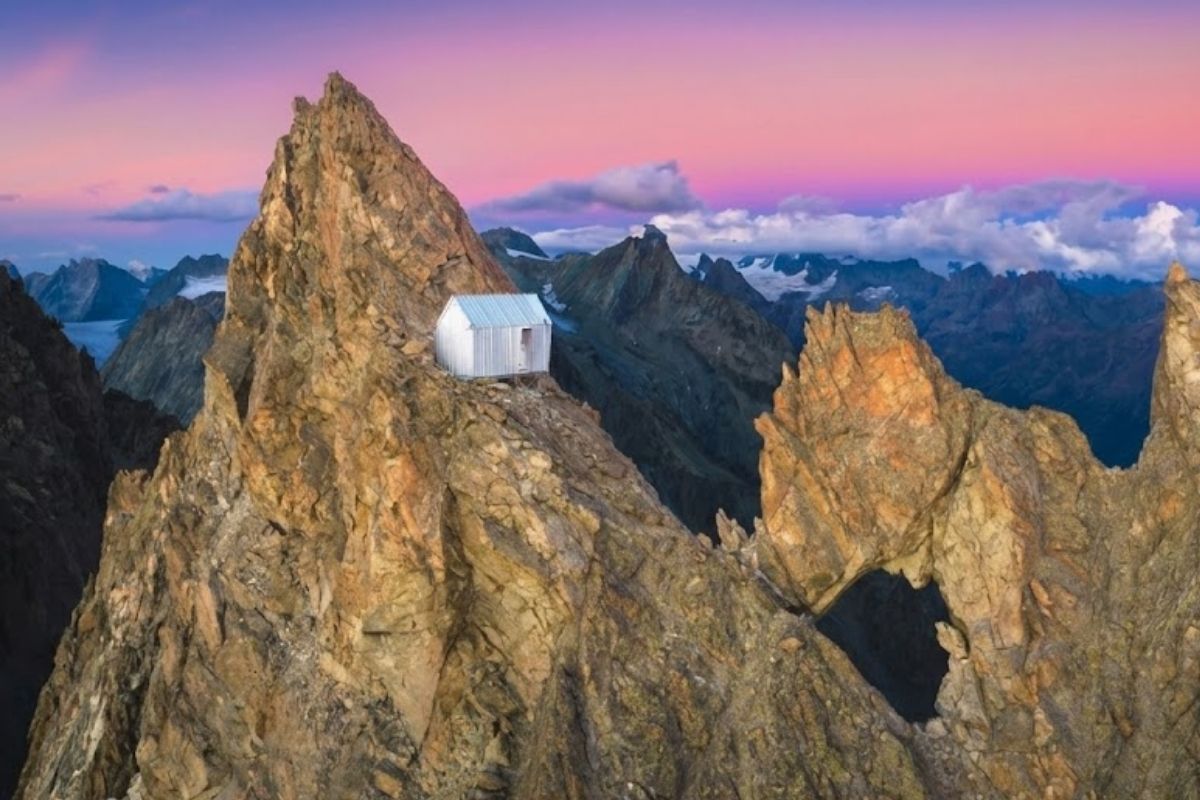
On The Morion Ridge In The Western Part Of The Italian Alps, An Adventurer Reached The Most Isolated Cabin In The Alps After 9 Hours On An Exposed Steep Crest. Without Water Sources And No Rescue Possibility, He Slept In The Cold And Fog And Woke Up To Views Of The Surrounding Mountains.
The overnight stay at the most isolated cabin in the Alps took place on The Morion Ridge, a little-known sequence of peaks and pinnacles in the western Italian Alps. After years with this image in his head, he finally got out of the van, started to climb, and aimed for a goal that seemed distant: to reach almost two thousand meters above, via a long, exposed route with no margin for error.
At the end of the day, the reward came in the form of absolute silence. The fog came and went like curtains, revealing colors in the sky and outlines of mountains like Matterhorn and Grande Combin. Amidst cold, fatigue, and relief, the most isolated cabin in the Alps became a refuge for a night that blended achievement and vulnerability in the heart of the mountains.
Where Is The Most Isolated Cabin In The Alps And Why Does It Seem Unreal

The Morion Ridge is located in the western part of the Italian Alps and is described as a long series of unknown peaks and pinnacles. The isolation is part of what makes it so intimidating: almost no one dares to climb the entire crest, and the feeling of distance is amplified by the region’s deep valleys.
-
Rigid bags with their days numbered: new trend prioritizes comfort in 2026.

-
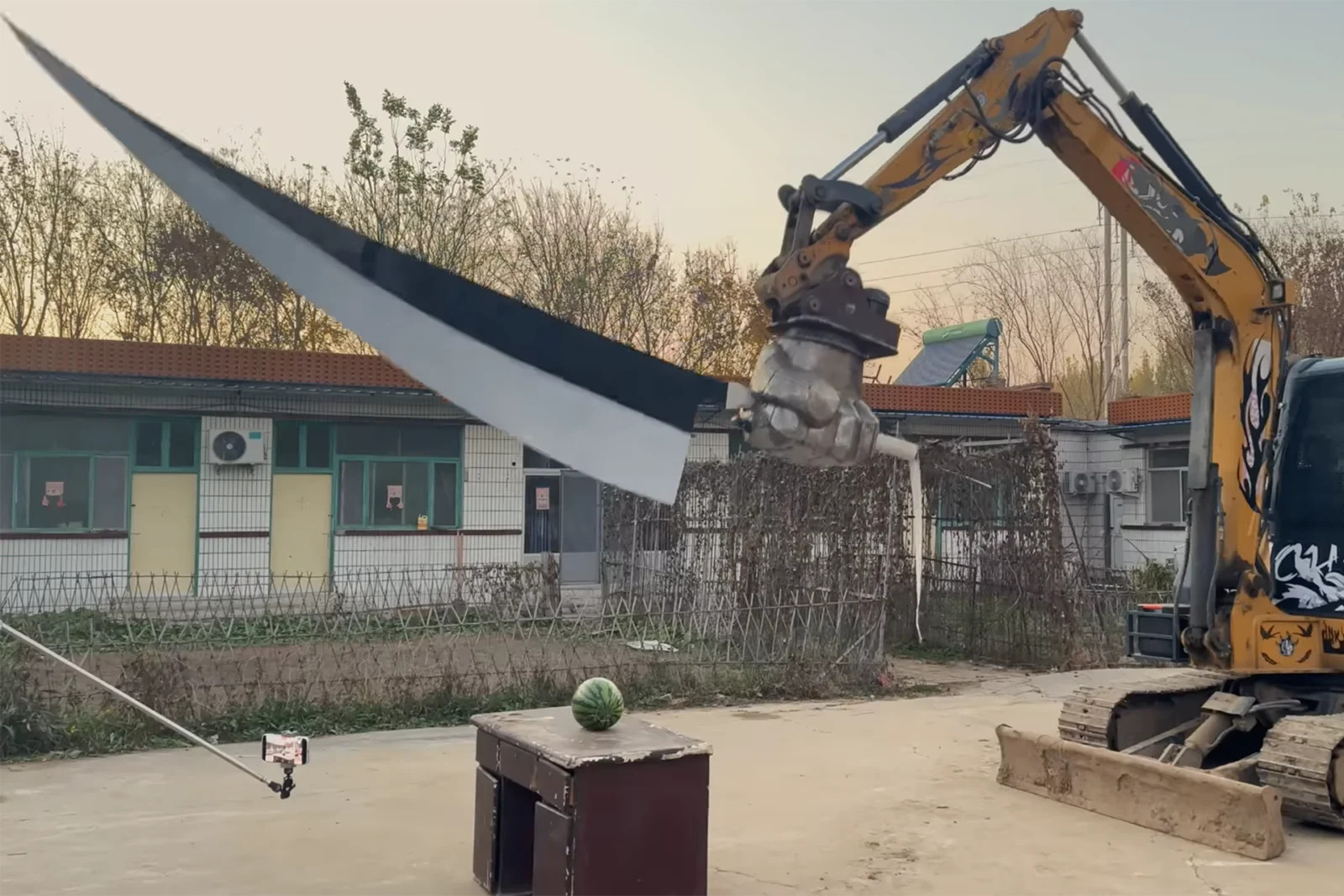
YouTuber creates an excavator equipped with a giant 4.5-meter sword to challenge his brother to a rematch, and the invention quickly goes viral on social media.
-
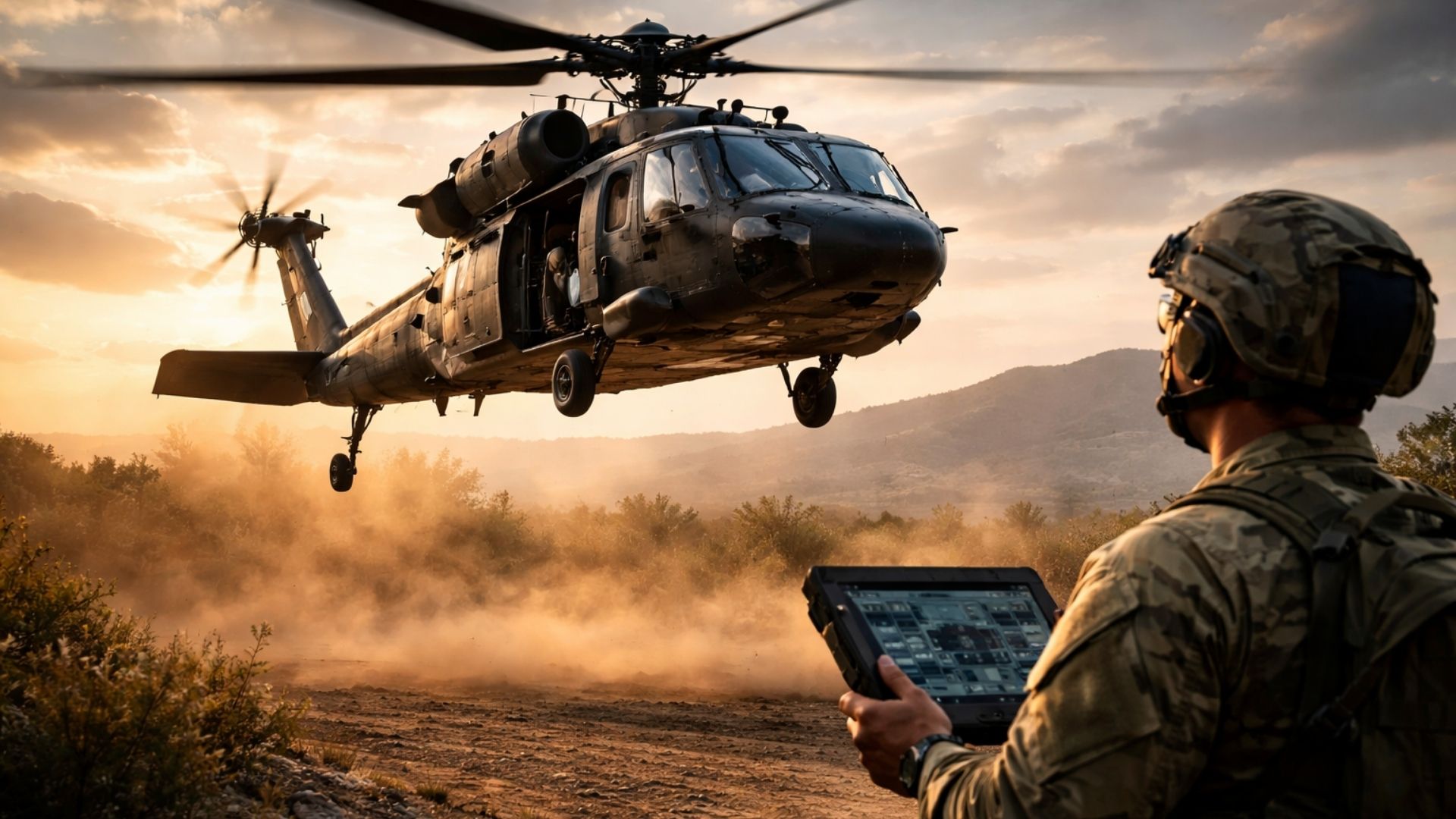
The U.S. Army surprises the world by presenting the UH-60MX Black Hawk helicopter capable of flying without pilots, controlled by a tablet, featuring the MATRIX system, smart sensors, and full autonomy in real combat and rescue missions.
-
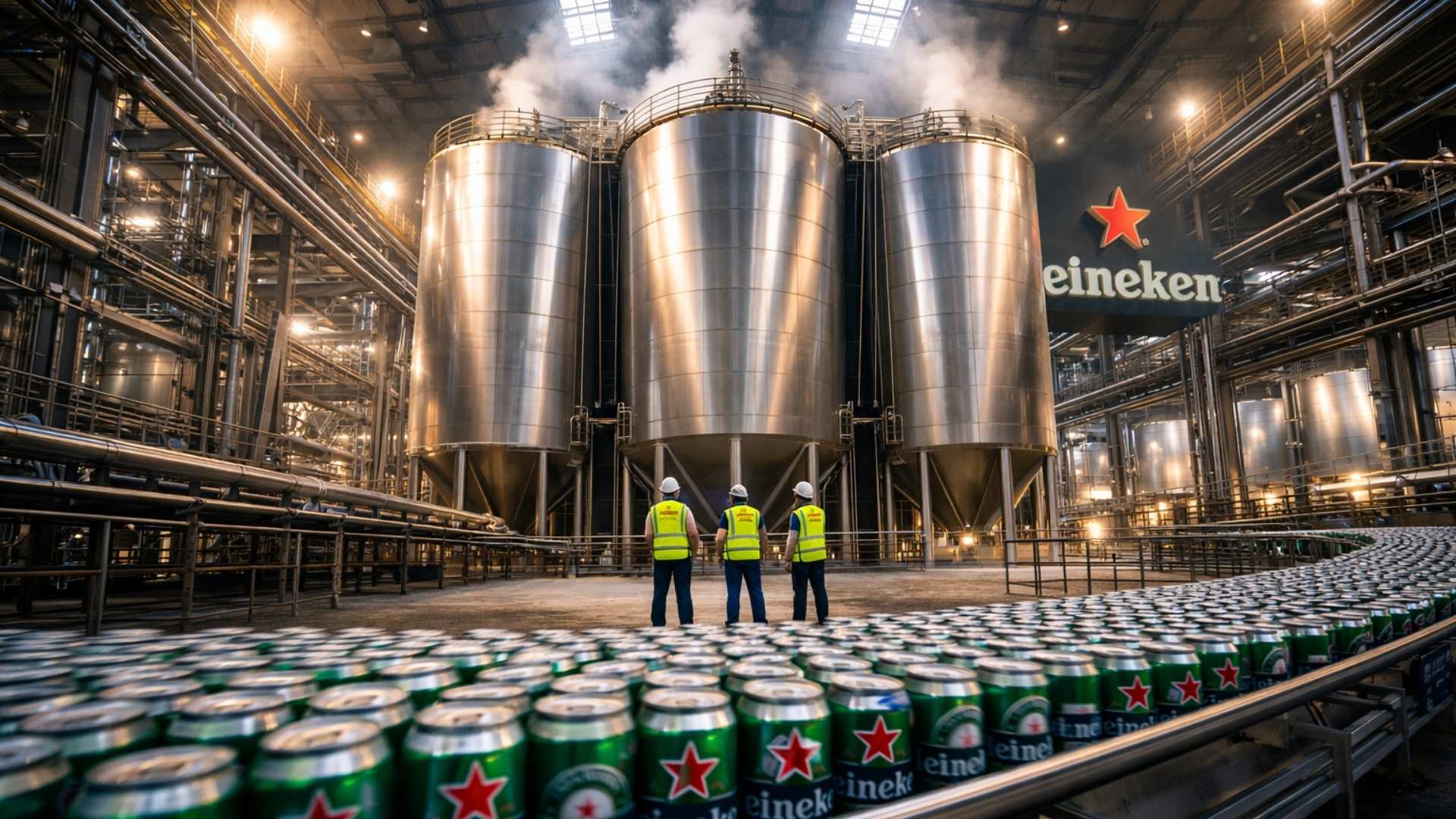
Heineken’s factory in Brazil produces 300 million beer cans in just 4 months, reaches 1 million hectoliters, received R$ 2.5 billion, and is already projecting an annual capacity of 5 million with sustainable technology.

It is in this landscape that a bright point appears above, visible only to those who observe attentively. This point is the Bivacco Pasqualetti, presented as the most isolated cabin in the Alps.
Getting to it is not a common walk: it involves hours of progression along a steep, exposed ridge, with sections that require constant attention, especially when the terrain becomes unstable and the rock does not inspire confidence.
The idea of a solitary cabin, nestled among peaks, also has a psychological effect.
It becomes a fixed landmark on the horizon, a goal that pulls the body upward when fatigue tries to impose limits. Seeing the shelter finally up close changes the scale of everything, because the mountain stops being an image and becomes a concrete reality.
The Beginning Of The Journey: Forest, Altitude Gain And The First Support Point

The ascent began soon after getting out of the van, with the awareness that the goal was almost two thousand meters above.
The initial advance was by constant walking through the forest, at a pace of progression that does not allow euphoria: the day would be long and require energy until the end.
After about an hour, a first relief appeared on the way: a cabin called Refúgio Seche in Creta.
The place marked a strategic pause, with water and a momentary feeling of safety before the rockier stretch. It was also there that the adventure companion was introduced: Marco.
From that point on, the landscape changed. The environment became increasingly rocky, and the mountains began to appear closer, as if the terrain announced that the walk would stop being just a walk.
The ridge was ahead, and the plan was to follow a snowy section, reach the summit, and then follow the line of The Morion Ridge to the most isolated cabin in the Alps.
The Morion Ridge: Exposure, Bad Rock And A Challenge Above Expected

The Morion Ridge is described as a truly long ridge, one that almost no one completes in its entirety.
The total crossing can take several days, with an aggravating factor that weighs on any decision: there are no water sources along the way, and the rock is considered very bad.
Even with experience in hiking and ridges, especially in unstable terrains like the Dolomites, the account makes it clear that it was different there.
The environment and the exposure were presented as something never experienced before.
And when exposure appears, it is not a pretty word: it means walls, edges, emptiness beside, and the permanent feeling that any mistake comes at a high cost.
To enter the ridge with the minimum control possible, equipment became essential: harness, rope, and helmet.
The decision to move forward did not come from impulse. It came from accumulated expectation, planning, and an honest reading of one’s abilities, even with the discomfort of not being “very fond” of actual climbing.
The Section That Got Spicy And The Progression To The Final Towers
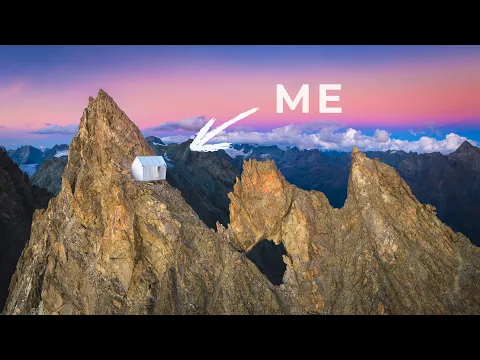

The first peak came in a few minutes, and it was there that the tone changed: “it started to get spicy”.
The expression well summarizes when the route stops being just difficult and requires total attention, with the body working and the mind checking every step.
Almost half of the ridge was behind, and the most isolated cabin in the Alps seemed hidden beyond two towers on the horizon.
The account marks a decisive point: “now the hardest part begins”. It is the section where fatigue has already accumulated, but the end has not yet arrived, and the exposure tends to weigh more because the body no longer reacts as quickly.
Even so, there is an important detail: confidence appears as an element as decisive as physical strength.
Even with the precarious and quite difficult ridge for the declared skill level, the narrated feeling is one of control. Not absolute control, but enough control to continue.
Arrival At Bivacco Pasqualetti And The Night At The Most Isolated Cabin In The Alps
The arrival happened after a long day, starting at 10:30 AM and arriving around 7 PM. The calculation of effort was not just about the clock.
The altitude gain also entered the account: officially, something like 1,700 meters, but with the ridge “going up and down out of sync,” the feeling was of having done close to 2,000 meters in total.
By around 11 PM, there came the simple and inevitable realization: it was time to sleep. The fatigue was great, but it came mixed with happiness and relief.
The journey to that point was too long to fit into one sentence, because it was not just physical effort. It was also the realization of an old desire.
The first time he saw this most isolated cabin in the Alps was about two years ago. The initial impulse was immediate, but reality came along: it looked like a complicated climb.
So he waited. Waited until an opportunity arose, until he was physically well, until it made sense.
And when he arrived, the feeling was one of silent victory. No noisy celebration, no audience.
Just the shelter, the exhausted body, and the awareness that the next day he would have to return by the same way.
Cold, Blankets And The Morning When The Fog Turned Into Theater Curtain
The night was cold. The account describes the amount of blankets used as something almost exaggerated, with “probably ten kilos of blankets.”
It is a detail that translates the reality of sleeping at altitude and in an exposed environment, where the cabin provides protection but does not turn the mountain into comfort.
At dawn, the fog began to dominate the scene.
It “came and went” around the camp, and the sky showed strong colors before revealing, in moments, the surrounding mountains.
Matterhorn and Grande Combin appear as visual references that emerged and disappeared.
The comparison with a theater is precise: as if the curtains were lifted in acts, delivering magnificent views in small intervals.
This kind of vision is not continuous, it is conquered in seconds of opening, and perhaps that is why it remains so striking.
The Return By The Same Route And The Invisible Risk Of Total Fog
The descent did not start with relief, but with a new challenge: dense fog. When they were ready to return, they were completely immersed in white.
And the fog changes everything because the terrain stops being just terrain and becomes a test of navigation.
The wet rock increases the difficulty. The possibility of losing the correct line grows.
And there is one point that weighs like a warning: “no rescue can get you.”
Without a view of the horizon, without sounds, without wind, without distractions, the experience is reduced to the essential: just two people and “a clear line to follow.”
This final stretch translates the type of isolation that the most isolated cabin in the Alps symbolizes.
It is not just geographical distance. It is the condition of being in a place where the world does not interfere, and where every decision must be made with full awareness of the consequences.
Two Days In The Mountains And The Dream-Like Feeling When Leaving The Crest
After leaving the ridge and the cabin, the scene was described as a dream: surrounded by mist, with a feeling of unreality that was hard to process.
There are places that, according to the account, remain stuck in the mind for years, and when the goal is reached, the mind takes time to accept that it is real.
In the end, it was two days in the mountains and the descent back down with the impression of having experienced one of the most memorable adventures of life.
The account also registers a behind-the-scenes detail: the video editing took months, and the stay at the cabin happened at the end of September.
The story ends with the same logic that sustains it from beginning to end: the value is not only in reaching, but in traversing the entire path knowing where one is and what that entails.
The most isolated cabin in the Alps becomes a symbol of this experience because it materializes a rare type of achievement, made of waiting, effort, risk, and silence.
Would you face a night in the most isolated cabin in the Alps knowing that the return would be by the same exposed ridge and, in the fog, without any chance of rescue?






-

4 pessoas reagiram a isso.