





 Portuguese
  English
  Spanish
  5 min of reading
  0 comments


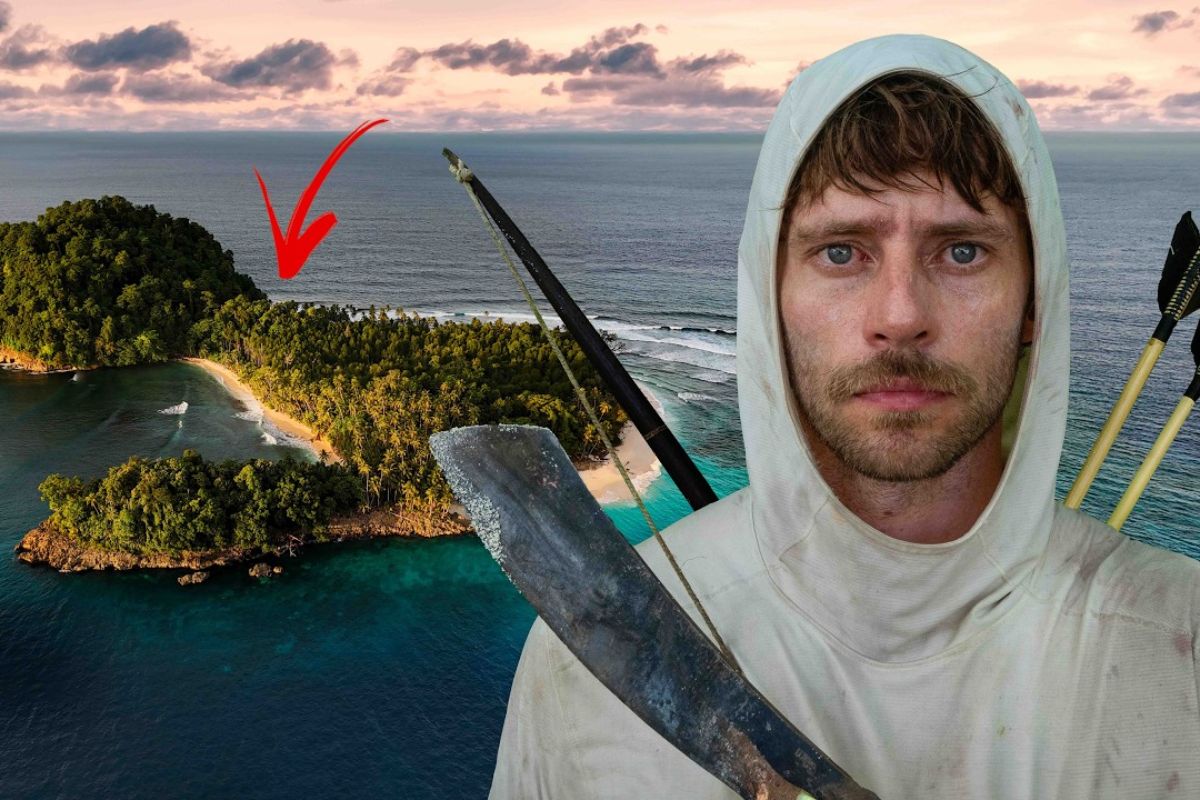
Alone On A Remote Island In The Pacific Ocean Man Spends Seven Days Isolated Without Food Drinking Water Or Shelter Improvises Survival Builds Camp Faces Wild Animals Open Sea Unstable Weather And Registers Every Real Step Of The Extreme Experience
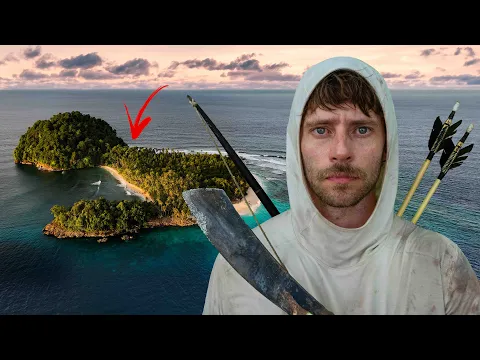
A man was left alone on a remote island in the Pacific Ocean without access to food, drinking water, or any basic structure. The experience began with complete abandonment in isolated territory, surrounded by dense jungle, open sea, and a constant presence of wild animals.
For seven days, alone on a remote island, he had to build everything from scratch. Each decision involved real risk, progressive physical wear, and continuous adaptation to an unpredictable environment, where mistakes meant direct exposure to hunger, dehydration, or serious accidents.
Where It Happened And What The Initial Conditions Were

The experience took place on a remote island in the Pacific, far from inhabited centers and without any human infrastructure.
-
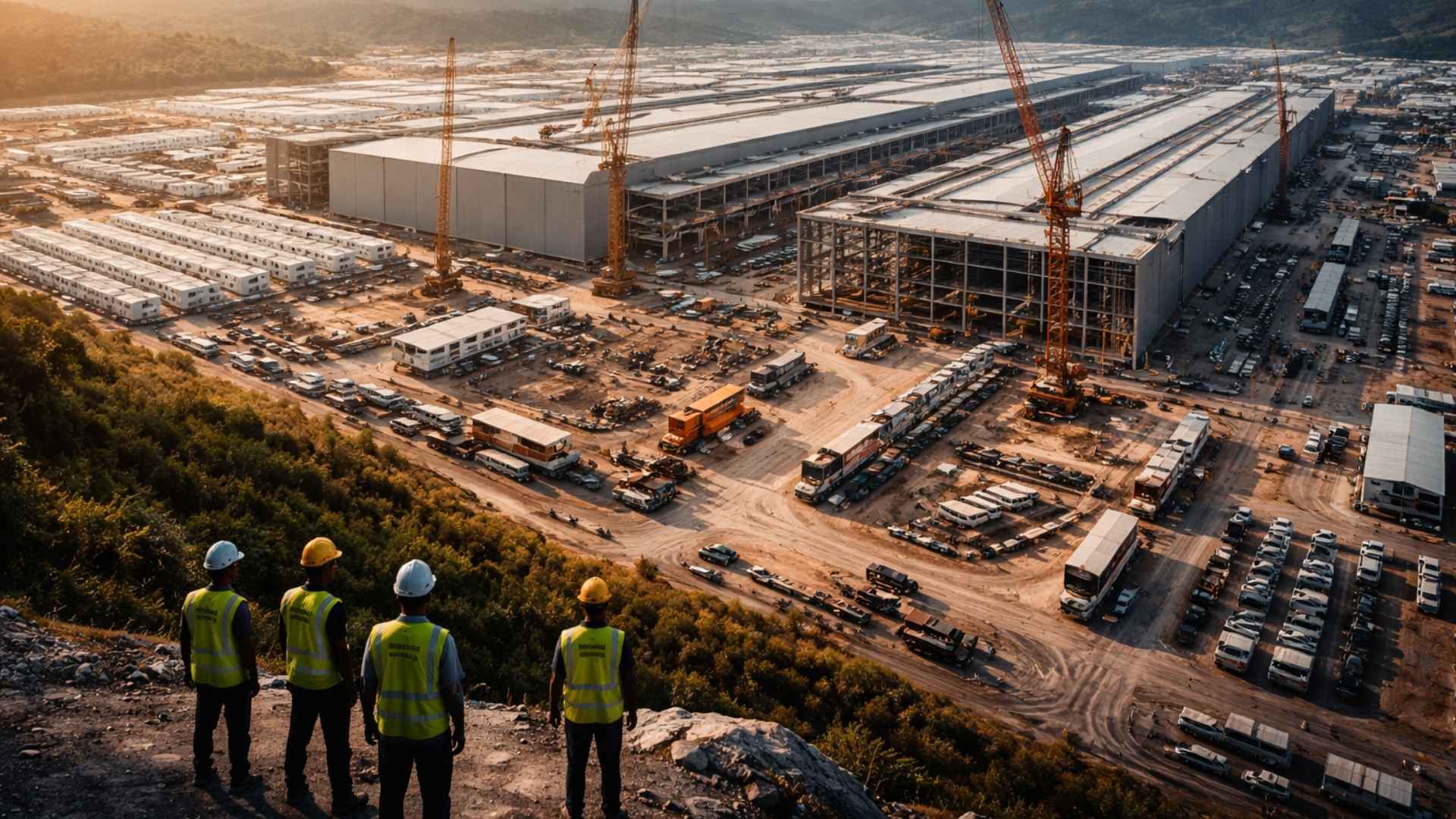
China is building a city in Brazil: a complex with an investment of R$ 5.5 billion comes to light, but allegations involving workers draw attention.
-
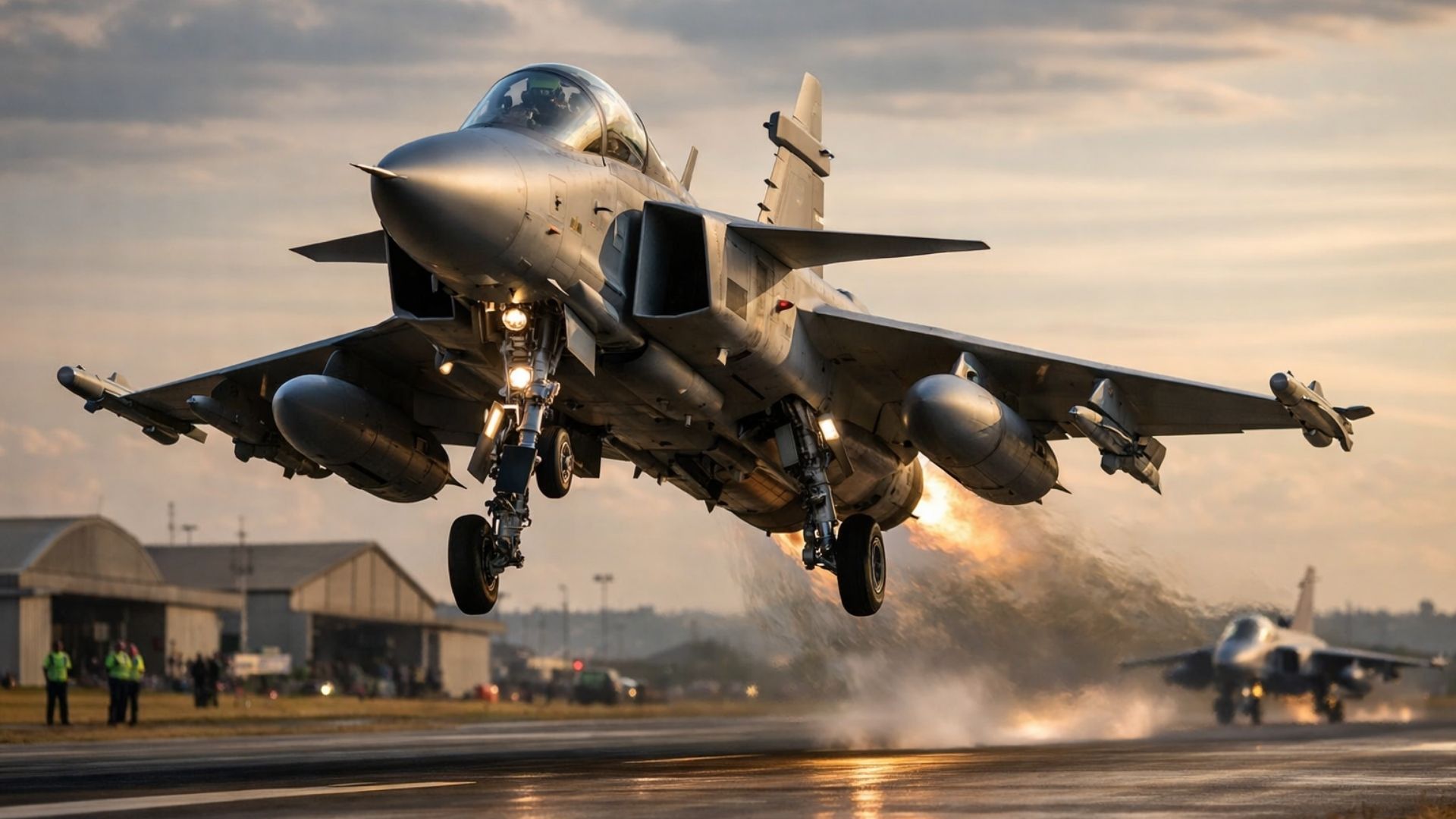
While Argentina buys old war equipment, Brazil is keeping an eye open and joins the select group of nations with advanced military technology by investing $5.2 billion, producing 36 Gripen fighters in the country, and reducing operational costs.
-
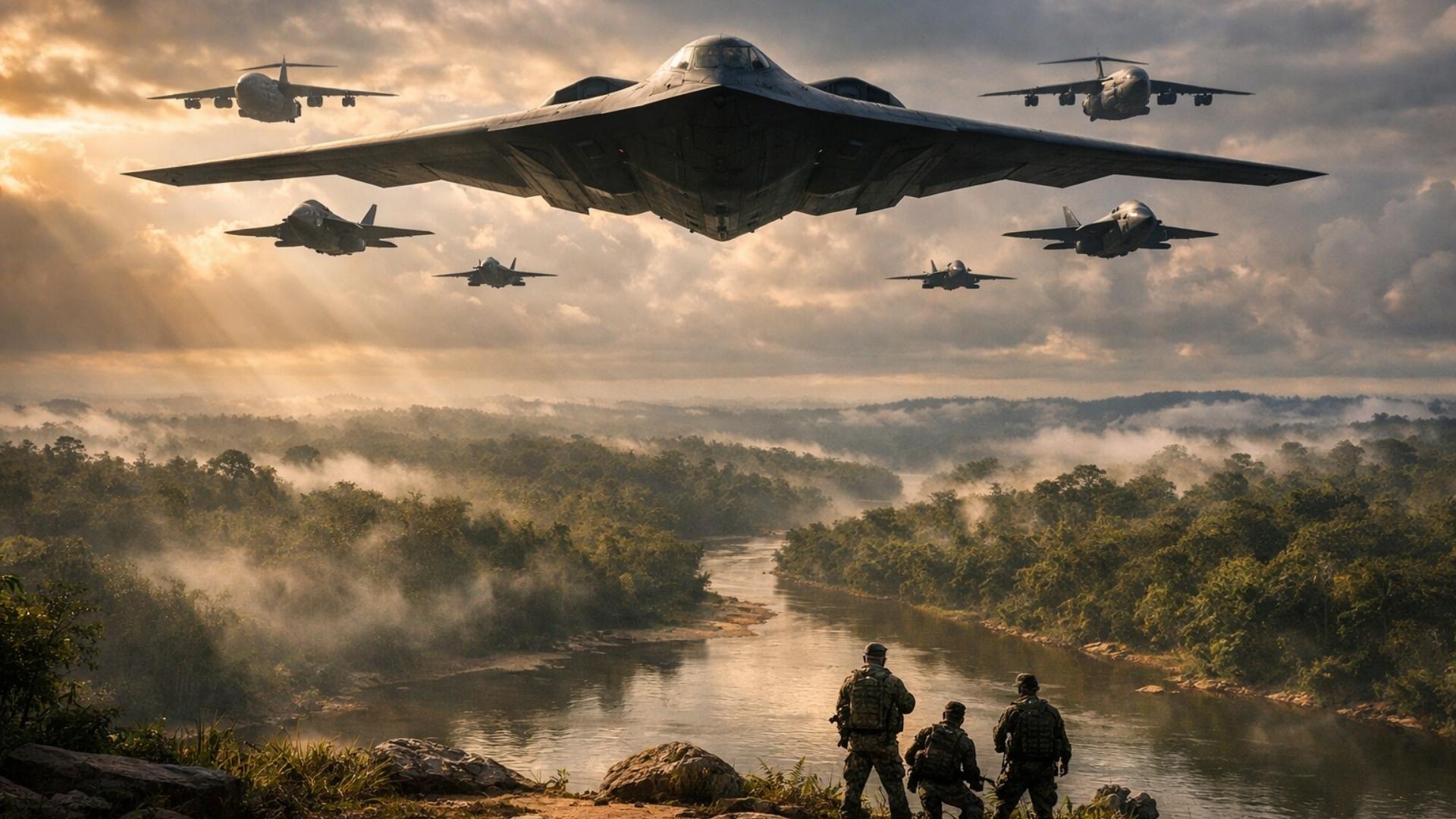
Brazil on alert? Why invading Brazil is a NIGHTMARE for the USA: 8.5 million km², 213 million inhabitants, Amazon covering 60% of the territory, trillion-dollar war, and resistance that even 13,000 aircraft could not control.
-
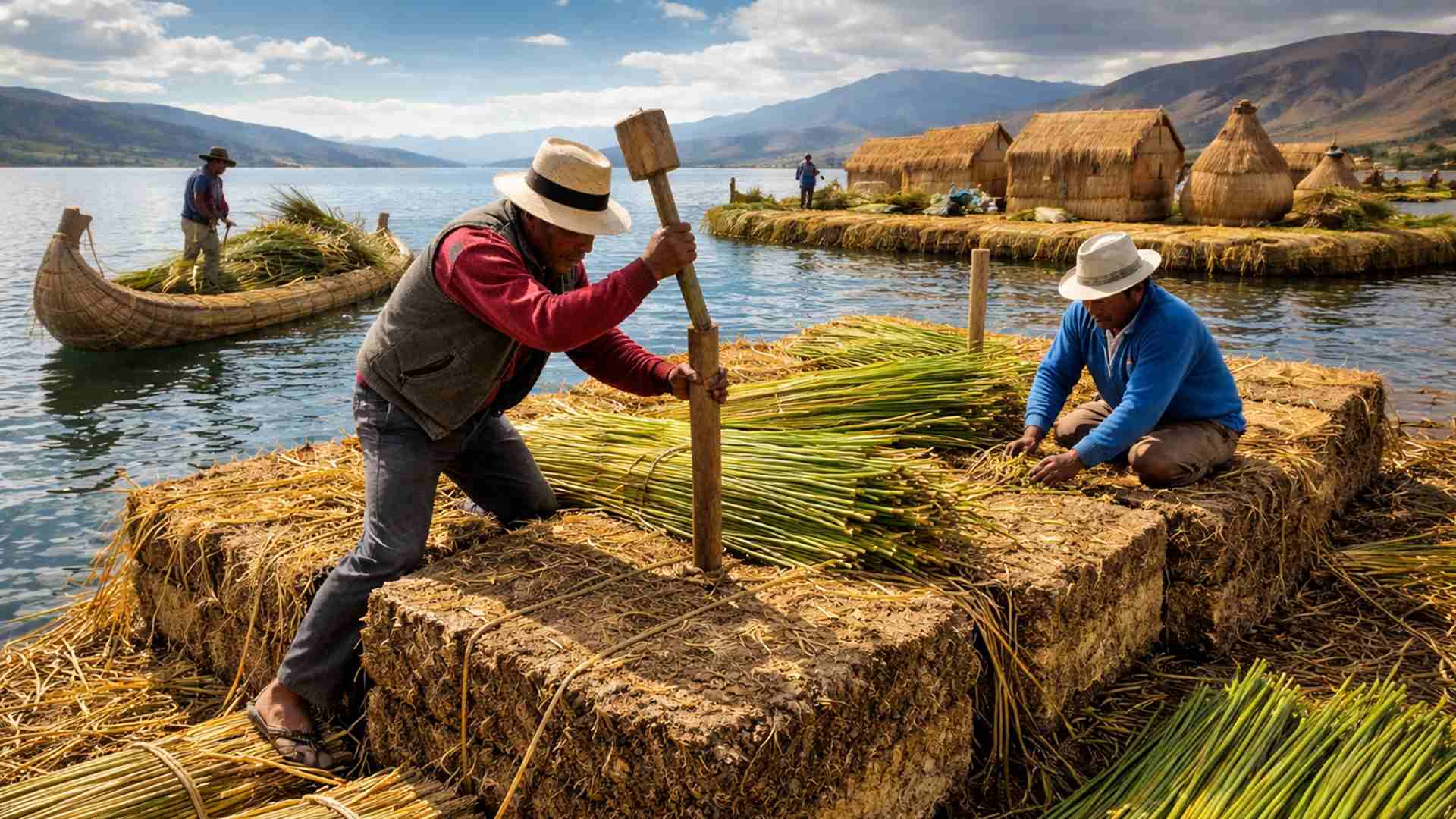
How to build a floating island from scratch with reeds, giant blocks, and stakes in the lake in a process that needs to be repeated almost every day.

The location featured dense vegetation, flooded areas, a coastline with reefs, and clear signs of tidal influence.
Right in the first hours, it became evident that alone on a remote island, the biggest challenge would not only be finding food, but also ensuring safe water, shelter against rain, wind, insects, and minimum protection at night.
The weather alternated between intense heat during the day and sudden rains at night, creating conditions of thermal stress and accelerated wear.
Search For Water Defines Initial Survival

The absolute priority was to find water.
Without visible rivers or reliable sources, the man had to evaluate stagnant puddles, observe tidal influence, and identify areas protected from the advance of saltwater.
Still alone on a remote island, he found stagnant water in a raised area, indicating less contamination by salt.
Even so, the risk of parasites and bacteria was constant, requiring improvisation of filtering and boiling.
Plastic bottles found on the beach became essential containers.
Collecting rainwater began to complement hydration, especially during nighttime storms.
Shelter Construction Under Extreme Physical Pressure

Without a ready shelter, sleeping on the ground meant direct exposure to insects, rain, and animals.
The man decided to choose a raised point with constant ventilation to keep mosquitoes away, but protected enough against strong winds.
Alone on a remote island, he built a shelter with branches, large leaves, vines pulled from the ground, and bamboo.
The process required continuous effort under intense heat, leading to physical exhaustion within the first few days.
The structure was not perfect, but provided minimal protection against light rain, allowing for partial rest and limited recovery of the body.
Available Tools And Real Limitations
Despite the isolation, he had a limited amount of equipment.
Among them were a machete, knife, ropes, small pot, portable filter, net, snorkel, hook, fishing line, improvised bow, and a handmade harpoon.
Still, alone on a remote island, no tool replaced the need for manual skill, correct decision-making, and extreme energy conservation.
Every action needed to be calculated to avoid unnecessary calorie expenditure.
The fire became a game changer, allowing him to boil water, cook food, and elevate psychological safety at night.
Limited Food And Constant Risk Of Hunger
In the initial days, food was almost nonexistent.
Green coconuts provided partial hydration and few calories. Fishing became essential to avoid physical collapse.
Alone on a remote island, he fished with hand line, harpoon, and diving in shallow waters.
The activity involved clear risks, such as strong currents, sharp reefs, and unexpected waves that even threw him against submerged structures.
Fish, crabs, and later lobsters provided vital protein. Each meal represented a temporary recovery of energy in a scenario of constant food deficit.
Presence Of Wild Animals Increases Tension
During his stay, there were clear records of animals circling the camp.
Nocturnal sounds, footprints, and visual encounters indicated the presence of wild boars, coconut crabs, large birds, and other unidentified animals.
Alone on a remote island, proximity to wild boars heightened the real risk of confrontation, especially at night.
The man chose to avoid unnecessary attacks, prioritizing safety over large amounts of meat.
Forced coexistence with the fauna required constant vigilance and adaptation of routines to minimize risks.
Drinking Water Remains The Greatest Challenge
Even with fire, water remained a daily concern.
Improvised filtering with charcoal, sand, and cloth helped improve taste and appearance, but did not eliminate all biological risks.
Boiling became mandatory whenever possible.
Alone on a remote island, he had to balance water consumption with the availability of fuel to keep the fire going.
Frequent rains helped, but also destroyed structures and increased psychological wear.
Progressive Physical And Psychological Exhaustion
Sleep deprivation, limited food, constant heat, and tension with wild animals caused cumulative wear.
Nights interrupted by rain, noises, and the need to keep the fire going aggravated exhaustion.
Even so, alone on a remote island, he maintained operational discipline, adjusting strategies daily to ensure functional shelter, minimal water, and some source of food.
The routine became repetitive, but each small success represented survival guaranteed for another day.
Human Contact Marks The Final Stretch
In the last days, local fishermen appeared nearby.
Their traditional knowledge revealed an abundance of food in the surroundings, from lobsters to efficient gathering techniques.
The interaction showed that alone on a remote island, the biggest limit was not absolute scarcity, but the knowledge necessary to explore the environment efficiently.
Obtaining fish and lobsters marked the end of the experience with a substantial meal after days of controlled hunger.
Rescue And End Of The Experience
After seven days, the rescue occurred as planned.
The man left the island physically worn but unharmed, with functional shelter, basic mastery of the environment, and complete records of every step.
The experience demonstrated that alone on a remote island, extreme survival relies less on brute strength and more on environmental reading, correct prioritization, and the ability to adapt under continuous pressure.
In light of everything faced, do you believe you could maintain mental clarity and discipline while living alone on a remote island for seven days without food, drinking water, or ready shelter?







-

Uma pessoa reagiu a isso.