





 Portuguese
  English
  Spanish
  4 min of reading
  0 comments


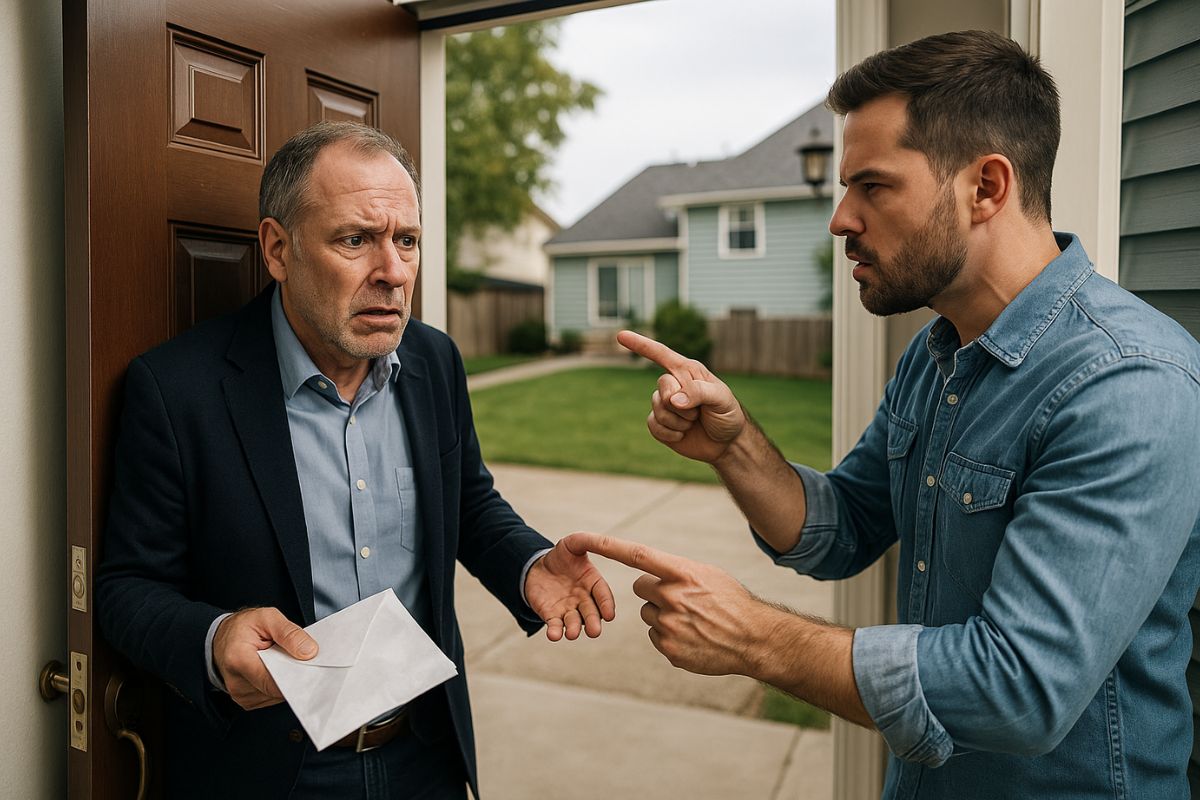
A Viral Story About Late Rent Raises a Common Fear Among Landlords. We Analyze the Law to Explain Why a Tenant Cannot Take Your Property and How to Protect Yourself.
The story is distressing and went viral on social media: a landlord, after months of not receiving payment, approaches the tenant and hears the phrase that is the nightmare of anyone renting a property: “I have been here for 10 years, I fixed the house, I’ve paid the bills. I took it to court, you’ve already lost the house by adverse possession”.
This type of conflict, unfortunately common, feeds one of the biggest fears of those who have a rental property. But can a tenant really “take” the owner’s property this way? The short and direct answer from the law is: no.
To understand why, we need to demystify what adverse possession is and what the fundamental detail is that invalidates the “lazy tenant” thesis.
-
Spain surprises the world by erecting 62 artificial dunes, mixing sand with natural remains of posidonia, and causing the structure to lose only 1.4% of its volume in 1 year.

-
With 16 Bulava missiles, improvements in acoustic stealth, and a design focused on silent patrols, Russia’s nuclear submarine was born to ensure Moscow’s invisible retaliation and has become one of the pillars of its maritime strength.

-
‘Populous’ city in Rio among the worst in Brazil in national ranking and exposes silent development crisis.

-
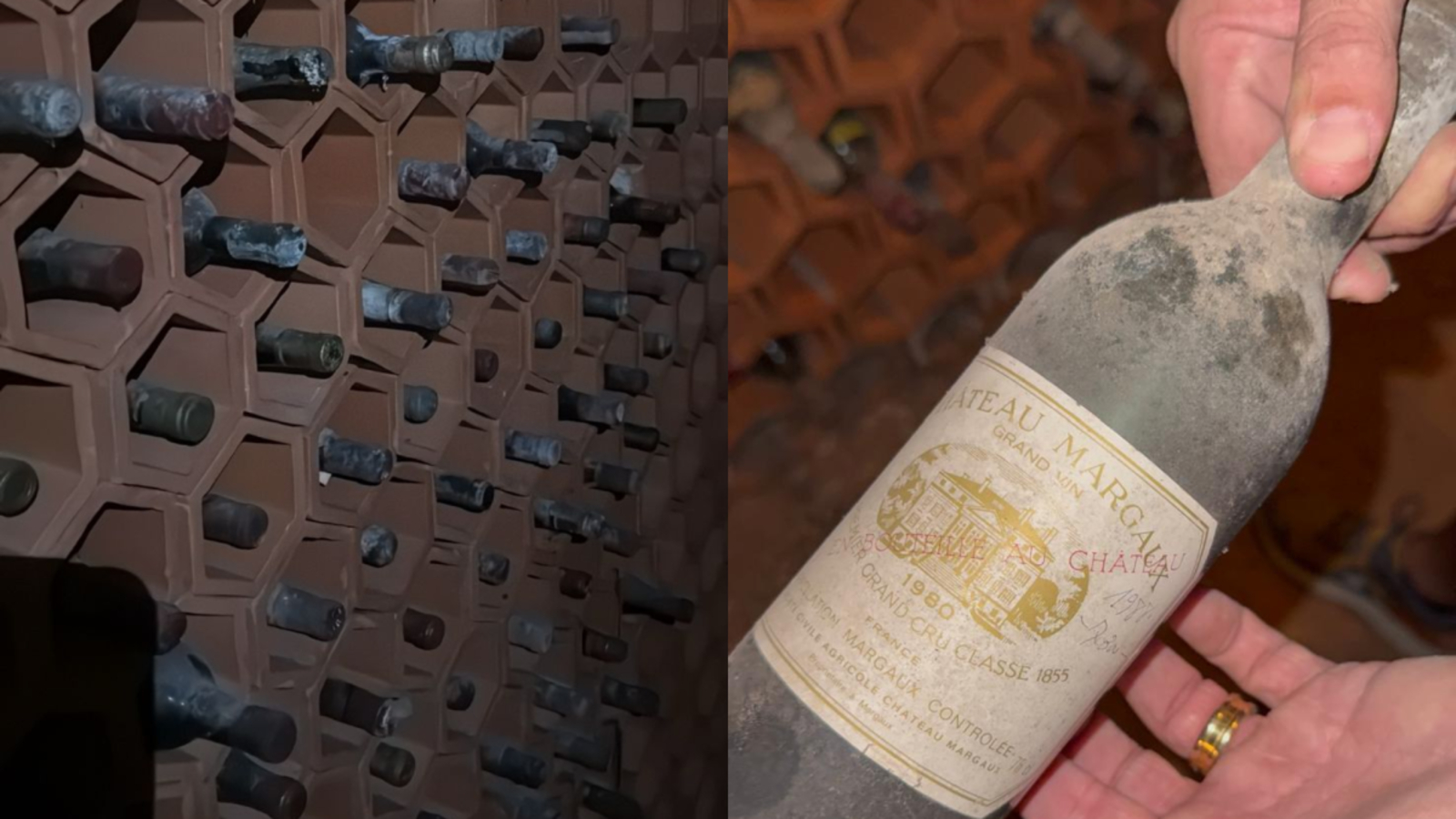
Couple buys house in the South Zone of São Paulo, opens a hidden door in the garage, and finds a secret wine cellar with dozens of old wines forgotten since the 1970s.

What Is Adverse Possession?
Adverse possession (and not “land rights”, as it is sometimes called colloquially) is a legal mechanism provided for in the Brazilian Civil Code that allows a person to acquire ownership of an asset (movable or immovable) through continuous and prolonged use over time, as long as very strict rules are followed. The idea behind the law is to give a social function to property, preventing it from being abandoned indefinitely while another person takes care of it as if it were theirs.
The Fatal Flaw in the Tenant’s Argument: The Absence of ‘Animus Domini’


In order for someone to even plead for adverse possession, they must meet several requirements, but one of them is the most important and closes the discussion in the case of a rental: animus domini.
- What is ‘animus domini’? It is a term in Latin that means “intention to be the owner”. The person occupying the property must act and feel like the true owner of the asset, taking care of it, defending it against third parties, and not accounting to anyone.
And this is where the tenant’s thesis collapses. The very existence of a rental agreement (even if verbal) is the definitive proof that there is no animus domini. By paying rent, the tenant is legally acknowledging that they are not the owner, but rather that they are merely “borrowing” someone else’s space, the true owner. They do not have the intention of being an owner; they have permission to use the place.
Even if the tenant stops paying rent, the nature of their possession remains that of a tenant. Taking care of the property or paying for electricity and water does not change that; these are obligations stipulated in most lease agreements.
What Are the Real Requirements for Adverse Possession?
For adverse possession to be valid in other situations (such as occupying a truly abandoned lot), the law generally requires:
- Possession with animus domini: Acting as if one were the owner (which, as we saw, the tenant does not do).
- Peaceful and Quiet Possession: Occupying the property continuously and without the original owner contesting the possession during the required period. If the owner files an eviction lawsuit, for example, the possession ceases to be “peaceful”.
- Passage of Time: It is necessary to occupy the property for a long period, which varies according to the type of adverse possession (from 5 to 15 years).
The Lesson for Landlords: How to Protect Yourself?
Although the law is on your side, the best protection is prevention.
- Always have a written rental contract, clear and with notarized signatures. It is your strongest proof.
- Document all rent payments through receipts or bank transfers.
- In case of default, act quickly. Notify the tenant formally, and if necessary, file for eviction. This shows that you have never abandoned possession of your property.
Ultimately, the story that went viral serves as a warning not about the fragility of the law, but about the importance of knowing your rights and formalizing your contractual relationships to avoid headaches and attempts of bad faith.
Have you ever been in a similar situation or know someone who has had problems with a tenant? What is your opinion about the adverse possession law in Brazil?








Seja o primeiro a reagir!