





 Portuguese
  English
  Spanish
  3 min of reading
  0 comments


True Story Of Ho Van Lang Reveals Extreme Survival After Bombing During The Vietnam War In 1972
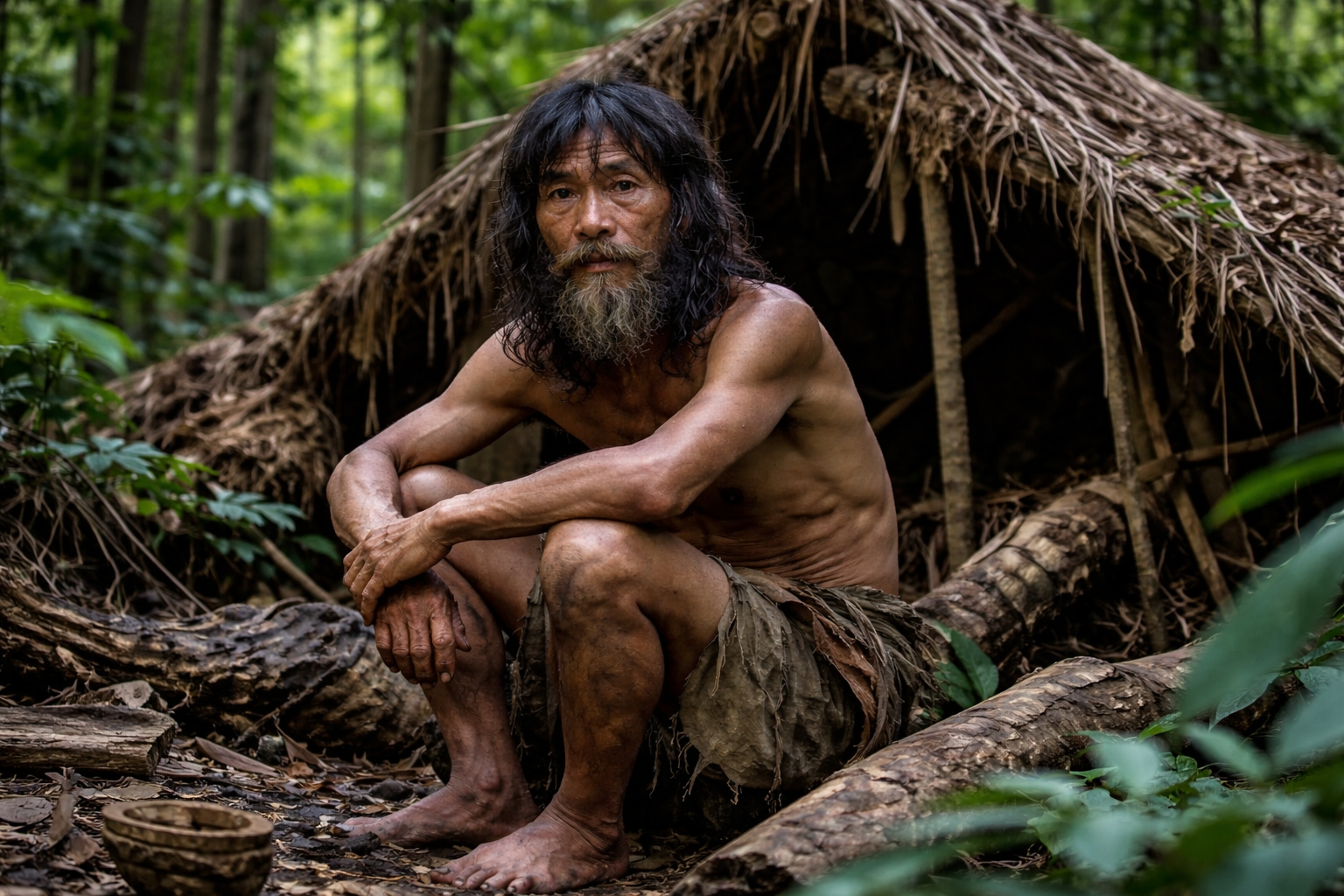
A story of extreme human isolation gained attention in August 2013, when residents found a man who had been living in the forest of Quang Ngai Province, Vietnam, for over four decades. Ho Van Lang fled as a child with his father in 1972 during the Vietnam War, shortly after a bombing hit their village and killed part of the family.
Since then, he lived completely away from society, without contact with cities, technology, or basic structures of the modern world. Furthermore, according to later reports, he grew up without even knowing the existence of women. The case began to attract international attention as one of the most impressive records of human isolation in recent decades.

Isolation Began After Bombing In 1972
The episode that prompted the escape occurred in 1972, amidst the fighting of the Vietnam War. After the airstrike hit their community in Quang Ngai, Ho Van Lang and his father decided to enter the jungle to avoid further bombings.
-
He started running at 66 years old, broke records at 82, and is now a subject of study for having a metabolic age comparable to that of a 20-year-old, in a case that is intriguing scientists and inspiring the world.

-
Oldest tree on the planet reappears after 130 years of searches: Wattieza, 385 million years old, was 10 meters tall and had no leaves or seeds; Gilboa fossils in New York solved the mystery in 2007.

-
A 48-square-meter house assembled in hours with 4,000 bricks made of recycled plastic that does not absorb moisture, has natural thermal insulation, and costs less than 90,000 reais in a complete kit.

-
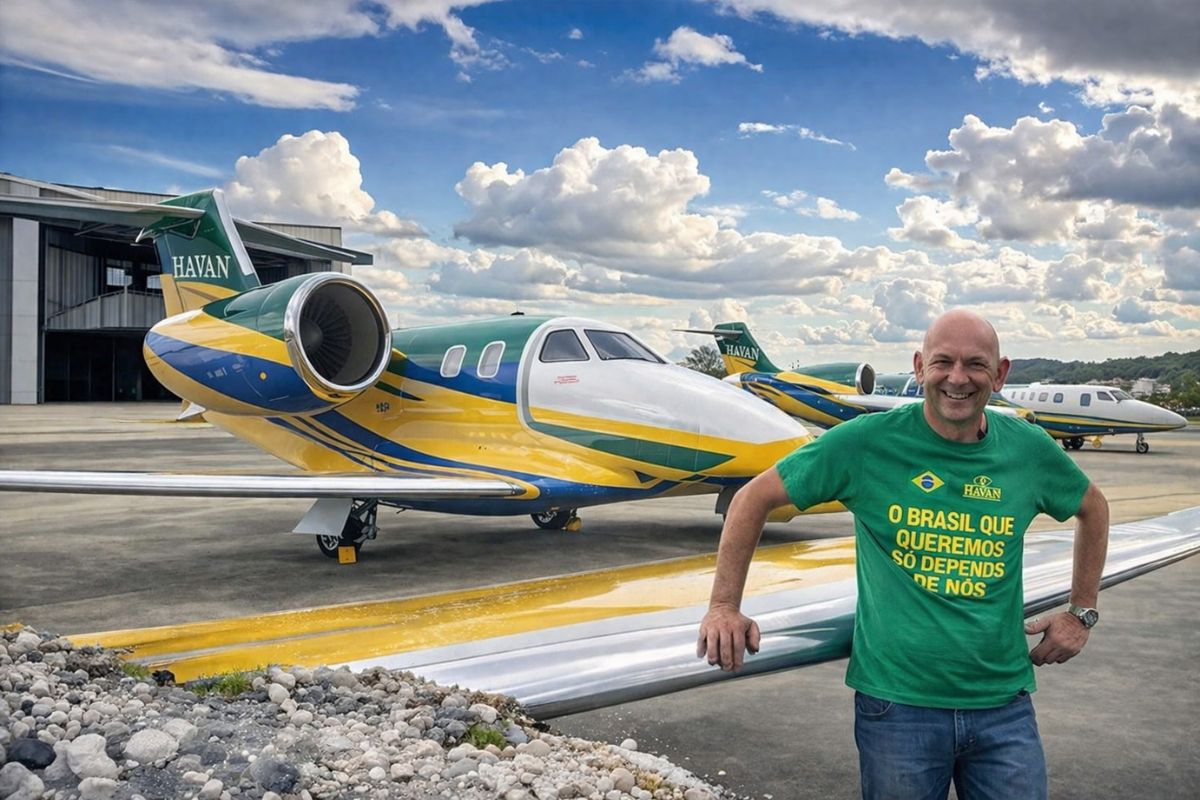
Luciano Hang revealed that Havan’s air fleet has already accumulated more than 20,000 landings, 10,000 flight hours, and 6 million kilometers traveled, and he says that without the planes, the company would never have grown so quickly.

According to reports published by Vietnamese outlets in 2013, the father taught his son that outside the forest there was only war. This belief maintained their isolation for decades. For 41 consecutive years, they both avoided any contact with organized civilization.
Survival In Shacks And Rudimentary Diet
In the forest, father and son built makeshift shacks in trees to protect themselves. They also used loincloths made from tree bark as clothing. Their diet depended on hunting, fishing, and rudimentary agriculture, which ensured their subsistence over the years.
They lived without electricity, without sewn clothes, without books, and without doors. As a direct result of this separation, Ho Van Lang grew up with no formal understanding of structured society and with no awareness of the existence of women. Their daily routine revolved exclusively around survival.
Discovery In 2013 Attracts International Attention
In August 2013, residents of the mountainous region of Quang Ngai located Ho Van Lang and his father. The discovery generated significant media coverage internationally that same year.
After the rescue, Spanish explorer Álvaro Cerezo lived with Lang and shared his impressions with journalists. According to Cerezo, the Vietnamese man was even unaware of the existence of women. “It was like talking to someone from another planet,” he stated while describing the experience.
Difficulties Adapting To Modern Life
Although he was in good physical condition at the time of rescue, Ho Van Lang faced difficulties adapting to life outside the jungle. He showed fear of cities, was uncomfortable with common clothing, and preferred to sleep on the floor, even in urban settings.
In interviews given after 2013, he stated that he found people “very complicated.” Experts noted that the reintegration process required support and gradual adaptation.
Death In 2021 And Reflection On Extreme Isolation
In 2021, Ho Van Lang died from liver cancer. Experts assessed that the abrupt change of environment and the stress of the modern world may have contributed to his fragile health, although the official record indicated liver cancer as the cause of death.
Since then, researchers and journalists cite his trajectory as one of the most extreme cases of human isolation ever documented. The story raises reflections on social adaptation, survival, and the impacts of decades of separation from contemporary society.
In light of this real and documented story, what stands out to you more: the impressive ability to survive for four decades in the jungle or the challenge of returning to a world he had never known?








-

-

2 pessoas reagiram a isso.