





 Portuguese
  English
  Spanish
  3 min of reading
  0 comments


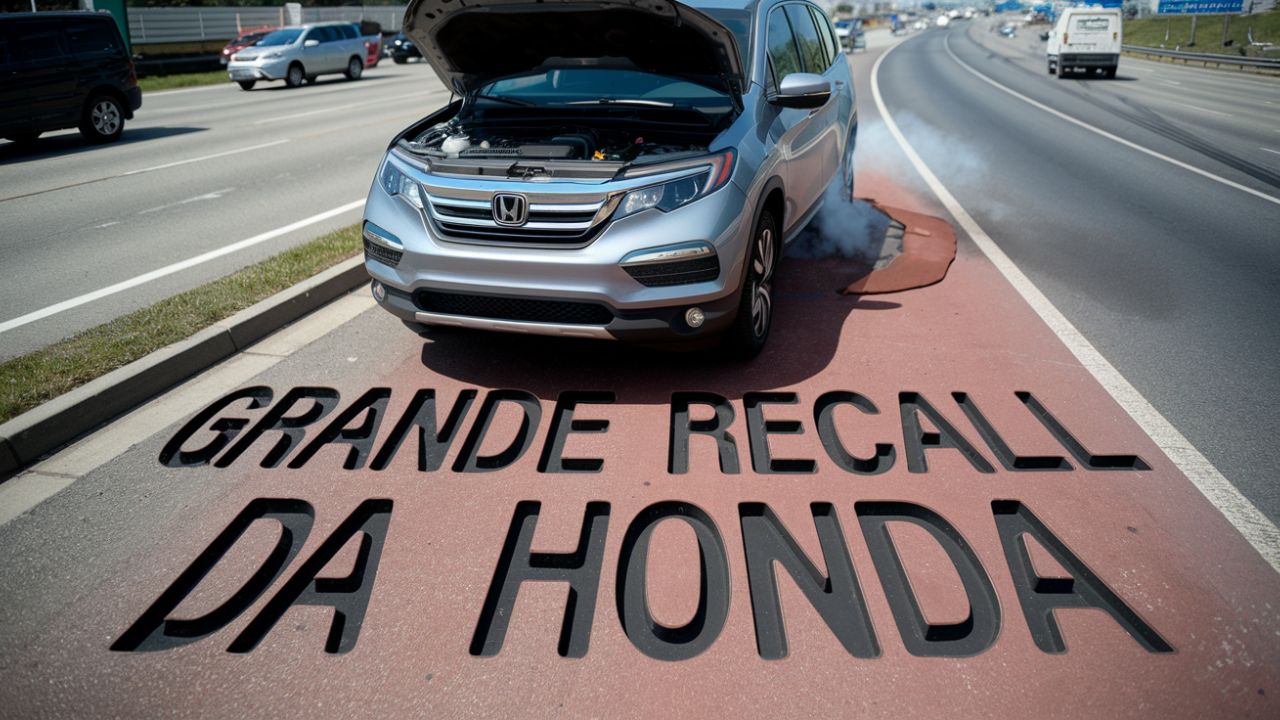
Honda and Acura 3.5 V6 Engine Failures Raise Concerns After 173 Reports of Rod Bearing Defects; NHTSA Investigation Seeks Solutions for Over 1 Million Cars in the U.S.
When we think of brands like Honda, what comes to mind? Trust, quality, and innovation, right? However, even industry giants face issues. Recently, the U.S. government, through the National Highway Traffic Safety Administration (NHTSA), placed the brand at the center of an investigation that could impact over 1 million cars. The reason? Ongoing problems with the 3.5 V6 engine, widely used in Honda and Acura models.
Why Is Honda Under Investigation?
The central issue lies with the 3.5 V6 engine, which has caused headaches before. A prior recall was issued due to crankshaft failures. However, new problems have emerged, this time with the rod bearings. And we’re not talking about one or two isolated cases. There were 173 reports of failures, a sufficient number to trigger the red alert.
But why is this so concerning? These defects not only compromise engine performance but also pose a safety risk for drivers. Imagine driving and suddenly the engine fails? That’s something no one wants to face.
-
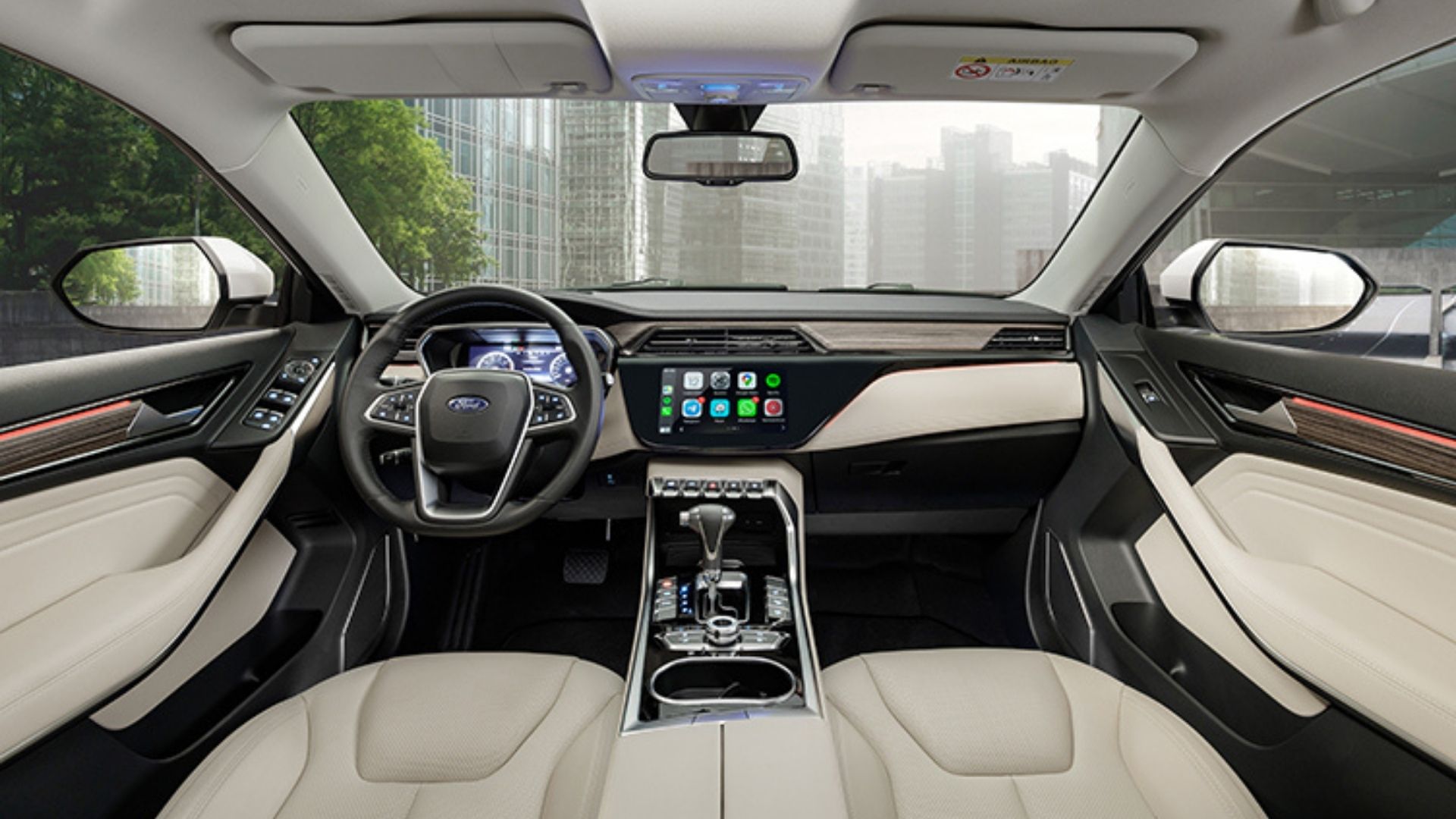
Around R$ 24,000: 4 used Ford SUVs with up to 253 hp, V6 engine, all-wheel drive, 7 airbags, panoramic sunroof, and a complete package that surprises with its price and performance in Brazil.
-
A brand new car starts at around R$ 75,000 in Brazil, but what stands out the most is seeing streets filled with SUVs and expensive sedans in a country where millions remain in debt.

-
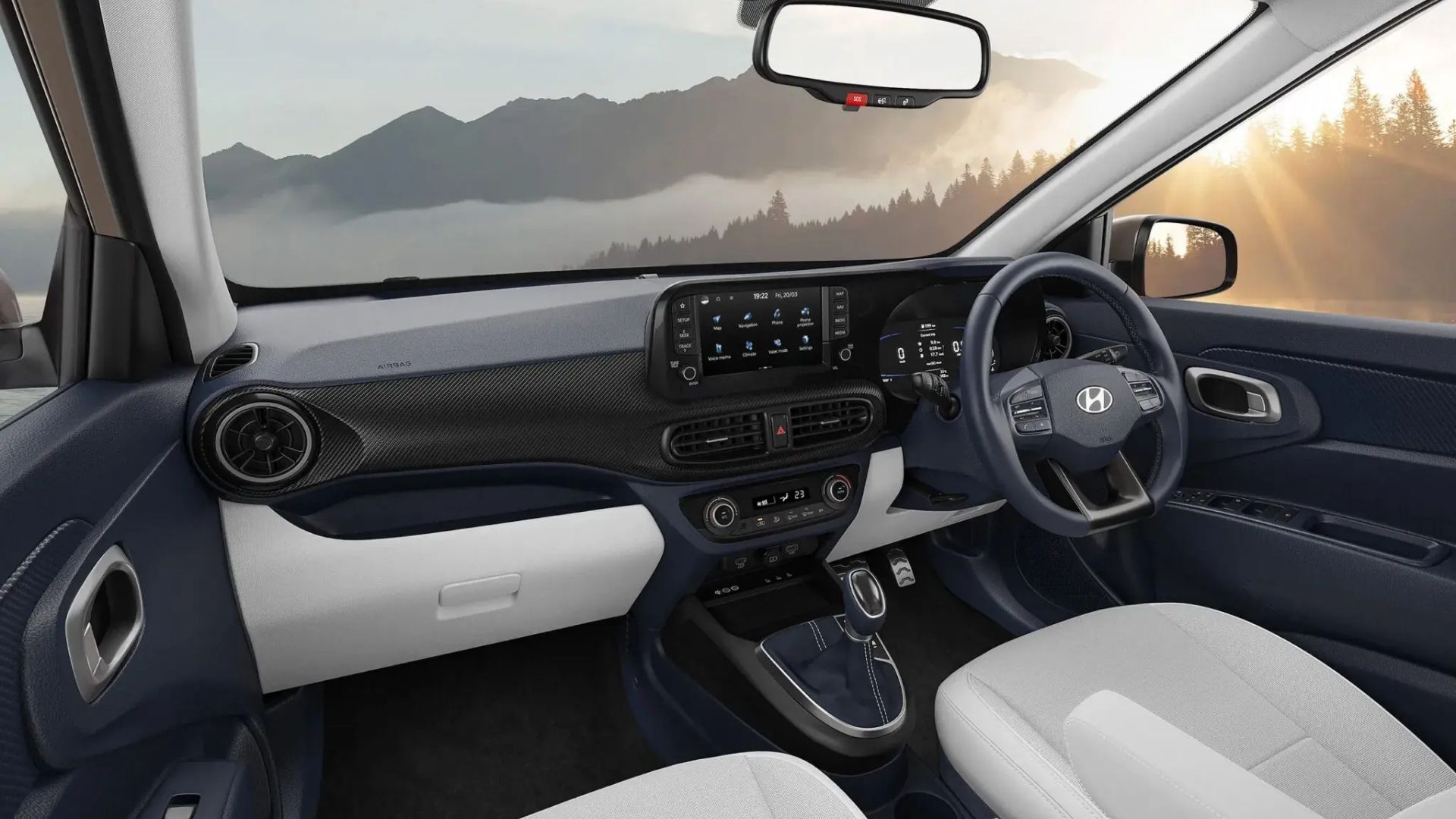
For R$ 32,000, a brand new Hyundai car is a rival to the Kwid with a 1.2 engine producing 82 hp, 6 airbags as standard, multimedia with wireless Android Auto, up to 391 liters in the trunk, and a refreshed look for 2026 in India.
-
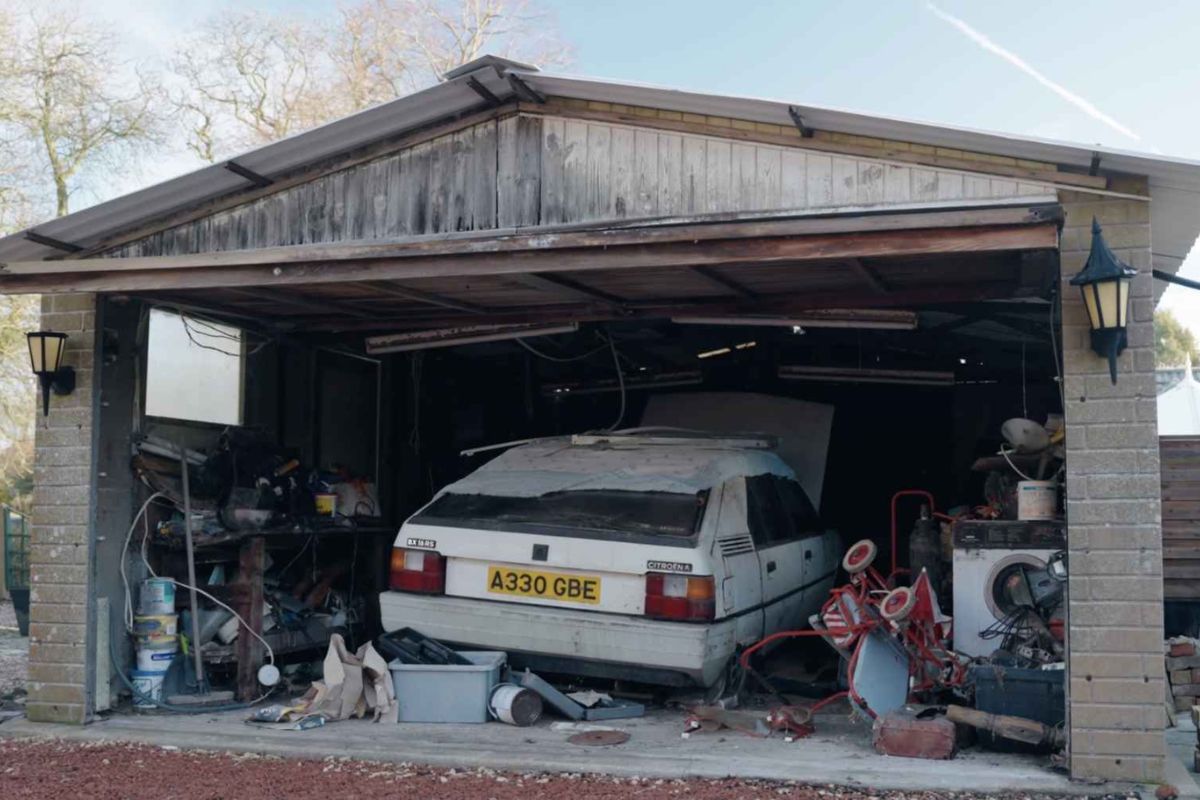
He bought a new car in 1983, locked it in the barn in 1988, and no one opened the door for 38 years until the family discovered what was stored inside and realized it looked like something out of a movie.

Which Models Are Under Scrutiny?

The investigation encompasses several popular Honda and Acura models sold in the U.S. Among them are the Honda Pilot SUV, the Ridgeline pickup truck, and the Odyssey minivan, manufactured between 2016 and 2020. In the case of Acura, the MDX and TDX models also appear on the list.
These vehicles had already been impacted by the crankshaft-related recall, but it seems the issues were deeper than initially thought. The impact? Potentially over 1 million cars.
Technical Issues and Risks
The 3.5 V6 engine, a key component in various Honda models, has faced serious problems in the past. The previous recall was related to inadequate assembly of the crank pin, which caused excessive wear and could even seize the rod. Now, the rod bearings have come into the spotlight, adding another chapter to the saga.
These failures directly affect vehicle safety. Reports indicate that the problem can emerge suddenly, catching drivers off guard. It’s like building a house on an unstable foundation – sooner or later, it collapses.
Measures Taken and What to Expect
Honda hasn’t been idle. The company announced it will conduct detailed inspections and replace engines when necessary. But the lingering question is: why weren’t these new problems identified in the first recall?
Meanwhile, the NHTSA continues its investigation. The goal is to ensure that all owners are informed and receive assistance. This transparency is crucial to restoring consumer trust.
And Brazil?
For Brazilian drivers, the news is a relief: the investigated models were not sold in the country. This means that the local market is safe, at least for now.
Still, there are important lessons here. The case reinforces the importance of well-conducted recalls and rigorous oversight to ensure consumer safety. After all, no one wants to pay a premium for a car that might fail at the most critical moment.
The investigation involving Honda serves as a reminder that even the most renowned brands are subject to mistakes. The situation highlights the importance of swift and effective actions to correct issues and protect consumers. In the meantime, drivers should stay alert for updates and recalls, ensuring their safety and that of their passengers. After all, when it comes to cars, safety is never something to put on the back burner.







Seja o primeiro a reagir!