





 Portuguese
  English
  Spanish
  4 min of reading
  0 comments


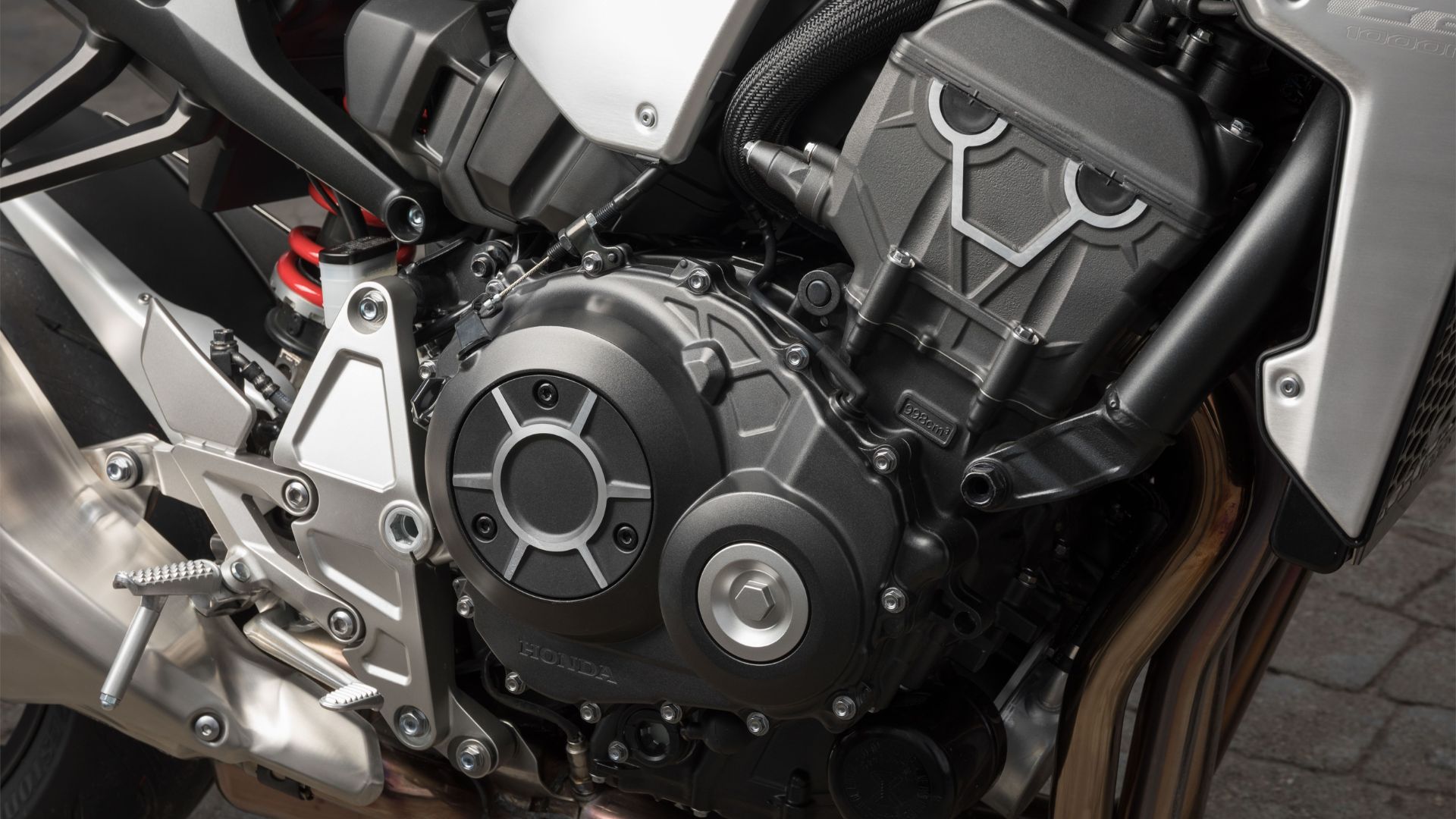
Honda Unveils Two Motorcycles Equipped with a 500 cm³ Inline Four-Cylinder Engine at CIMAMotor 2025. The Return of the Four-Cylinder Engine Revives the Sonorous Tradition and High RPMs That Marked Japanese Sportbikes from Past Decades.
Honda has returned to betting on inline four-cylinder engines by revealing two new motorcycles equipped with a 500 cm³ engine and an estimated 80 hp of power.
The models, presented at the China International Motorcycle Trade Exhibition (CIMAMotor 2025), mark the return of a configuration that became a symbol of Japanese sportbikes in the 1980s and 1990s.
This configuration became famous for its smoothness, high revs, and characteristic sound.
-
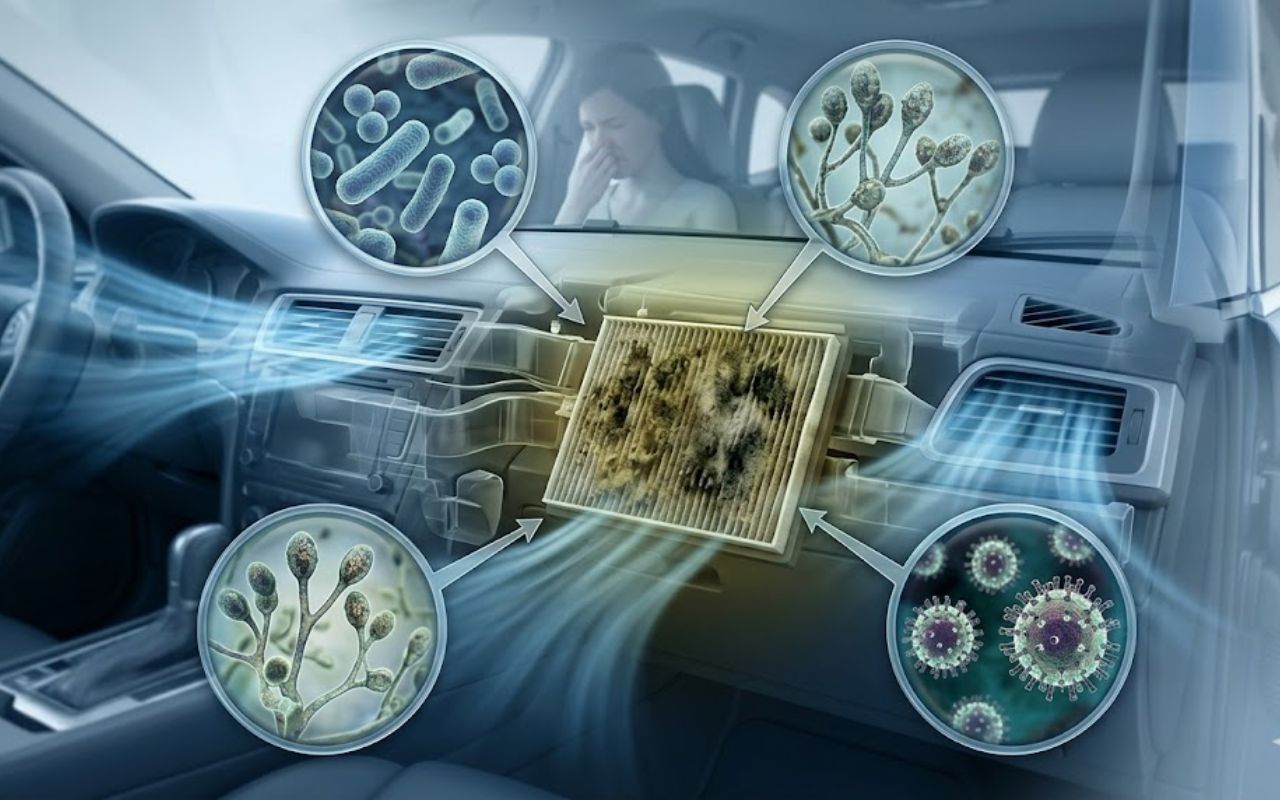
Experts warn: a dirty car air conditioning filter in winter can accumulate fungi and bacteria, causing allergies, fatigue, and even loss of attention while driving.
-
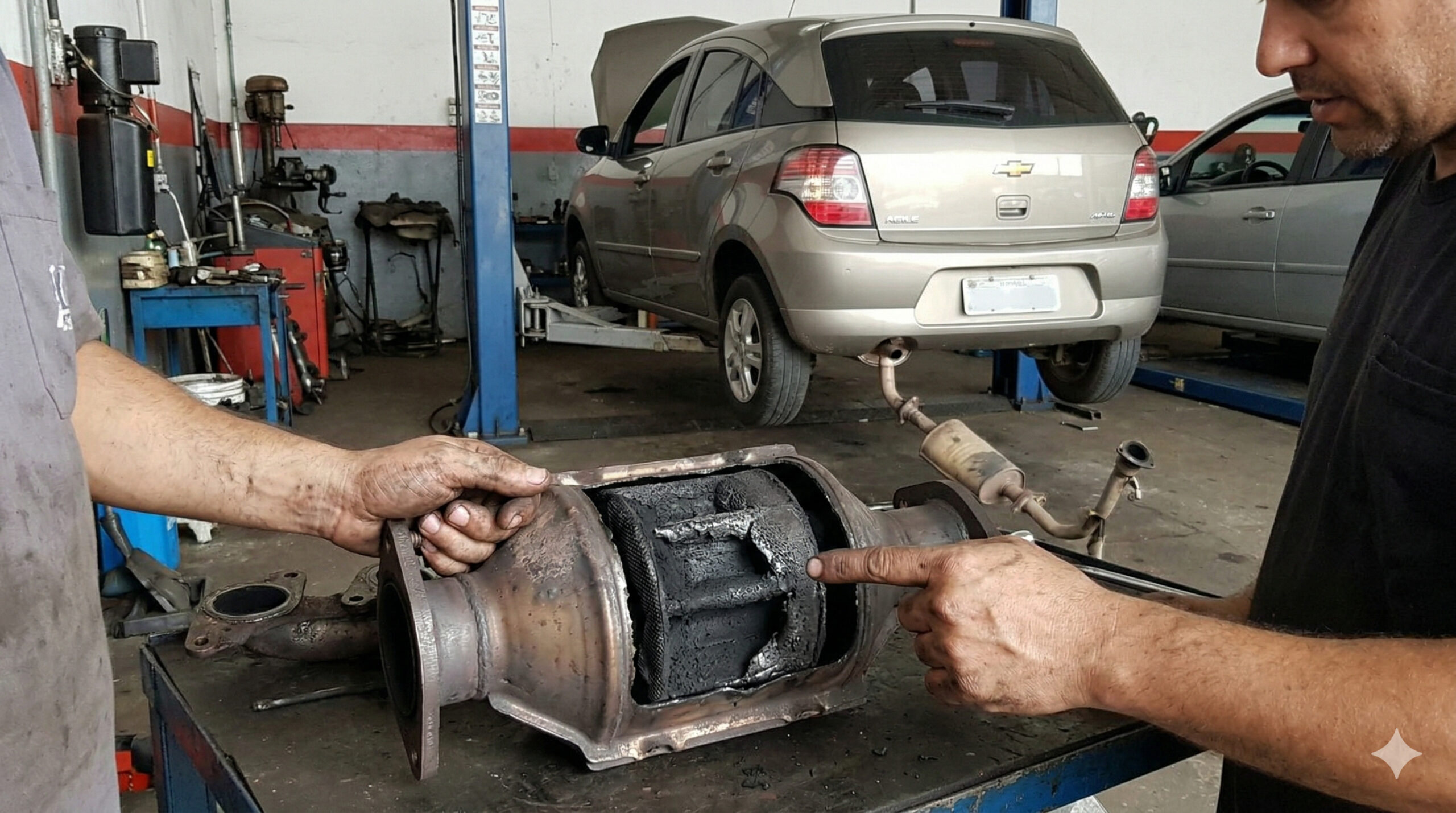
Owners of Chevrolet Agile discover a problem with the catalytic converter that can lead to a bill of up to R$ 4,000, steal engine power, increase fuel consumption, trigger the injection light, and worsen quickly when the first signs are ignored.
-
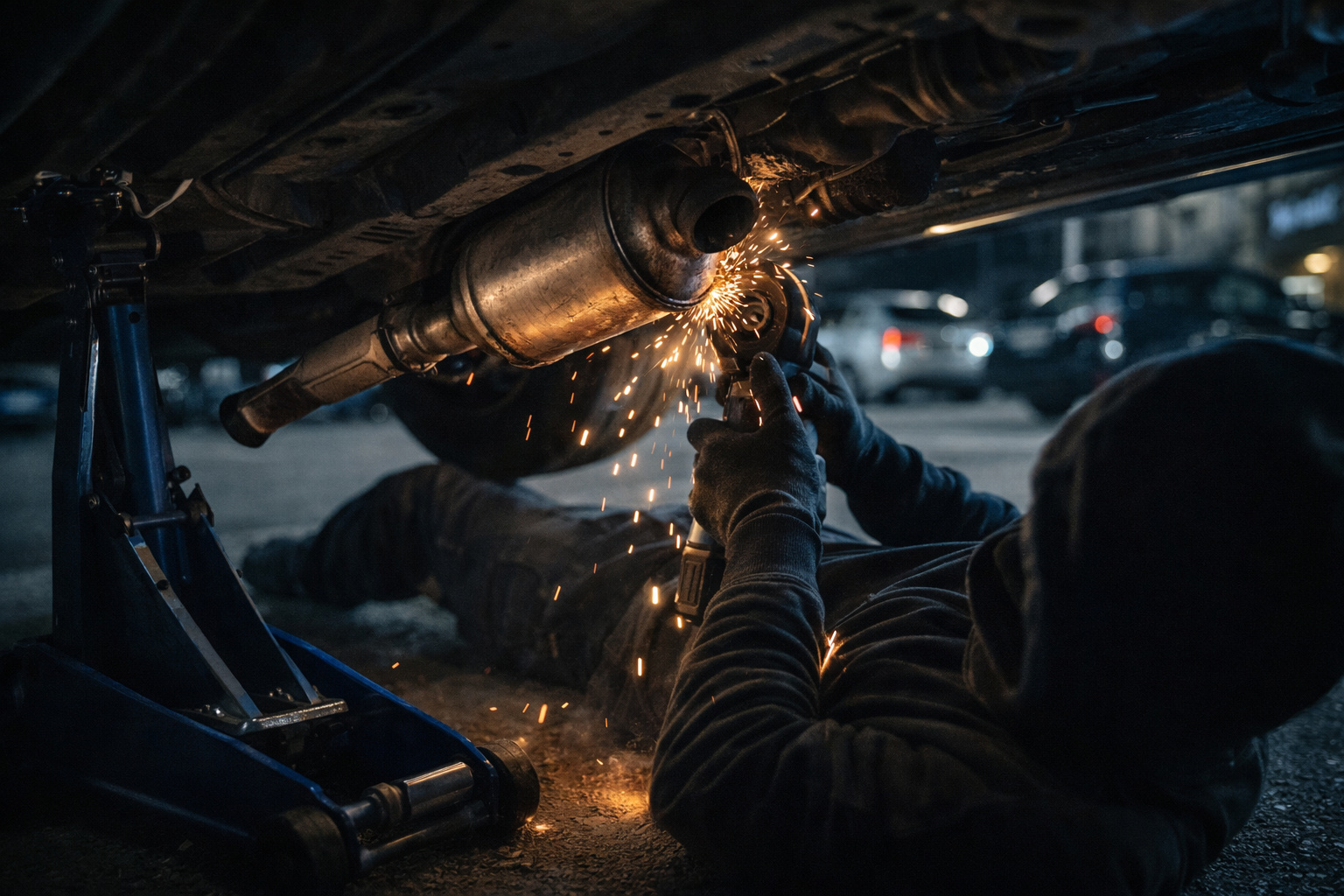
Thefts of catalytic converters are increasing in Brazil, a component that contains platinum, palladium, and rhodium, metals that can be worth more than gold, and can be removed from under a car in less than 2 minutes, causing losses of up to R$ 8,000 and only being noticed when the driver starts the vehicle and hears an extreme noise from the exhaust.
-
Changan launches Nevo Q06 with 800V architecture and 6C ultra-fast charging, AWD option with two rear motors, EV and EREV versions, LiDAR on the roof, and up to 14 different wheels now.
Return of the Four-Cylinder Essence
While a large part of the market has shifted to twin-cylinder engines for cost and maintenance reasons, Honda chose to recapture the unique experience offered by medium four-cylinder engines.
The new liquid-cooled engine was designed to deliver high RPMs, linear operation, and a striking roar, characteristics that directly evoke the iconic CBs and CBRs of the past.
According to estimates released at the show, the power is expected to approach 80 hp, which places the new models on par with the Kawasaki Ninja ZX-4R, the main current reference in this segment.
CB 500 Super Four: Renewed Tradition
The naked CB 500 Super Four 2026 revives the “Super Four” lineage, featuring a four-cylinder engine that contrasts with the predominance of medium-displacement twin-cylinders.
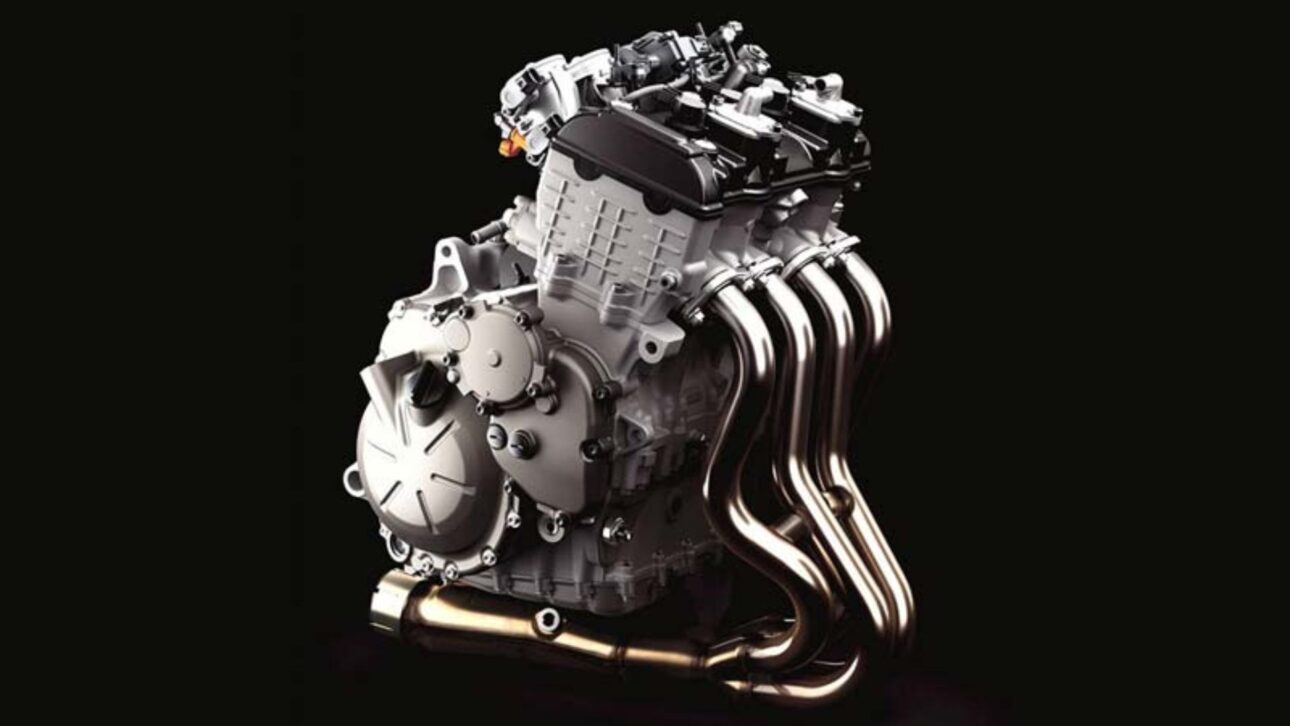
In addition to providing progressive power delivery and smoothness at high RPMs, the 4-in-1 exhaust sound reinforces the nostalgic character of the model.
The design combines a round LED headlight, a digital panel inspired by classic dual gauges, and lines reminiscent of the nakeds from the 1990s.
In the technical setup, the motorcycle features an inverted fork, radial brake calipers, and onboard electronics, including electronic throttle (TBW), riding modes, traction control (HSTC), and the electronic clutch E-Clutch, which allows for automatic or manual use.
CBR 500R Four: Sporty with Classic DNA
The CBR 500R Four 2026 was the surprise of the event.
The sportbike adopts the same four-cylinder engine, now paired with a steel chassis, adjustable suspension, and radial brakes.
The setup prioritizes a balance between urban comfort and sportiness, with less inclined clip-ons and versatile ergonomics.
The 5-inch TFT panel with modern connectivity contrasts with the aesthetic inspired by sportbikes from the late 1990s.
The engine, however, remains the protagonist.
Its high revs and characteristic metallic sound bring back the experience that made the CBR acronym famous.
Four-Cylinder Engine Versus Twin-Cylinders
Honda’s choice to revive a medium four-cylinder goes against the trend of simplification adopted by Japanese manufacturers over the past decades.
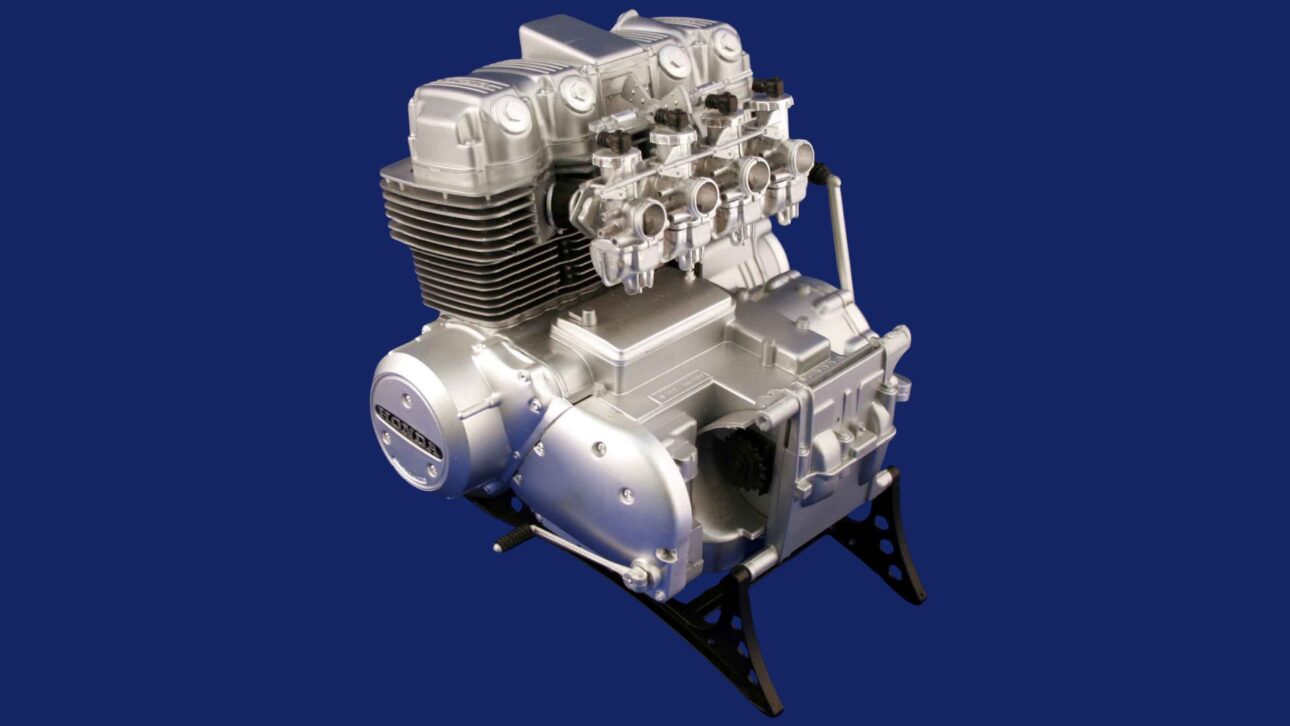
While twin-cylinders offer lower production and maintenance costs, four cylinders deliver greater smoothness, more linear response, and revs capable of reaching much higher ranges.
This difference is particularly felt in the sound, one of the main attractions of the new engine.
Experts describe it as a “sound signature” that evokes the peak of Japanese sportbikes.
This bet aims to explore the emotional factor, captivating both new riders and those who experienced the golden age of four-cylinder motorcycles.
Market Strategy
The models are produced by the joint venture Wuyang-Honda in China, with an initial focus on the Asian market.
However, there is already speculation about the possibility of 400 cm³ versions for markets like Japan and Europe, which have specific restrictions.
If exported to the West, the new CB 500 Super Four and CBR 500R Four could compete with premium medium-displacement models.
This would open the door for a new cycle of “four pots”.
Honda has not disclosed prices or an official timeline for arrival in other countries, but the positive reception at CIMAMotor 2025 indicates strong potential for expansion.
Brand Expansion in China
In addition to the new motorcycles, Honda reinforced its strategy to expand the DreamWing and Honda Dream networks in the Chinese market during the show.
The brand highlighted the importance of the region to introduce models that unite tradition and innovation.
With the return of medium four-cylinder engines, the Japanese manufacturer rekindles the memory of a generation of motorcyclists.
The strategy signals that there is still room for more elaborate engines, even in a landscape dominated by twin-cylinder options. After all, could this be the beginning of a new era for four-cylinder sportbikes?






Seja o primeiro a reagir!