





 Portuguese
  English
  Spanish
  6 min of reading
  0 comments


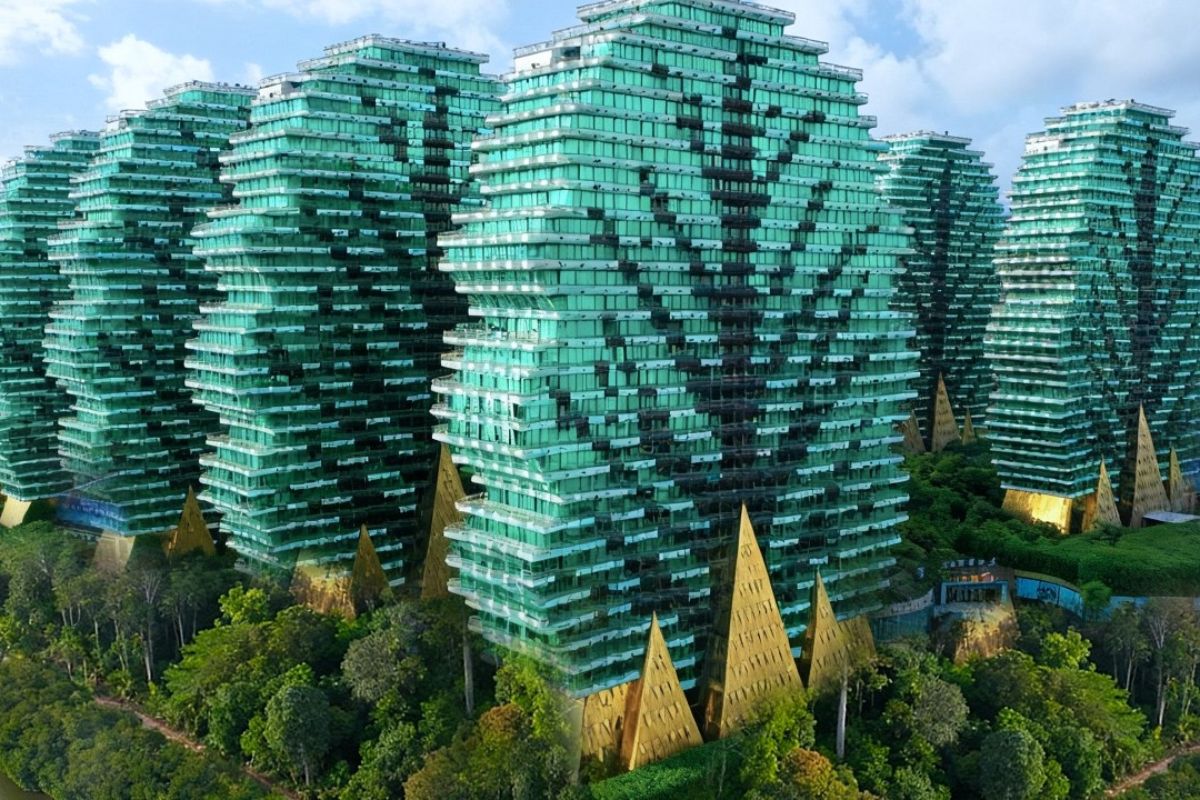
Once Celebrated As A Seven-Star Luxury Chinese Hotel In Sanya China, The Crown Of Beauty Blends A Forest Of Nine Trees, A Rate Of 10 Dollars, Empty Corridors, An Abandoned Commercial Street, And A Silence Of Decay That Reveals The Excesses Of The Real Estate And Tourism Bubble In China In The Last Decades Of Accelerated Growth
Since The 1980s, When The Chinese Economic Reform And Opening Created A Generation Of New Rich Obsessed With Western Aesthetics, Extravagant Architectural Projects Began To Dot The Country’s Map. In Sanya China, On Hainan Island, This Impulse Materialized In A Monumental Chinese Hotel, The Crown Of Beauty, Designed As A Forest Of Nine Trees And Promoted As A Seven-Star Luxury Experience For High-End Tourism.
Nearly Forty Years Later, In The Heart Of The 2020s, The Scenario Is The Opposite: The Complex That Once Symbolized The Meteoric Rise Of The Chinese Elite Now Operates With A 10 Dollar Rate, Minimal Occupancy Rate, And Visible Signs Of Abandonment. The Chinese Hotel That Promised Seven-Star Luxury And A Forest View Of Nine Trees Now Displays Moldy Carpets, Closed Shops, And A Silent Decay That Contrasts With The Official Image Of Prosperity In Sanya China.
From Seven-Star Luxury To An Almost Empty Forest Of Nine Trees

From A Distance, The Crown Of Beauty Complex Still Impresses.
-
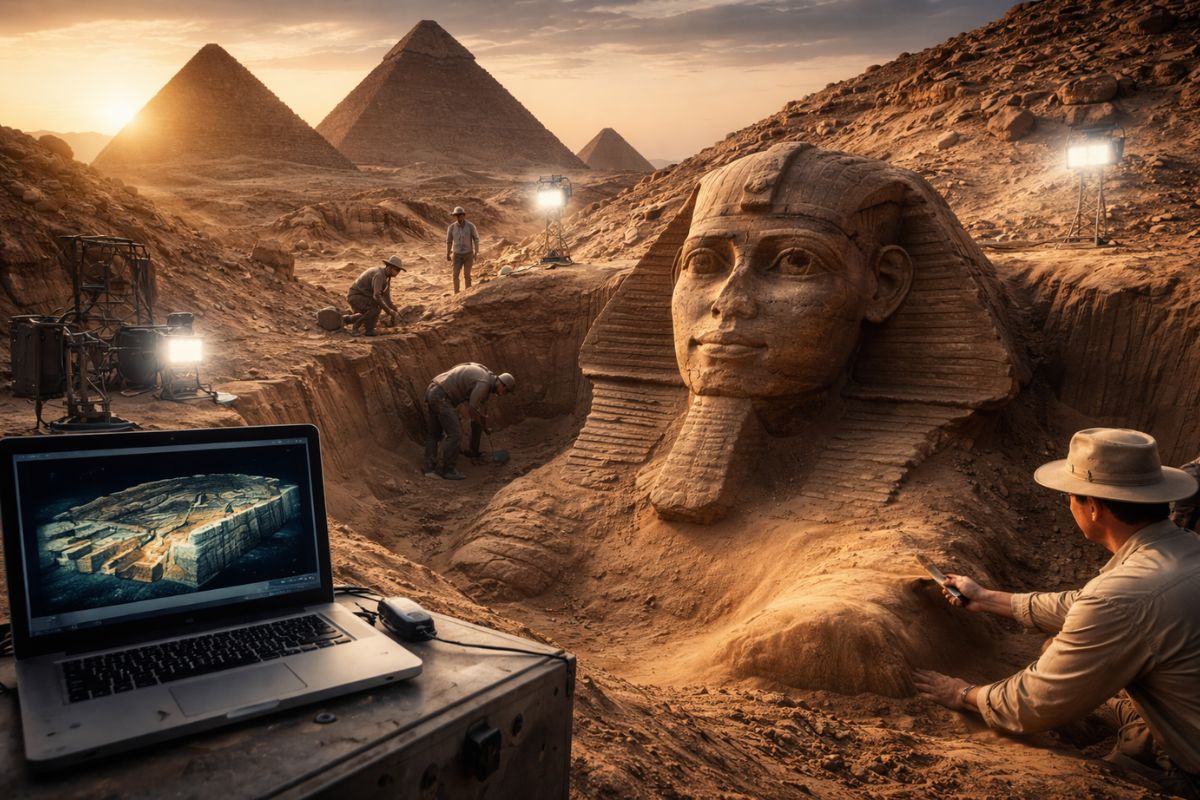
Italian researchers have detected what appears to be a second Sphinx buried under the sands of Egypt, and satellite scans reveal a gigantic underground megastructure hidden beneath the Giza Plateau for over 3,000 years.
-
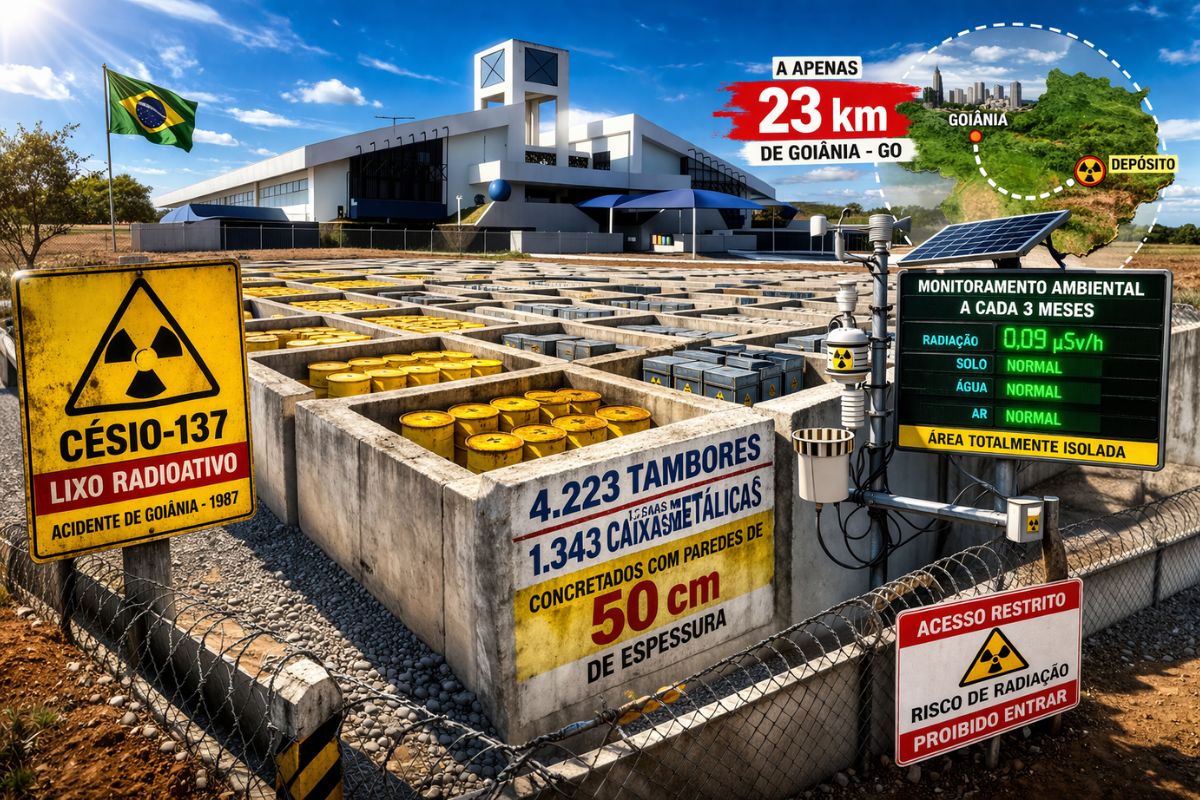
There are 4,223 drums and 1,343 metal boxes concreted with 50-centimeter walls that store the radioactive waste from Cesium-137 in the worst radiological accident in Brazil, just 23 kilometers from Goiânia, with environmental monitoring every three months.
-
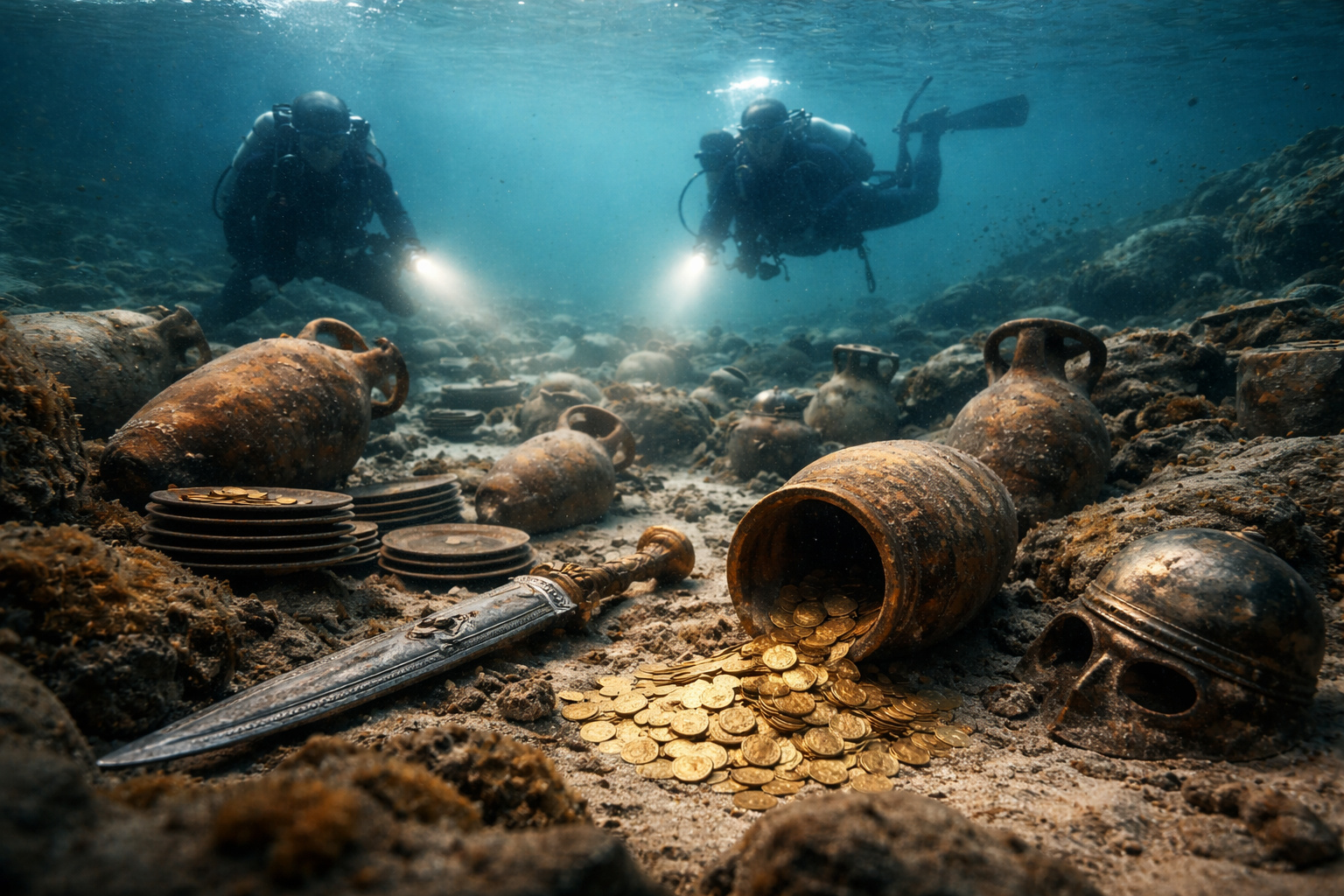
Giant Roman treasure found at the bottom of Lake Neuchâtel in Switzerland reveals an advanced trade system, circulation of goods, and armed escort in the Roman Empire about two thousand years ago.
-
He buried 1,200 old tires in the walls to build his own self-sufficient house in the mountains with glass bottles, rainwater, and an integrated greenhouse.
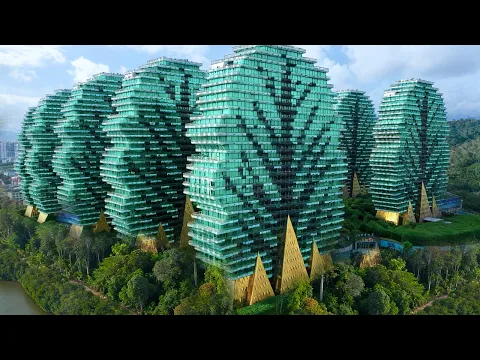
There Are Nine Giant Tree-Shaped Buildings, With Balconies Spreading Like Branches In Successive Layers, Creating The Effect Of A Forest Of Nine Trees Cutting Through The Sky Of Sanya China.
Each Tower Was Designed So That The Perforated Balconies Functioned As Leaves, Creating A Futuristic Mosaic That Transformed The Chinese Hotel Into An Architectural Icon Widely Shared On Social Media.
During The Peak Phase, The Complex Was Presented As A Seven-Star Luxury Hotel, With Sumptuous Interiors, Intense Lighting, And An Ostentatious Combination Of Marble, Gold, And Mirrors.
The Promise Was To Offer Foreign Tourists And The New Local Rich A Unique Visual Experience: To Sleep In A Chinese Hotel That Appeared To Emerge From A Forest Of Nine Trees Suspended Over A Vibrant Commercial Street.
Today, The Contrast Is Visible. The Same Structure That Served As A Postcard Turned Into A Scene Of Emptiness.
The Seven-Star Luxury Brand Remains In the Discourse, But The Everyday Reality Is Of Little Traffic In The Corridors, Dimmed Showcases, And A Silence That Fills The Spaces Where A Crowd Was Once Expected.
A 10 Dollar Rate, Thousands Of Rooms, And A Void Hard To Conceal

Inside, The Crown Of Beauty Reveals Another Type Of Shock. Right After Exiting The Elevator, Visitors Encounter Carpeted Corridors, Supposedly Designed To Reduce Noise, But With A Strong Moldy Smell, Resulting From Years Without Proper Cleaning.
In The Room Booked By The Explorer Who Registered The Experience, The 10 Dollar Rate Is Enough To Guarantee A Spacious Area, A Tidy Bed, And An Overall Acceptable Appearance Of Hygiene, Despite The Old Facilities.
Almost All Rooms Follow The Same Configuration, Multiplied By Thousands Of Units Across The Nine Towers.
The Bed Offering Of The Chinese Hotel Is Gigantic Compared To The Actual Occupancy Rate, Described As Extremely Low During The High Tourist Season In Sanya China.
Instead Of Lines At Check-In, What Is Seen Are Silent Receptions, Elevators Rarely Activated, And Whole Floors With Closed Doors And Lights Turned Off.
The 10 Dollar Rate, Which In Other Times Would Have Been Unthinkable For A Seven-Star Luxury Hotel, Has Become A Survival Strategy To Attract Any Flow Of Guests.
Even So, The Combination Of Poor Transportation, A Drop In Tourist Numbers, And A Change In Consumption Habits Makes It Clear That The Low Price Is Not Enough To Reverse The Image Of A Stagnant Enterprise.
The Chinese Hotel That Was Born To Compete In The Highest Market Segment Now Tries To Fill Rooms With Hostel Rates, Failing To Mask The Scale Of The Emptiness.
Empty Artistic Corridors, Sinister Tunnel, And Abandoned Commercial Street

Outside The Rooms, The Journey Through The Crown Of Beauty Reveals A Sequence Of Spaces Designed To Enchant But Today Reinforce The Sense Of Abandonment.
A Tunnel Housing An Art Gallery Was Conceived As An Artistic Corridor, With Strong Lighting, Decorated Walls, And A Theatrical Atmosphere.
In Practice, Visitors Walk Alone Through A Completely Empty Space, Without A Single Person, In An Atmosphere Described As Sinister And Uncomfortable.
The Commercial Street Located At The Base Of The Forest Of Nine Trees Follows The Same Pattern.
Closed Facades, Empty Windows, Locked Doors, And A Total Absence Of Movement Indicate That The Neighboring Commercial Establishments Have Been Abandoned.
The Main Entrance, Which Was Meant To Function As A Great Urban Portal For The Chinese Hotel, Now Resembles More A Scene From A Ghost Town Than The Entrance To A Seven-Star Luxury Enterprise In Sanya China.
Even The Playground Installed In The Common Area Beneath The Nine Tree-Shaped Towers Helps Tell The Story.
The Toys Appear Clean And Usable, But There Are No Children Playing, Nor Families Wandering.
The Contrast Between The Built Infrastructure And The Absence Of Users Transforms The Complex Into A Silent Portrait Of Excess Supply, Planning Disconnected From Actual Demand, And A Decay That Is Hard To Reverse.
Aesthetic Of The New Rich And Embedded Social Critique In The Chinese Hotel
The Interior Decoration Of The Crown Of Beauty Follows The Aesthetic Described As Typical Of The New Chinese Rich.
Huge Chandeliers, Shiny Materials, Golden Details, And An Attempt To Replicate Western References Comprise Environments That, According To The Account, Exude More Obsession With Money Than Sophistication.
The Chinese Hotel In Sanya China Synthesizes This Visual Language: Everything Is Designed To Appear Expensive, But The Final Result Conveys Weariness, Excess, And A Lack Of Consistent Aesthetic Appeal.
The Backstage Commentary Is Direct: This Aesthetic Is Not An Isolated Case, But A Reflection Of An Accelerated Social Transformation.
After The Economic Reform And Opening, Those Close To Power Were Able To Get Rich Overnight, Jumping From Poverty To Wealth Without Time To Build A Cultural Repertoire Equivalent To The Size Of Their Fortune.
Many Magnates’ Houses, According To The Account, Repeat The Same Pattern Of Decoration As The Chinese Hotel, With Loaded Environments And Poorly Assimilated Western References.
Through This Lens, The Crown Of Beauty Stops Being Just A Mismanaged Enterprise And Becomes An Architectural Symbol Of A Phase In China Where Consumption And Ostentation Were Treated As Substitutes For Urban And Cultural Projecting.
The Forest Of Nine Trees And The Seven-Star Luxury Discourse Conceal, In Practice, A Void That Is Aesthetic, Social, And Economic.
Silent Decay, Sanya China, And The Future Of This Chinese Hotel
The Experience Of Walking Through The Back Of The Complex, Entering Closed Buildings And Finding Everything Very Messy, Reinforces The Sense That Maintenance Has Been Abandoned In Several Areas.
Even Without An Immediate Apparent Risk, The Perception Is That Parts Of The Crown Of Beauty Have Become Stuck In Time, While The Rest Of Sanya China Tries To Follow The Official Route As A High-End Tourist Destination.
In The Short Term, The 10 Dollar Rate And The Attempt To Keep Some Services Running May Keep The Chinese Hotel Technically Open, But They Do Not Answer The Central Question: What Role Will This Forest-Shaped Complex Of Nine Trees Have In A City Competing For Visitors With Beaches, Renovated Resorts, And Experiences More Aligned With The Current Tastes Of The Public?
If Nothing Changes, The Crown Of Beauty Tends To Remain As A Seven-Star Luxury Monument That Became A Living Ruin, A Mix Of Urban Exploration Attraction And A Warning About The Limits Of Real Estate Euphoria.
After Learning The Story Of This Chinese Hotel In Sanya China, That Was Once Seven-Star Luxury And Now Charges A 10 Dollar Rate In The Midst Of An Almost Empty Forest Of Nine Trees, Would You Have The Courage To Stay There Or Would You Prefer To See It Only As A Scene Of Tourist Decay?










-

-

-

4 pessoas reagiram a isso.