





 Portuguese
  English
  Spanish
 6 min of reading
  0 comments


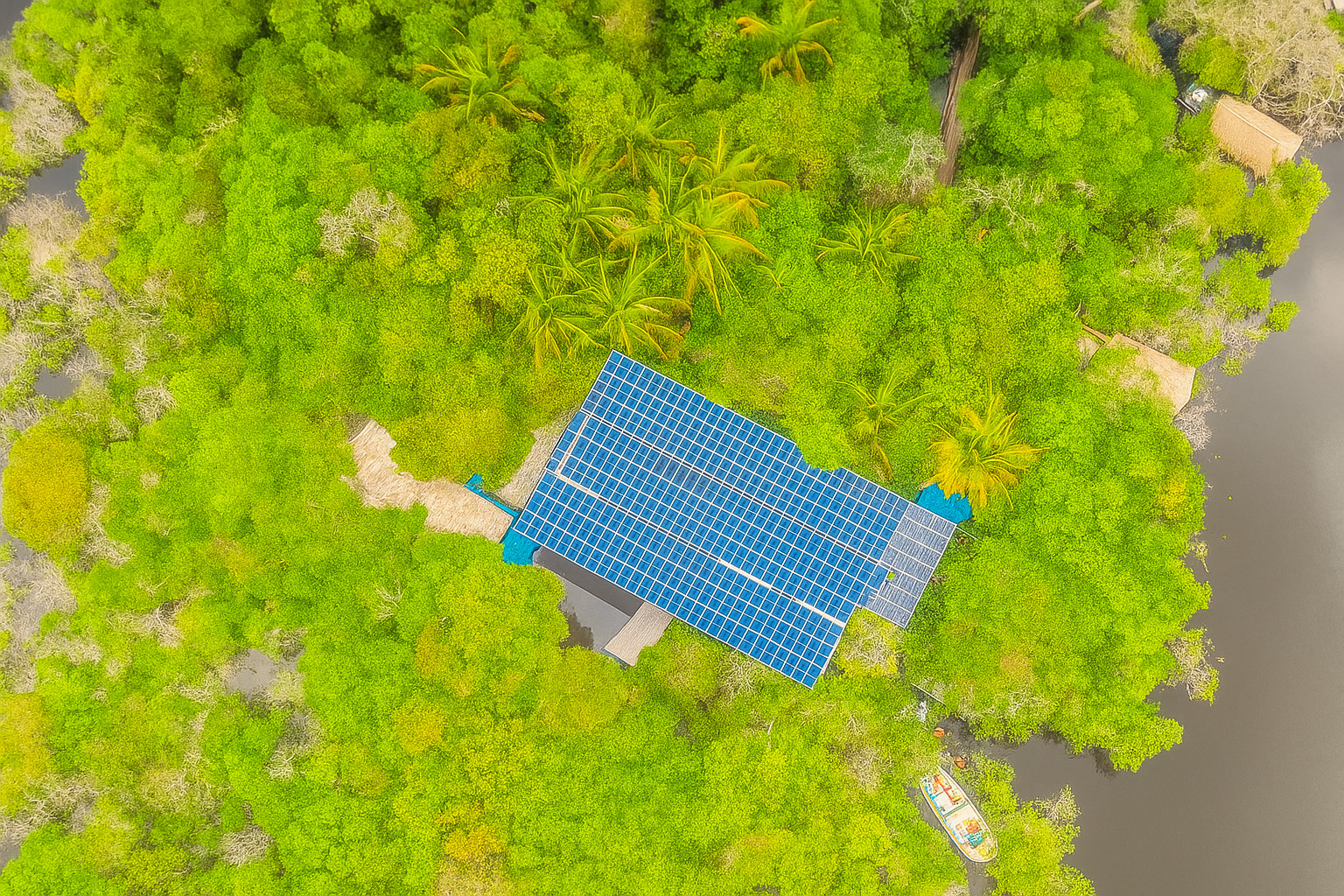
Discover How the Hotel in the Amazon Achieved Energy Autonomy and Sustainability with the Installation of Solar Panels and Modern Storage Systems.
The Amazon is globally known for its unique biodiversity, extensive rivers, and forests that cover millions of hectares. Moreover, throughout history, this region has always presented logistical and environmental challenges for the installation of enterprises, especially those that require reliable energy.
For this reason, the initiative of the Juma Amazon Lodge stands out, as it represents a significant advancement in the way hotels in the region can operate sustainably and autonomously.
Located about 100 kilometers from Manaus, the Hotel in the Amazon faced a complex routine to ensure energy supply. Previously, hotels in remote areas depended on transporting fossil fuels, such as diesel, via river or land to keep generators running.
-
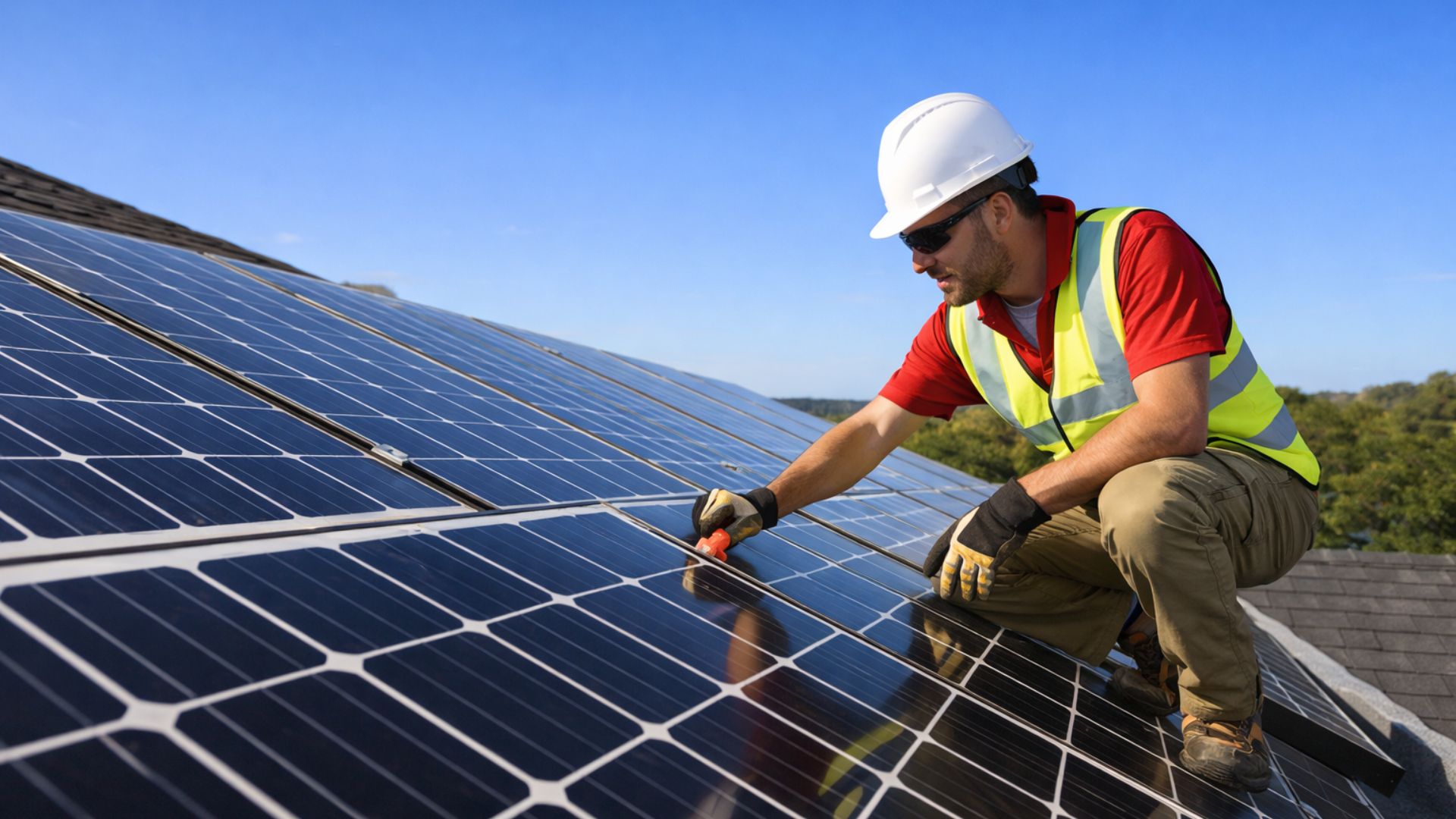
Seagri’s headquarters invests in solar energy with Neoenergia Coelba and promises to cut electricity costs, highlighting a strategic advance in sustainability and energy efficiency within state public administration.
-
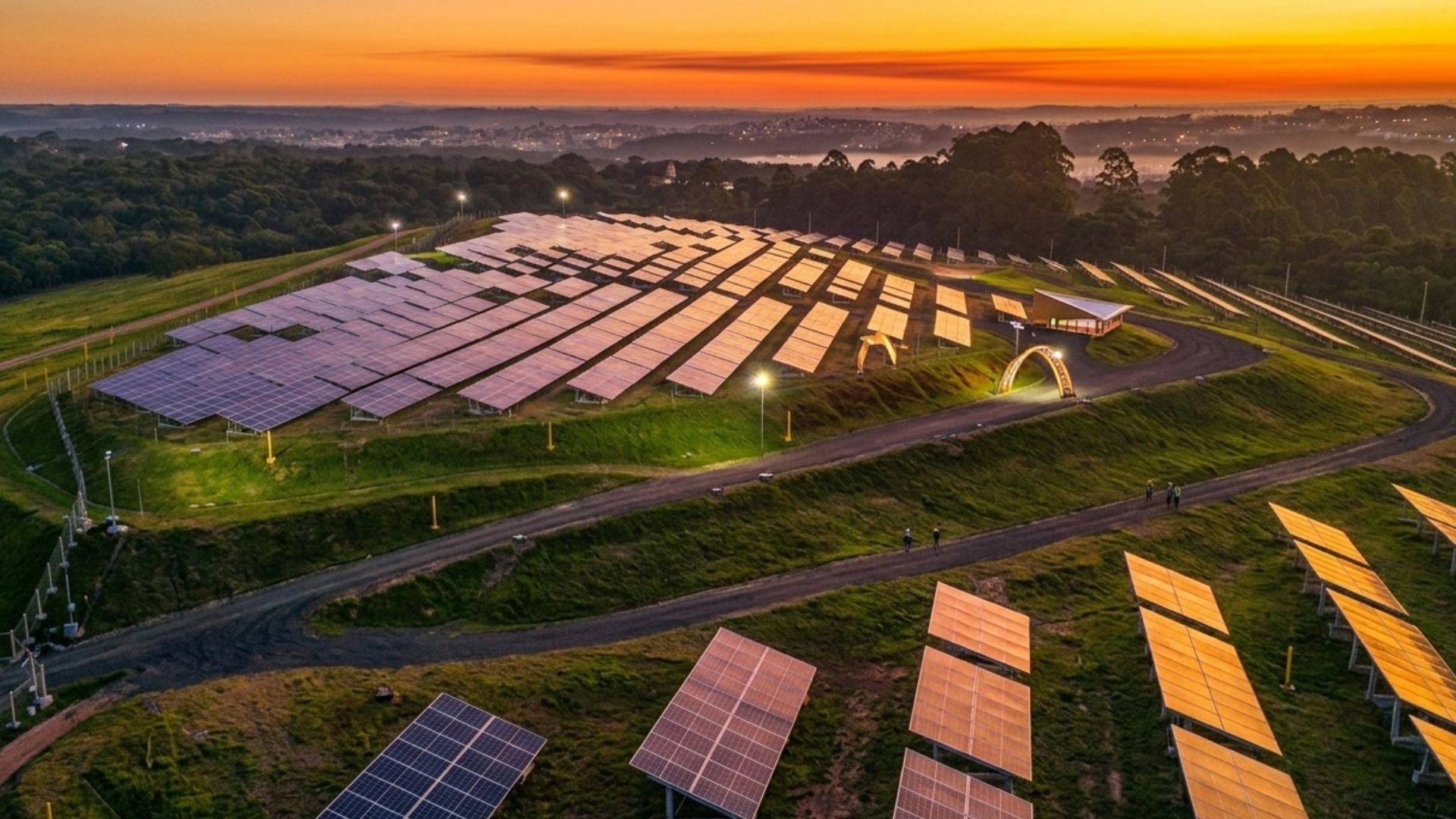
Solar Pyramid draws attention by converting solar energy into million-dollar savings and repositioning the City Hall of Curitiba as an example of innovation, sustainability, and intelligent use of public resources.
-
Europe records strong euro economy with solar energy in March and sparks curiosity about which country leads growth that redefines the energy market and reduces costs.

-
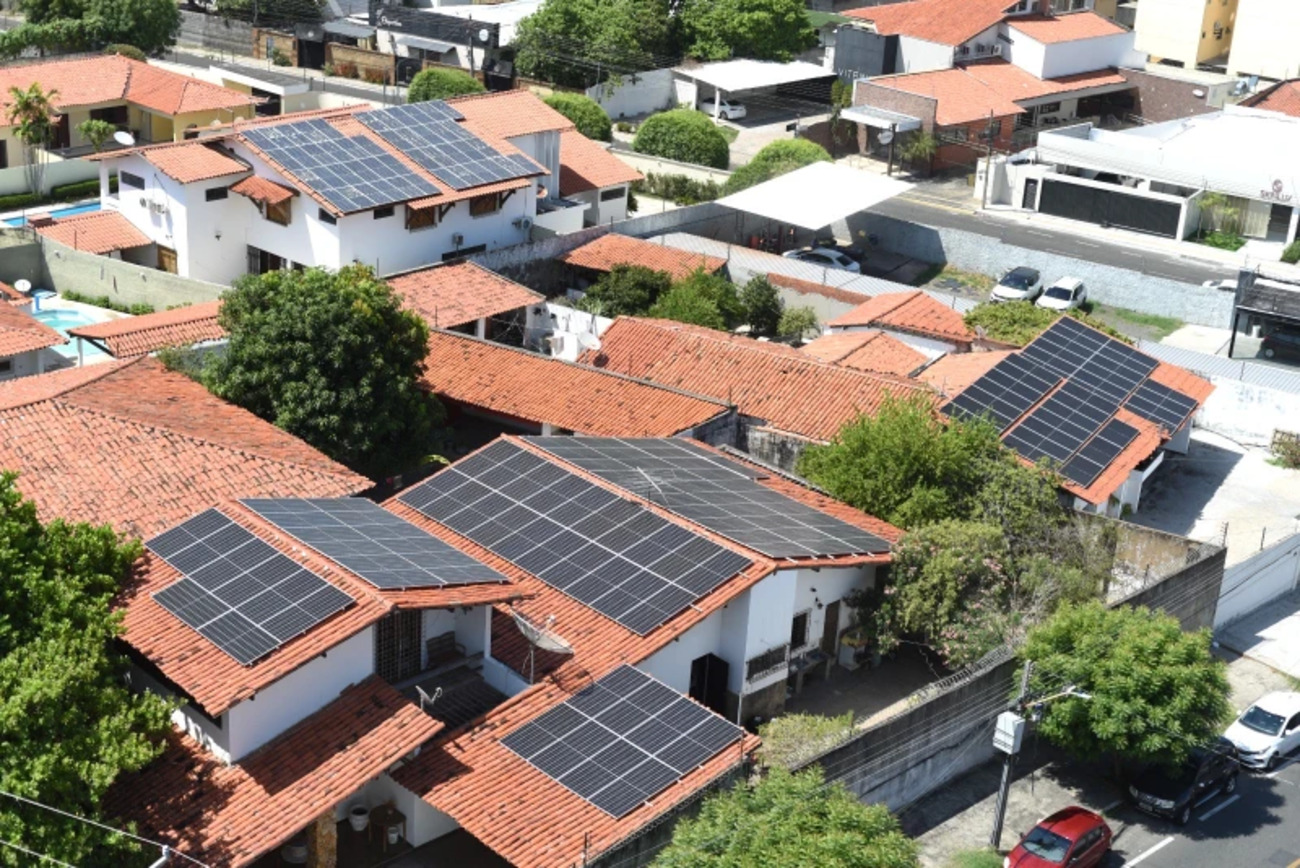
Piauí reaches a historic milestone in energy transition: State records nearly 160,000 households powered by solar energy and leads growth in the Northeast.

This practice not only raised operational costs, but also generated significant environmental impacts, including greenhouse gas emissions and noise pollution, harming both the local wildlife and the visitor experience.
Over time, the need for reliable energy for hotels in the Amazon grew alongside the increase in sustainable tourism and the search for nature-based experiences.
Many enterprises needed to invest large sums just to keep generators active, limiting the viability of smaller projects and local communities looking to develop low-impact tourism activities.
In this sense, the introduction of solar solutions represents a profound change. It allows hotels and lodges to operate in an efficient, sustainable, and economically viable manner.
Technological Innovation and Energy Autonomy
Therefore, with the advancement of solar technology and storage systems, the Juma Hotel adopted an innovative solution: installed a renewable energy microgrid.
This system allows the hotel to operate in a practically autonomous manner, drastically reducing the need for fossil fuels.
Additionally, the decision to invest in solar energy not only saves resources, but also reinforces the commitment to sustainability and the preservation of the surrounding forest.
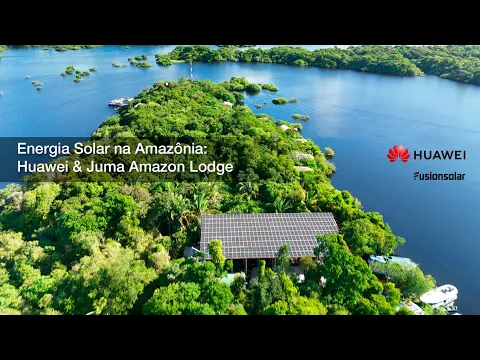
The hotel installed 333 solar panels strategically placed above the tree canopy. In this way, the project demonstrates a special care for the environment, avoiding the need for deforestation and efficiently utilizing sunlight.
Moreover, the hotel uses batteries with a total capacity of 185 kWp, ensuring continuous energy supply, even at night. Only in exceptional situations does the diesel generator come into operation, making the use of fossil fuels almost negligible.
Additionally, the project features SUN2000-75KTL-M2 75 kW inverters, designed to operate at voltage compatible with the Brazilian electrical grid.
Thus, the choice of equipment simplified installation in a hard-to-reach environment and provided greater reliability in energy supply.
To complement operations, the hotel uses LUNA 2000-215-2S10 batteries from Huawei, ensuring 24-hour energy and allowing for continuous operation.
Even more, the project included training and capacity building for the local team to operate and monitor the solar energy system.
This means that the hotel ensures proper maintenance and extends the equipment’s lifespan. Furthermore, it creates professional development opportunities for local residents.
Therefore, by investing in knowledge, the hotel strengthens the community around it and contributes to building a more sustainable local economy.
Historical Context and Energy Transformation
Historically, initiatives like this reflect a significant change in how isolated regions deal with energy. For decades, communities and enterprises in the Amazon relied exclusively on diesel generators, facing high transport costs, complex maintenance, and environmental impacts.
However, the transition to renewable solutions, such as solar energy, represents technological innovation and also social and environmental progress. It promotes greater autonomy and reduces the ecological footprint of operations.
The positive impact of the Hotel in the Amazon goes beyond energy sustainability.
The reduction of noise generated by diesel generators improves the guest experience, who seek to connect with nature, hear the sounds of rivers and birds, and enjoy the tranquility of the location.
Moreover, the decrease in gas emissions helps preserve the local ecosystem, including species of flora and fauna sensitive to pollutants.
Still, another relevant point is the encouragement of research and innovation in the Amazon region.
Projects like that of the Juma Hotel motivate universities, startups, and technology companies to develop specific solutions for hard-to-reach environments. This strengthens the innovation ecosystem and the green economy in the country.
For this reason, the experience gained in a Hotel in the Amazon can be replicated in other remote regions, creating a scalable and sustainable hotel operation model.
Companies like Huawei Digital Power and HDT play a crucial role in this advancement.
The integration of storage systems with solar generation serves not only the hotel sector, but also offers solutions for rural properties, isolated communities, and other areas of the economy that require reliable energy.
According to Leonardo Cyrino, CEO of HDT, “today HDT, together with Huawei, serves not only the off-grid such as the case of the Juma Hotel, but also the agricultural sector with its farms and any sectors of the economy, whether as sales or services.”
Sustainability and Environmental Impact
This vision reflects a larger movement of energy transformation in Brazil, where the expansion of renewable energies allows electricity to reach remote places with limited infrastructure.
The case of the Hotel in the Amazon demonstrates that it is possible to unite technology, environmental preservation, and economic efficiency.
Moreover, the project serves as a reference for future enterprises in isolated regions, showing that clean and reliable energy is feasible even in hard-to-reach locations.
The development of solutions like these also connects to a global trend of sustainability.
More and more, tourists and investors value enterprises that respect the environment and contribute to the conservation of natural areas.
The investment in solar energy at the Juma Hotel represents technological innovation and also a differentiation strategy in the tourism market, offering unique experiences without compromising the Amazon ecosystem.
Furthermore, the experience gained from implementing this project allows similar technologies to serve other sectors.
The integration of solar systems with storage, combined with electric mobility, creates a complete ecosystem, capable of serving hotels, resorts, farms, and small communities.
Renato Mondino, channel manager at Huawei Digital Power, emphasizes that “the Juma Lodge project is the materialization of our philosophy: to develop technology that solves real problems. It proves that it is possible to deliver clean and reliable energy anywhere, with respect for the environment.”
Economic Benefits and Future Projects
The story of the Hotel in the Amazon also highlights the economic potential of renewable energies.
By reducing fuel costs and generator maintenance, the hotel gains greater competitiveness and operational security.
This is especially relevant because the transport of fuels in remote regions is expensive and subject to unforeseen events, and the continuity of energy supply is essential to operate hotels, restaurants, and tourist services.
In addition to financial benefits, the project reinforces the hotel’s commitment to the community and sustainable tourism.
The appreciation of wildlife, flora, and local traditions contributes to a more authentic tourism experience, creating a virtuous cycle of environmental preservation and economic development.
In summary, the Hotel in the Amazon is not only an example of technological innovation, but also a symbol of how sustainability can walk hand in hand with economic and tourism development.
Projects like this encourage other enterprises to adopt renewable solutions, contributing to the preservation of the Amazon and building a more sustainable future.
The combination of energy autonomy, environmental respect, and technological innovation shows that it is possible to transform historical challenges into opportunities for all sectors involved.
The Juma Amazon Lodge is, therefore, a reference for the integration of solar energy in isolated regions, proving that the hotel can operate with clean and reliable energy in the heart of the Amazônia forest.
This case marks an important step in the history of energy transition, inspiring other initiatives aimed at combining technology, sustainability, and economic efficiency.









Seja o primeiro a reagir!