





 Portuguese
  English
  Spanish
  4 min of reading
  0 comments


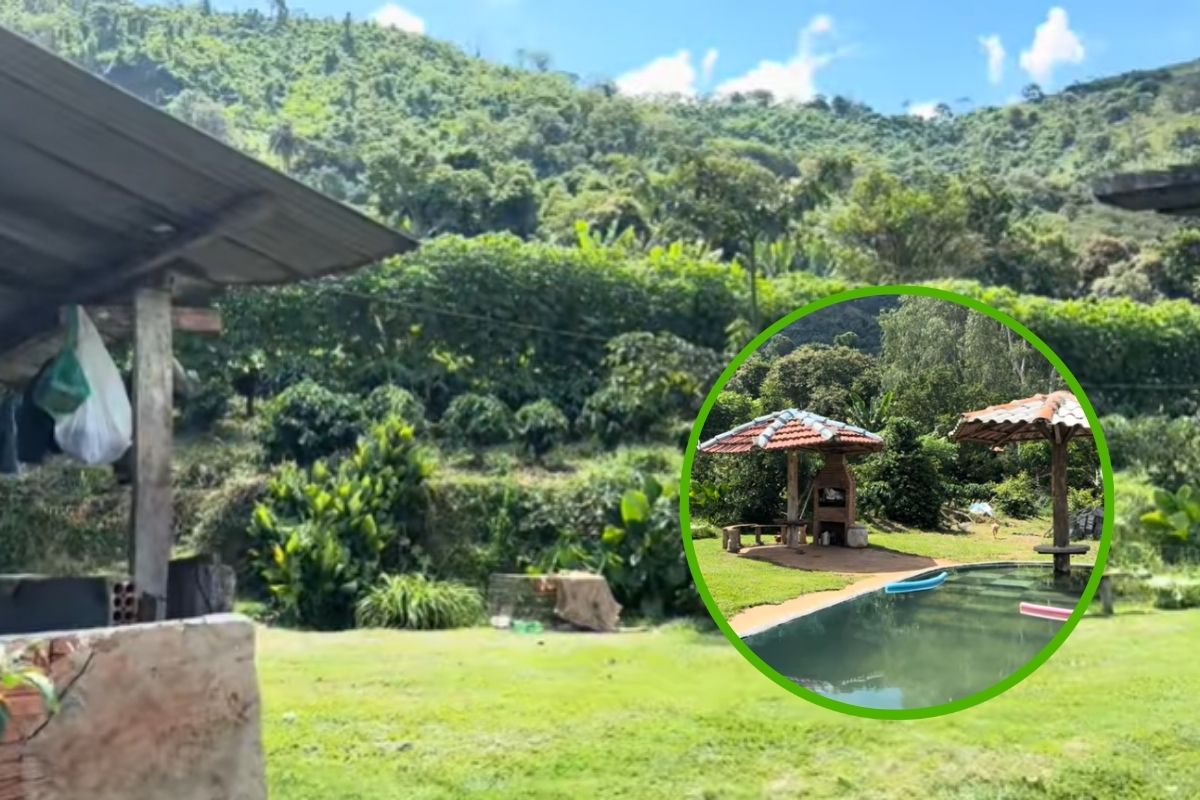
In the completely open house, he says that the cat comes and goes hunting bats and rats, passes by the bed at dawn, and even with the hardships, he insists that there is no prison there
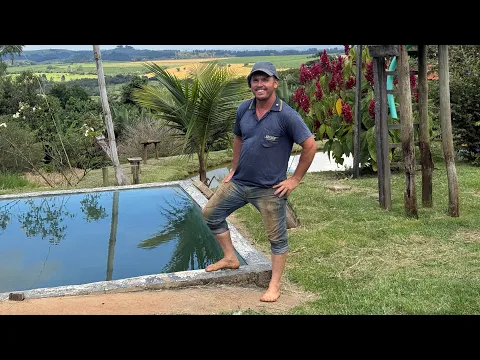
The house has no door, no window, and is completely open at the top of the hill. For the resident, this is not a “construction problem,” but rather a life choice. He says he likes the idea of being free, without locks, without constant fear, and without the feeling of being trapped inside closed walls. It’s a routine that scares those who see it from the outside, but he treats it as normal.
However, living in this house also has very concrete consequences. He says that the cat comes and goes at any time, hunting bats and rats, and that when it rains, he sometimes wakes up with wet feet. Even so, the resident repeats that living where he likes cannot be bought with money, and that freedom, for him, is worth more than traditional comfort.
A completely open house and the logic of “not imprisoning”
The first thing that stands out is the total absence of barriers. The house is open, and the resident does not try to hide this. He sees the lack of door and window as a symbol of the way he lives: without locks, without strict rules, without the need to “close the world to be able to sleep.”
-
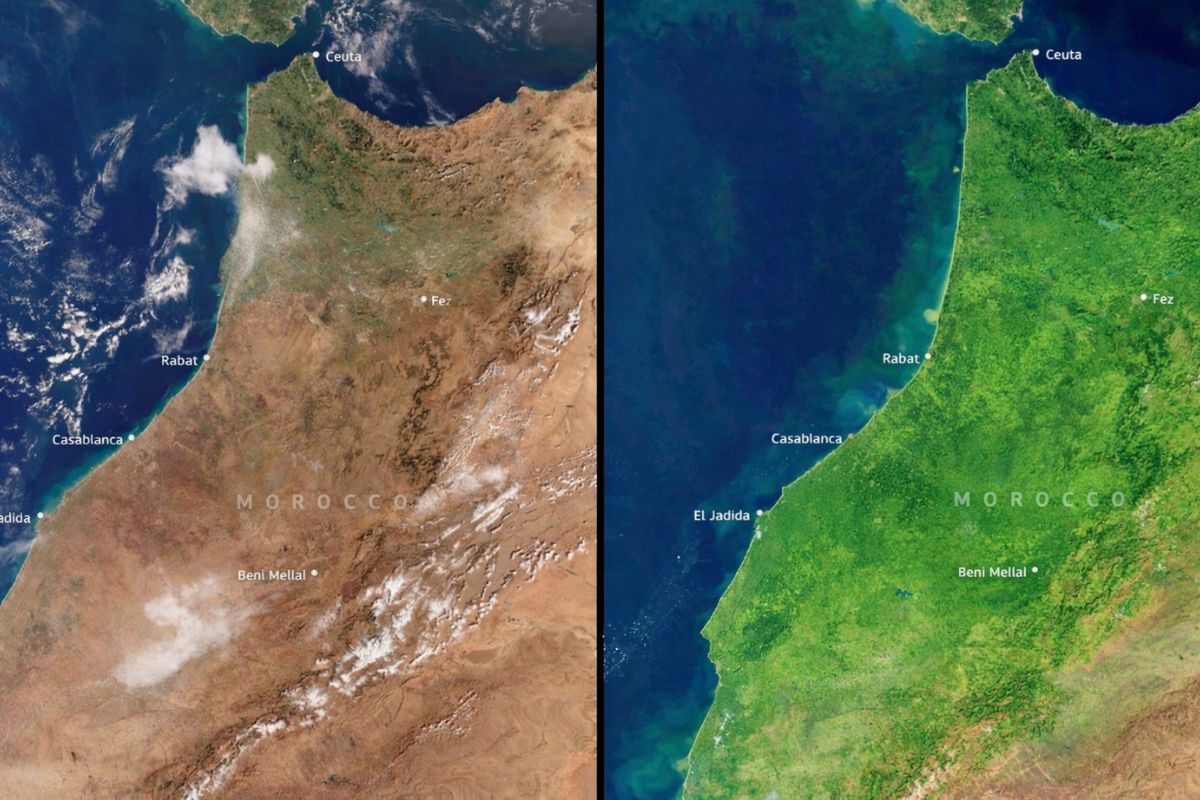
Satellite images show that Morocco became so green in 2026 that the country looks different from space: two months of heavy rains transformed arid land into dense vegetation for the first time in a decade.
-
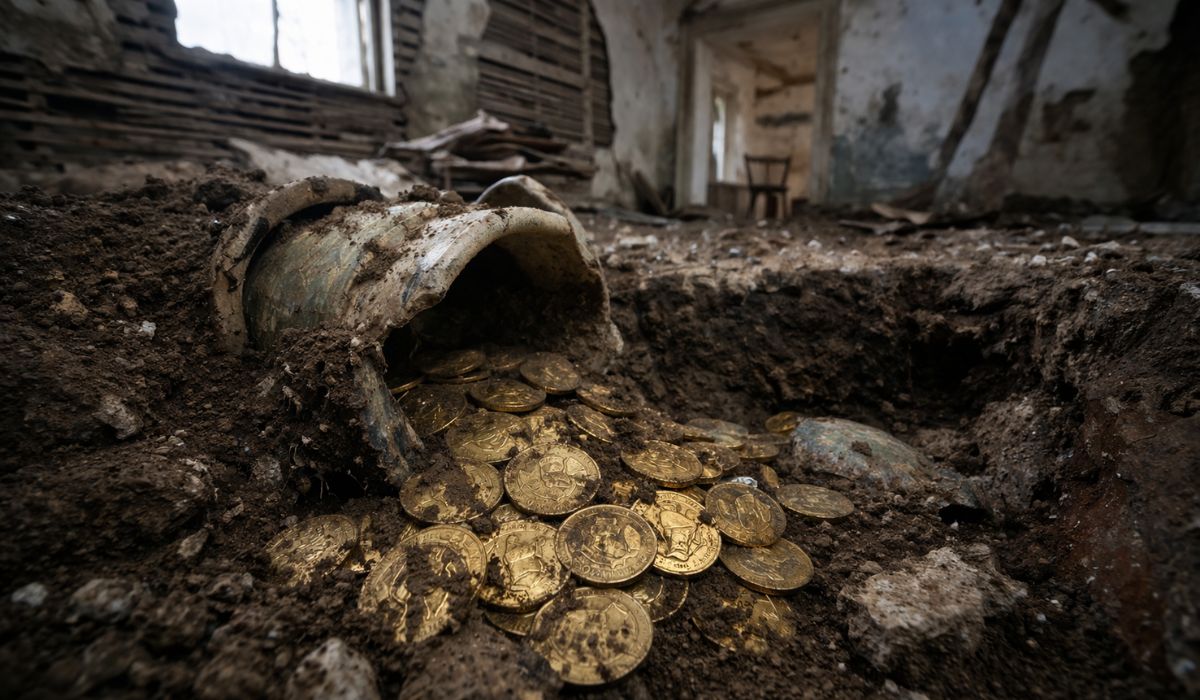
Archaeologists were excavating the foundation of a historic house in Russia when they discovered a buried treasure with gold coins, left behind in the final days of the Russian Empire and now valued at over R$ 2.8 million.
-
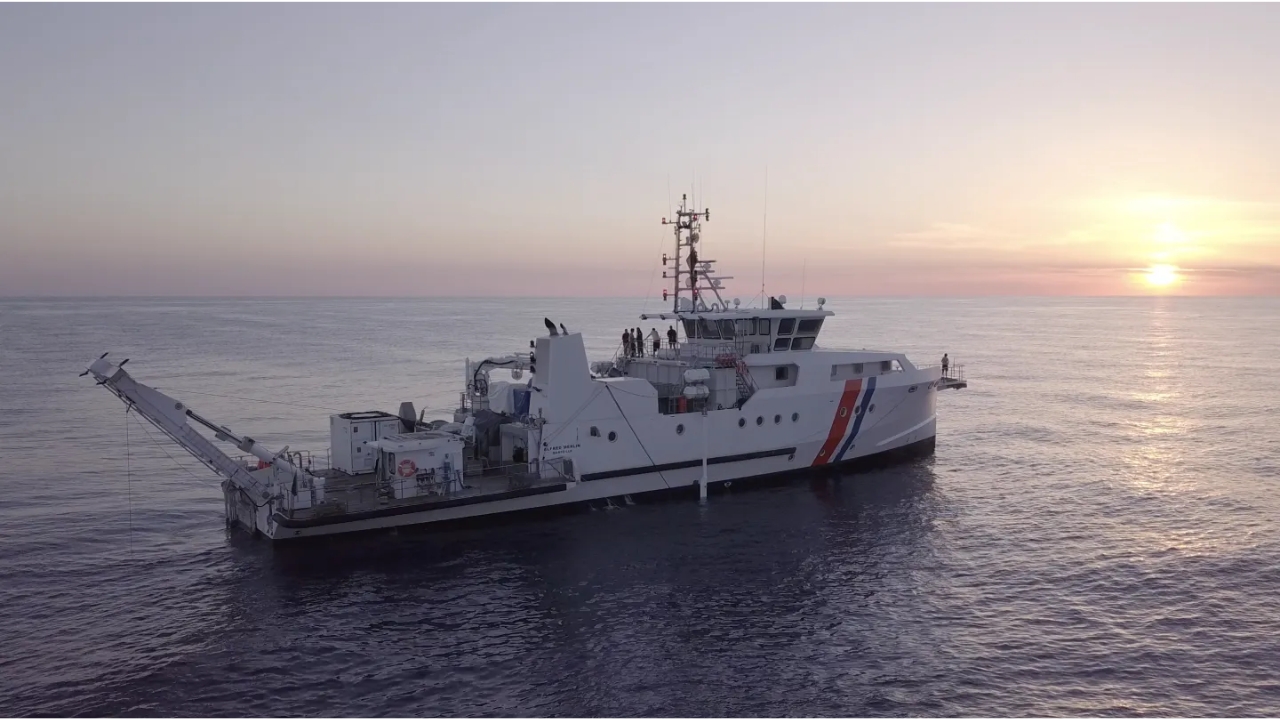
The Mediterranean has become the target of the largest underwater archaeological mission ever coordinated by UNESCO: eight countries have joined forces to map shipwrecks and protect a historic corridor.
-
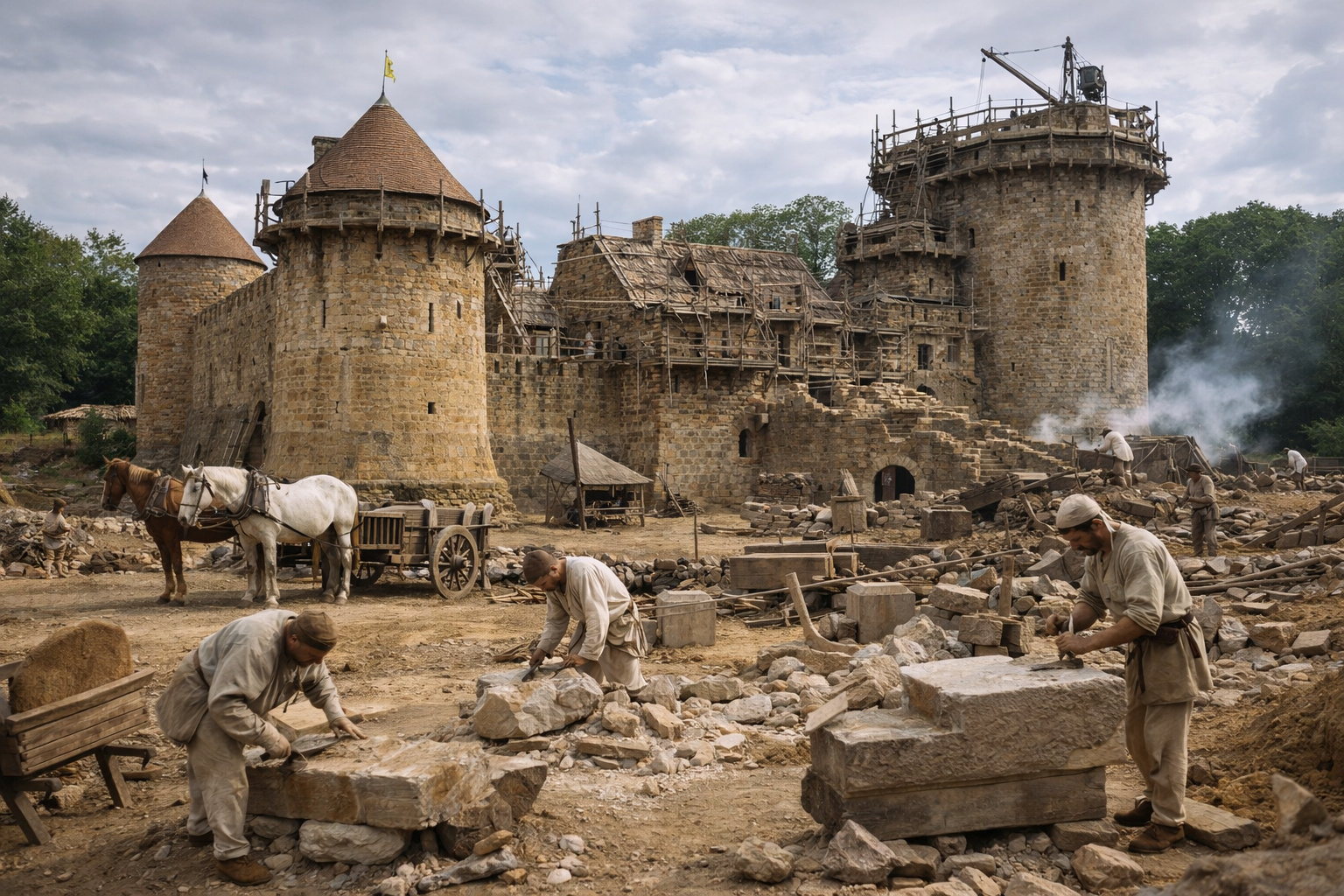
In France, a group of artisans spends 28 years building a medieval castle with 13th-century tools, without machines, without measuring tapes, and with almost zero carbon footprint, and the rediscovered techniques helped in the reconstruction of Notre-Dame.

For him, the idea of locking everything up is akin to imprisonment. The view is simple: if the place is what he likes, then he prefers to keep the space open, even if that means dealing with situations that, for other people, would be unthinkable.
The most direct hardship: rain and wet feet
The strongest account comes when he talks about the rain. Without closure, the house does not fully protect from the weather, and he admits that when it rains, he wakes up with wet feet.
This reveals what this life has of real: it’s not just beautiful talk about freedom. There is discomfort. The difference is that he accepts this discomfort as part of the package, as if it were the natural price of living where he feels good.
The cat as the “owner” of the house during the night

Another detail that defines the routine is the behavior of the cat. The resident says that the animal comes and goes several times, hunting bats and rats, and that it walks over the bed at night.
In practice, the house becomes a space where the boundary between the domestic and the wild is much smaller. The animal moves around as if the place were his too. For someone living in the city, this sounds like chaos. For him, it’s part of everyday life.
Barefoot by choice and by cost
The resident also explains that he prefers to walk barefoot and uses this as an argument for a simple life. For him, boots are expensive, and the foot “recovers,” while spending on footwear weighs more.
This statement shows how the open house aligns with a lifestyle based on adaptation. He chooses solutions that fit his reality, without relying on expensive comfort or urban standards.
“Everyone has problems”: the philosophy behind the way of living
His discourse goes beyond housing. He says that everyone has problems and that it’s an illusion to think that the neighbor lives better. For him, the path is to like oneself and live in a way that makes sense, even if it seems strange to others.
In this context, the house without a door and window is not just a place. It becomes the concrete proof of this philosophy, as if it were the symbol of a life that chooses freedom and acceptance of hardship instead of conventional security and comfort.
Living far from the city to forget about the bills
The resident makes it clear that he does not like the city and prefers the countryside. He treats the place where he lives as a space to forget about bills and escape from a routine that, in his view, suffocates.
The house appears as a refuge. Simple, open, full of challenges, but connected to what he calls real life. Even while working and doing services when needed, he gives the impression that the goal is to survive peacefully, not to chase status.
The shock of those who see from the outside and the choice of those who live inside

For those observing from the outside, living in such an open house may seem insecure, uncomfortable, and even dangerous. For him, it’s the opposite: it’s light, it’s free, it’s the way he found to live how he likes.
At the same time, the very story shows that this freedom has a cost. Rain coming in, restless nights, cat hunting and roaming, constant adaptations. He only stays there because, for him, this exchange is worth it.
Could you live in a house like this, without a door and without a window, to experience this “free life,” or would that be too much hardship for you?



Seja o primeiro a reagir!