





 Portuguese
  English
  Spanish
  7 min of reading
  0 comments


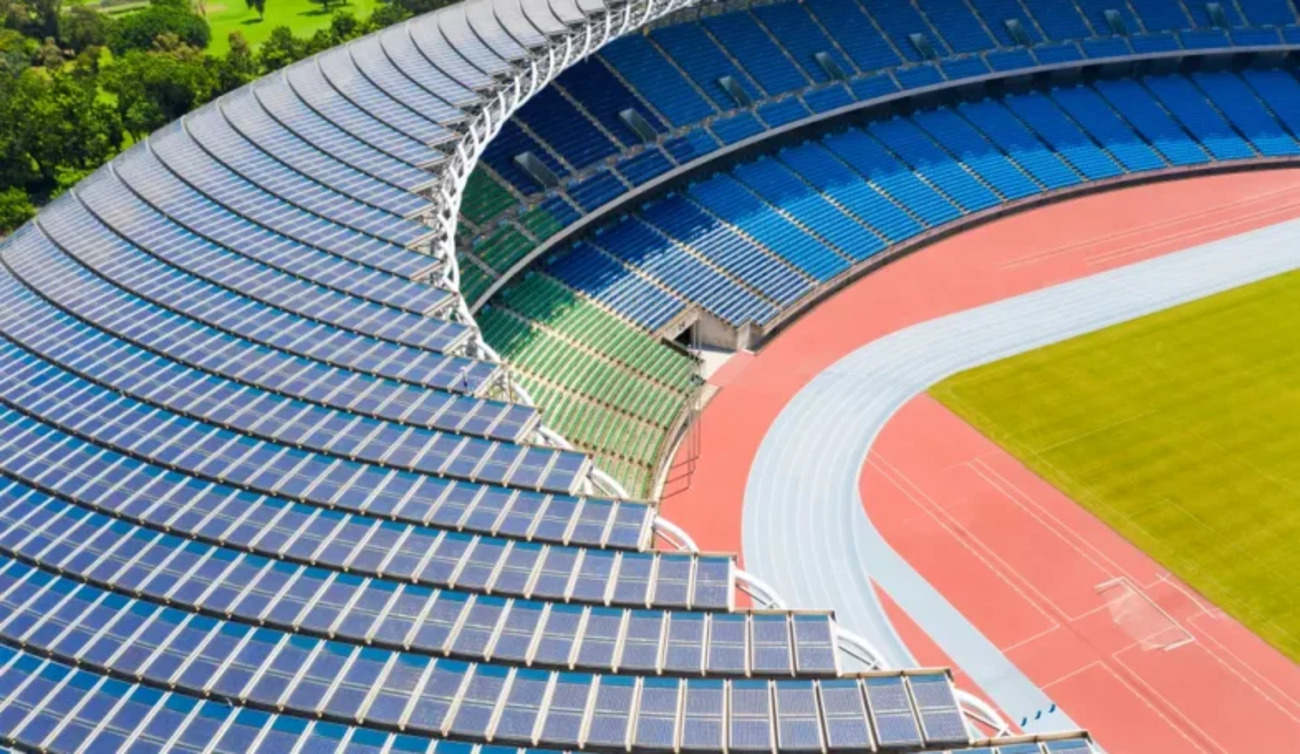
The tournament organizers implement low-carbon solutions and use renewable energy at the World Cup to power stadiums and transport centers in the United States, Mexico, and Canada.
The next edition of the World Football Tournament marks a turning point in the history of the sport by adopting renewable energy at the World Cup as the basis for its logistical and energy operations.
The three host countries, the United States, Mexico, and Canada, integrate cutting-edge technologies to reduce the carbon footprint of an event that moves millions of fans across continental borders.
For the first time, the organization prioritizes the use of solar and wind sources, as well as large-scale battery storage, to meet the massive demand of stadiums and broadcasting infrastructures. This decision responds to global pressure for more sustainable events and seeks to neutralize the emissions generated by the long distances between host cities.
-
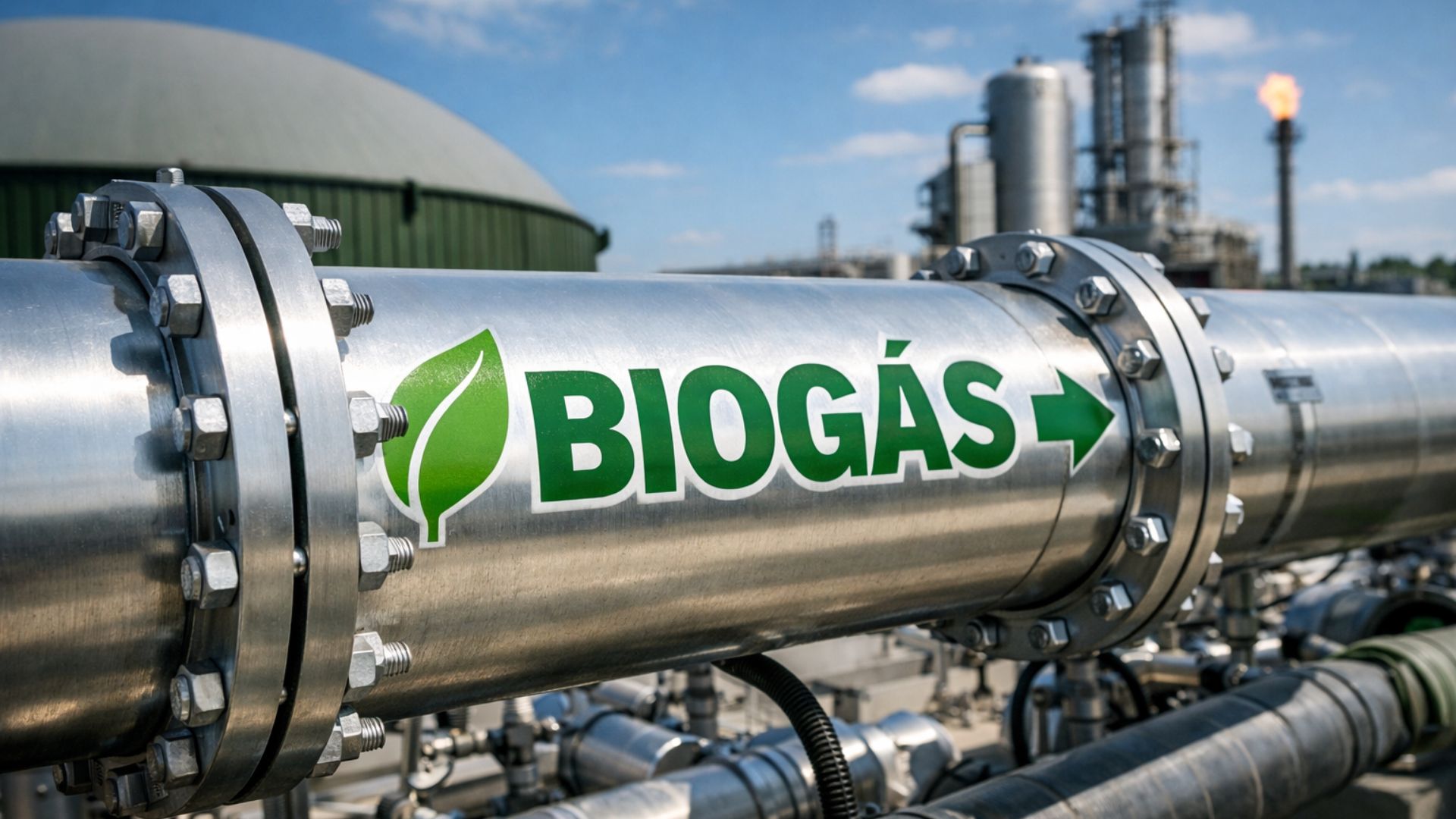
The Cagece and UFC project advances in sustainable innovation with biogas by converting waste into renewable energy, reducing environmental impacts, and increasing sanitation efficiency with concrete and measurable results.
-
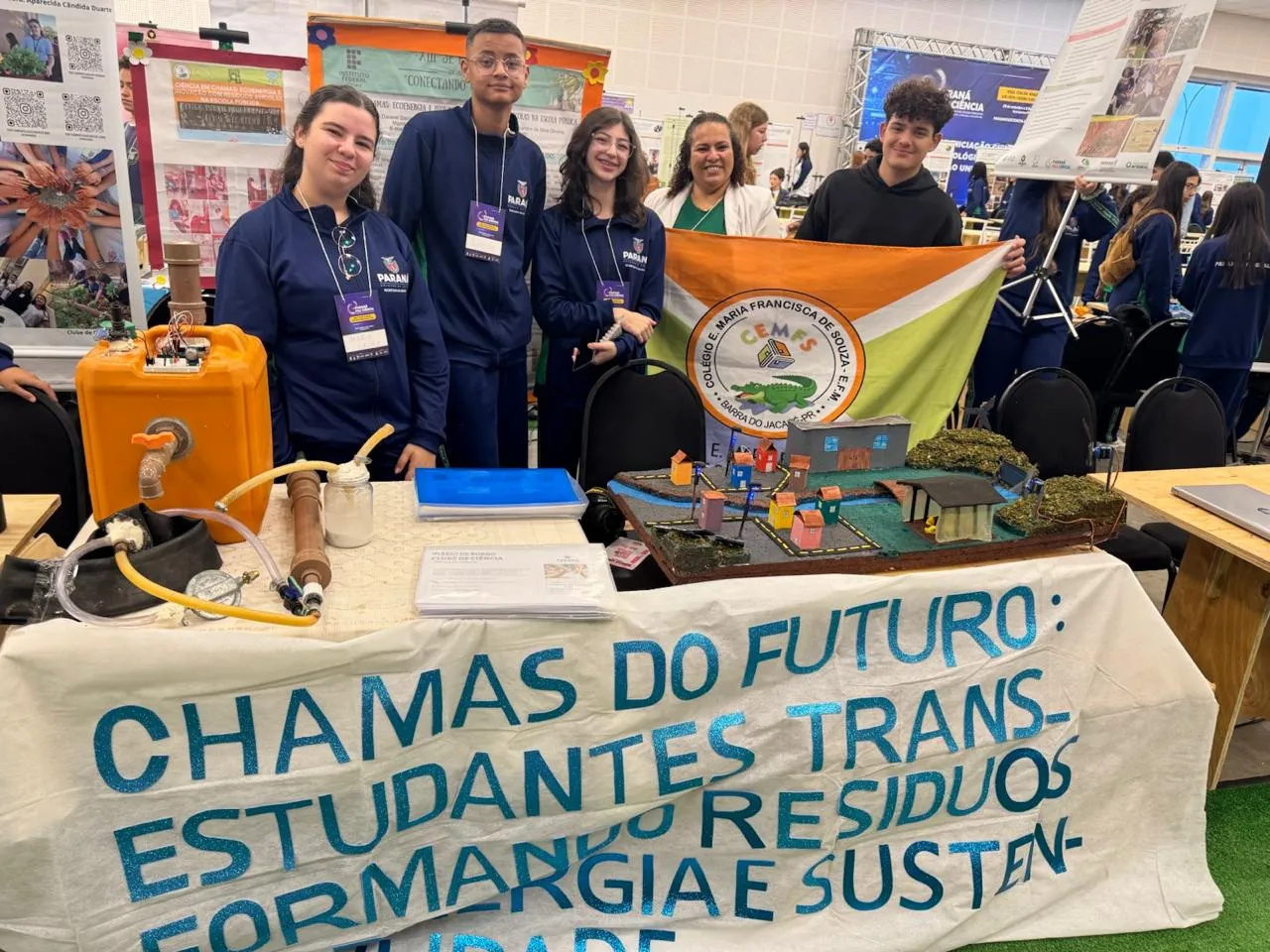
Paranaense students develop a system that transforms farm waste into clean energy and revolutionizes sustainable agribusiness.
-
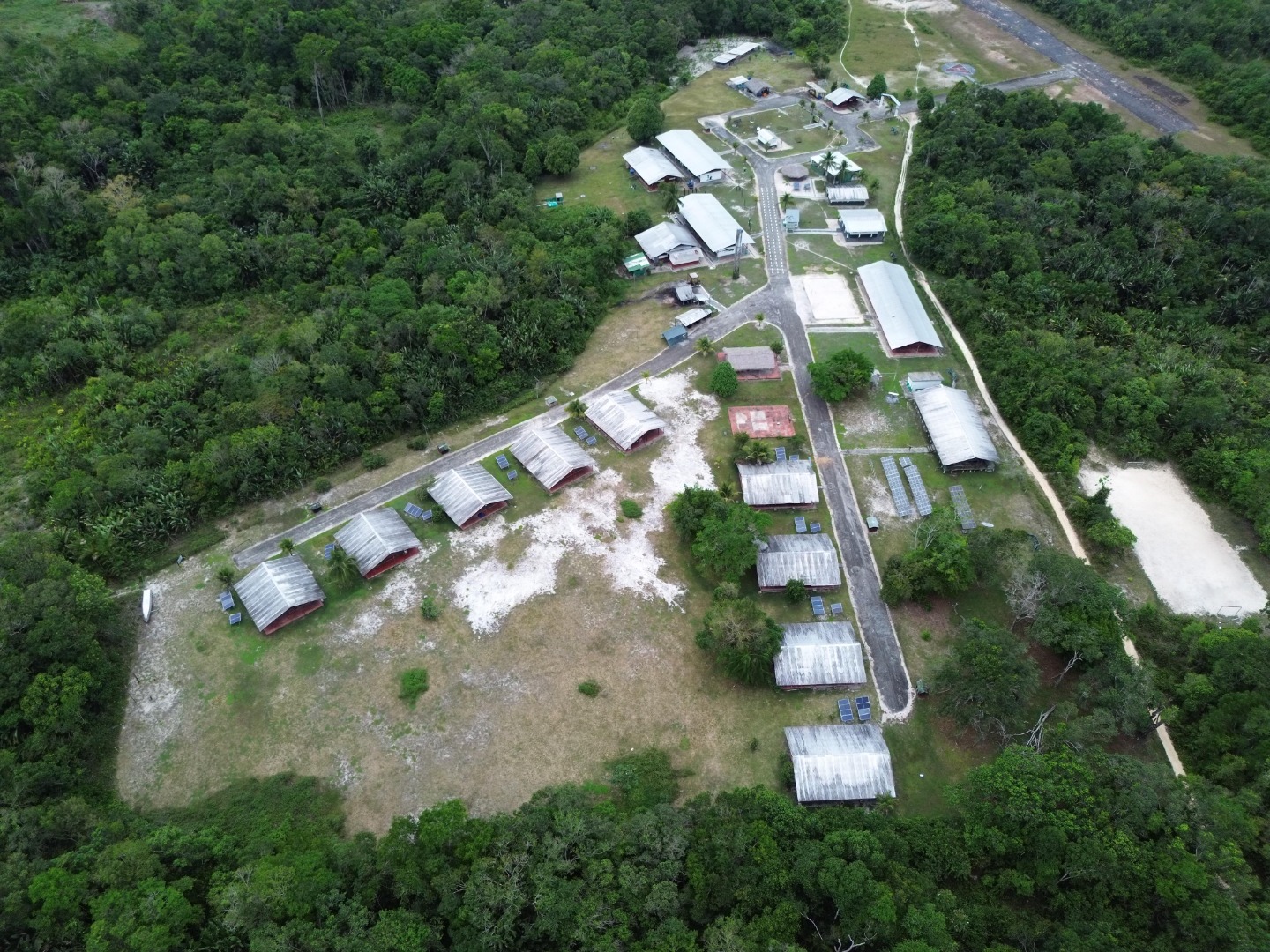
The Ministry of Defense installs a giant photovoltaic plant and ensures a stable supply of clean energy in Maturacá, in the Amazon.
-
Itaipu receives proposals in the renewable energy tender and reinforces the role of public universities in the energy transition with projects that can reduce costs, increase academic investments, and accelerate sustainable innovation in the country.
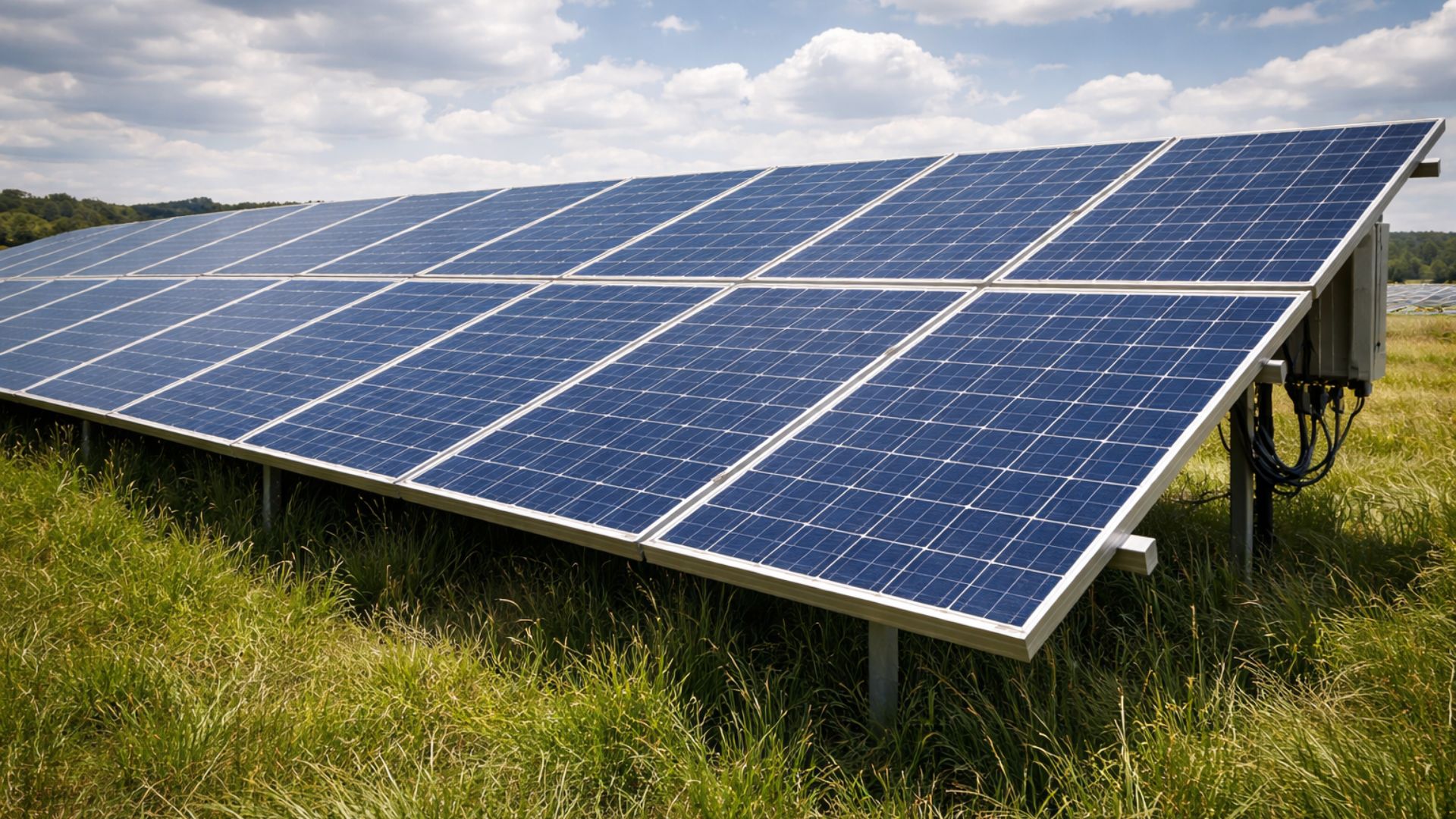
The planning focuses on the energy efficiency of climate control systems and the electrification of public transport fleets that connect airports and hotels to match venues.
Moreover, this strategy generates a legacy of green infrastructure for local communities, proving that large sporting events can practically and scalably drive a low-carbon economy.
The logistical challenge of a tournament in three countries
Organizing a championship of this magnitude in such a vast territory requires unprecedented logistical coordination. The distance between Vancouver, Canada, and Mexico City exceeds 4,000 kilometers.
This constant movement of teams, journalists, and fans generates colossal energy demand. To mitigate this impact, the organizing committee bets on the decentralization of generation and the strategic use of renewable energy at the World Cup.
Each host city develops specific plans to harness its natural resources. In Mexico, solar abundance powers auxiliary systems in stadiums. In Canada, for example, the strength of hydropower supports media centers.
In the United States, wind farms provide energy credits to offset lighting consumption during night games. This diversification ensures that the event does not overload local electrical grids, maintaining supply stability for the civilian population during the competition period.
Smart stadiums: The solar plants of football
Modern stadiums have ceased to be mere concrete arenas and have become true clean energy generation centers. The integration of renewable energy at the World Cup occurs directly in the architecture of the arenas.
Many roofs now feature flexible photovoltaic films that capture sunlight and convert it into electricity for sound systems, LED panels, and field lighting.

This local generation reduces the need for energy from distant thermal plants. Additionally, the use of presence sensors and intelligent load management systems optimizes consumption in real-time.
When a section of the stadium is not in use, algorithms automatically turn off the lights and reduce air conditioning power. These measures ensure that every watt generated is maximally utilized, raising the expected energy efficiency standard for multi-use arenas worldwide.
The role of giant batteries in game broadcasting
Did you know that broadcasting a game to billions of people requires absolute electrical stability? A drop of milliseconds can interrupt the global signal. Traditionally, organizers used noisy and polluting diesel generators as backup. Now, battery energy storage technology (BESS) replaces these fossil engines.
High-density lithium batteries store energy generated by clean sources during the day to ensure transmission security at night. If the main grid fails, the batteries take over the supply instantly, without emitting smoke or noise. This technological advancement demonstrates how renewable energy at the World Cup offers superior reliability compared to traditional fuels, protecting both the spectacle and the environment simultaneously.
Electric mobility: The green transportation of fans
The transportation of fans represents one of the biggest challenges for the sustainability of the event. To tackle this issue, host cities are investing in the massive electrification of public transport. Hundreds of electric buses and light rail systems powered by clean sources connect major tourist spots to the stadiums.
The municipalities are installing fast charging stations at strategic points, thus using solar energy to power the vehicles. This initiative encourages the use of public transport over private cars, reducing congestion and noise pollution.
The real impact of this measure appears in the immediate improvement of air quality in participating metropolises, creating a healthier environment for visitors and residents during intense game days.
The legacy of green infrastructure for communities
The organization of the World Cup does not focus solely on the 30 days of competition. The greatest benefit lies in the legacy left for cities after the tournament ends. The renewable energy plants at the World Cup continue to operate and provide cheap electricity to local schools, hospitals, and public buildings.

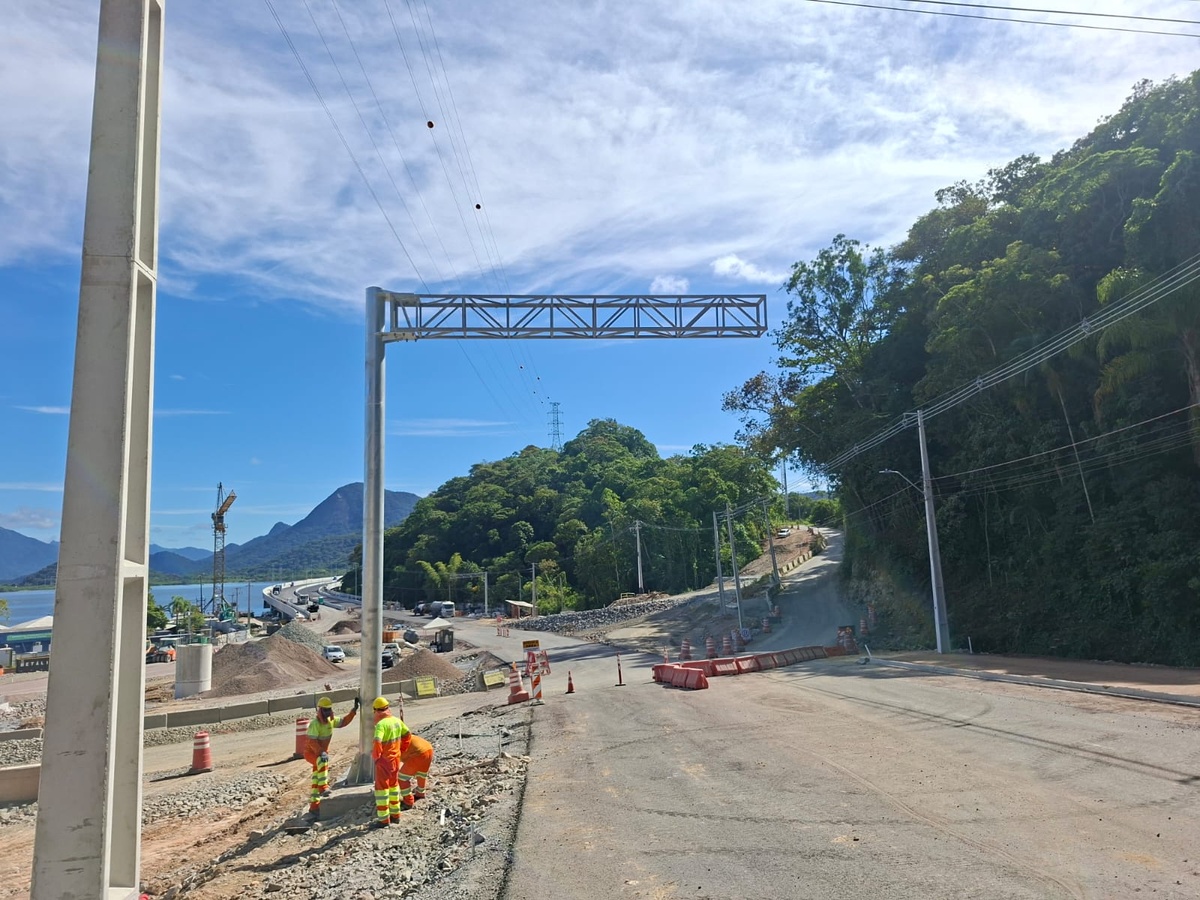
Investments in smart grids and modern substations remain valuable assets for urban development. By accelerating clean energy projects that would take years to materialize, the sporting event acts as a catalyst for progress.
Communities neighboring the stadiums enjoy a more robust electrical grid and modern mobility infrastructure, increasing property values and quality of life in regions served by the sustainability plan.
Real impact on the global energy industry
The global visibility of the tournament places renewable energy at the World Cup at the center of the economic debate. When giant brands and governments show that it is possible to operate a billion-dollar event with clean sources, they send a powerful signal to the financial market. Investors and energy technology companies observe the performance of these systems to replicate solutions in other industrial sectors.
The success of sustainable operations in North America drives demand for photovoltaic components, wind turbines, and energy management software. This increase in demand scales production and reduces prices for the average consumer.
Therefore, the fan watching the game in the solar stadium indirectly contributes to making renewable energy more accessible worldwide, accelerating the energy transition necessary to combat climate change.
Waste reduction and circular economy in events
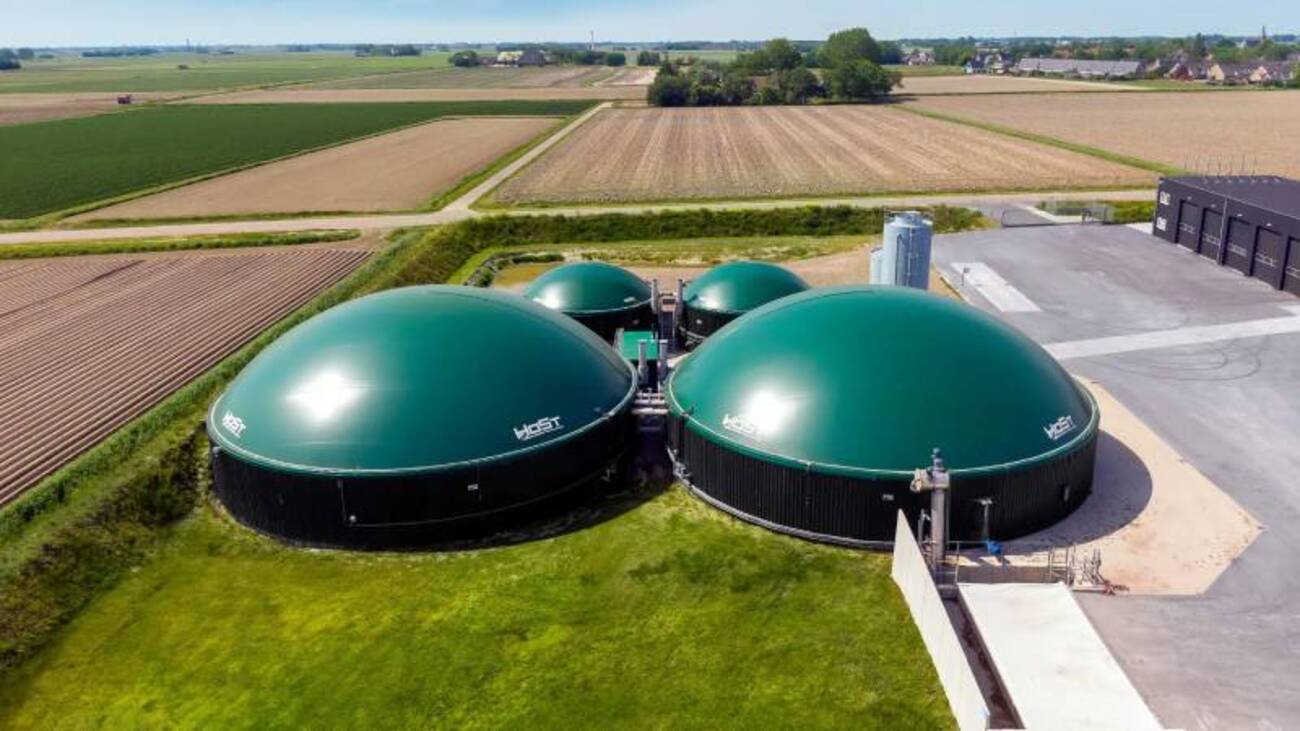
Sustainability at the World Cup goes beyond solar panels. Solid waste management integrates the renewable energy at the World Cup plan. Thousands of tons of organic waste generated in food courts go to biodigesters. These machines transform food scraps into biogas, which can be burned to generate electricity or heat.

This circular economy model prevents organic waste from rotting in landfills, where it would emit methane, a highly harmful greenhouse gas. Additionally, the packaging used during the event is mostly compostable or recyclable.
The organization’s goal is to achieve “Zero Waste” in several stadiums, proving that the logistics of a massive event can be efficient and respect the planet’s limits.
The role of digital technology and carbon credits
To monitor the success of these initiatives, the organization uses telemetry and blockchain systems. Each kilowatt-hour of renewable energy at the World Cup has complete traceability. This ensures that organizers can prove the clean origin of the electricity used.
For emissions that cannot yet be avoided, such as transcontinental flights of teams, the committee purchases carbon credits from reforestation and environmental conservation projects.
This financial and environmental transparency attracts sponsors looking to associate their brands with values of social responsibility and governance (ESG). The modern fan, especially younger generations, demands this commitment.
Digital technology allows the public to track, through official apps, the positive impact of the event in real-time, thus transforming sustainability into an integral part of the fan experience.
Climate challenges and arena adaptation
Climate change presents practical challenges for the games, such as intense heatwaves or severe storms. The use of renewable energy at the World Cup enables the operation of highly efficient cooling systems known as “district cooling.”
These systems use chilled water produced with solar energy to maintain thermal comfort without wasting electricity.
Arena adaptation also includes rainwater harvesting systems for field irrigation and use in restrooms. Water resource conservation is vital, especially in arid regions like Mexico and parts of the southwestern United States.
Thus, stadiums operate as self-sufficient ecosystems, reducing pressure on local natural resources and demonstrating resilience in the face of the climate extremes affecting the planet.
The new gold standard for global sport
The strategic use of renewable energy at the World Cup establishes a new paradigm for all sports federations and event organizers. The success of this operation in North America proves that logistics and sustainability can go hand in hand, generating profit, efficiency, and a positive legacy for society.
Thus, football, as a universal language, uses its strength to show that the energy transition is an irreversible and extremely beneficial path.
At the end of the tournament, medals will not only be awarded to players. The victory also belongs to the environment and the clean technologies that ensured the spectacle. The world will emerge from this competition with the certainty that the energy of the future has indeed entered the field.
Now, it is up to other sectors of the economy to follow the example of efficiency and innovation demonstrated on the fields, ensuring that human progress respects the balance of nature for future generations of fans.





Seja o primeiro a reagir!