





 Portuguese
  English
  Spanish
  5 min of reading
  0 comments


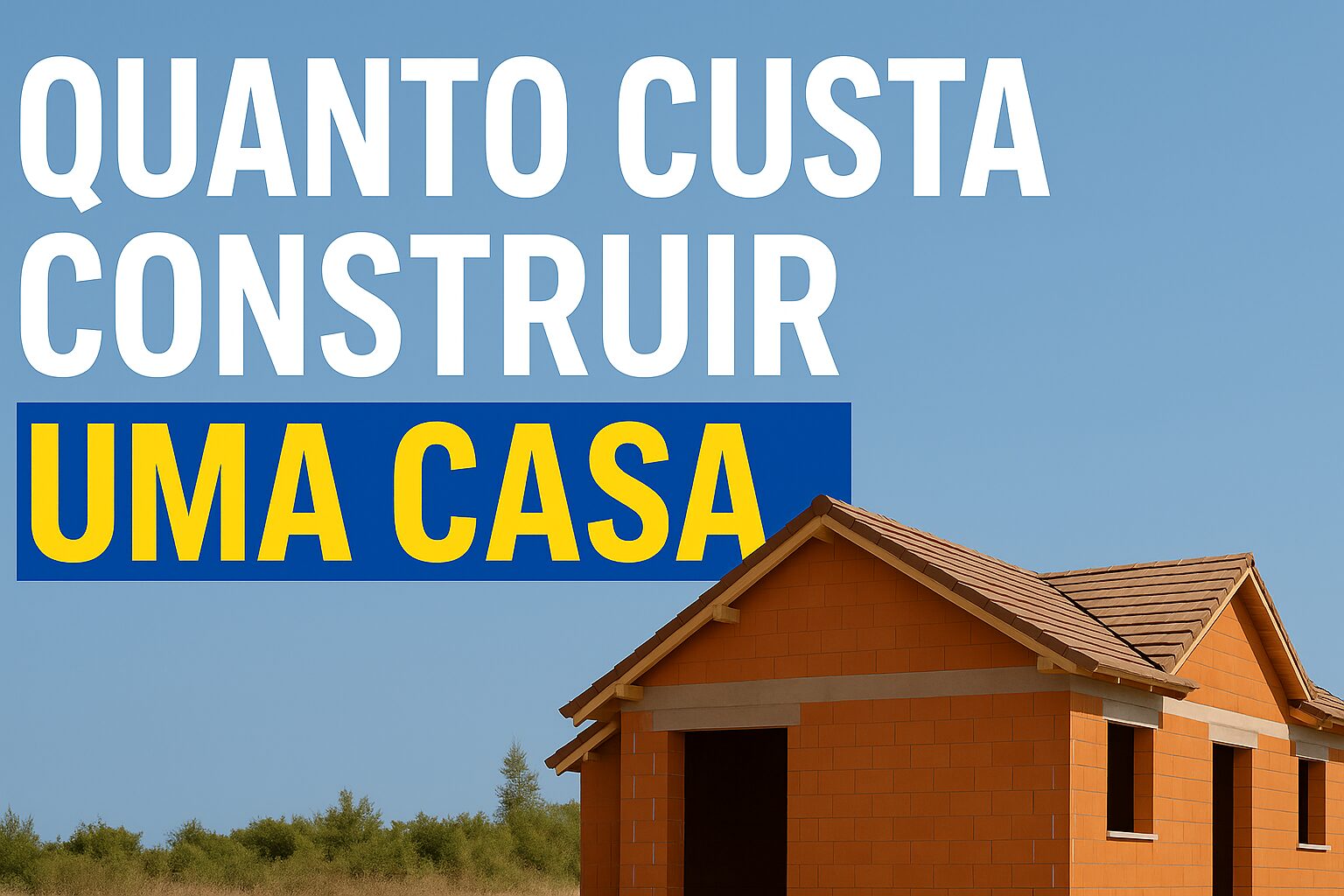
Discover How Much It Costs to Build a House in Brazil in 2025, with Updated Data by Region, Practical Budget Examples, and Tips to Save on Construction Without Compromising Quality.
How much does it cost to build a house in Brazil in 2025? This is a common question among those planning to move out of rental housing or invest in their own property.
Building a house from scratch remains the goal of many families. But in 2025, with rising construction costs, the most common question is: how much does it cost to build a house.
Costs vary depending on the state, the finishing standard, the size of the construction, and even the type of soil where the foundation will be laid. Therefore, knowing how to calculate each stage is essential.
-
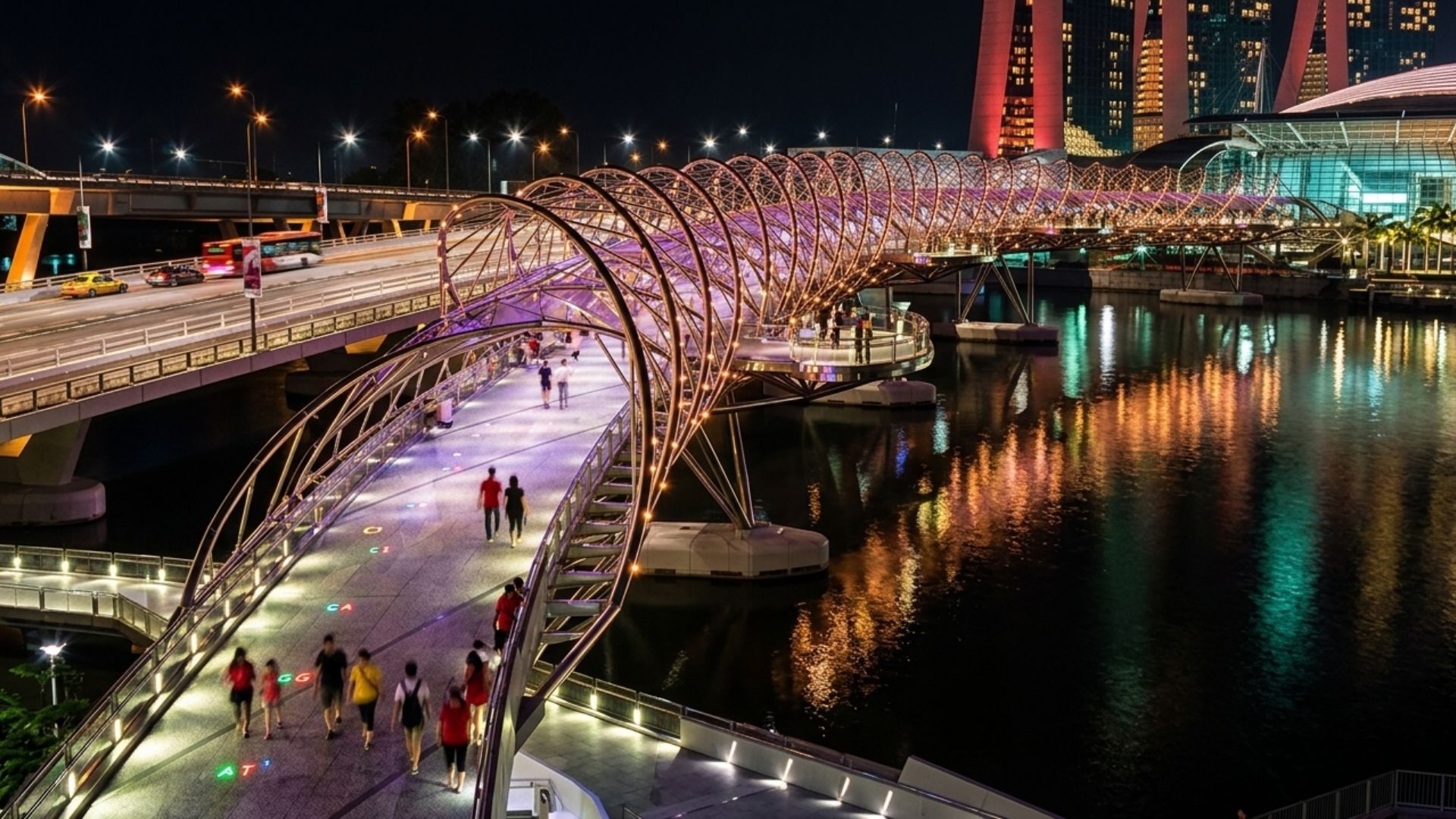
With a DNA shape, this bridge in Singapore draws attention in modern architecture and surprises tourists by transforming a simple crossing into an unforgettable visual experience in the urban heart.
-
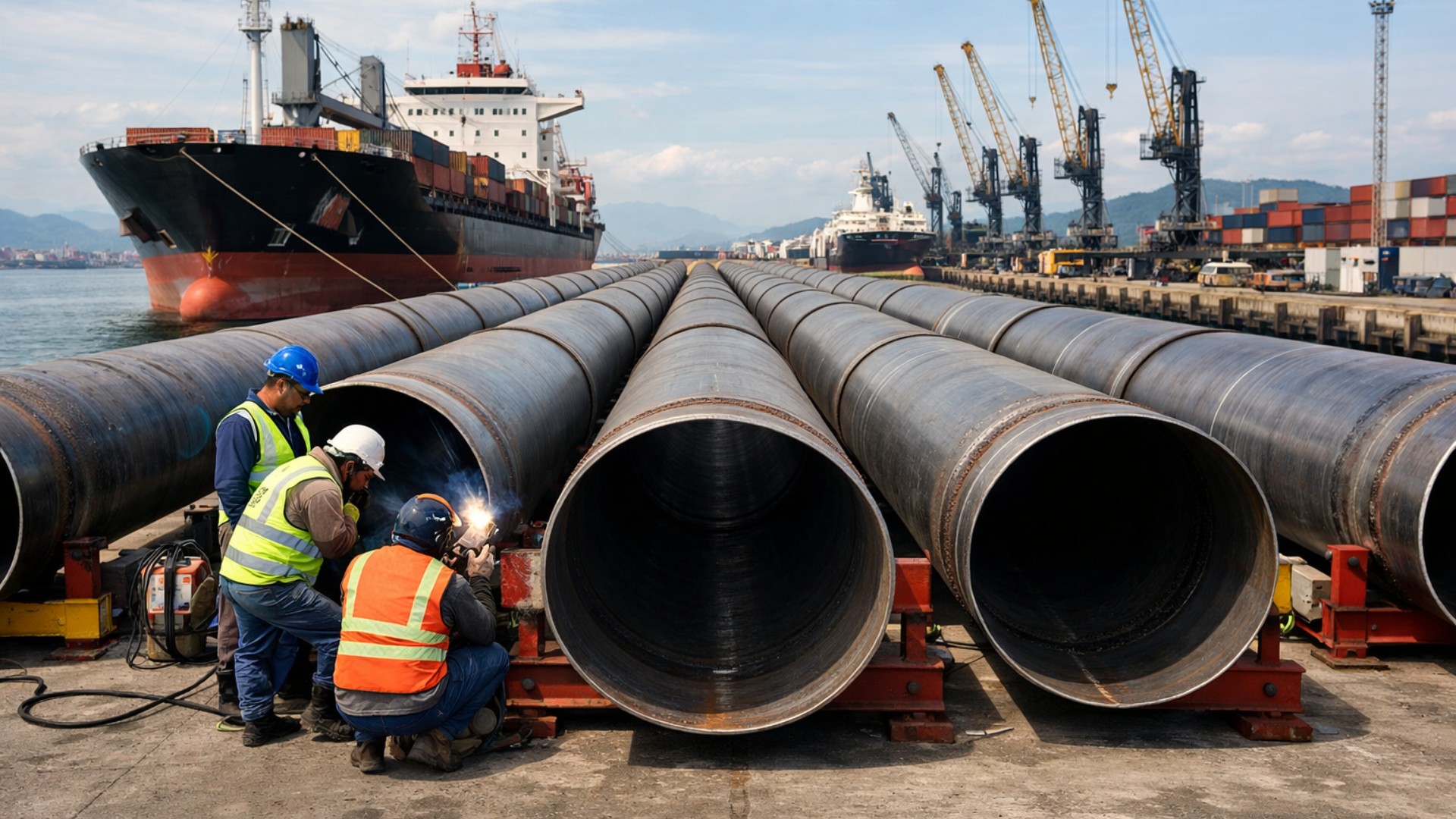
Giant underwater pipeline begins to take shape with a R$ 134.7 million project at the Port of Santos: the 1.7 km structure uses 12-meter and 700 mm pipes to supply water to 450,000 people in Guarujá.
-
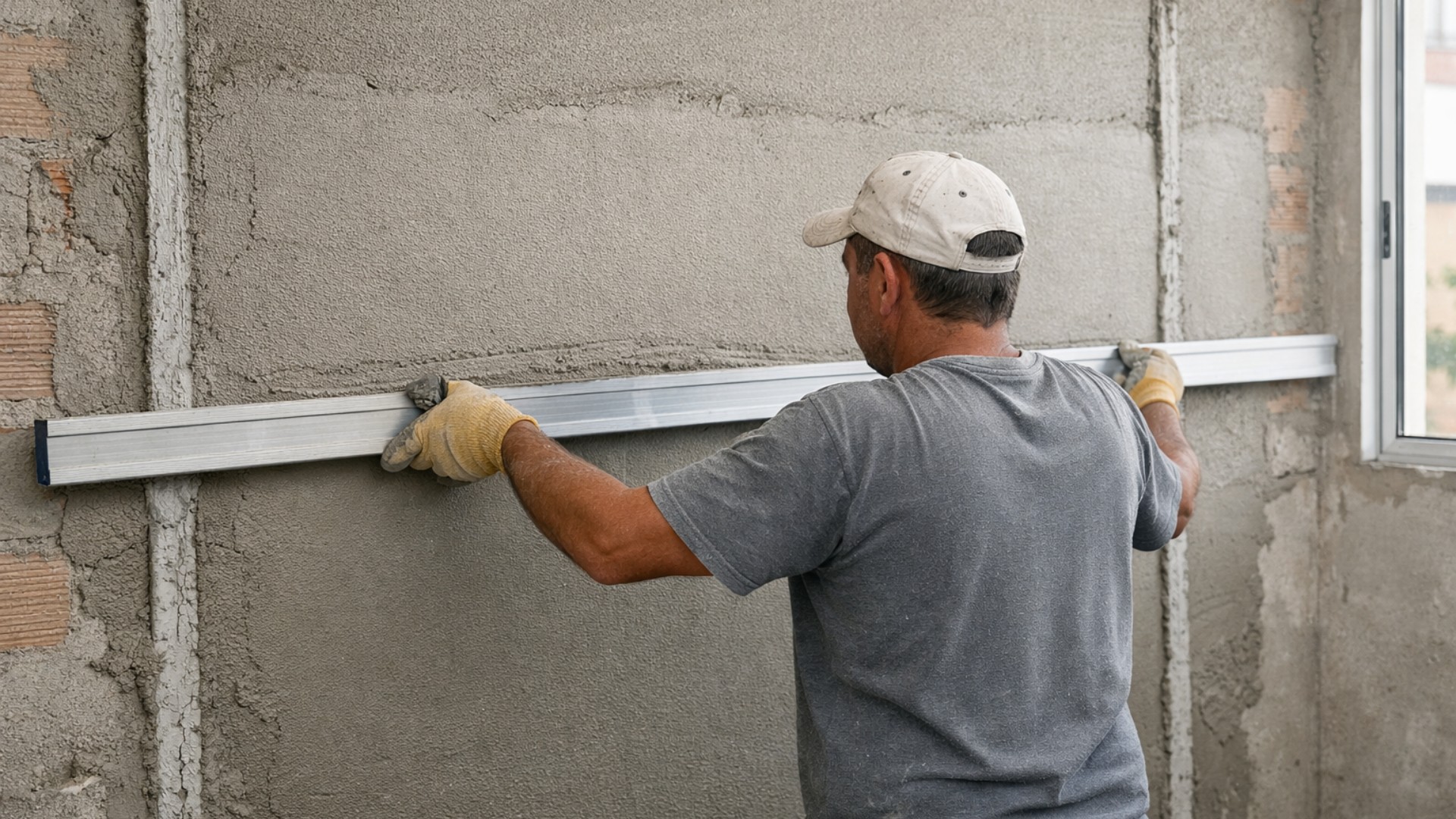
A mason reveals a professional plastering technique that uses aligned guides and a 3-meter ruler to plaster an entire wall in up to 3 hours, without visible seams, with uniform thickness, perfect plumb, and a finish ready for painting without rework.
-
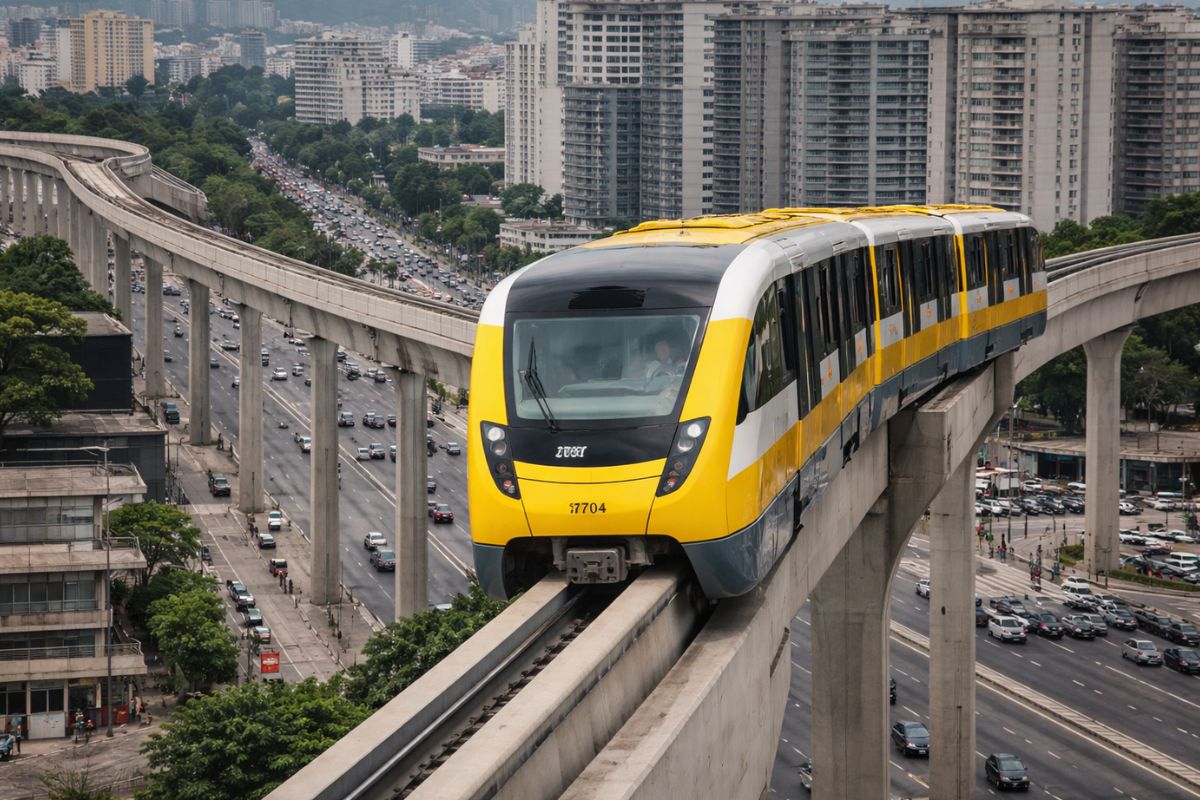
The project that was supposed to be ready for the 2014 World Cup in Brazil debuted with a 12-year delay and nearly R$ 6 billion invested: the Line 17-Gold of the São Paulo monorail opened with reduced hours and is only expected to operate fully in October.
Check out the updated values, the factors influencing the price, and what you need to consider before starting your construction.
Cost per Square Meter in Brazil in 2025
The cost to build a house in Brazil continues to vary significantly from state to state, but the latest figures show a slight national average increase.
According to data from April 2025 from the SINAPI (National System of Research on Costs and Indices of Construction), the average construction cost in the country reached 1,818.64 per square meter.
This amount represents a slight increase of 0.46% compared to the previous month. Over 12 months, the national index accumulates a variation of 4.74%.
Regional Differences
Although the national average serves as a reference, actual prices vary significantly among Brazilian regions.
The South is currently the most expensive region to build in, with an average value of R$ 1,940.27 per square meter. At the other end, the Northeast shows the lowest regional cost: R$ 1,694.67 per square meter.
The other regions have the following average values:
- North: R$ 1,884.03/m²
- Southeast: R$ 1,865.98/m²
- Central-West: R$ 1,817.07/m²
Costs by State
Looking at the states individually, Santa Catarina stands out with a cost per square meter of R$ 2,061.75, making it one of the most expensive states in Brazil to build.
São Paulo, despite having a heated real estate market, appears with a value below the regional average: R$ 1,914.97 per square meter. Still, it is above the national average.
At the other end, Sergipe remains among the states with the lowest construction costs. There, the cost per square meter is around R$ 1,609.51, making the state one of the most economical options for those wishing to build.
How Much It Costs to Build a House by Size
The size of the property directly influences the final cost of the construction. Here are some examples of total costs based on two extremes: Sergipe (minimum value) and Santa Catarina (maximum value):
- 60 m² House: between R$ 96,000 and R$ 123,000
- 100 m² House: between R$ 160,000 and R$ 205,000
- 150 m² House: between R$ 241,000 and R$ 308,000.
These amounts consider materials and labor for constructions of simple or medium standard. Houses with custom architecture or luxury materials cost more.
Factors Influencing Construction Costs
Several elements directly impact the budget of a construction project. Understanding each of them helps in better planning.
1. Location of the Land
The cost of the land is one of the most expensive items, especially in urban areas. Additionally, the presence or absence of infrastructure (water, electricity, sewage) affects the final cost. If the land does not provide basic services, expenses for installations will be necessary.
Labor also varies by region. Areas with higher supply tend to have lower prices.
2. Size and Complexity of the Construction
Large houses or those with complex designs require more investment. A two-story house costs more than a single-story house, as it needs more structure, foundation, and stairs.
3. Type of Material Chosen
Choosing a ceramic or metallic roof, wooden or aluminum windows, porcelain or simple ceramic tiles – all of this affects the cost. Eco-friendly materials may be more expensive initially but save money in the long run.
The location of the supplier also matters. If materials need to be transported from afar, shipping increases the construction cost.
4. Labor Hired
Specialized professionals charge more but deliver with greater precision, reducing errors. Companies that offer complete services, from design to delivery, usually charge more, but they facilitate time and budget management.
5. Topography of the Land
Flat land is easier and cheaper to build on. Steep, unstable, or rocky terrain requires excavation, reinforcement, and more expensive foundations.
6. Access to Infrastructure
Are there shortages of water, sewage, or electricity? Everything will need to be installed from scratch. In remote areas, it may be necessary to drill a well or build a septic tank. All of this increases costs.
7. Licenses and Mandatory Documents
Every construction project needs to be legalized. The process includes municipal fees, hiring an architect and engineer, and project approval by the city administration. Some cities even require an environmental impact study, which further raises costs.
8. Execution Time of the Project
Longer construction projects cost more. The longer the construction takes, the more is spent on rental (if the resident cannot move in yet), employee salaries, and potential unforeseen costs. Renovations and changes in the design also delay and increase the process costs.
How to Save Without Compromising Quality
Anyone wanting to know how much it costs to build a house also needs to understand how to reduce costs. There are ways to do this without sacrificing safety and durability.
Make a Good Plan: Before starting the construction, have a complete and detailed project. This avoids changes midway, which are costly.
Conduct Extensive Research: Don’t buy from the first supplier. Compare prices, seek discounts, and assess delivery times. The same applies to hiring professionals.
Prefer Simple Designs: More linear houses, with fewer cuts and no large structural spans are cheaper to build.
Monitor the Construction: Being present during the building process helps avoid waste, quickly correct mistakes, and ensure the budget is followed.
Evaluate Prefabricated Systems: Modular houses and precast structures reduce construction time and decrease material usage, cutting costs.
Invest in Sustainable Solutions: Rainwater harvesting, solar heating, and photovoltaic panels may have higher initial costs but generate savings over the years.
Planning Is the Secret to Not Spending More Than Necessary
The answer to how much it costs to build a house depends on many factors, but the current range is between R$ 96,000 and R$ 308,000, considering simple houses between 60 m² and 150 m².
These values highlight the importance of careful planning. Choosing the right land, having a solid project, researching suppliers, and hiring experienced professionals are fundamental steps.





Seja o primeiro a reagir!