





 Portuguese
  English
  Spanish
  5 min of reading
  0 comments


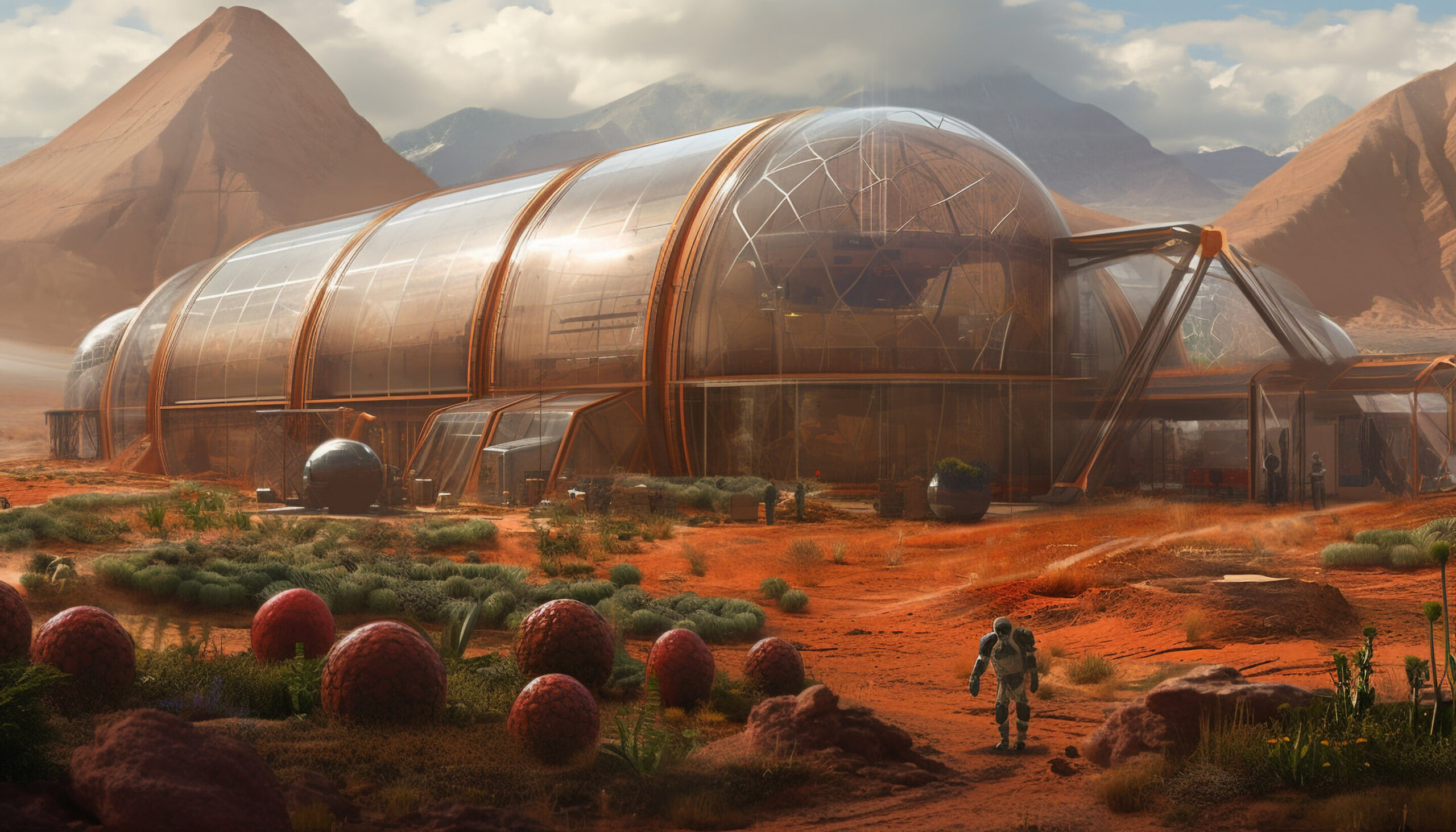
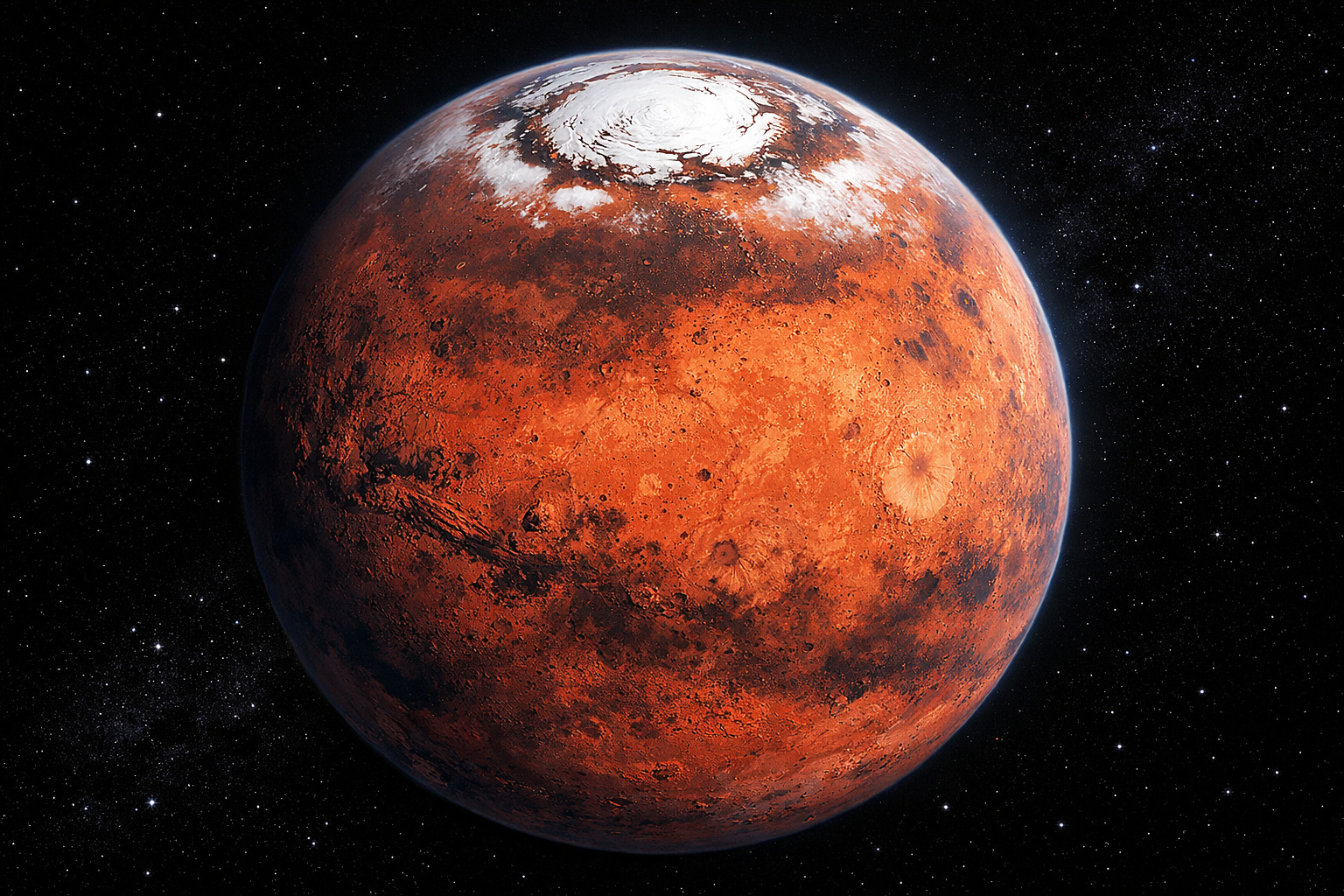
Scientists propose a new approach to the terraformation of Mars, using aerosols to heat the surface and create favorable conditions for liquid water in just 15 years
The terraformation of Mars, the process of transforming the environment of the red planet to make it habitable for humans, has been a recurring theme in the field of space exploration. With the aim of creating more favorable conditions for human life, proposals to heat the Martian surface are varied and involve innovative methods.
One of the most discussed in recent scientific research is the use of aerosols in the Martian atmosphere, designed to create a greenhouse effect that increases the planet’s temperature, bringing it closer to the conditions necessary for the presence of liquid water.
The challenge of habitability on Mars
Mars is currently a hostile planet for human life. The average temperature on the planet’s surface is -55°C, with thermometers potentially dropping to an impressive -125°C.
-
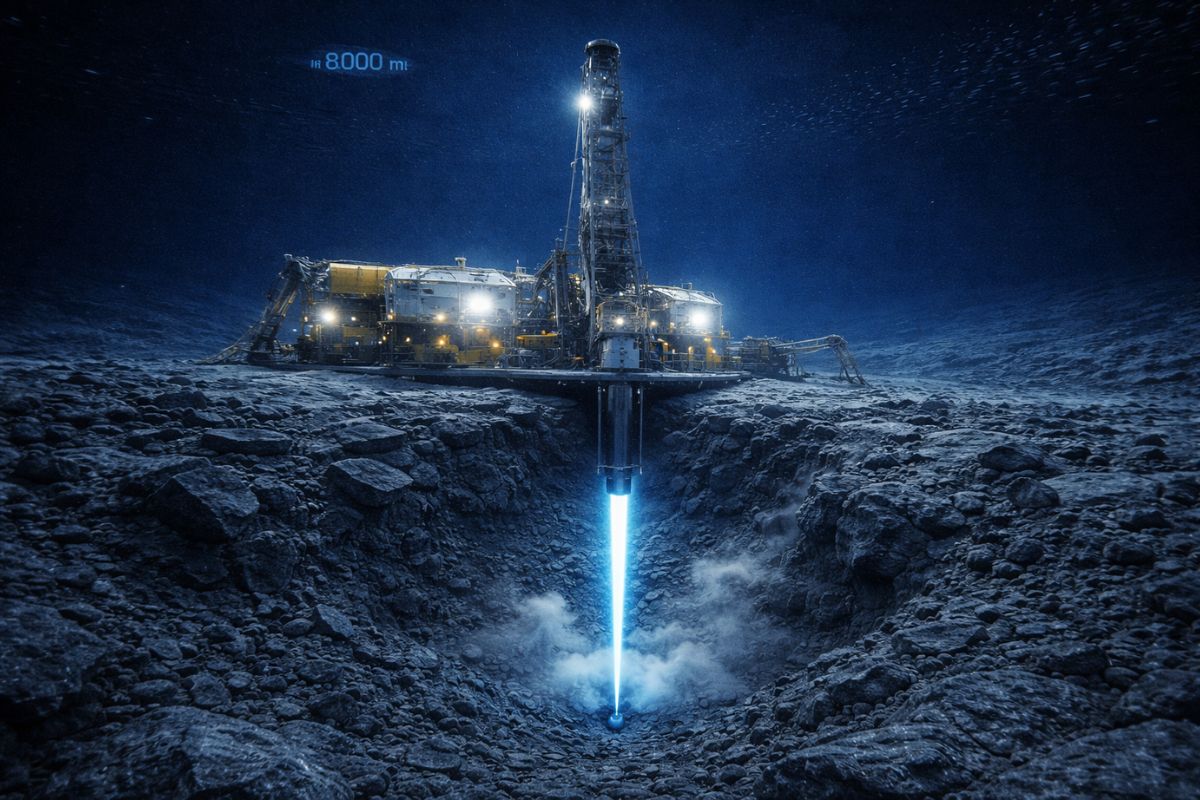
Scientists drilled nearly 8,000 meters into the ocean floor above the fault that caused the 2011 tsunami in Japan and discovered that a layer of clay 130 million years old was responsible for making the wave much worse than any model had predicted.
-
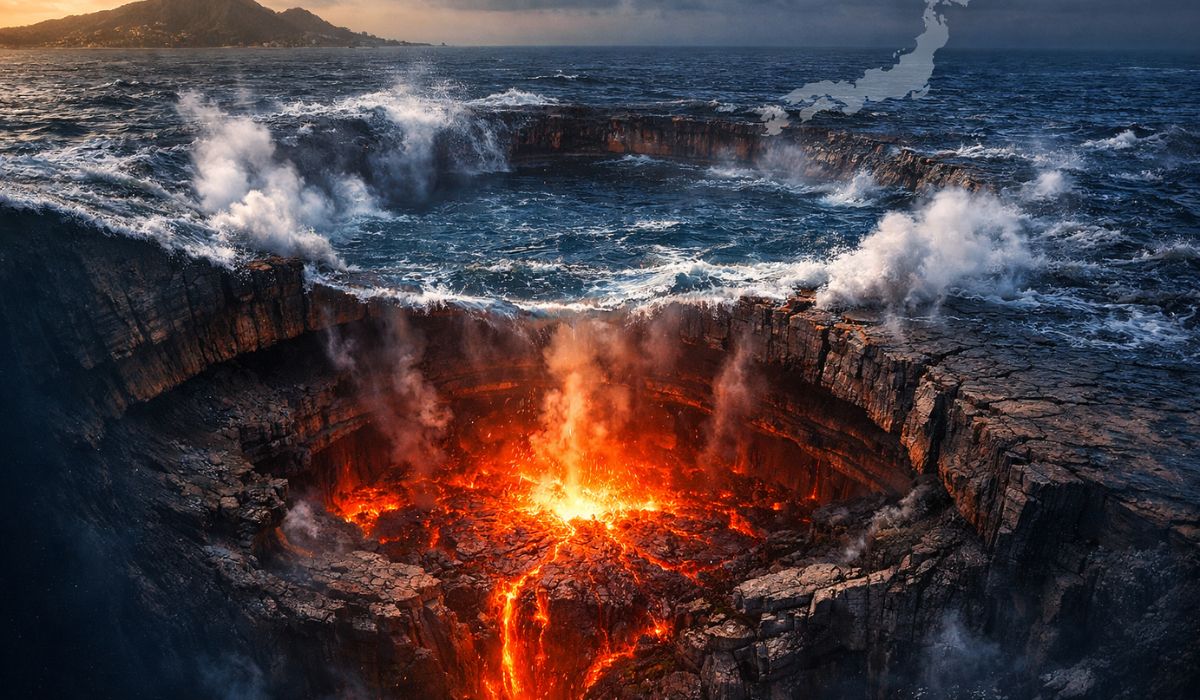
Thousands of years after causing the largest eruption of the Holocene, one of the world’s largest supervolcanoes is rebuilding itself beneath the sea south of Japan, receiving new magma and alarming scientists with its transformation.
-
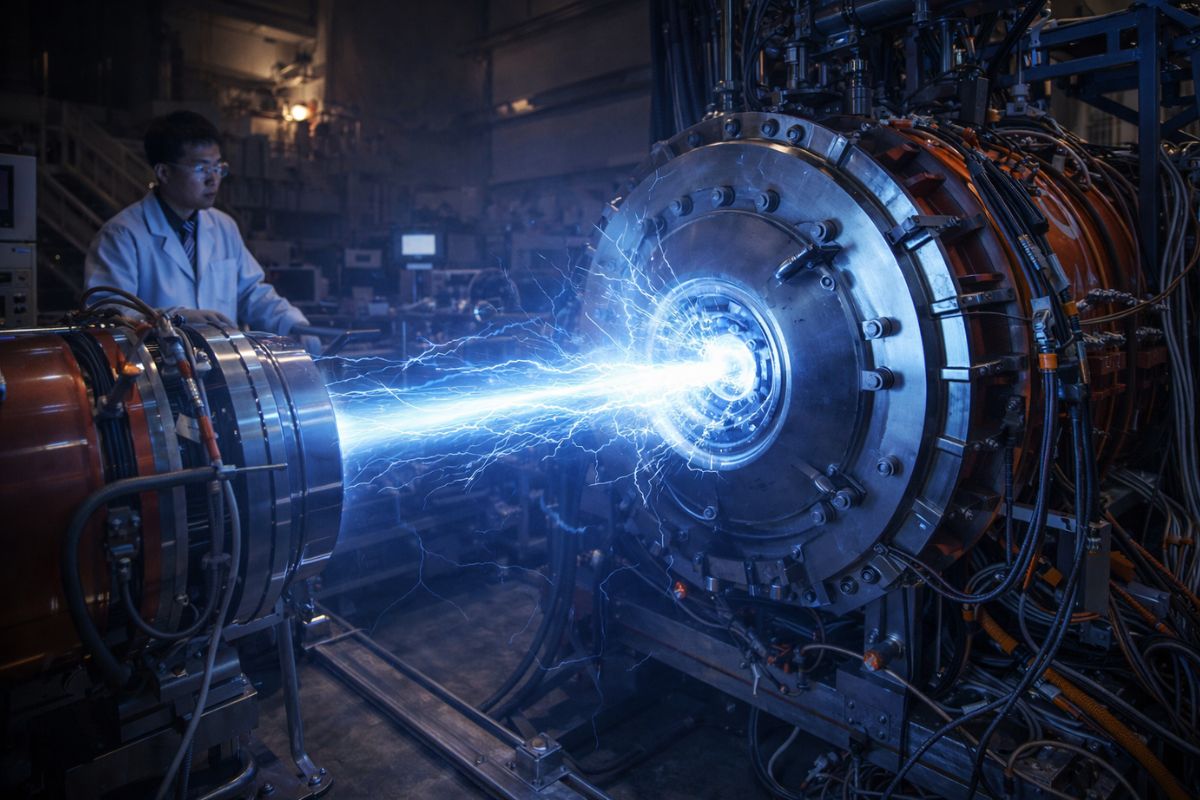
China has activated a magnet 700,000 times more powerful than the Earth’s magnetic field that operates for over 200 consecutive hours while consuming little energy, and now the world wants to know what Beijing plans to do with this technology in 2026.
-
Mercado Livre has started selling medications in Brazil with delivery in up to 3 hours, and the project that launches in São Paulo may expand to the entire country, transforming the way millions of Brazilians buy medicines.

Additionally, the Martian atmosphere is composed almost entirely of carbon dioxide (CO₂), with only an atmospheric pressure of about 6 millibars – well below the pressure on Earth, which is approximately 1,000 millibars.
As a result of these extreme conditions, water on Mars is predominantly in a solid state, being mixed with the ice formed by CO₂.
Besides the low temperature and lack of oxygen, solar radiation on the Martian surface represents another major obstacle to human survival.
Mars lacks an ozone layer capable of filtering ultraviolet radiation, making it potentially dangerous, especially during solar flares. In light of this scenario, researchers begin to wonder: how can we make the red planet more welcoming to humans?
Terraformation proposals: The case of aerosols
Several ideas for the terraformation of Mars have been discussed over the years. One of the most notable proposals is to increase the greenhouse effect of the planet by heating the Martian atmosphere and, consequently, its surface.
One of the suggested ways to achieve this goal is by melting the CO₂ polar ice caps, which would release gas into the atmosphere and intensify the greenhouse effect. However, methods such as using nuclear explosions to release heat have been criticized by experts.
In 2018, a study revealed that these explosions could increase the surface temperature of Mars by only 10°C, which would be insufficient to create stable conditions for liquid water.
In recent years, the idea of releasing aerosols into the Martian atmosphere has gained traction as a more promising alternative.
Aerosols, which are tiny particles suspended in the air, have the potential to alter Mars’ climate by interacting with the infrared radiation emitted by the planet’s surface. Scientists from the USA, UK, and Brazil recently conducted studies on the behavior of these aerosols on the red planet, using advanced atmospheric models.
Modeling of Martian aerosols
In a study published in the journal Geophysical Research Letters, a group of researchers modeled the release of particles into the Martian atmosphere, simulating the radiative-dynamic interactions of these particles with infrared radiation.
To do this, scientists considered two types of aerosols: graphene discs, with a diameter of 250 nanometers, and aluminum rods, with a length of 8 micrometers and a diameter of 60 nanometers. Both types of aerosols are effective in absorbing and scattering thermal infrared radiation, which is primarily responsible for heating the surface of Mars.
The models used by the researchers indicated that these aerosols would have a strong interaction with the infrared radiation emitted by the planet’s surface, and their continuous release could saturate the Martian atmosphere in a stable manner in less than four Martian years (approximately 7.5 Earth years). This continuous release of aerosol particles would cause a gradual increase in the global temperature of Mars’ surface.
How aerosols affect the climate of Mars
According to the results of the study, the release of aerosols would have a significant impact on Mars’ climatic conditions.
In a specific model, the release of aluminum particles at a rate of 3 liters per second over five Martian years resulted in a temperature increase of 25°C above Mars’ normal temperature.
After 15 years, the temperature stabilized at 35°C above average, creating more favorable conditions for the presence of liquid water on the planet’s surface. This thermal increase would be sufficient to allow water to exist stably on Mars, which would be a significant advance for the terraformation of the planet.
Although the results are promising, the study also revealed that the warming of Mars depends only modestly on the season, varying by ±5°C. This suggests that terraformation could be carried out continuously, without the need to worry about seasonal variations.
However, scientists warn that interrupting the release of aerosols before the warming stabilizes could cause the atmosphere to quickly return to its previous temperature if the release of particles is halted.
Challenges and future issues for terraformation
Although the results of the study on aerosols are encouraging, many aspects of the terraformation of Mars still need to be understood.
Researchers note that the atmospheric process on Mars is intrinsically complex and that many questions remain to be resolved, such as the feedback mechanisms of the water cycle on the planet. For example, a warmer atmosphere could increase the concentration of water vapor, a greenhouse gas that would help maintain the planet’s warming.
However, it is possible that aerosols act as ice nuclei or cloud condensation nuclei, which could result in the removal of some aerosol particles from the atmosphere, requiring further studies to understand the impact of this phenomenon.
Additionally, scientists consider the possibility that stronger winds could lift more dust into the atmosphere, creating a positive feedback cycle that would intensify the greenhouse effect.
As with Earth’s climate models, the interactions between aerosols and the Martian atmosphere are complex, requiring more studies and simulations to assess the long-term effects of such interventions.
Final considerations on the terraformation of Mars
The terraformation of Mars remains a debated issue among scientists and space engineers. While the use of aerosols represents an innovative and promising approach, many aspects of this technique still need to be tested and refined.
Although the results obtained so far are positive, it is clear that more research will be needed to fully understand the implications of this process and the challenges involved.
The terraformation of Mars will not be a simple or quick task. The models and simulations conducted so far indicate that, while aerosols may help to heat the planet, there are many variables to consider, such as feedback cycles and the interaction of greenhouse gases.
However, as technology and scientific knowledge advance, the possibilities of making Mars more habitable for humans become more tangible.
Study available at Geophysical Research Letters.







Seja o primeiro a reagir!