





 Portuguese
  English
  Spanish
  4 min of reading
  0 comments



Have you ever stopped to think about what happens inside your car’s fuel tank? Although it is a part that rarely receives attention, the tank is essential for the proper functioning of the vehicle. The presence of dirt, water, or debris can compromise engine performance, increase consumption, and even cause serious mechanical failures. Taking care of the fuel tank is, therefore, a preventive measure that ensures safety, savings, and longevity for the car.
Fuel Tank: Why Cleaning Is So Important
The fuel tank acts as a reservoir that constantly feeds the engine. Over time, small particles of dust, rust, or even residues from the fuel itself can accumulate inside it. This process is natural, as gas stations do not always offer 100% impurity-free fuel. If not maintained, these residues can be sucked by the fuel pump and may clog filters or injectors.
Periodic cleaning, in addition to avoiding costly repairs, helps maintain more efficient fuel combustion. This reflects in an engine that responds better, reduces pollutant emissions, and ensures savings at the gas station.
-
The car stored for 38 years: when opening the barn door, what appears is breathtaking and looks like a scene from a movie!

-
Fiat works miracles in the Brazilian market, lowers the price of its 0 km hatch to R$ 69,990, reestablishes the model as the cheapest car in the country, and reignites the battle against Kwid and C3.

-
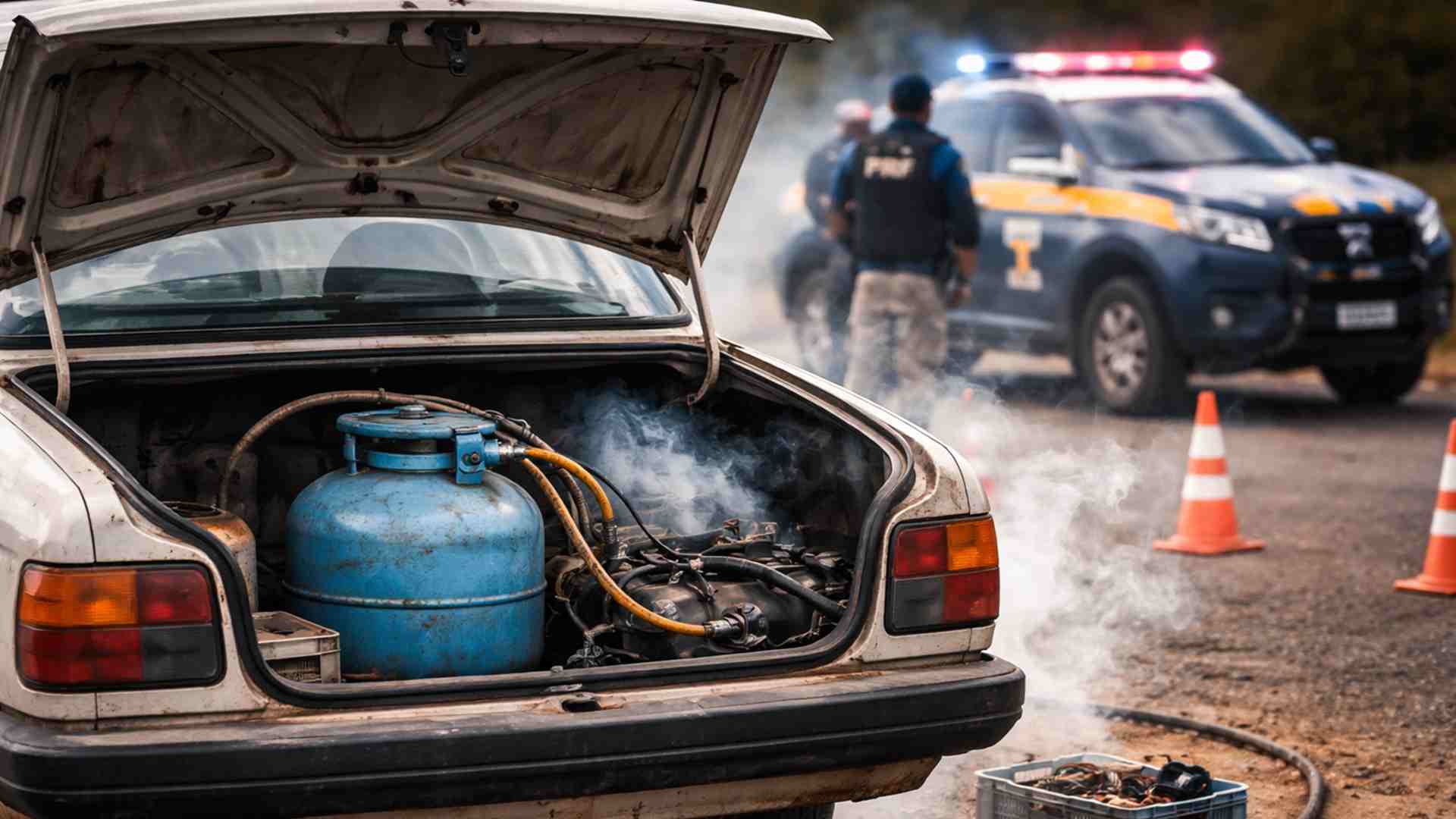
Chevette with cooking gas: How the gas cylinder ends up being used in cars clandestinely and why this makeshift solution can result in leaks, explosions, damaged engines, and seized vehicles.
-
Fiat launches the new 2027 Toro hybrid with 48V, 176 hp, an electric motor of 15.5 hp, a 0.85 kWh battery, up to 7% fuel savings, 8% fewer emissions, and possible exemption from IPVA.


The Risk of Water Contamination in Fuel
One of the biggest threats to the fuel tank is the presence of water. This can occur due to failures in fuel transportation, infiltration through the tank cap, or even adulteration. The mixture of water with gasoline or ethanol is a nightmare for the engine, as it causes combustion failures and corrosion of internal components.
Additionally, water promotes the formation of microorganisms that feed on the hydrocarbons present in the fuel, forming a type of sludge. This material can clog the fuel system and cause considerable damage.
Therefore, always fueling at trusted stations and checking if the tank cap is well sealed are simple actions that prevent contamination.
When and How to Clean the Fuel Tank
There is no single rule to determine the frequency of cleaning, but mechanics usually recommend the procedure every 30,000 to 50,000 kilometers, or whenever there are signs of contamination. Among the most common signs are: difficulty starting, sudden loss of power, increased consumption, and failure in engine operation.
Cleaning requires removing the tank and using specific products to eliminate solid residues, water, or sludge. It is a technical service that should be performed in specialized workshops, as it involves handling fuel and the risk of fire. Trying to do it at home without the proper equipment can be dangerous.
Habits That Help Keep the Tank Clean Longer
Even without opening the tank, drivers can adopt simple practices that reduce the chance of contamination:
- Fuel Only at Trusted Locations: Adulterated fuel is the main cause of dirt in the system.
- Avoid Running on Empty: When the tank is almost empty, the pump pulls the residues from the bottom.
- Check the Seal of the Cap: Small air or water entries can generate rust and humidity.
- Change the Fuel Filter on Time: It is the main barrier against dirt that goes to the engine.
- Perform Preventive Inspections: During maintenance, the mechanic can detect signs of contamination before the problem grows.
Costs and Benefits of Caring for the Tank
Many drivers only remember the fuel tank when the car starts to fail. However, preventive cleaning costs much less than repairing damage to injectors or replacing the fuel pump, which can easily exceed several thousand reais.
Additionally, the peace of mind of knowing that the car won’t fail in the middle of a trip is an immeasurable benefit. Keeping the tank in good condition also increases the vehicle’s value at resale, as attentive buyers notice when maintenance has been done carefully.
The Perspective of Those Who Have Faced the Problem
Many drivers report negative experiences with tank contamination. There are those who have lost an entire weekend because the car simply wouldn’t start, and then discovered that the fuel was full of water. Others say that after months of running on empty, they had to replace almost the entire fuel system. These examples show that small daily actions can prevent big headaches.
A Habit That Prolongs the Life of the Car
Taking care of the fuel tank is not just a matter of avoiding unnecessary expenses. It is a way to respect the vehicle’s lifespan, preserve the engine, and even contribute to cleaner traffic, as proper combustion reduces pollutant emissions. A simple attentive look when refueling and periodic inspections can make all the difference in the car’s performance.
By adopting this preventive stance, the driver puts themselves ahead of common problems and ensures that every drop of fuel is used in the best way.










Seja o primeiro a reagir!