





 Portuguese
  English
  Spanish
  3 min of reading
  0 comments


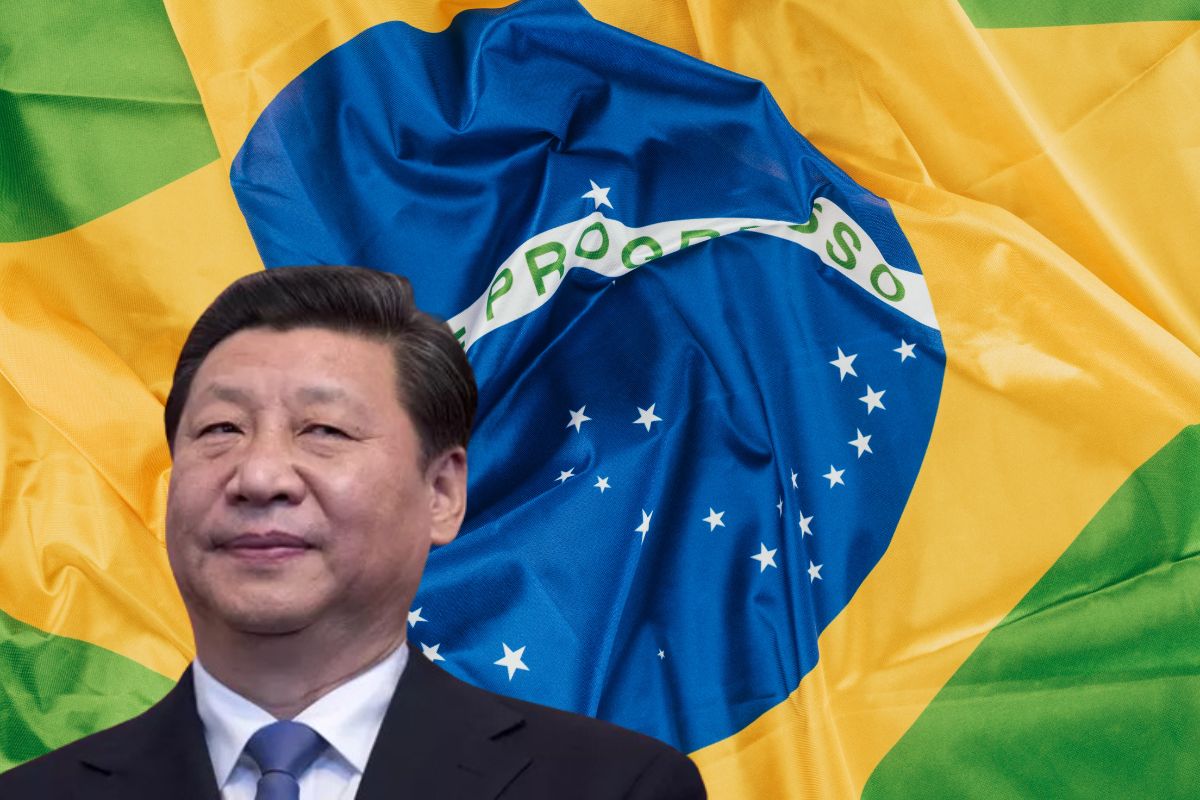
In-Depth Analysis of How the Trade Relationship with China, While Boosting Agribusiness, Deepens Brazil’s Deindustrialization and Technological Dependence, Creating a Paradox for National Sovereignty.
Brazil faces a complex paradox in its relationship with China. According to multiple studies and economic data, the partnership that started as a great trade opportunity has evolved into a growing technological and economic dependence. Although China is the main destination for Brazilian exports, driving agribusiness, this very relationship has contributed to a decline in the national industry and raised serious questions about the country’s sovereignty.
The analysis of the trajectory of this partnership over the past decades reveals a scenario of two sides. On one hand, a trade surplus based on commodities. On the other, a loss of industrial competitiveness and increasing vulnerability in strategic sectors, such as technology and energy. Understanding this dynamic is crucial to decipher Brazil’s economic future.
From Commodity Boom to Structural Dependence
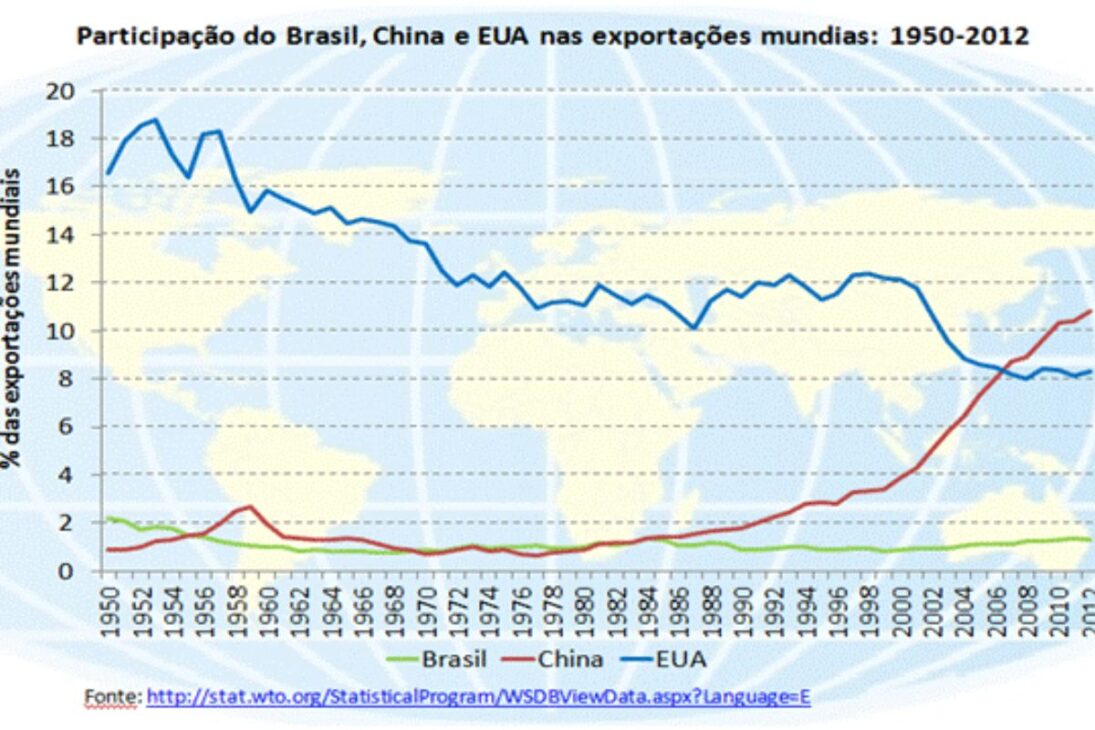
The Brazil-China relationship changed significantly in 2009, when China surpassed the United States and became Brazil’s main trading partner. Chinese demand for soybeans, iron ore, and oil boosted Brazilian exports, which today have the Asian giant as the destination for about 27% of their products.
-
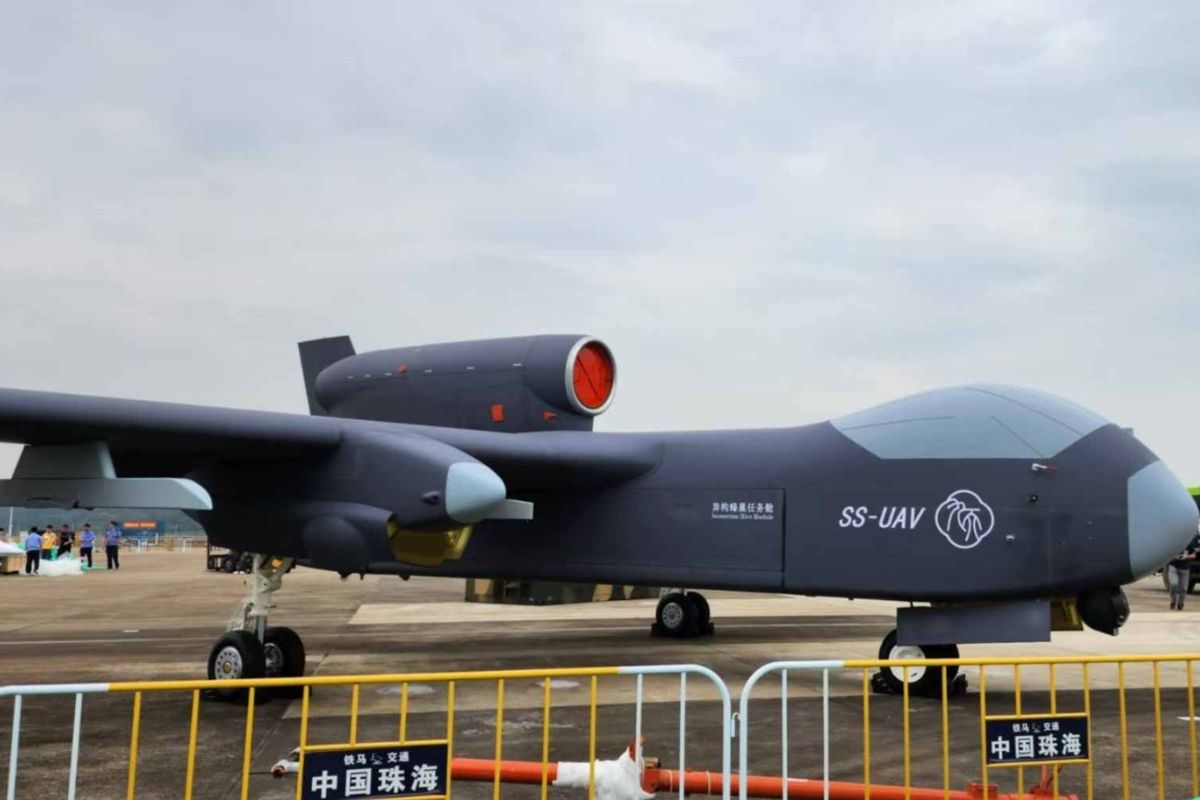
China has just tested a giant drone the size of a fighter jet with a wingspan of 25 meters that carries 6 tons, flies for 12 hours, and the most frightening part: it can launch entire swarms of smaller drones directly from the air.
-
In the center of the Milky Way, there is a sleeping monster with a mass of 4 million suns, and NASA has already set the date for its awakening: in 2 billion years, a neighboring galaxy will collide with ours and feed it with fresh gas.

-
The Earth has just broken a record that almost no one noticed: the planet is retaining more heat than ever, and the UN warns that this invisible “thermal debt” could trigger heatwaves, storms, and coastal flooding for centuries.

-
Three submerged shipwrecks from the Iron Age found in the port of Dor challenge what was known about trade in the Mediterranean, and only 25% of the site has been excavated.

However, this partnership focused on low-complexity products accelerated a process of “deindustrialization” of the economy. According to the Economic Complexity Index (ECI), which measures the diversity and sophistication of a country’s export basket, Brazil fell from 40th place in 2001 to 54th in 2023. In the same period, China rose into the top 20, reflecting a loss of the Brazilian market to Chinese manufactured products.
Chinese Dominance in Strategic Sectors
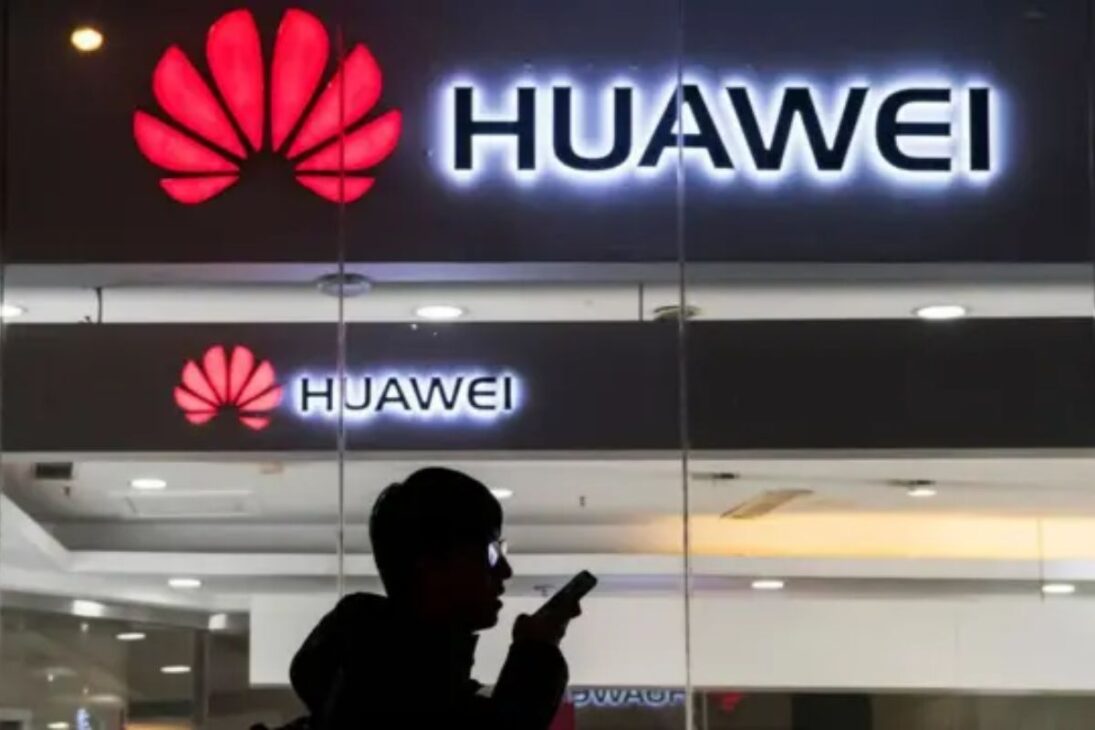
Dependence on China goes far beyond trade. Brazil has become a major importer of Chinese technology in vital sectors, such as telecommunications (5G), data centers, and artificial intelligence (AI).
Huawei: the Chinese giant, led in Brazil by CEO Ruan Wei, dominates the 5G market and announced in July 2025 its intention to expand its data centers in the country to support cloud and AI services.
ByteDance (TikTok): also in June 2025, the company announced plans for investment in cloud and AI in Brazil, despite security warnings from the U.S.
This dependence poses risks. In 2024, discussions on the social media platform X (formerly Twitter) warned that about 70% of the technological components used in Brazil already come from China, making the country vulnerable to supply chain disruptions.
Economic Impacts
Brazil’s relative decline in global economic rankings is notable. In 1985, Brazil’s GDP represented 40% of China’s; by 2025, this ratio is only 12%. Brazilian industrial productivity has been stagnant since 2006, with the country running a deficit in the trade balance of high-tech products.
A study by the Institute for Industrial Development Studies (IEDI), from 2024, showed that the increase in Chinese participation in Brazilian trade coincided with a decline in economic complexity and a loss of jobs in national manufacturing.
| Indicator | 2009 | 2025 | Impact |
| Exports to China (% total) | 11% | 27% | Increased dependence on commodities |
| Technological Deficit (US$ billion) | 0 | -50 | Loss of local innovation |
| Brazil GDP vs. China (%) | 40% (1985) | 12% | Relative decline |
Between U.S. Pressure and “Empty Sovereignty”
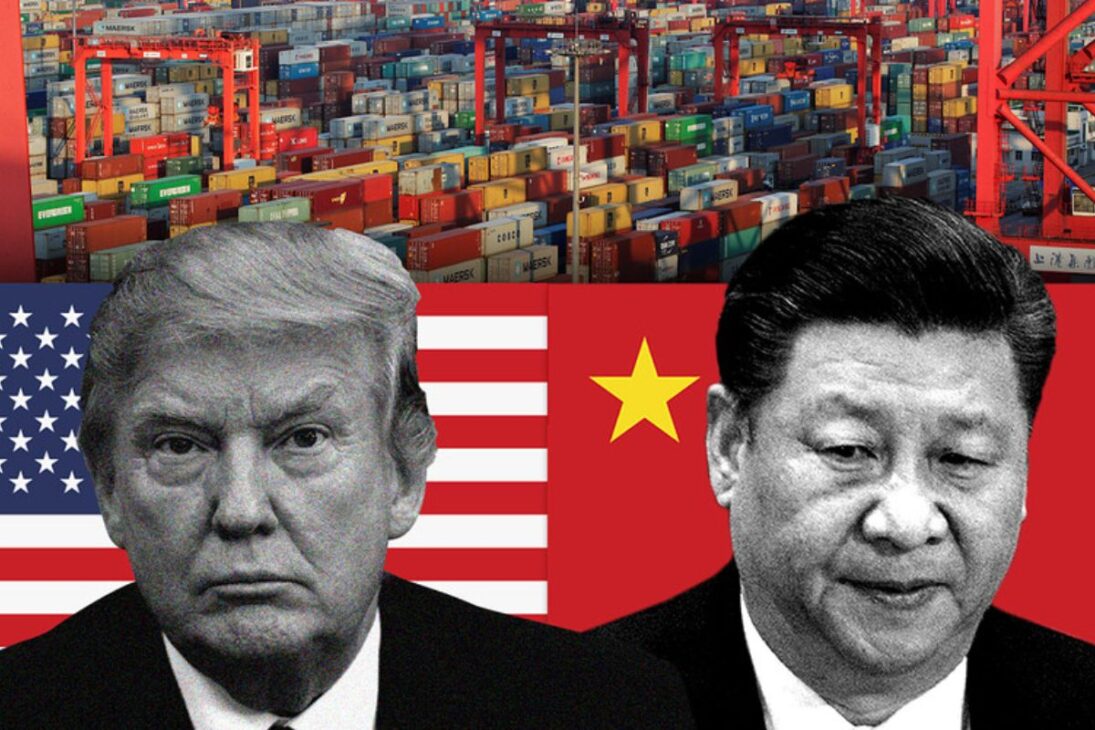
The growing dependence on China places Brazil in a delicate position in the geopolitical landscape, especially in light of the dispute between Washington and Beijing. Measures such as tariffs imposed by Donald Trump’s government in 2025 force Brazil to navigate a high-tension environment.
Public debates, many of them occurring on platform X, criticize what they call “empty sovereignty,” where government autonomy rhetoric contrasts with a reality of economic and technological subordination. The concern is that excessive alignment with China could lead to digital isolation and a loss of strategic autonomy.
Future Trends and the Way Forward
The digital transformation market in Brazil is projected to grow by 13.54% per year until 2030. However, if this growth is dominated by Chinese technology, it could stifle local innovation.
To reverse this trend, experts point to the need to invest in national research and development, diversify commercial and technological partners, and prioritize sovereignty in strategic areas. Without a change in course, Brazil risks deepening a cycle of stagnation and dependence that has already lasted more than a decade.
What is your opinion on Brazil’s relationship with China? Is it a strategic partnership or a risky dependence?






-

Uma pessoa reagiu a isso.