





 Portuguese
  English
  Spanish
 3 min of reading


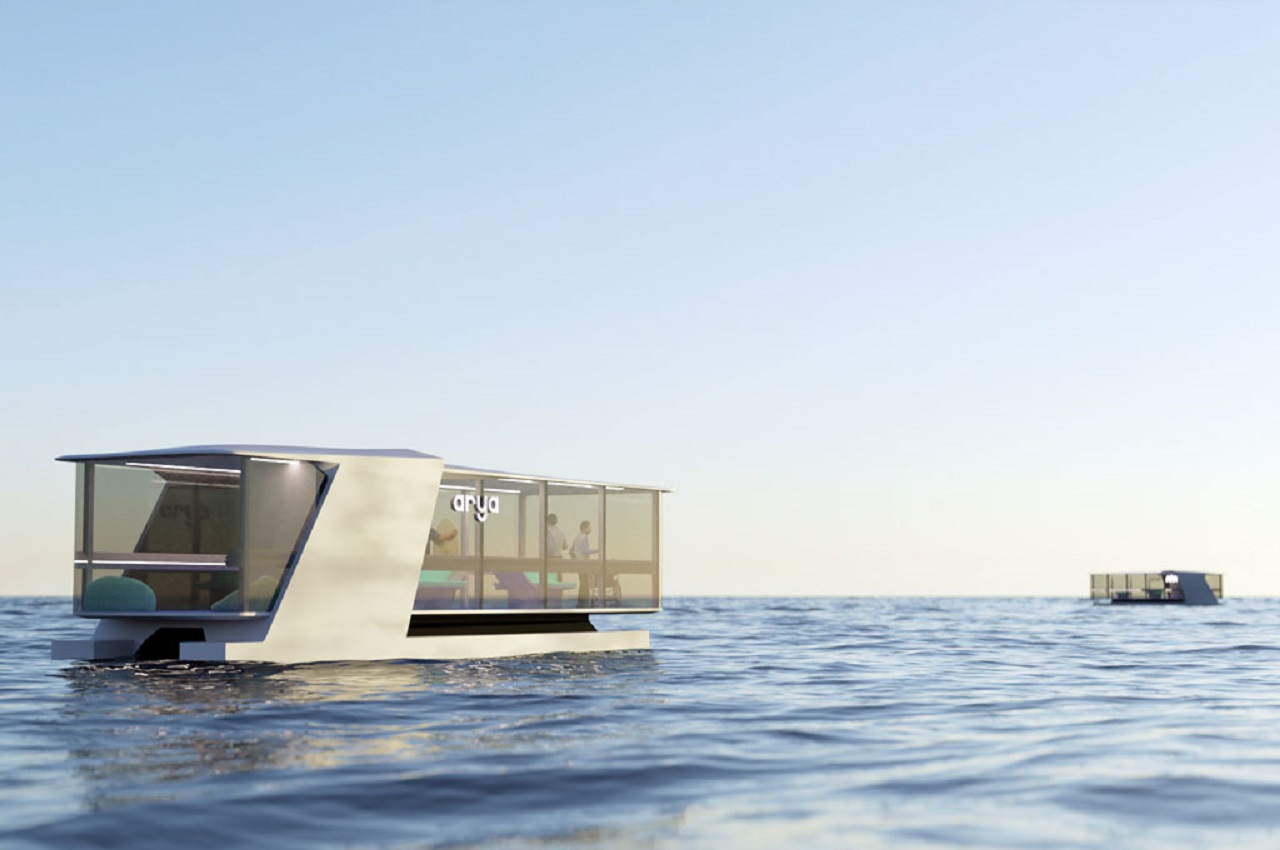
The Online Travel Platform Hurb Labs Closed a Partnership with TideWise for the Development of an Autonomous Vessel That Will Contribute to Transportation in Rio de Janeiro
The online travel platform Hurb Labs, part of Hurb, has closed a partnership with TideWise, a Brazilian technology-based company that provides maritime solutions, for the development of an innovative project using autonomous and eco-friendly ship technology. The new transportation, which will operate in the transfer of passengers through the waterways of the Rio de Janeiro, is expected to be ready by December this year. The new partnership between the companies aims to explore some waterway routes in the city to connect tourist attractions and significant hubs, such as downtown Rio, Sugarloaf Mountain, the Peninsula in Barra da Tijuca, and the Jardim Oceânico subway station.
Autonomous Vessel in Rio de Janeiro Can Be Controlled in Real Time
The ship of the online travel platform is named “Arya,” synonymous with essential and noble, referring to Hurb’s values. The term is also linked to air and is a special tribute to Hurb’s mascot.
The autonomous ship uses laser sensors, camera systems, and radars to navigate safely, sharing the same waterways as conventional ships in Rio de Janeiro. In addition, it can operate in various weather conditions, carrying multiple sensors that collect environmental data. The communication of the online travel platform’s vehicle is done via 4G, satellite, or radio link with a range of up to 18 km, allowing the operator to control and monitor the autonomous vessel in real time.
-
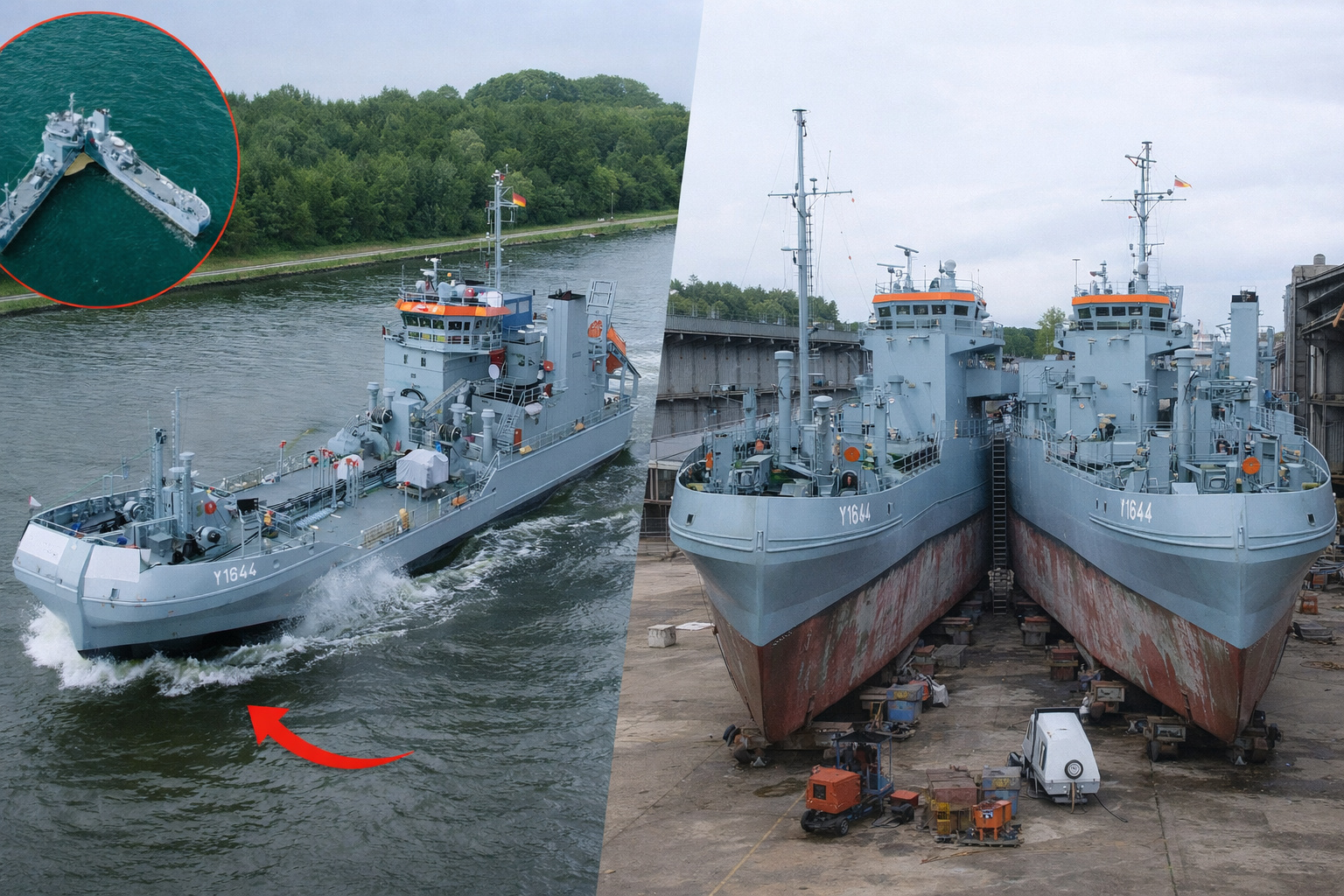
The German ship Bottsand splits its hull in two halves in the middle of the ocean to swallow spilled oil on the surface, separating the oil from the water inside a 790 cubic meter tank and then closing again. It is the only ship in the world factory-designed to split in half as part of normal operations, and the crew of six people who operate everything is civilian.
-
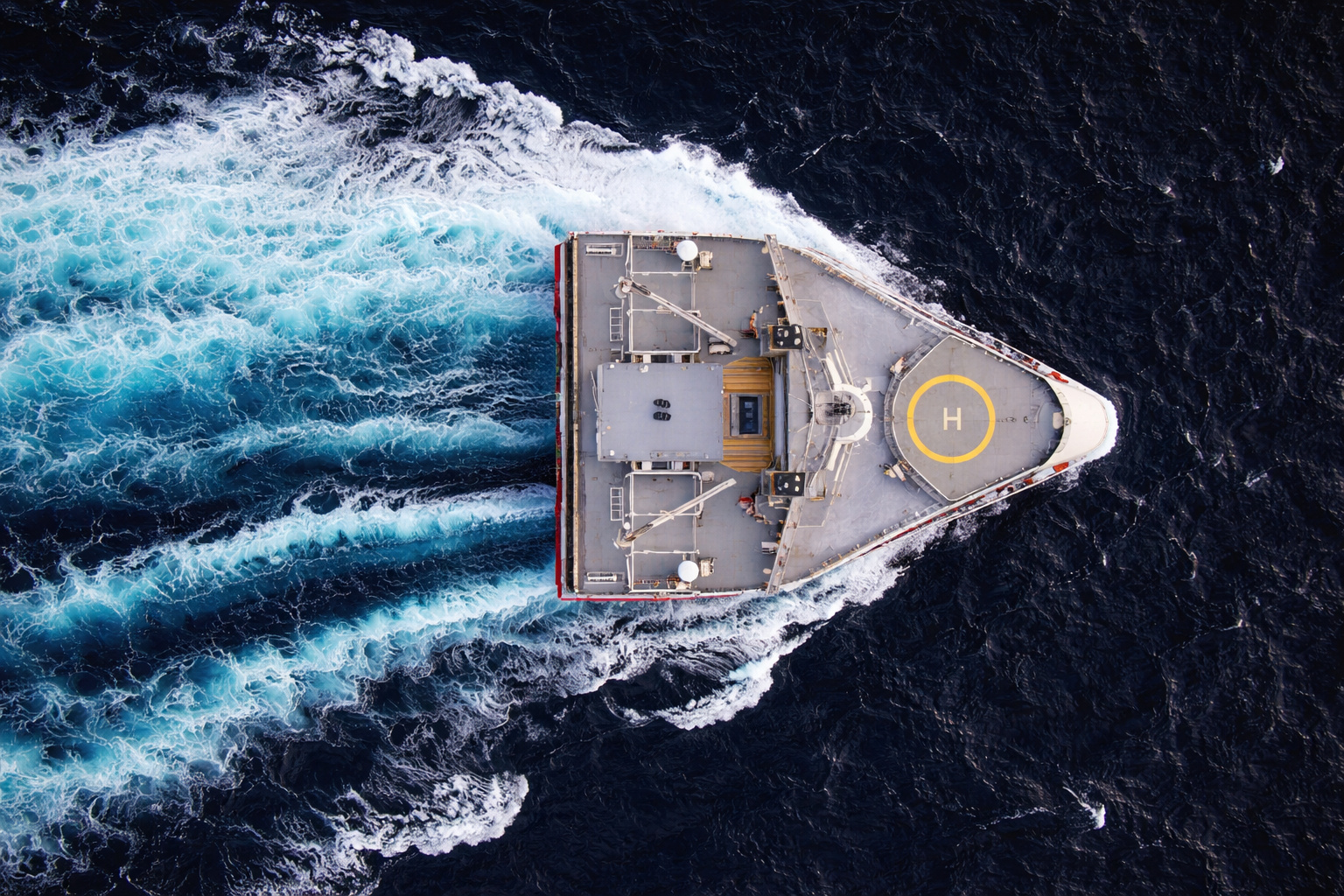
With almost 70 meters in width at the stern and a shape resembling a “giant slice of cheese,” the Ramform Titan tows up to 24 seismic cables to sweep the ocean floor in 3D and reveal oil reserves hidden beneath kilometers of sediment.
-
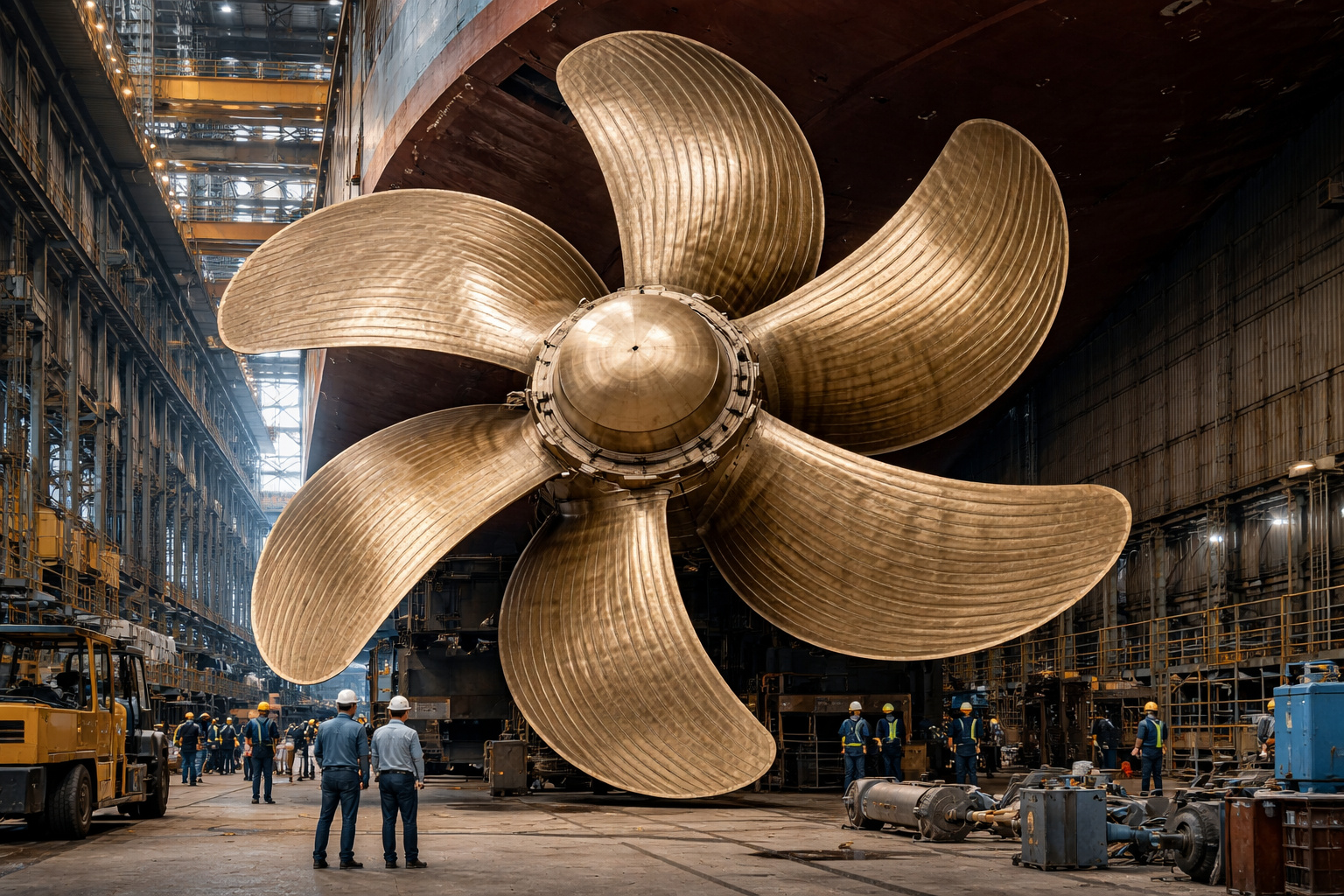
How a 131-ton, 11-meter propeller supports 90% of global trade and transforms the largest container ships on the planet.
-
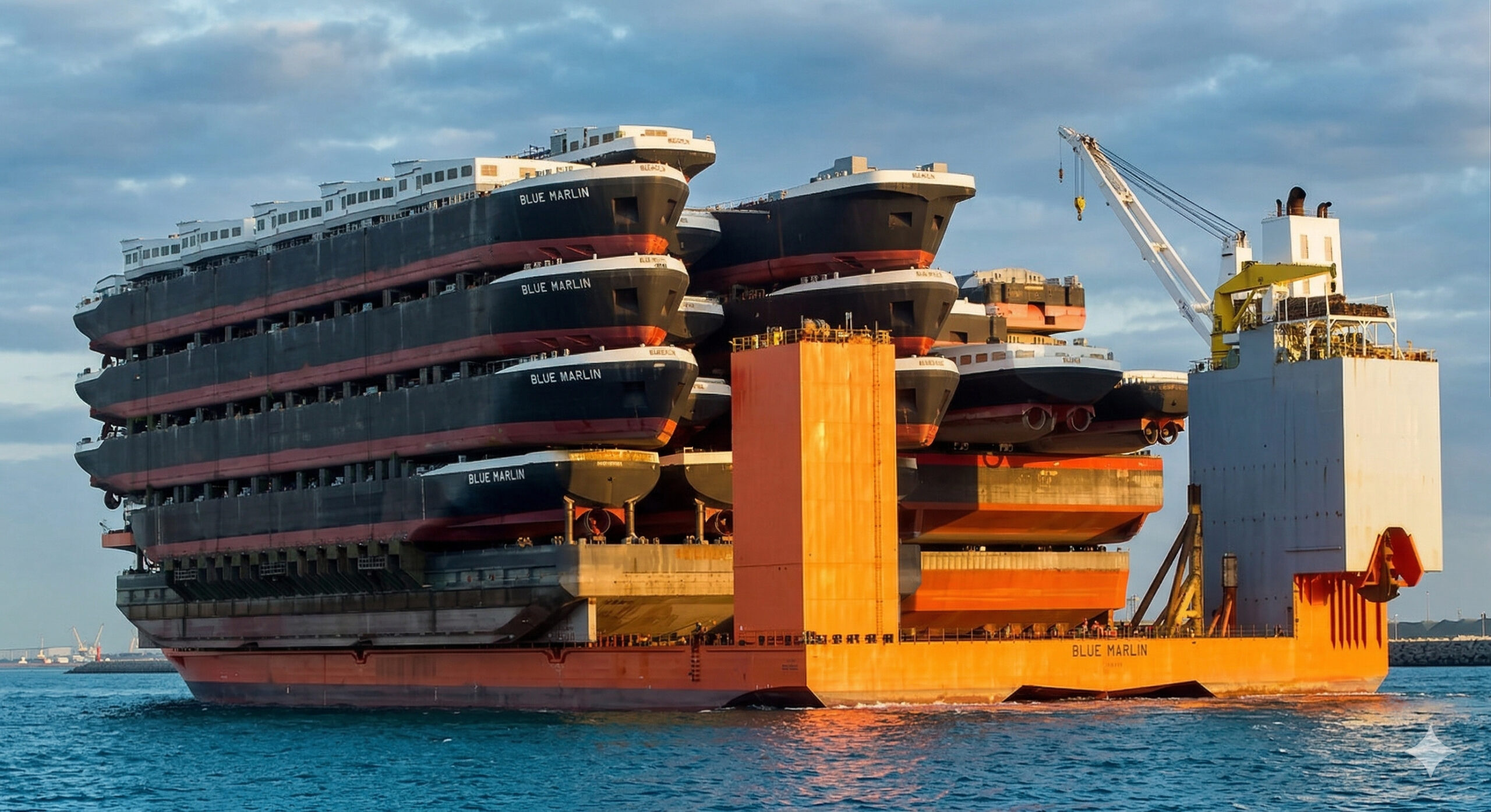
With a length of 225 meters and a capacity of 76 thousand tons, this ship “sinks” its own deck down to 28 meters deep to accommodate war destroyers, oil platforms, and giant radars floating above, and then emerges with everything intact on top like a colossal tray crossing oceans.

According to João Ricardo Mendes, founder and co-CEO of Hurb, the company is very excited about the project in Rio de Janeiro. Transportation via waterways could bring a creative and flexible experience, with navigation through the nature of the lagoons in Barra da Tijuca. In addition to convenience, the initiative is sustainable, potentially drawing attention to environmental preservation through the visibility the company hopes to achieve.
Autonomous Ship Will Contribute to Urban Mobility
For the creators, the autonomous ship will be a new urban mobility option that can help save time for various people and integrate into an existing network.
According to Rafael Coelho, naval engineer and specialist in autonomous vessels and CEO of TideWise, the company and the online travel platform are applying all their Brazilian and international work experience to make passenger transportation safer, collaborating with the Brazilian Navy to develop the first provisional regulation for this type of vessel. The proposal aligns with global practices, and there is a worldwide consensus for regulations to be similar.
Understand How the Autonomous Vessel System Will Work
For now, the vessel will transport employees of the online travel platform in Rio de Janeiro on the route between the Peninsula, where the company is headquartered, and the Jardim Oceânico subway station, on round trips lasting 20 minutes with a capacity for 15 people.
The system will be fully electric, thus it will not emit polluting gases. Solar panels will be installed on both the ship and the docking pier, which will be used as a charging station, contributing to the charging of batteries and reducing environmental impact even further.
In addition, the online travel platform’s autonomous ship will use artificial intelligence to detect pollution and oil in the water during its travels, thereby assisting regulatory agents in environmental control measures.









Seja o primeiro a reagir!