





 Português
  Inglês
  Espanhol
  4 min de leitura
  0 comentários


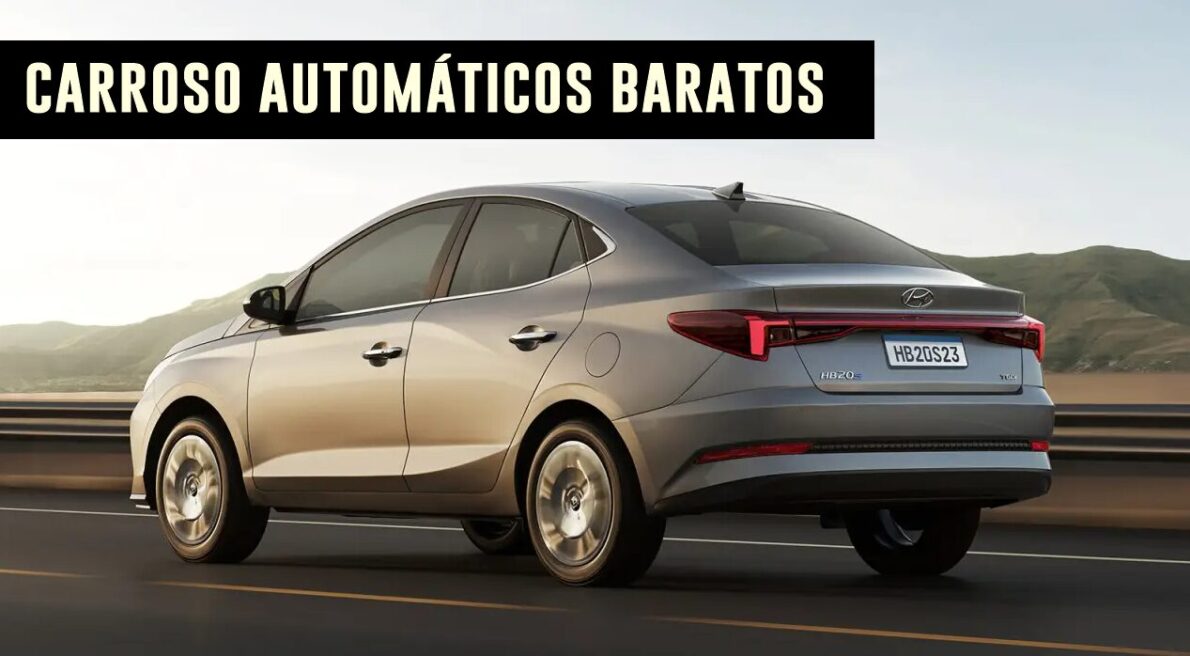
The rise in car prices and fuel costs is causing many consumers to rethink their vehicle exchange or even the purchase of their first vehicle. In this scenario, the interest in economical automatic cars is increasing, as they offer efficiency in both fuel consumption and cost-effectiveness to help save fuel. In this context, Hyundai, Toyota, and Honda stand out.
If you are looking to save, both when purchasing and fueling, there are several options for automatic cars that can meet your needs.
In this text, we will explore three models that stand out for their fuel-saving capabilities and advanced technology, including autonomous cars, a trend that promises even more savings and convenience in the future.
-
OMODA & JAECOO grows in Europe in 2026 with an integrated strategy of sales, innovation, local production, and technological advancement in the United Kingdom, Italy, and Spain.

-
OMODA & JAECOO expands after-sales service in Brazil with competitive maintenance, a 7-year warranty, and high availability of parts for technological SUVs.

-
OMODA & JAECOO appoints Alessandra Souza as executive marketing director in Brazil and accelerates brand expansion with a focus on innovation, networking, and hybrid portfolio.

-
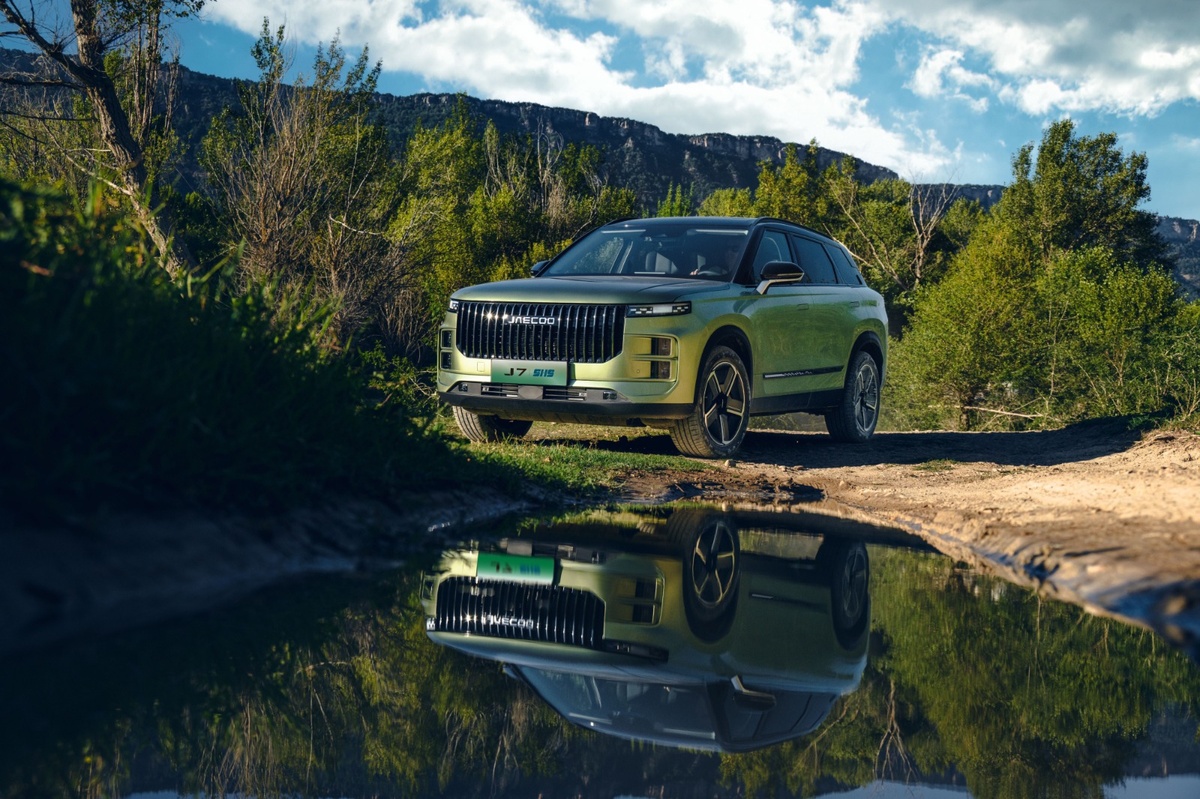
Jaecoo 7 with super hybrid SHS system exceeds 1,200 km of combined range with a 1.5 turbo engine, high-density battery, and intelligent energy management.

How To Choose Economical Automatic Cars?
When looking for an economical automatic car, it is essential to consider some criteria. Besides the purchase price, it is important to check the average fuel consumption in your daily routine, the engine power, comfort and safety features, as well as the reliability of the brand. These factors help ensure that your choice will be efficient in the long run.
A crucial point for anyone seeking savings is to check fuel consumption. In Brazil, this information can be easily found in the Brazilian Vehicle Labeling Program (PBEV) from Inmetro. This tool helps compare the consumption of various models available on the market.
Now, check out three options for automatic cars that stand out for their energy efficiency and could be excellent choices for those seeking savings, including the potential incorporation of technology in autonomous vehicles.
1. Hyundai HB20S
The Hyundai HB20S is an excellent choice among economical automatic cars. Equipped with a 1.0 turbo engine, it delivers 120 hp of power and 17.5 kgf.m of torque. Running on gasoline, the model achieves an average of 14.7 km/l on the highway and 12.8 km/l in the city. With ethanol, the numbers drop to 10.6 km/l on the highway and 9.5 km/l in the city.
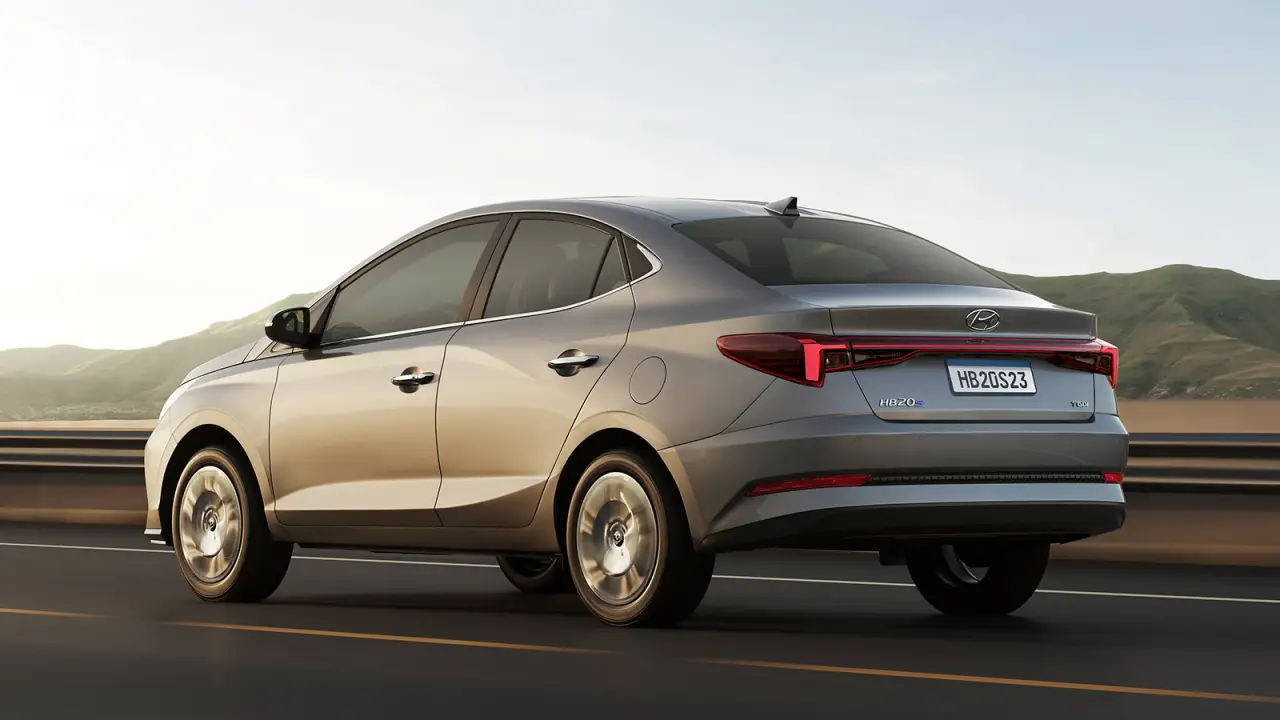
Additionally, the Hyundai HB20S is available in both automatic and manual versions, with the most accessible automatic version being the Platinum, starting at R$ 104,090. If you are looking for an economical automatic car, the HB20S is a competitive option.
With technological advancements, it is possible to imagine a future where models like the HB20S could adopt autonomous car solutions, offering even more savings and convenience for drivers.
2. Toyota Yaris Sedan
Another standout model is the Toyota Yaris Sedan, with a 1.5 engine and a CVT transmission that simulates seven gears. This car offers excellent fuel economy, with an average of 9 km/l in the city and 10.6 km/l on the highway with ethanol. When running on gasoline, the numbers improve even more: 13 km/l in urban driving and 14.4 km/l on the highway.
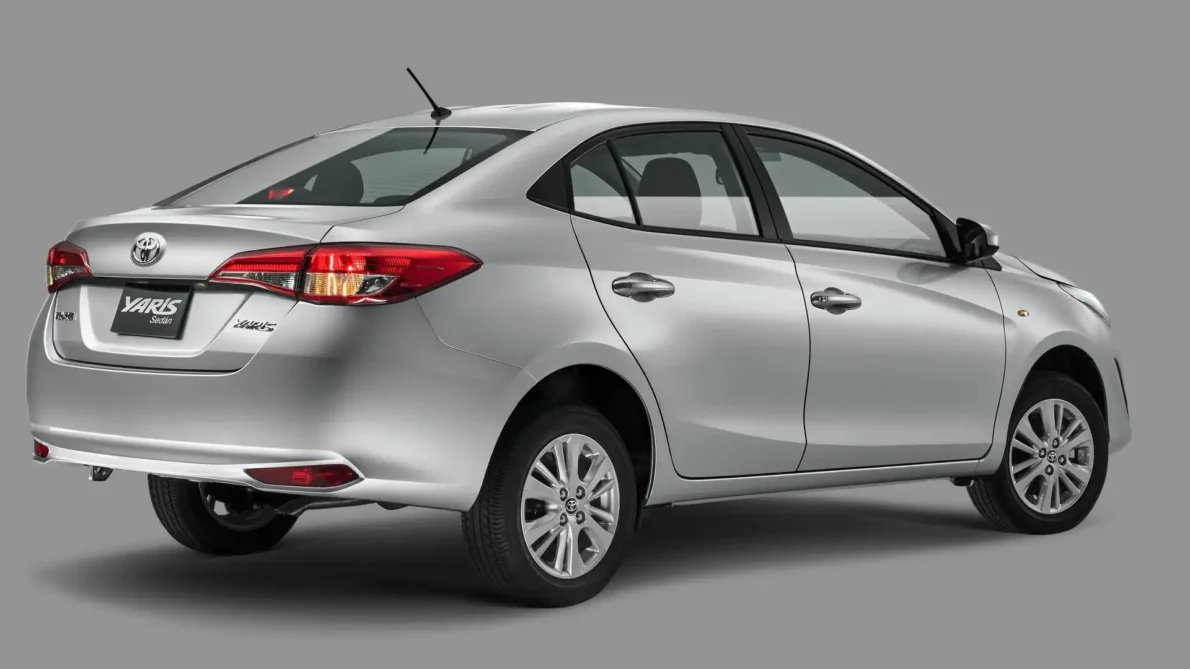
Launched in 2018 in Brazil, the Yaris Sedan has a starting price of R$ 97,590 and, besides fuel economy, offers comfort and safety. With the rise of autonomous vehicles, it is possible that the Yaris Sedan will incorporate these technologies, making it an even more interesting option for those seeking innovation and savings.
3. Honda City 1.5 CVT
Finally, the Honda City 1.5 CVT also stands out among economical automatic cars. With a 1.5 flex four-cylinder engine, the sedan offers 126 hp of power and 15.5 kgf.m of torque. It features a CVT automatic transmission that simulates seven gears, ensuring smooth and efficient driving.
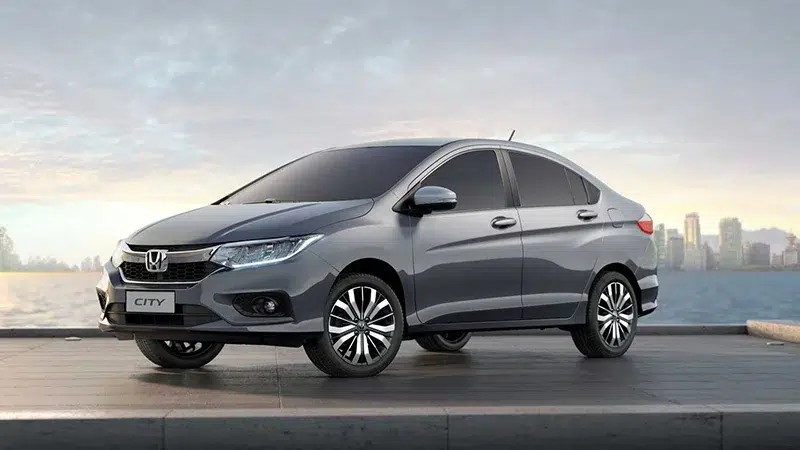
The Honda City consumes 9.2 km/l in the city and 10.5 km/l on the highway with ethanol. When fueled with gasoline, the average rises to 13.1 km/l in the city and 15.2 km/l on the highway. With a starting price of R$ 110,200, the Honda City is a viable option for those seeking savings and performance in an automatic car.
Just like the other models mentioned, the Honda City has the potential to benefit from autonomous car technology in the future, which could further enhance its efficiency and savings.
The Future of Autonomous and Economical Cars
In addition to the options available from Hyundai, Toyota, and Honda, autonomous car technology is gaining traction and promises to transform the way we move. Autonomous cars can optimize fuel consumption by using technologies that adjust driving more efficiently, reducing energy waste.
Although autonomous cars are not yet widely available, many automakers are already investing in the development of this technology. The expectation is that in the coming years, we will see more autonomous models on the market, offering savings and convenience, especially concerning fuel consumption.
If you are looking for economical automatic cars, it is worth keeping an eye on technological innovations, such as autonomous vehicles, which promise to bring even more benefits to consumers.










Seja o primeiro a reagir!