





 Portuguese
  English
  Spanish
  4 min of reading
  3 comments


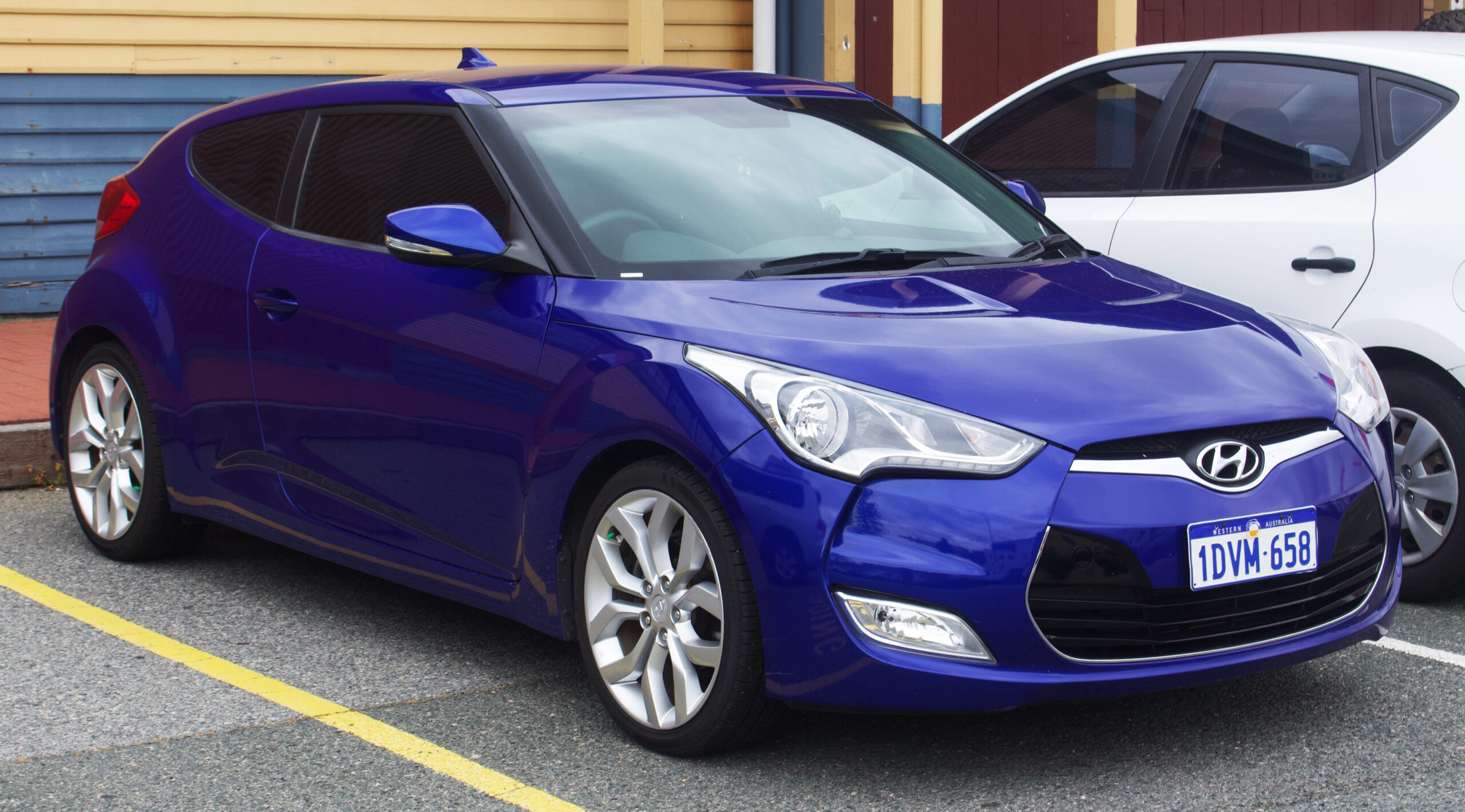


Hyundai Veloster 1.6, Once a Sales Failure and Target of Criticism, Is Reborn as a Rare Coupe Desired by Collectors; Unique Visual and Reliable Mechanics Drive Demand.
When the Hyundai Veloster landed in Brazil in 2011, everything indicated that it would dominate the modern coupe segment. The aggressive design, panoramic roof, futuristic interior, and primarily, the asymmetrical three-door layout created the impression that Hyundai had launched a new affordable sports car. The expectation was for a strong, fast car with performance to match the design. But once the public discovered that the Brazilian model was equipped with the 1.6 Gamma engine with 128 hp, the same used in compacts, the promise crumbled. The result was immediate: harsh criticism, weak sales, and the transformation of the Veloster into one of the biggest automotive “failures” of the decade.
More than ten years later, however, the story has completely changed. The same coupe that became a national joke is now regarded as a rarity, especially in well-preserved versions. The Veloster has practically disappeared from the streets, aged with personality, and perfectly fits into the phenomenon of “new classics,” recent cars that failed in the past but have begun to garner interest due to their unique visuals, distinct proposition, and low availability in the used car market. Now, it remains to understand how such a criticized model is resurging as a collector’s item.
The 1.6 Gamma Engine: The Most Controversial Point of the Veloster
The 1.6 16V Gamma flex engine with 128 hp has always been the biggest source of frustration for those expecting sports performance. It had no turbo, lacked significant torque, and didn’t provide accelerations worthy of its aggressive looks, even with a six-speed automatic transmission. The 0 to 100 km/h took more than 12 seconds, far from the sports standard of the time.
-
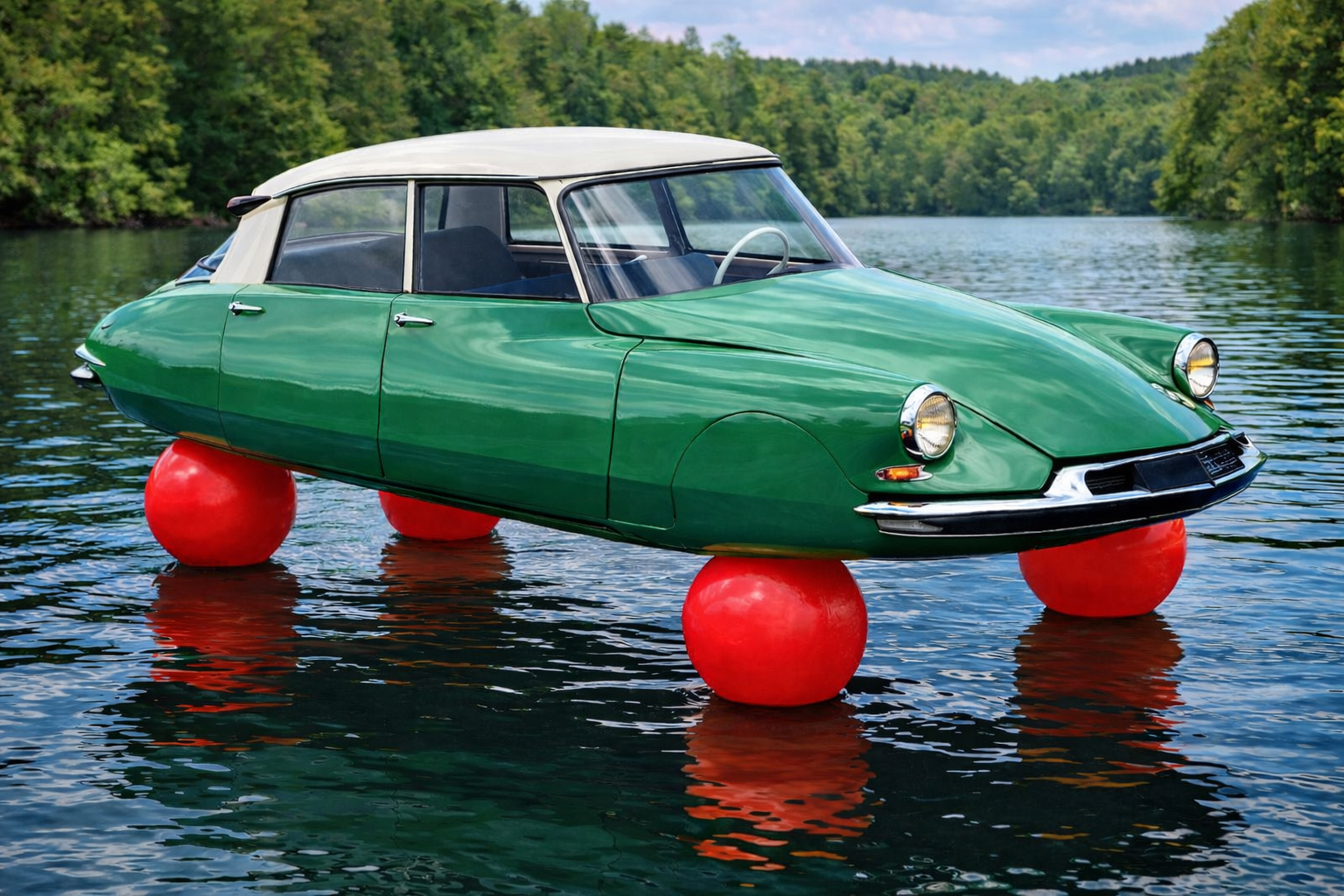
A French brand placed a car on four huge red balloons to prove that its suspension made the vehicle “float,” and the surreal scene became one of the most iconic and unusual images in automotive history.
-
Jeep Avenger begins production in Brazil, debuting as the brand’s new entry-level SUV and inaugurating an unprecedented phase by becoming the first national Jeep manufactured outside of Goiana, as part of a R$ 3 billion plan.
-
Costing R$ 12,490, the new Shineray Urban Lite 150 “cheap one” arrives in Brazil with a CVT transmission, digital dashboard, and LED lights, making it more affordable than the Biz and targeting those who want to abandon the bus.
-
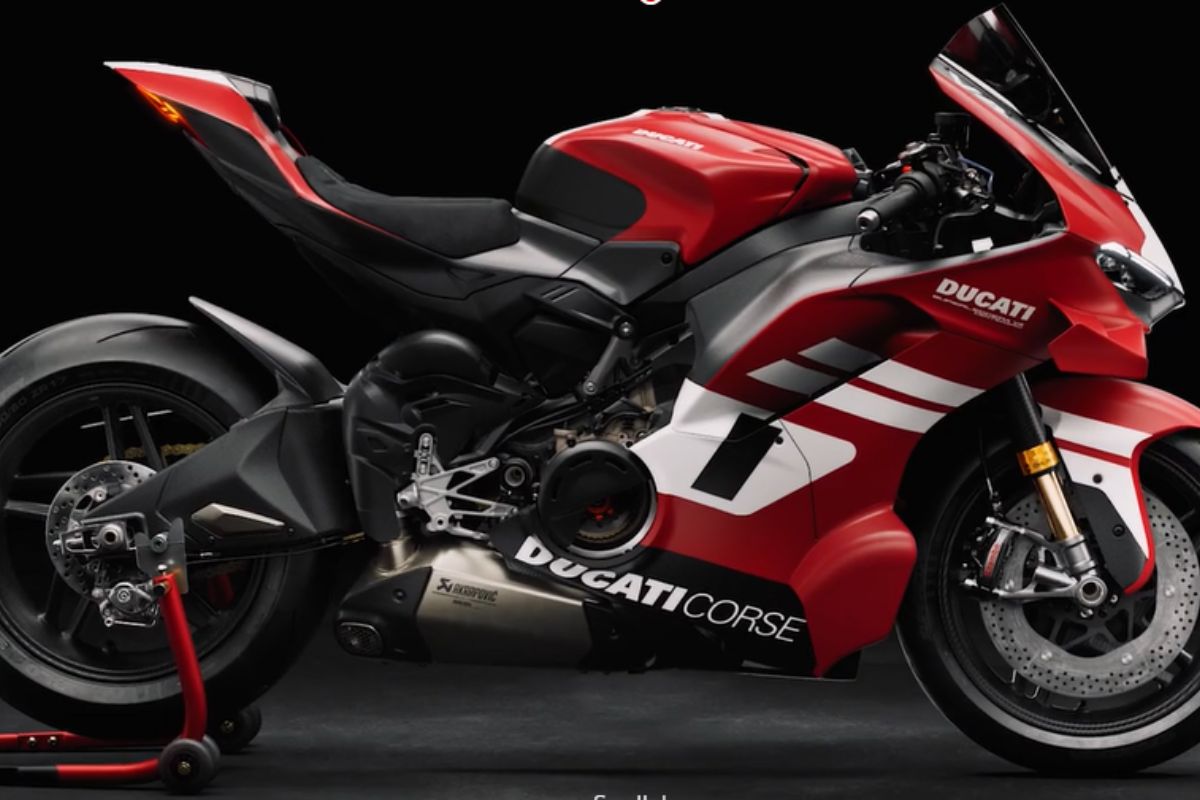
Ducati brings to Brazil the Superleggera V4 Centenario: 228 hp that become 247 with a track kit, carbon fiber and carbon-ceramic brakes, estimated price between R$ 1.5 and 2 million, deliveries only in 2027.



But what was once a point of criticism in 2011 has now become a positive aspect for those seeking the Veloster: it is an extremely reliable, simple, durable engine with accessible maintenance. It is a setup that rarely causes headaches when maintained at a basic level — and this is an important advantage for a coupe that has already entered the collectible car range.
Futuristic Design That Aged Well
What was seen as excessive in 2011 has now become an identity. The Veloster has lines that continue to attract attention, even after more than a decade. The low body, long roof, large taillights, and particularly the extra door on the passenger side create a visual that is not replicated in any other car sold in Brazil.
The rarity of the design, combined with the end of imports and the disappearance of examples from the streets, has created a curious scenario: the Veloster has matured into a unique visual piece, something no competitor has delivered.
The Commercial Failure That Boosted Its Valuation
The negative impact of the weak engine caused the Veloster to stagnate at dealerships, leading to one of the worst commercial performances Hyundai has ever faced here. But it is precisely this failure that now helps to appreciate the car. Since very few units were sold, and many did not survive well over the years, finding an intact Veloster, with low mileage and original interior has become a difficult task. And it is exactly this scarcity that has created interest among collectors.
The automotive market has always transformed failures into icons. This happened with the Fiat Marea Turbo, the Kadett GSi, the Peugeot 206 Rallye, and now it is happening with the Veloster. Young adults who saw the car on the streets when they were teenagers have come to see it as an “affordable dream.” Furthermore, the coupe has the perfect characteristics to become a collector’s item: bold design, low supply, reliable mechanics, and a controversial history that makes it stand out within the Brazilian industry.
What Drives Current Demand
In the last three years, sales platforms have reported an increase in searches for the model. Versions with panoramic roofs, original wheels, and unmodified interiors are the most sought after. The maintenance of the Veloster also surprises: despite its sporty looks, it is a relatively simple car to maintain. The Gamma engine has inexpensive parts, the automatic transmission is robust, and much of the maintenance can be done in regular workshops.

Another factor driving interest is the lack of direct competitors. Brazil no longer receives accessible coupes; anyone looking for a car with a sporty look and unique personality needs to seek used examples of models that are no longer produced — and the Veloster occupies exactly that niche.
The Veloster Is Proof That the Market Changes — and That Even Failures Have a Future
The Hyundai Veloster 1.6 with 128 hp has never been the sports car the public expected. It failed in sales, was criticized by the press, and became a meme for years. But, over time, the market reassesses everything. What was once a source of laughter is now treated as a rarity, a piece of growing value, and a niche model with a strong personality and unique history. The Veloster is a clear example of how design, proposition, and exclusivity can transform a commercial failure into a desired cult coupe.










O design do carro atrai, e realmente desperta interesse, mas parece que o consumo, não revelado na matéria, além do seu fraco desempenho, acaba prejudicando a venda .
Não conhece o carro. Ele é a gasolina e econômico.
Realmente o editor não revelou o consumo econômico do Veloster. Aliás, ponto positivo desse motor Gamma.