





 Portuguese
  English
  Spanish
  3 min of reading
  0 comments


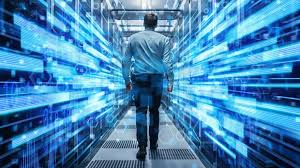
The Advancement of Artificial Intelligence and the Need for Renewable Energy Shape the Future of Data Centers
We are experiencing a fierce race for the introduction of new technological solutions in society, driven by various factors such as the advancement of science, the increasing demand for innovation, and the need to respond to global challenges such as climate change and social inequality.
It is easy to say that 2023 was the year of artificial intelligence (AI), especially generative AI. Adapting to its demands and exploring its potential will be significant tasks for the data center industry in 2024, along with addressing issues related to energy scarcity.
-
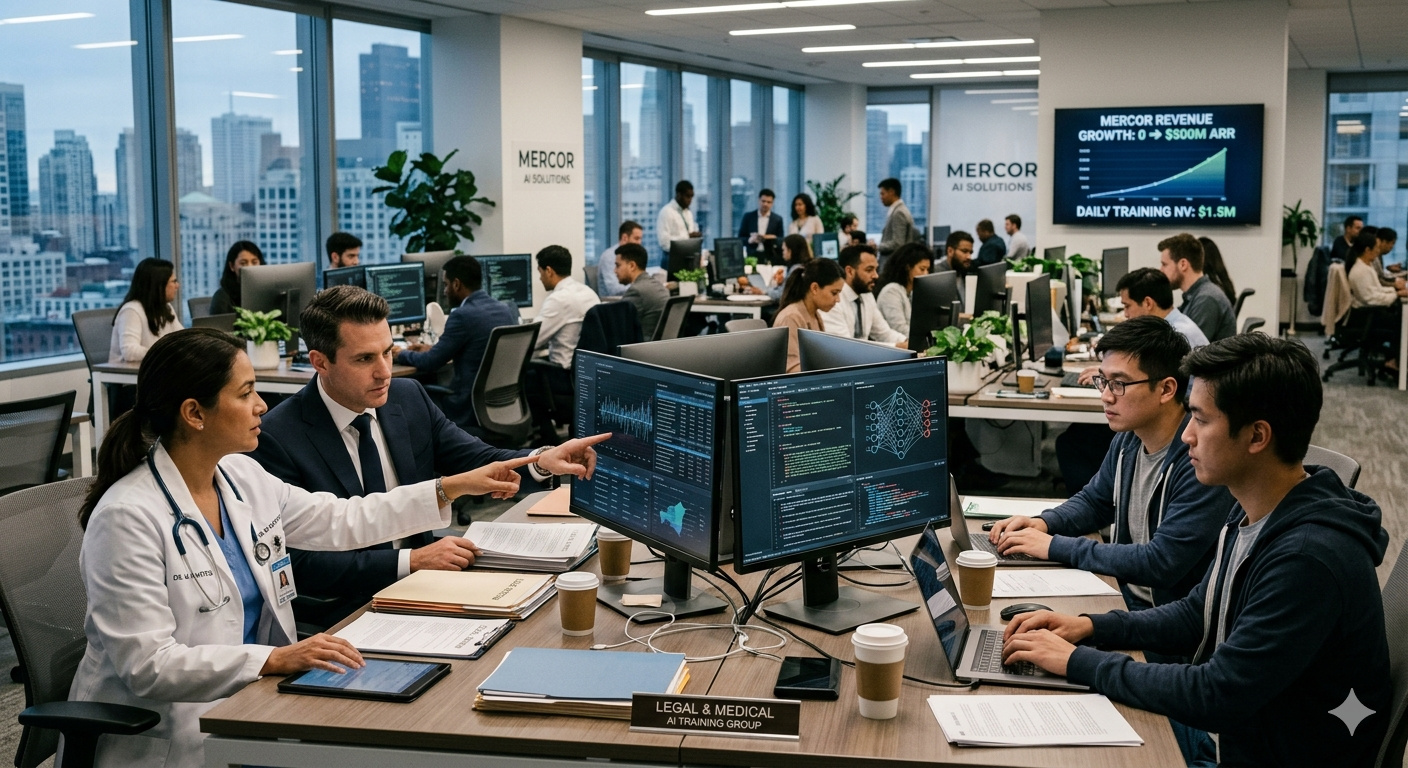
Mercor paid $1.5 million per day for doctors, lawyers, and former Goldman Sachs bankers to teach artificial intelligence to do their jobs, and in 17 months, it went from zero to $500 million in annual revenue while its own contractors accelerated the replacement of their own work.
-
Casio Unveils Moflin, Robotic Pet With Artificial Intelligence Designed To Provide Emotional Comfort And Simulate A Permanent Affectionate Bond

-
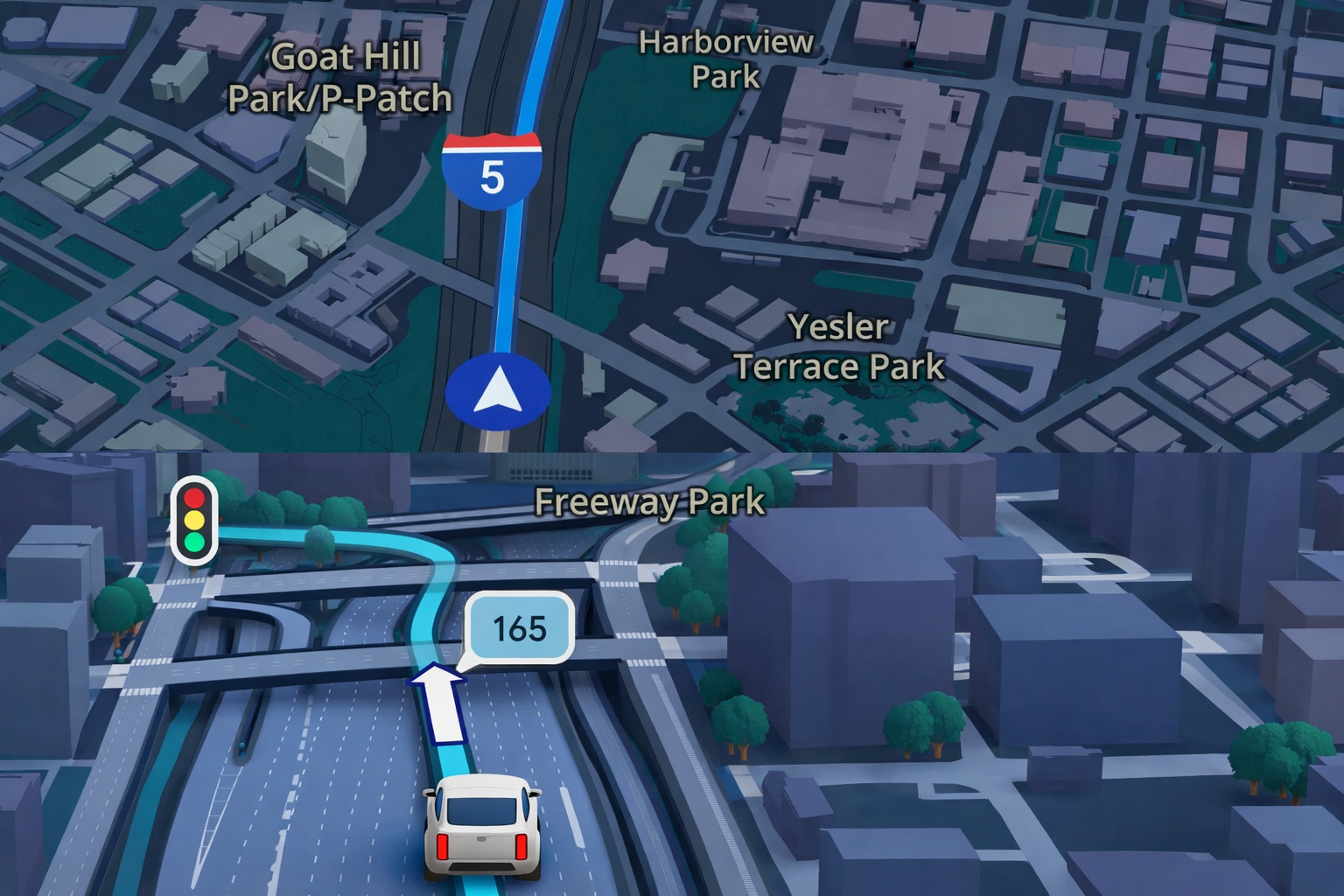
Google Maps Revolutionizes GPS Navigation With Gemini Artificial Intelligence, Ask Maps Feature, and Advanced 3D Visualization for Route and Travel Planning
-
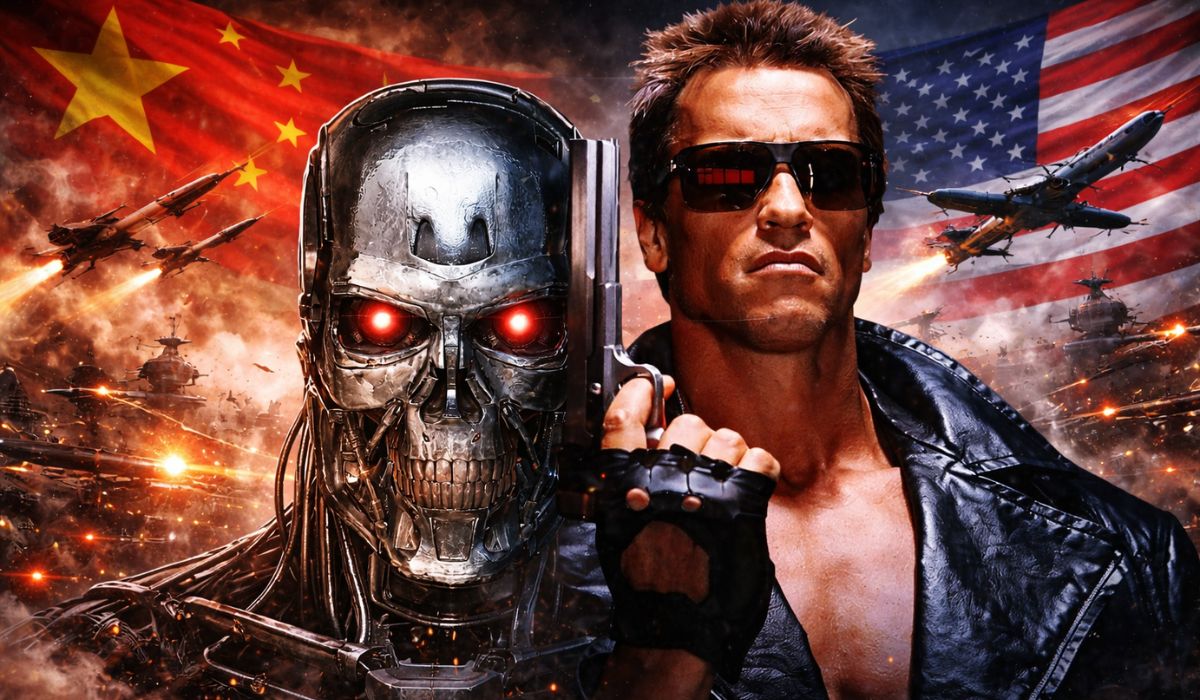
China Warns the U.S. of a “Terminator” Style Apocalypse: Military AI Rivalry, Sanctions Against American Startup, and Fear of Algorithms Deciding Who Lives or Dies Place the World on the Brink of a Nightmare That Seemed Like Fiction

Companies continue to adopt cloud computing, recalibrate deployments, and engage in digital transformation. However, the primary driver of demand for data centers in the coming years will be AI. Projections indicate that for every new standard data center, there will be three additional AI data centers, facing challenges such as higher server densities.
Impact of AI on the Data Center Industry
AI will not only impact the demand for data centers. AI-driven tools will provide more intelligence for utility energy control, backup, and cooling, as well as operational optimization, design and construction of data centers, maintenance, robotics, and much more.
However, the need for greater capacity is urgent. There are not many properties built to suit data centers available. In 2024, we will see more custom-built facilities across sectors, not just for internet giants. The modular infrastructure of a data center is a viable response, with the current economy supporting the efficiencies of modularity and emphasizing future guaranteed deliveries.
Sustainability and Renewable Energy
How to power these new data centers and meet carbon neutrality goals? Obtaining approval for a license requires renewable energy supply and understanding that the backup system could turn it into a power generation plant. Not all jurisdictions are comfortable with this idea, but this year we will see the industry turn this into something positive.
Large battery storage systems powered by renewable energy can benefit the regional grid and the local population. The idea is that, in addition to using excess stored capacity during times of excessive demand, operators can collaborate with utilities and sell energy during high-demand periods.
Emerging Trends: Green Diesel, Liquid Cooling, and Quantum Computing
It is worth highlighting three other emerging trends: alternatives to diesel, liquid cooling options, and quantum computing.
Green Diesel and Hydrogen: The reduction of hydropower and slower-than-expected wind and solar installations led to energy instability last year. Diesel is the quick response for data center operators in such circumstances, but this goes against sustainability commitments. Green (renewable) diesel and green hydrogen are options. The limited availability of raw materials for the former and an energy-intensive lifecycle for the latter make them suboptimal today, but this may change.
Liquid Cooling: The constant AI load heats servers, driving the evolution from air cooling to liquid cooling, which becomes a solution for AI clusters exceeding 20 kW/rack. Liquid cooling has not yet reached its “productivity plateau,” but it is essential to work it into new designs, although modernization is complicated and risky. In 2024, we will see more experimentation and testing.
Quantum Computing: Will this be the year that quantum computing leaves the lab and enters a typical data center? Probably not. However, it is not too early to think about protecting your infrastructure against quantum computers capable of compromising existing cybersecurity. In 2024, we will hear more about integrating secure elements into servers and software using quantum-resistant algorithms.
The advancement of AI has significantly impacted the information technology (IT) ecosystem. With the coinciding arrival of regulatory fears and setbacks, we are in a period of “hangover.” Anticipating steep growth, the industry faces economic, supply chain, and energy-related opportunities and challenges.
Leveraging the extensive resources that technology offers is a surefire way to gain clarity amid the tsunami of AI, the scarcity of data centers, power grid challenges, and much more.
Davi Lopes is Director of Distribution, Inside Sales, and Digital Transformation at Schneider Electric
Source: Gustavo Fritz.









Seja o primeiro a reagir!