





 Portuguese
  English
  Spanish
  3 min of reading
  0 comments


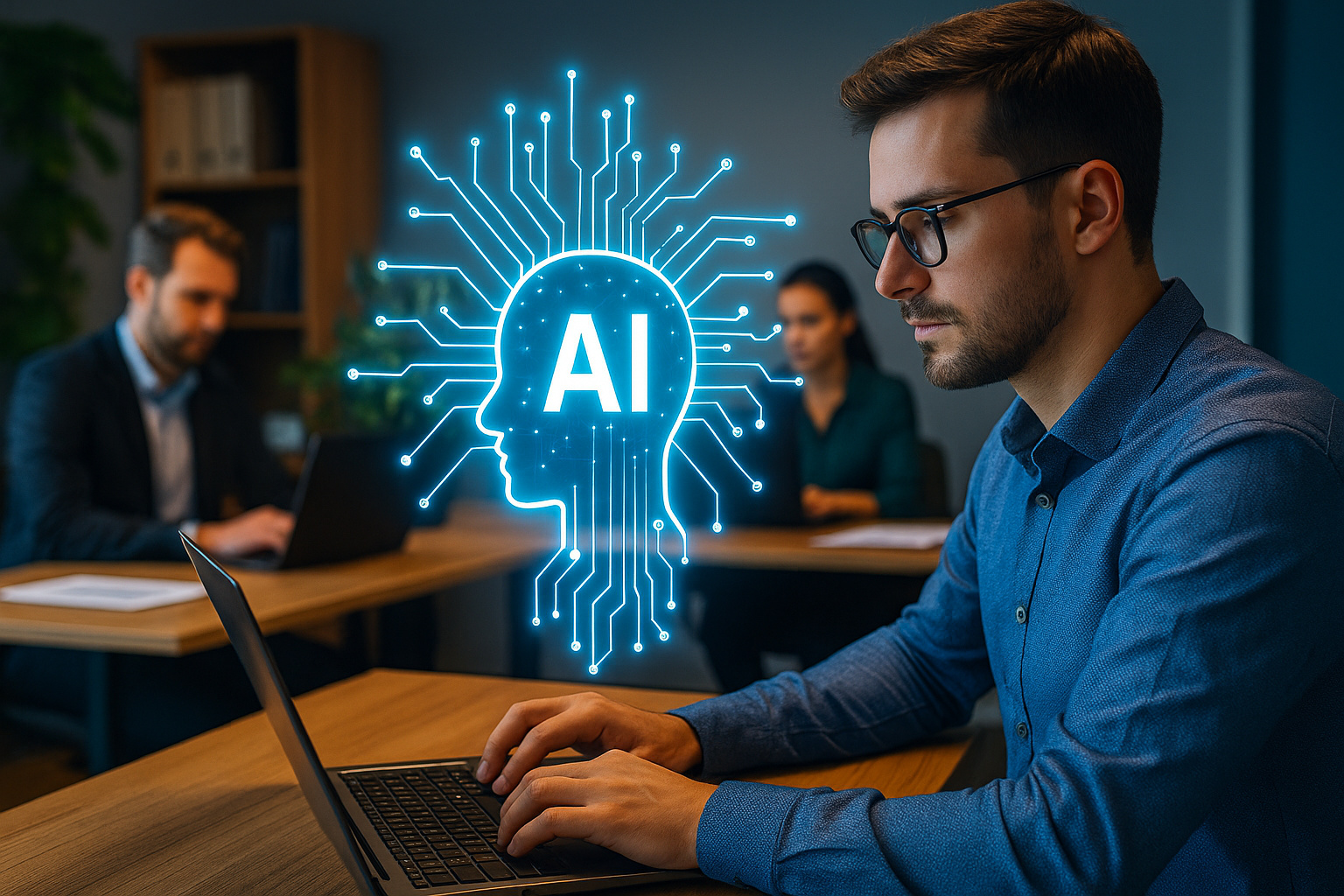
Understand How Companies Reinvent Internal Learning With New Technologies and Flexible Formats
The Brazilian corporate landscape in 2025 witnesses a remarkable transformation in how professionals absorb knowledge within companies.
According to disclosed data, the growing use of artificial intelligence and the advancement of the hybrid model have significantly modified traditional training methods.
Meanwhile, consulting firms like Deloitte highlight that, for 74% of companies, integrated online training is already seen as a strategic priority.
This format strengthens essential skills for an increasingly dynamic market.
Thus, managers see that to maintain high productivity, it is essential to invest in new digital solutions.
Companies Invest In Personalization
In addition, specialists from the Brazilian Institute of Corporate Governance (IBGC) emphasize that, currently, personalization has become a watchword.
With so many changes, human resources departments have started to adopt platforms with recommendation algorithms.
These systems adjust courses according to each individual’s needs.
Therefore, compared to traditional training, the new models allow employees to learn at their own pace.
Consequently, this generates more engagement.
In fact, since 2023, giants like TOTVS and Ambev have increased their budgets to expand learning paths based on AI.


Hybrid Model Expands Access
Meanwhile, another determining factor is the consolidation of the hybrid work model.
According to a survey by PwC Brazil, released in March 2025, about 62% of domestic companies mix in-person and remote activities.
Thus, to ensure that everyone has equal access to training, many organizations have adapted their programs.
These programs include interactive video classes and live workshops.
Therefore, even at a distance, employees can actively participate in group dynamics.
This flexibility also reduces operational costs.
The measure decreases the reliance on physical spaces for training.
-
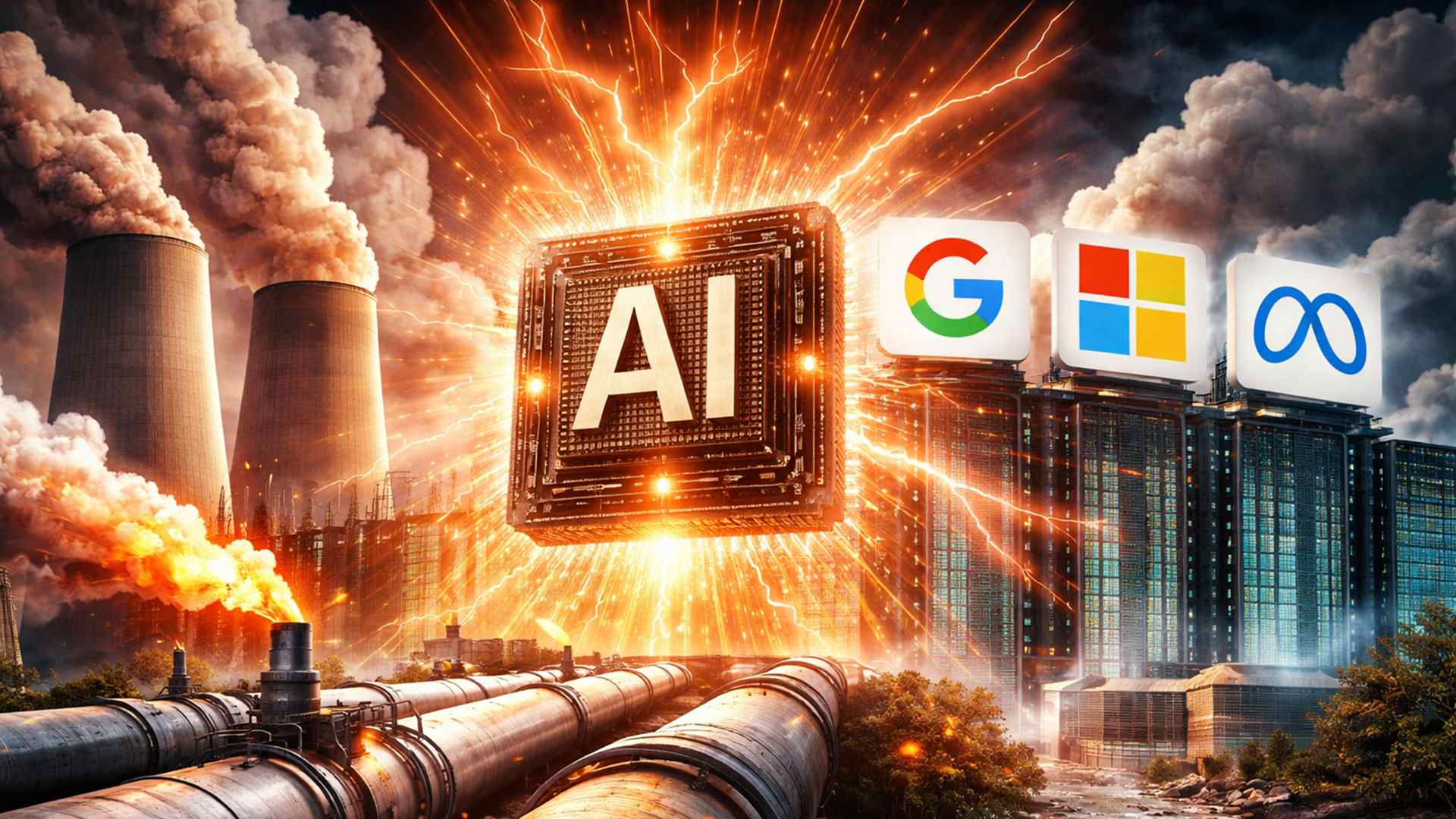
Artificial intelligence is skyrocketing energy consumption, raising emissions from tech giants and pushing Google, Microsoft, and Meta closer to natural gas.
-
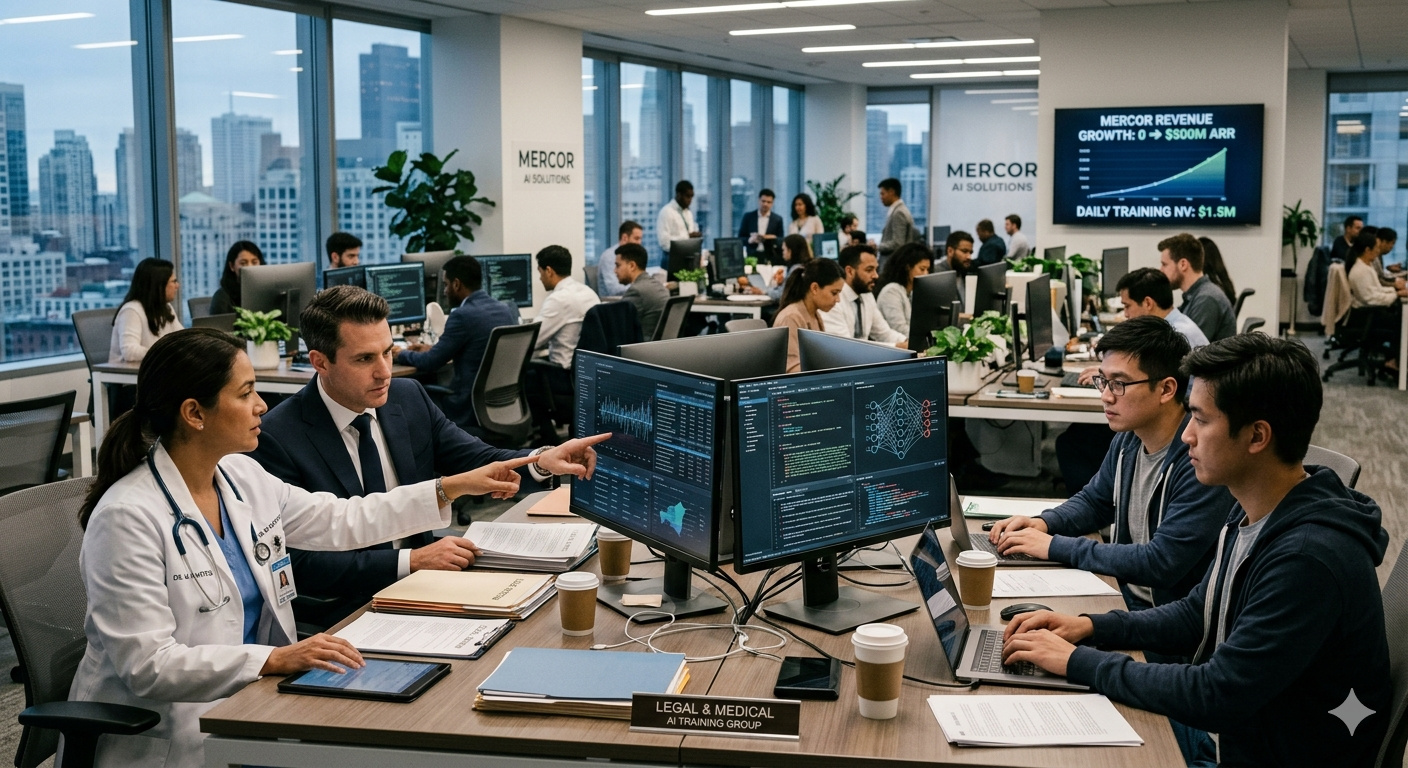
Mercor paid $1.5 million per day for doctors, lawyers, and former Goldman Sachs bankers to teach artificial intelligence to do their jobs, and in 17 months, it went from zero to $500 million in annual revenue while its own contractors accelerated the replacement of their own work.
-
Casio Unveils Moflin, Robotic Pet With Artificial Intelligence Designed To Provide Emotional Comfort And Simulate A Permanent Affectionate Bond

-
Google Maps Revolutionizes GPS Navigation With Gemini Artificial Intelligence, Ask Maps Feature, and Advanced 3D Visualization for Route and Travel Planning


Professionals Seek Constant Updating
On the other hand, the new dynamic benefits not only companies.
It also boosts the careers of professionals.
After all, in a constantly changing market, staying updated is crucial.
As reported by Folha de S.Paulo, since 2024, professionals who invested in digital courses have seen an average increase of 15% in their promotion chances.
Thus, many view continuous learning as a way to navigate the uncertainties of the job market.
In addition, data from LinkedIn Brazil shows that searches for online certifications grew 40% between 2022 and 2025.
This movement reinforces the relevance of digital training.
Challenges And Prospects For The Future
Despite the advancements, experts emphasize that the hybrid model requires constant oversight.
This practice prevents workload overload.
Additionally, the use of AI must respect ethical guidelines.
The technology cannot entirely replace the essential human contact necessary for developing soft skills.
Therefore, the trend for the coming years is one of balance: to unite technology and personal interaction, always with transparency.









Seja o primeiro a reagir!