





 Portuguese
  English
  Spanish
 5 min of reading
  0 comments


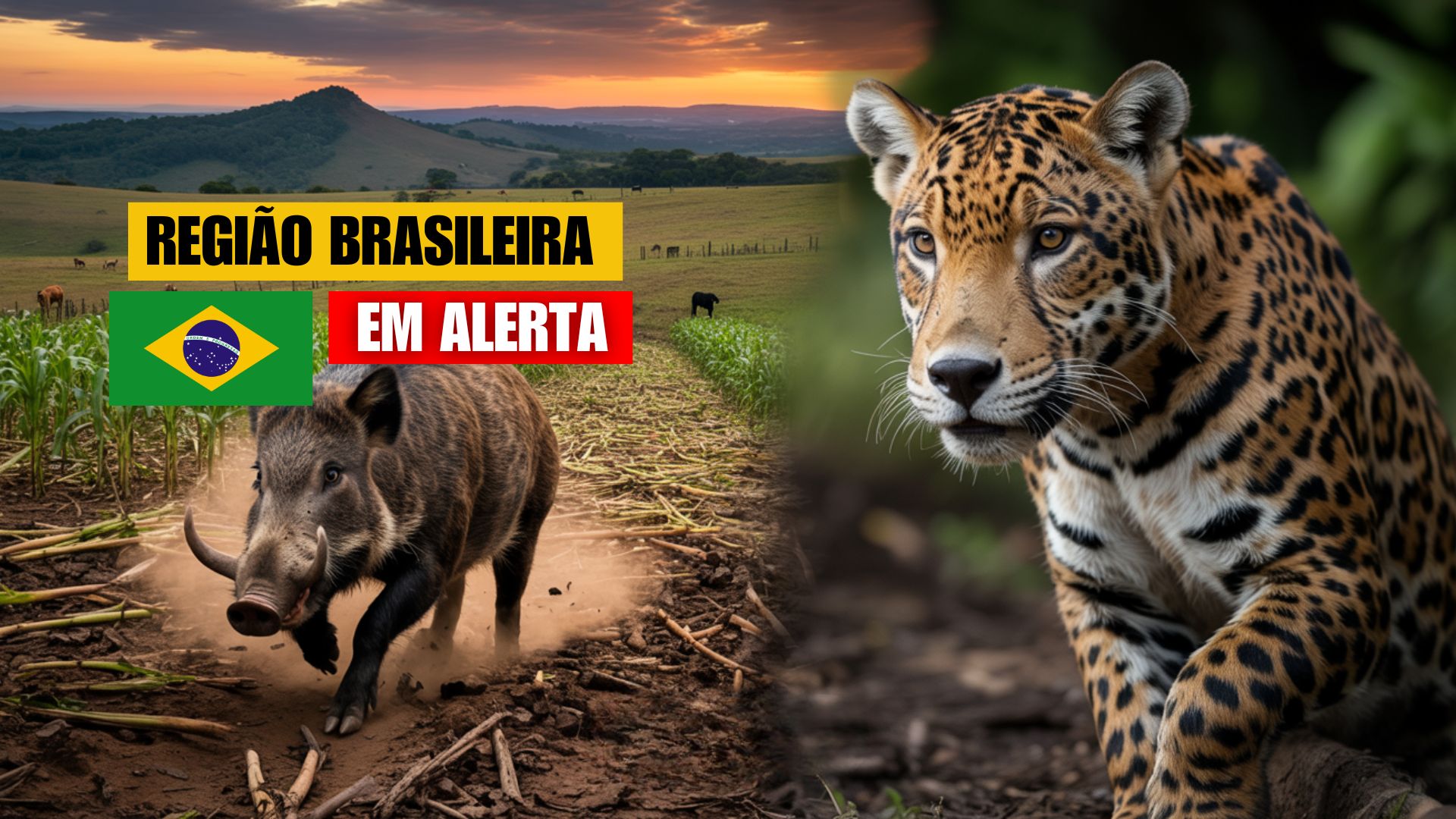
Ibama Intensifies Actions in Espírito Santo to Contain Risks of Wild Boars and Jaguars. Species Represent Different Threats, with Impacts on Agriculture, Animal Health, and Environmental Balance. Workshops Guide Residents and Rural Managers on Prevention and Safety.
The Brazilian Institute of Environment and Renewable Natural Resources (Ibama) has intensified actions in the South of Espírito Santo to prevent damage caused by wild boars, an invasive exotic species, and jaguars in rural areas.
The priority is to contain losses to agriculture and reduce risks to people, with monitoring in the field and training for local managers and leaders.
While wild boars are targeted for control due to their economic and sanitary impacts, jaguars play a relevant ecological role and should be preserved, according to the agency.
-
While Russia dominates the global wheat market, Brazil emerges as an unexpected competitor in the Cerrado, offering grain available in July and August when stocks in the Northern Hemisphere are at their lowest point of the year.

-
China returned almost 20 Brazilian ships with soybeans, but now everything could change: the country that buys 80% of the grain is considering relaxing regulations after impurities held up shipments of thousands of tons and caused million-dollar losses.

-
The drought of the cerrado was considered an enemy of wheat, but Brazilian scientists turned the lack of rain into a competitive advantage by creating a grain with quality that is already attracting the attention of international mills around the world.
-
THE OWNER of Brazil: a farmer who came from laundries, created an ’empire’ and today runs a company valued at R$ 42 billion after tripling its value in less than a year and receiving a billion-dollar investment from the USA.


Immediate Risk to Agriculture and Animal Health
In cities in southern Espírito Santo, rural producers and residents reported occurrences involving crops, livestock, and, in some cases, people.
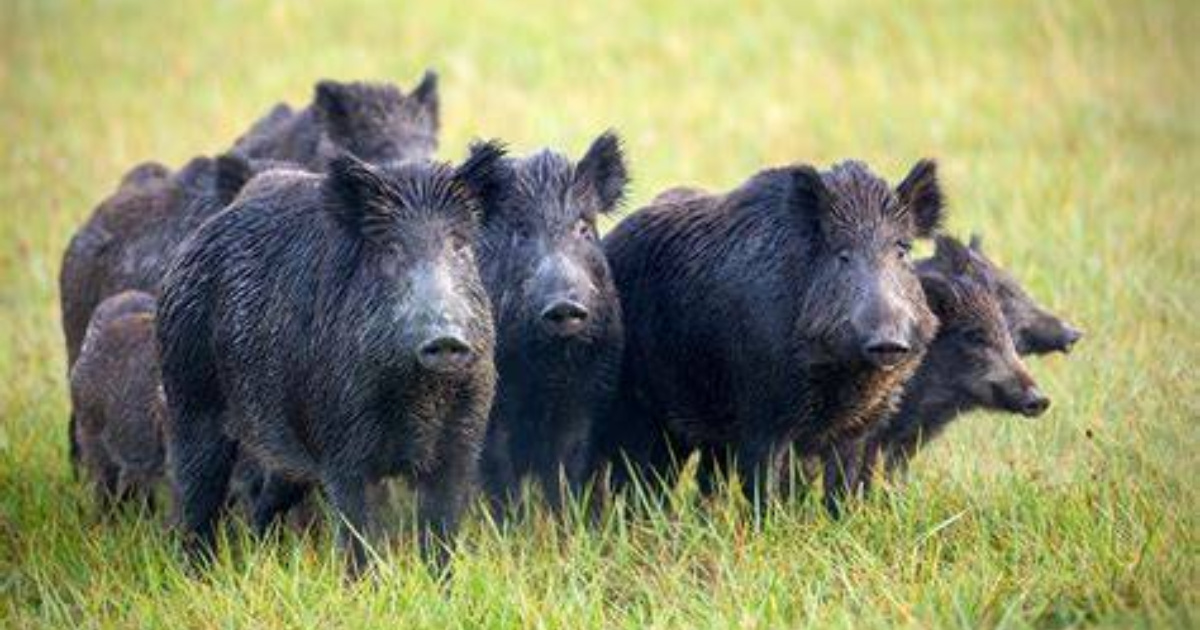
Ibama warns that, once established, wild boars devastate crops and can transmit diseases of significance to livestock.
According to environmental analyst Vinícius Seixas, the problem is real in the field.
“They attack crops, fields of corn, beans, rice, soy, sugar cane, and can also harm pastures. They also pose a sanitary risk to agriculture, which is the risk of transmitting African swine fever,” he stated.
In addition to the direct impact on agricultural yields, the presence of the species increases production costs due to fencing, surveillance, and recovery of damaged areas.
This issue concerns the Ministry of Agriculture, as outbreaks of diseases in livestock can affect exports and international markets, Seixas highlighted.
Monitoring and Prevention at the Caparaó Border
Ibama reports that the invasion of wild boars is not yet established in Espírito Santo territory.
However, technicians have already identified animals in the wild in the tripartite border between Espírito Santo, Rio de Janeiro, and Minas Gerais, particularly in the Caparaó region.
In neighboring areas, there are reports of confirmed reproduction, which requires preventive action from the Espírito Santo side.
In Espírito Santo, agency teams have been conducting seizures of wild boars kept in captivity, a prohibited practice, and have detected irregular releases.
Technicians also observed cases of crossbreeding with domestic pigs, resulting in so-called javaporco, which is also not allowed.
“On the Minas and Rio sides, there are already several reports of reproduction of wild boars in the wild. But here in the state, we are trying to get ahead, working preventively,” said Seixas.
Jaguars: Perceived Threat and Ecological Role
The presence of jaguars often generates fear among the rural population. However, Ibama emphasizes that these felines control populations of animals such as capybaras and wild boars themselves, acting as top predators and favoring the balance of ecosystems.
For this reason, unlike wild boars, jaguars should be preserved. According to Ibama’s superintendence in Espírito Santo, the local scenario differs from the Pantanal and the Amazon.
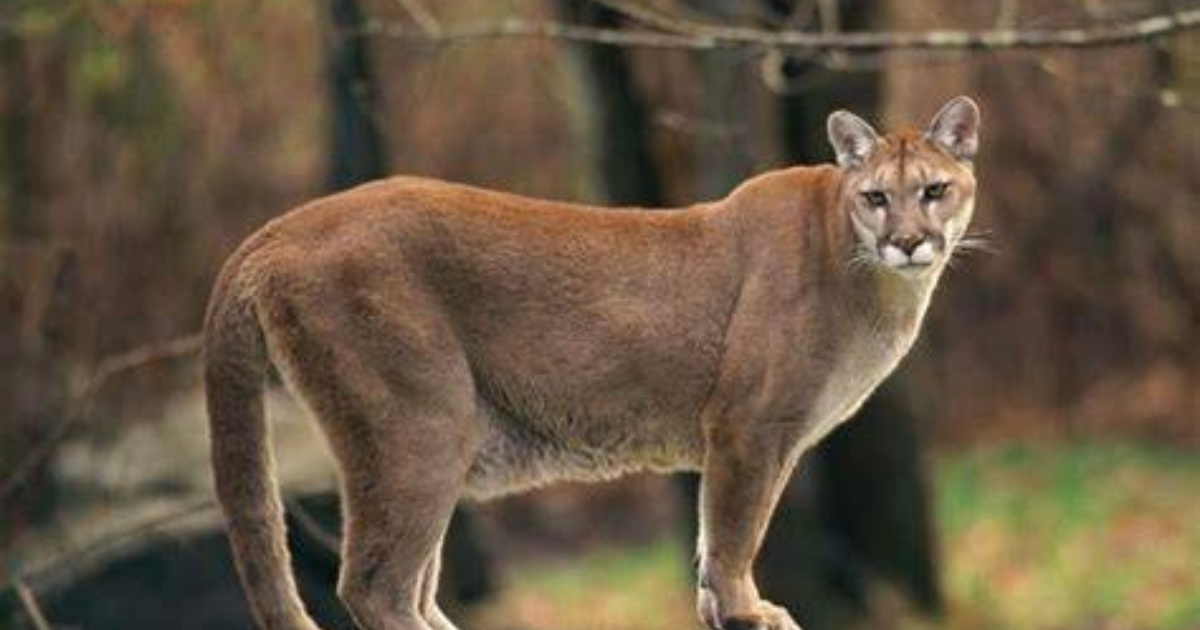
The jaguar is almost extinct in the state, restricted to the Linhares–Sooretama forest complex and in very small numbers. The puma is more common and occurs in various rural environments in Espírito Santo.
“These felines pose a very low risk,” stated superintendent Rodrigo Vargas, defending coexistence and prevention measures, not elimination.
Situation in Espírito Santo: Species and Distribution
While sightings of jaguars are rare and concentrated in large remnants, the puma has wide distribution and greater adaptability.
Even so, Ibama advises producers to adopt simple herd management practices, management of carcasses, and nighttime protection of corrals, which reduces conflicts with wildlife and prevents attracting predators.
At the same time, the agency emphasizes that any attacks on domestic animals should be reported, so that teams can assess areas of greater vulnerability, recommend adjustments in management, and, when necessary, install deterrent measures.
Seizures and Illegal Crossbreeding with Domestic Pigs
On the Espírito Santo side, teams have already confiscated wild boars found in captivity, which is prohibited by law.
There have also been identified releases without authorization, deemed serious for facilitating the species’ dispersion.
Cases of hybridization with domestic pigs, which result in javaporco, worsen the problem by giving animals greater resistance and adaptability, increasing damage to crops and pastures.
Ibama emphasizes that keeping, transporting, releasing, or crossbreeding wild boars without authorization is prohibited and subject to penalties.
The guidance is to report the presence of animals so that teams can assess the need for control measures and environmental education.
Hunting and Control: What Applies in the State
Despite the invasive status of wild boars, Ibama clarifies that hunting is prohibited in Espírito Santo for both wild boars and jaguars.
In other states, where the invasion of wild boars is established, there are specific rules that allow for the control of the species under certain conditions.
In Espírito Santo territory, however, there is a ban, and any management initiatives must follow official guidelines.
For jaguars, as they are native and protected species, the directive is preservation, focusing on conflict prevention.
Training in Castelo and Iconha for Incident Response
With the aim of preparing the population in the South of the State to deal with occurrences involving wild boars and jaguars, Ibama promotes training workshops in partnership with the State Secretariat for the Environment and Water Resources (Seama), the State Institute of Environment and Water Resources (Iema), and the municipalities of Castelo and Iconha.
According to the agency, activities will continue until next Friday (5), focusing on animal behavior, risk identification, and simple safety measures that protect people and conserve wildlife.
Those interested can still participate in the meeting in Iconha, scheduled for Thursday (4) and Friday (5), at the Cras of the municipality. No registration is required.
The program includes guidance for public managers, agricultural technicians, and community leaders, in order to standardize response procedures and reduce damage to crops and livestock.
How the Population Should Act in Case of Occurrences
The recommendation from Ibama is to avoid direct contact with wild boars, notify environmental authorities in case of sightings, and report damages on rural properties.
In areas with jaguar circulation, measures for nighttime cattle management, protection of watering holes, and proper waste disposal help to minimize the risk of encounters.
In case of emergency, the guidance is to seek the municipal civil defenses and the official channels of the environmental agency.
Furthermore, the agency suggests that producers maintain active communication with neighbors and rural associations to identify animal movement routes and organize coordinated responses.








Seja o primeiro a reagir!