





 Portuguese
  English
  Spanish
 5 min of reading
  0 comments


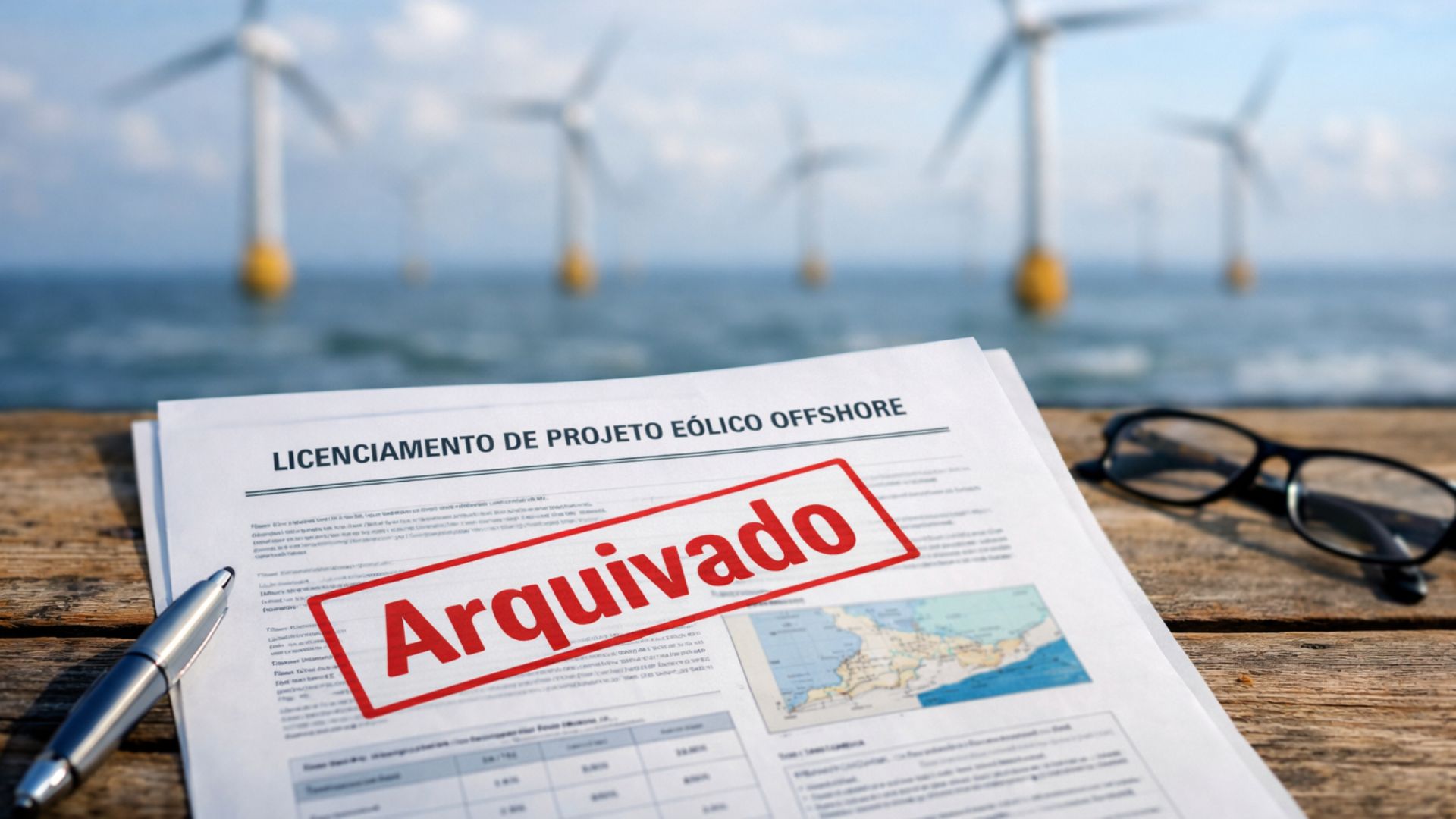
Ibama Decides To Archive Offshore Wind Farm Processes In Ceará, Exposing Regulatory Barriers, Impacts On Renewable Energy Investments, And Uncertainties For The Progress Of The Sector In Brazil
On December 17, 2025, the Brazilian Institute of Environment and Renewable Natural Resources (Ibama) confirmed the archiving of 11 offshore wind projects in the environmental licensing process in Ceará, a decision that has once again highlighted the regulatory challenges of renewable energy in Brazil.
The environmental agency reported that the archiving occurred due to the lack of procedural movement for a period exceeding two years by the companies responsible for the projects. According to Ibama, the companies were previously notified but failed to respond within the timeframe established in the administrative processes.
Ibama And The Archiving Of Offshore Wind Projects In Ceará
The decision does not definitively end the projects, as the institute clarified that companies can request the initiation of new environmental licensing processes if they wish to resume investments in offshore wind.
-
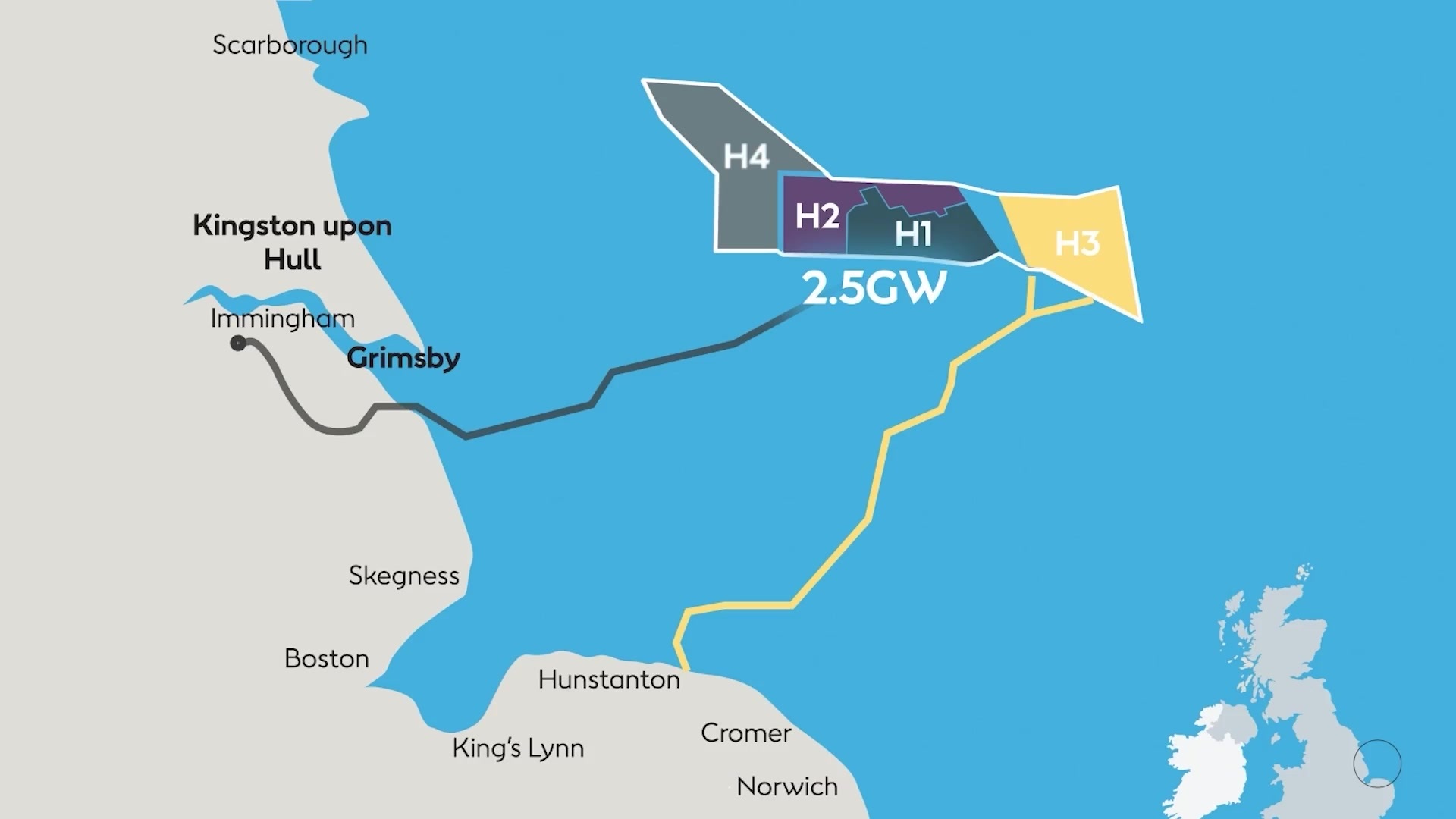
231 turbines of 260 meters at 160 km from the coast, monopiles weighing as much as nine blue whales embedded in the North Sea, and a crane ship taller than the Eiffel Tower: Hornsea 3 will be the largest offshore wind farm on the planet by 2027, and its first components have already arrived in England.
-
International Certification Puts Senai Norte on the Renewable Energy Map and Expands Access to Essential Training for Qualified Wind Power Professionals

-
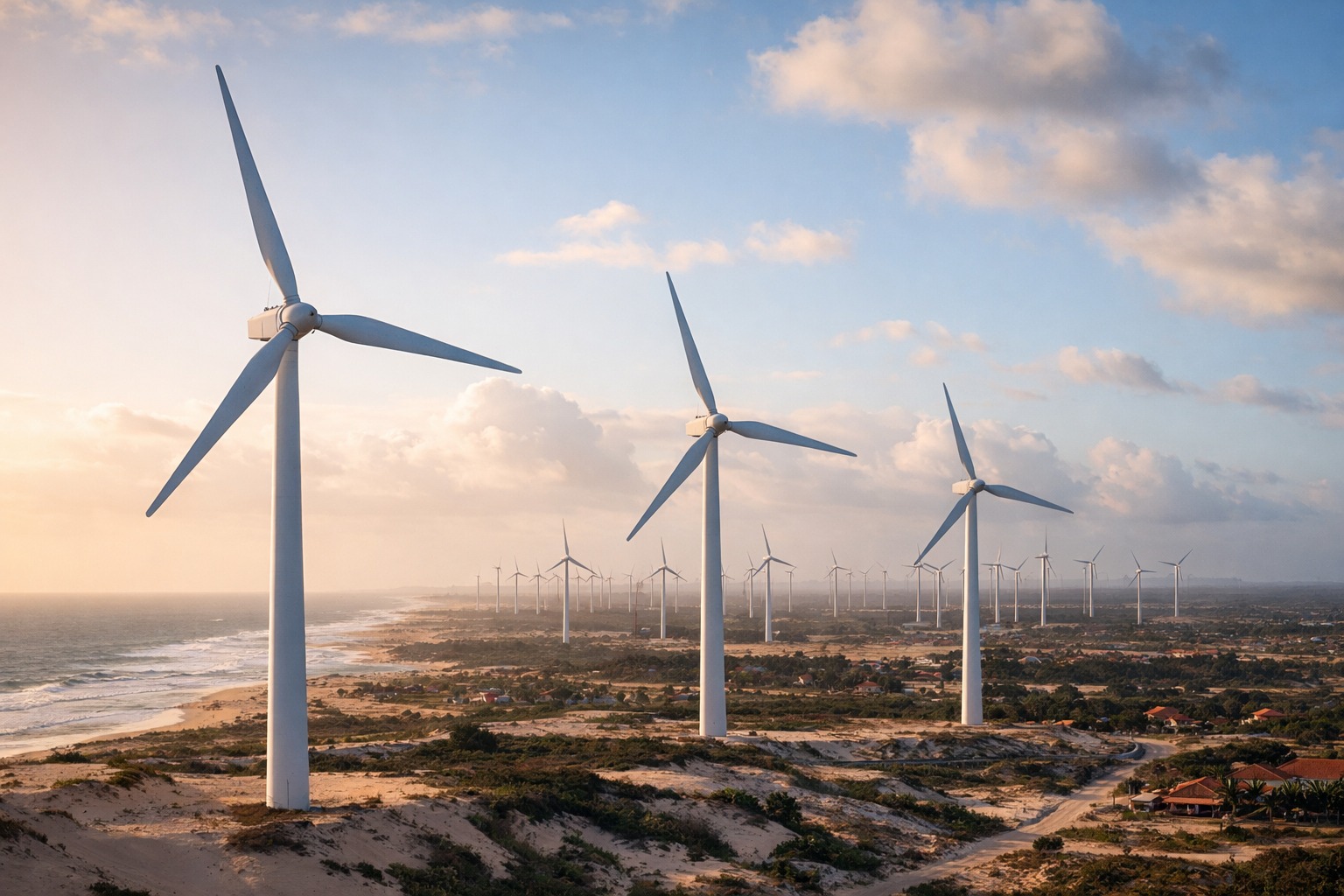
The Winds of the Northeast Are in Foreign Hands: Nearly 70% of the Region’s Wind Farms Are Owned by International Companies, with France, China, and Italy Leading Investments in Wind Energy in Brazil
-
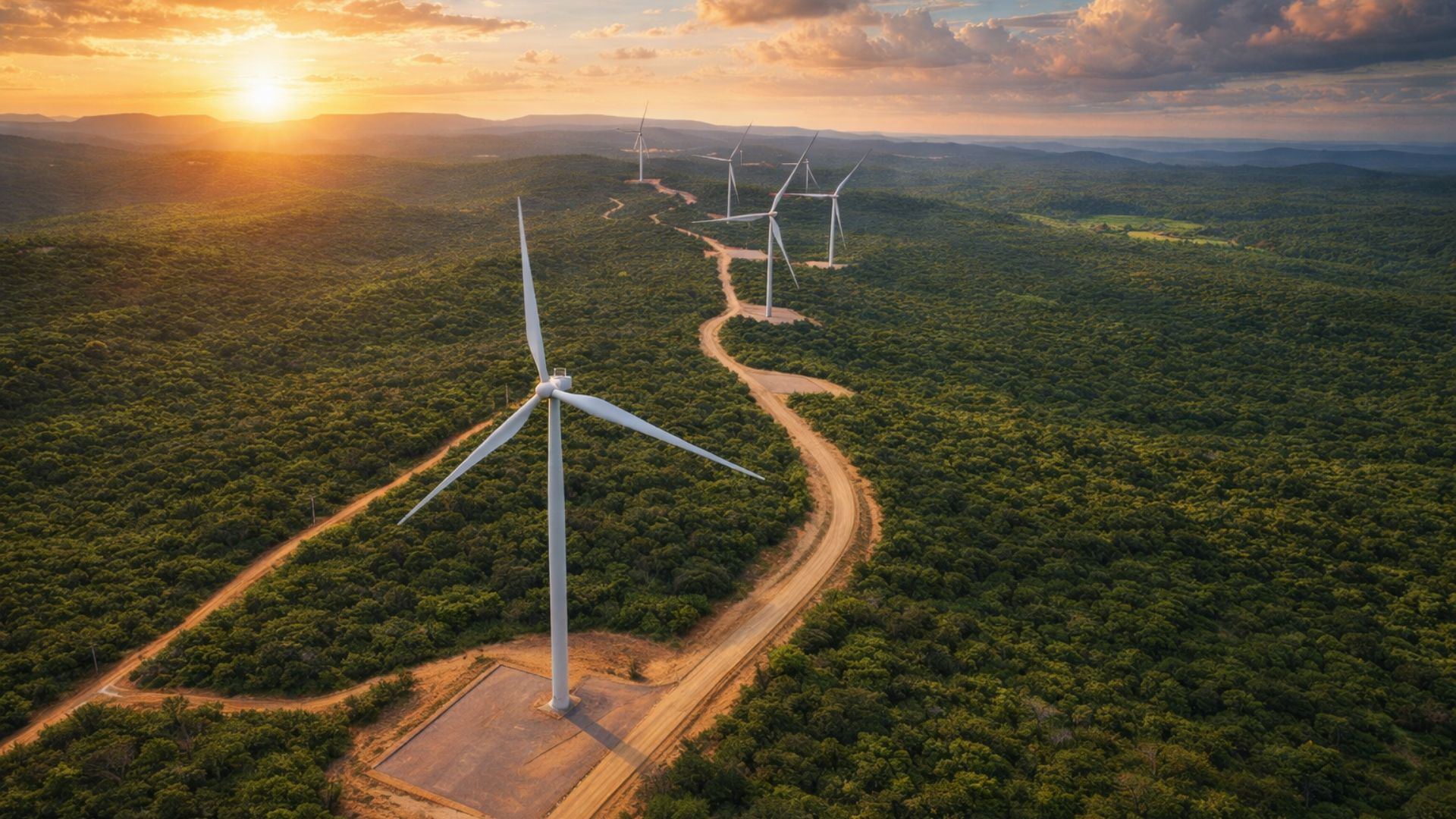
Echoenergia’s Wind Farms Receive Diamond and Platinum Seals and Boost Carbon Credits with Projects that Prevent Large Volumes of Annual Emissions

Ibama explained that the archiving of the offshore wind projects in Ceará followed technical and administrative criteria already outlined in environmental legislation. According to the institute, the prolonged halt of the processes makes it unfeasible to continue the analysis, especially in a sector that relies on constant updates of environmental and technical studies.
In addition to the 11 archived processes, the agency confirmed that another 16 projects are still in progress, demonstrating that the offshore renewable energy sector is not completely paralyzed in the state.
Ibama also emphasized that all companies involved were formally notified, reinforcing that the decision did not occur unilaterally or without prior communication.
Offshore Wind Projects In Environmental Licensing In Ceará
According to documentation available on the official website of Ibama, as of March 10, 2025, several offshore wind projects were in the environmental licensing phase in Ceará, involving large national and international groups in the energy sector.
Among the listed projects are those from companies like Neoenergia Renováveis, Qair Marine Brasil, TotalEnergies, Shell Brasil, Equinor, Petrobras, EDF EN, Acciona, and Cemig. The diversity of investors highlights the strategic interest in the Ceará coastline, recognized for its wind quality and existing port infrastructure.
After the announcement of the archiving, the Syndicate of Energy Industries and Services of the Electric Sector of Ceará (Sindienergia-CE) reported that one of the processes was unarchived, that of the Camocim Eireli project, currently linked to Bi Energia. The episode shows that there is still room for administrative reassessments, as long as companies express formal interest.
Renewable Energy And The Regulatory Challenges In Brazil
The archiving of the processes by Ibama has reignited the debate on the absence of a definitive regulatory framework for offshore renewable energy generation in Brazil. Although the country has one of the largest coastlines in the world and favorable natural conditions, specific regulations for offshore wind farms are still progressing slowly.
This uncertainty creates an environment of legal insecurity, hindering long-term investment decisions. Offshore projects require billion-dollar investments, extensive planning, and regulatory predictability, factors that are not yet fully established in the national landscape.
Experts point out that regulatory delays not only affect new projects but can also compromise Brazil’s competitiveness against other markets that already have clear rules for this type of generation.
Economic Impacts Of The Archiving Of Offshore Wind Projects By Ibama
From an economic perspective, the archiving of offshore wind projects in Ceará occurs at a time of transformation in the macroeconomic environment. According to economist Thiago Holanda, advisor to the Regional Council of Economics of Ceará (Corecon-CE), many projects were conceived during a period of lower interest rates and greater risk tolerance.
With the increase in credit costs and greater caution from investors, several projects have faced difficulties in advancing through the licensing and financial structuring stages.
Still, the specialist emphasizes that the scenario does not indicate an abandonment of offshore renewable energy, but rather a natural adjustment process of the market. More solid and financially viable projects tend to survive, while others fall by the wayside.
Ceará Remains Strategic For Offshore Renewable Energy Projects
Despite the archiving, Ceará is still considered one of the most strategic states in the country for implementing offshore wind projects. The combination of constant winds, extensive coastline, and port infrastructure, especially at the Pecém Complex, keeps the state on investors’ radar.
Corecon-CE itself assesses that the progress of offshore wind energy in the state will depend less on natural potential and more on the establishment of clear rules, regulatory predictability, and more favorable macroeconomic conditions. Without these elements, final investment decisions are likely to be postponed, even given the geographical advantages of the region.
Companies Demand Agility From Ibama And Institutional Support
The delay in regulation and the halt of environmental licensing processes have raised concerns among companies interested in investing in offshore renewable energy in Ceará. Industry representatives requested support from the state government to mediate discussions with federal agencies responsible for authorizations.
Among the suggestions presented is the possibility for Ibama to forward processes to state units of the agency, which could reduce administrative bottlenecks and speed up technical analyses. The demand reflects the need for greater institutional coordination to unlock investments considered strategic for Brazil’s energy transition.
Qair And Servtec Assess Delays In Investments In Offshore Wind Projects
Qair Marine Brasil, responsible for the Dragão do Mar project, continues with the environmental licensing process underway but already admits that investments will likely face delays. According to Ricardo Couto, the company’s new business manager, the expectation is that offshore wind energy will only consolidate in the next decade.
Servtec Energia shares the same assessment. According to the company’s president, Pedro Fiuza, the lack of regulatory clarity prevents more robust decisions at this time. The company continues to invest only in the development phase and technical analyses of the projects.
Although Servtec prioritizes Ceará, the company does not rule out directing investments to other states that advance more rapidly in the regulation of offshore renewable energy.
What The Archiving Of The Processes By Ibama Reveals About The Future Of The Sector
The archiving of 11 offshore wind projects by Ibama clearly exposes the structural challenges that still surround the expansion of renewable energy offshore in Brazil. The decision highlights the need for alignment between environmental policy, economic regulation, and national energy strategy.
Ceará remains a key player in this scenario, but effective progress will depend on the establishment of a stable regulatory environment capable of providing legal security to investors and ensuring environmental rigor in the projects.
The episode does not represent a definitive setback, but rather a warning. The future of offshore wind energy in Brazil will be defined by the country’s ability to transform potential into regulated and sustainable reality.









-

Uma pessoa reagiu a isso.