





 Portuguese
  English
  Spanish
 3 min of reading


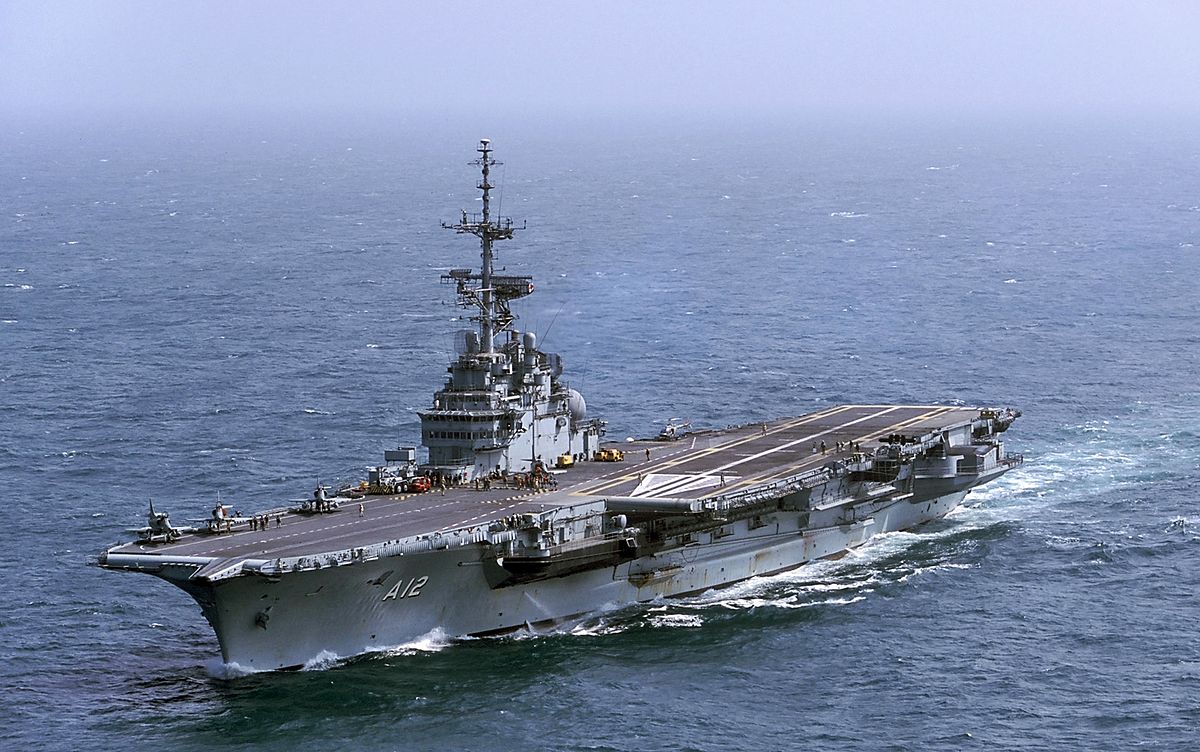
The Presence of Asbestos in the Composition of the Aircraft Carrier Hull Can Cause Significant Environmental Impact Offshore. Ibama Requested New Updates from the Brazilian Navy About the Sinking of the NAe São Paulo.
After the Brazilian Navy announced the sinking operation of the NAe São Paulo this Thursday (02/01), the Brazilian Institute of Environment and Renewable Natural Resources (Ibama) requested updates on the case. The agency pointed out the need for new technical assessments and a temporary suspension of the sinking of the aircraft carrier to ensure environmental safety. The release of substances such as asbestos present in the hull of the vessel can cause significant impacts to the marine ecosystem.
See: Navy and Ibama Are in Conflict to Determine the Fate of the Aircraft Carrier

Ibama Warns of Possible Environmental Impacts on the Marine Ecosystem with Continued Sinking Operation of the NAe São Paulo Aircraft Carrier
The Brazilian Navy recently announced the sinking operation of the hull of the NAe São Paulo aircraft carrier, which has been decommissioned for over 5 years.
However, the conditions for conducting the operation are worrying environmental agencies across the country.
-
OceanPact Announces Acquisition of CBO and Creates One of Brazil’s Largest Maritime Support Structures with 73 Vessels, Annual Revenue Above R$ 4 Billion and R$ 14 Billion Backlog
-
With Extreme Winds, Giant Waves, and Unrestricted Currents, Drake Passage Is Considered the Most Violent Stretch of the Oceans
-
15th Century Merchant Ship Surprises Archaeologists
-
Odfjell Inaugurates First Operational Green Corridor Between Brazil and Europe Using Sustainable B24 on Maritime Routes and Reinforces Decarbonization Strategy

A request sent to the Naval Force this Thursday by Ibama asked the Brazilian Navy for updates on the sinking operation of the vessel’s hull.
The environmental agency’s goal is to study possible alternatives to mitigate the environmental impacts that may arise from the operation.
According to the institute, the Navy’s decision goes against the measures indicated by its technical body to ensure environmentally appropriate disposal of the case.
This is due to the detection of asbestos in the composition of the NAe São Paulo, a toxic substance for the marine ecosystem.
“In addition to requesting studies from the Navy’s Hydrographic Center, mapping of the seafloor in the selected area for the hull discharge, and information about the proposed method for sinking, Ibama recommended the development of a Water Monitoring Plan,” stated Ibama in the request.
Three weeks ago, a technical team from the agency released a note warning about the impacts of the sinking of the aircraft carrier hull by the Brazilian Navy.
The main issue that may arise from the release of asbestos present in the NAe São Paulo is the disturbance of filtering capacity and growth difficulties in aquatic organisms.
Additionally, the direct physical impact on the ocean floor may cause the death of numerous marine species, as highlighted by Ibama’s team.
Ibama Points to Possible Releases of CFCs and HCFCs in the Brazilian Navy’s Operation
Along with the problems already presented by Ibama’s technical team, there are possible risks of releasing Chlorofluorocarbons (CFCs) and Hydrochlorofluorocarbons (HCFCs) during the sinking of the aircraft carrier hull.
This operation with the NAe São Paulo could therefore exacerbate the current risk situation of the ozone layer in Brazil.
The carcass of the Brazilian Navy’s ship still has the potential to attract invasive species to the national marine ecosystem, compromising the life of already existing species in the region.
The technical team from Ibama added that “microplastics and heavy metals present in the ship’s paints could become key players in undesirable bioaccumulation in aquatic organisms. As an aggravating factor, all predicted impacts could occur in hotspots (reserves) of biodiversity, essential for marine life.”
The Brazilian Navy responded to Ibama’s warnings by stating that there is no alternative other than a controlled sinking of the NAe São Paulo aircraft carrier in the current scenario.









Seja o primeiro a reagir!