





 Portuguese
  English
  Spanish
  3 min of reading
  0 comments


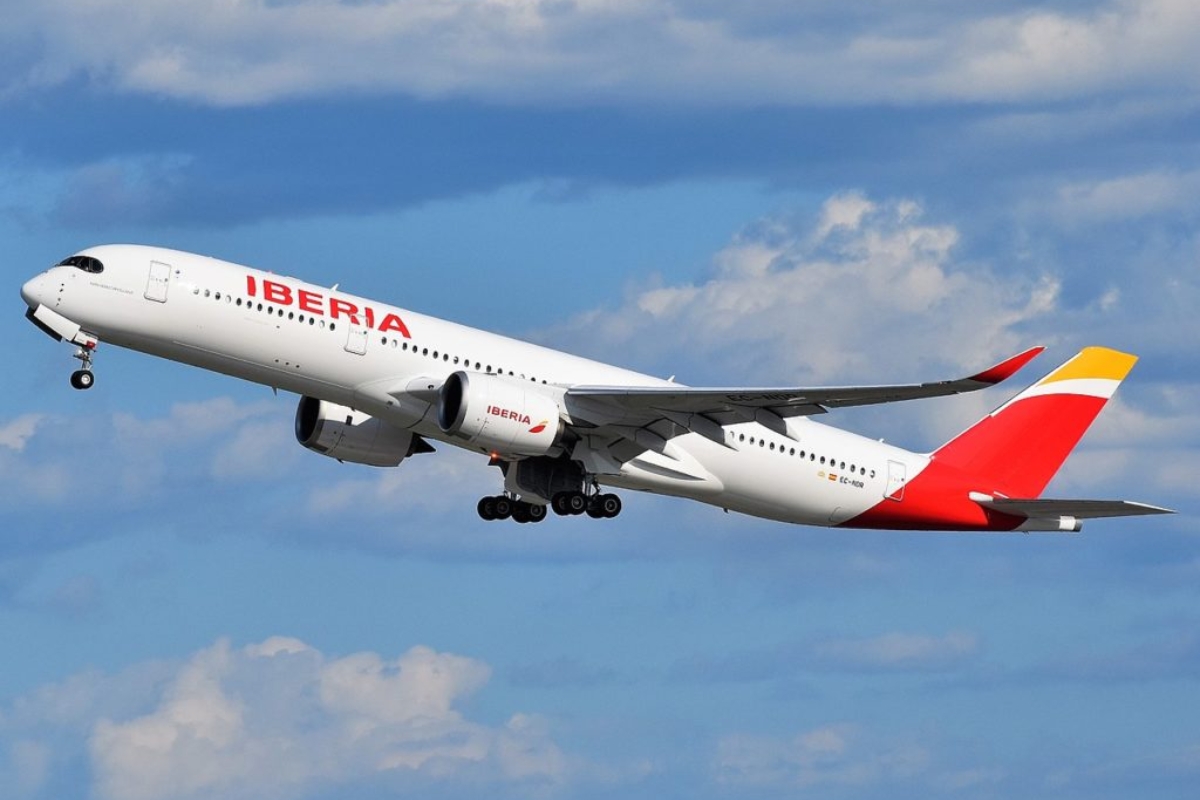
Expansion Includes Recife and Fortaleza and Reinforces the Competition for Passengers Connecting Brazil and Europe, with More Seats and New A321 XLR Aircraft
Iberia has decided to accelerate its presence in Brazil and has positioned the country as its second long-haul market, behind only the United States.
The network, which already connected Madrid to Rio de Janeiro and São Paulo, added the route to Recife on December 13 and will open operations to Fortaleza on January 19, totaling four routes.
This move is part of a larger strategy, with plans extending to 2030, 6 billion in investment, and 70 planes aimed at strengthening connections with Latin America and the United States.
-
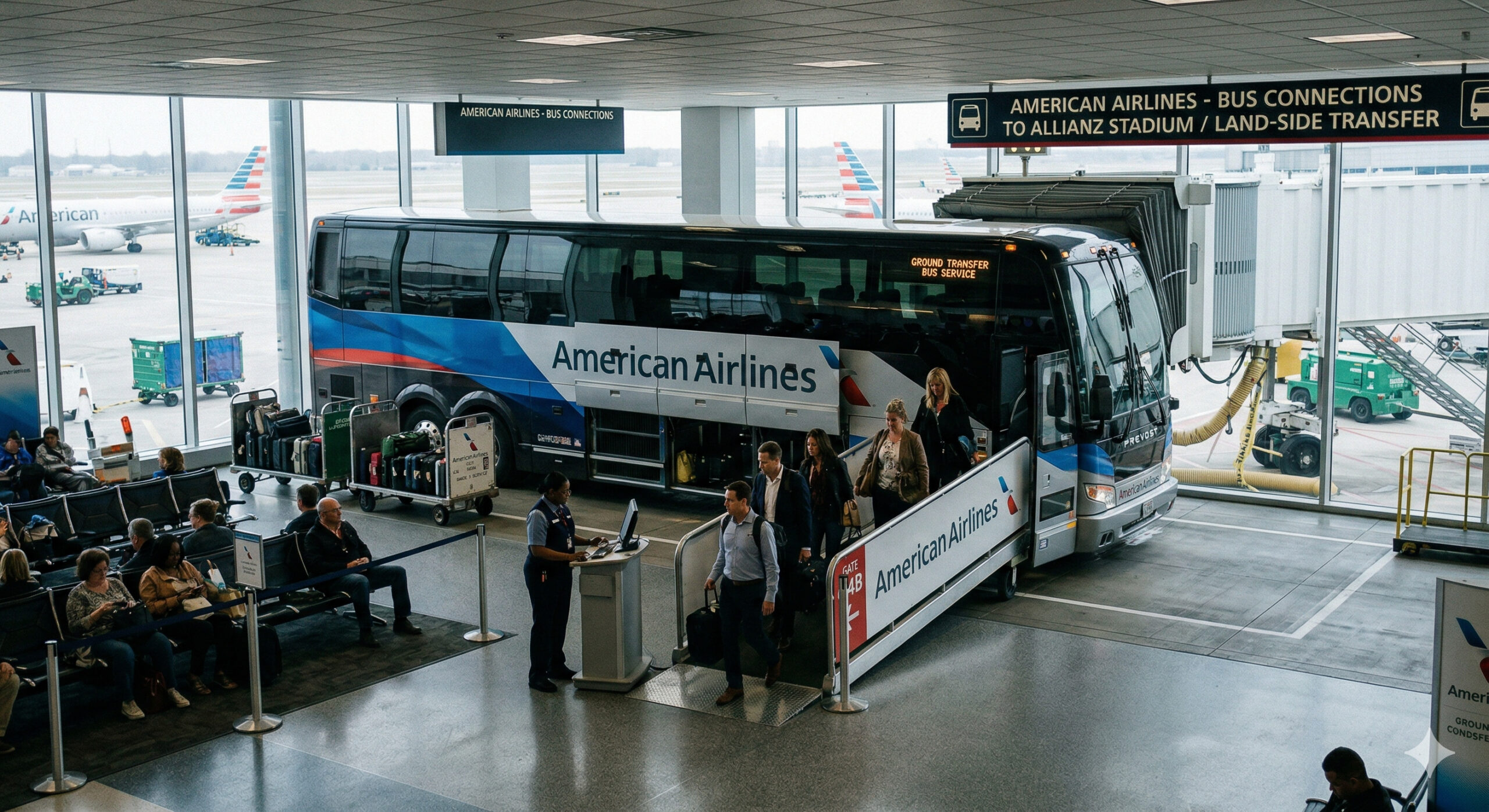
American Airlines starts selling trips as if they were flights, with check-in and baggage check at the airport, but on short routes, passengers board luxury buses connecting cities to major hubs in the U.S.
-
São Paulo surprises the world with a colossal railway network project that promises over 1,000 km of tracks, R$ 194 billion in investments, and 40 projects connecting the capital to the interior with fast and sustainable trains.

-
The world’s largest escalator, measuring 905 meters in China, reduces urban travel time from 1 hour to about 20 minutes and transforms mobility in mountainous regions with an engineering solution adapted to the terrain.

-
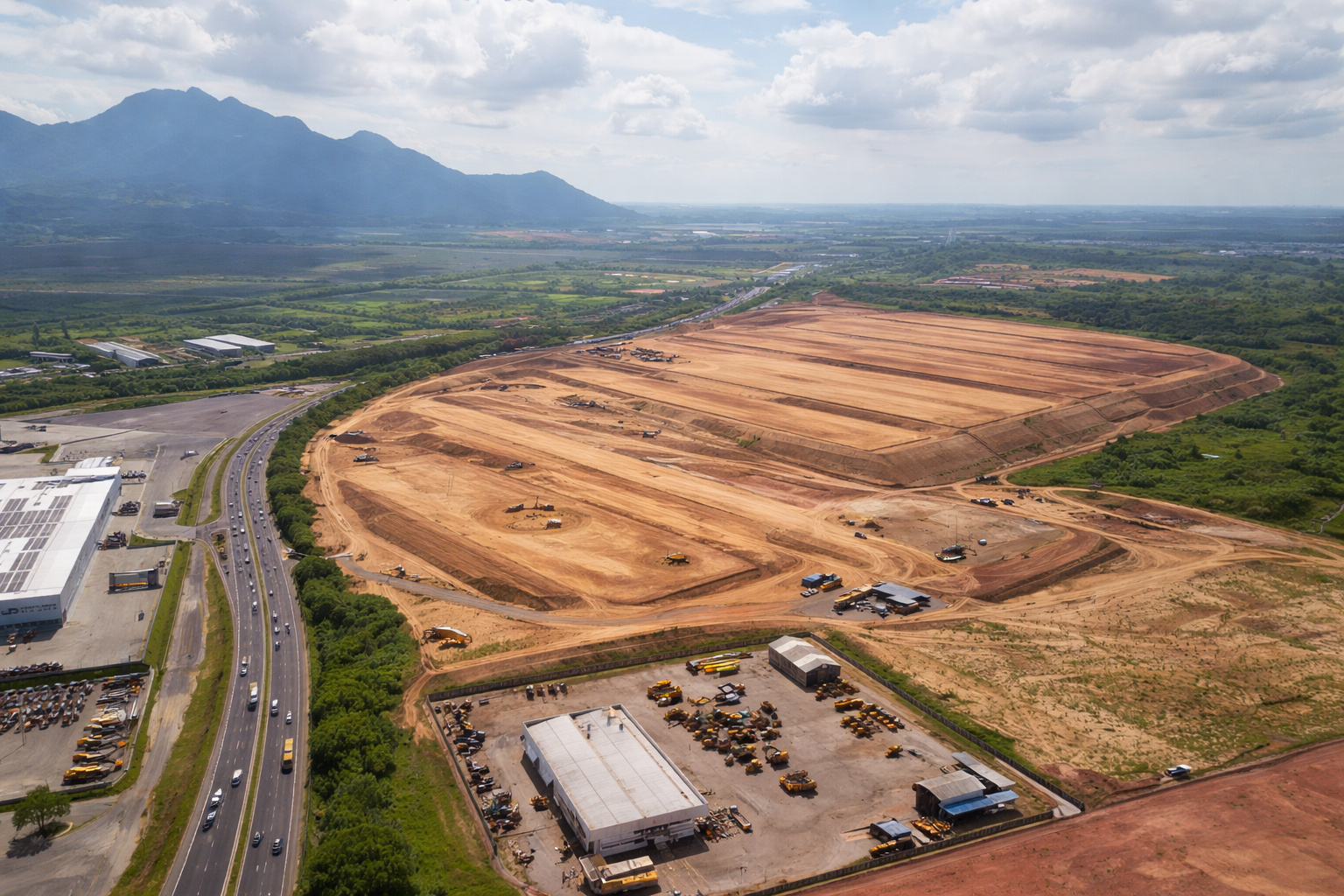
A R$ 300 million logistics giant is taking shape in Serra with over 100,000 m² and raises a question: how can this transform e-commerce and distribution in the state?

What Happened and Why It Caught Attention
The most recent debut was the Madrid-Recife route, with three weekly frequencies and an average occupancy close to 100% in the first two weeks.
For the first half of 2026, 15,000 seats are expected on this route, indicating a focus on gradual and sustained growth.
The choice of Recife also has operational weight, as the airport is managed by Aena and serves as the main connection point for northeastern Brazil.
What Changes Practically for Those Traveling Between Brazil and Europe

With more flights, the offer increases for those seeking direct connections and also connections via Madrid to other destinations in Europe or within Brazil.
One highlight is the Stopover program, which allows a stop in Madrid for up to nine days at no additional cost, on the way there or back.
Brazil has a strong participation in this program, accounting for 20% of customers, which reinforces the importance of the market for the company.
Recife and Fortaleza Enter the Map and Boost Demand
Recife is seen as a bet for bringing together domestic connections and tourist attractions, with highly sought-after beaches in the region, such as Porto de Galinhas.
The city is also known for its large number of bridges and its carnival featuring the frevo dance, characterized by colorful umbrellas.
Nearby, Olinda stands out for being a well-preserved colonial city recognized as a World Heritage Site by UNESCO.
A321 XLR Becomes a Key Piece in Expansion and Reduces Consumption
Operations in Brazil gain strength with the A321 XLR, a single-aisle aircraft used for transatlantic routes more efficiently.
The aircraft has a range of 7,500 kilometers and consumes 40% less fuel compared to other long-haul models in the fleet.
The leaner capacity helps adjust the offer at secondary airports, with 182 seats, below 348 of the A350 and 288 of the A330, while maintaining business cabin standards akin to wide-body aircraft.
Competition with TAP and Pressure on Lisbon
The expansion also targets the concentration of flights in Lisbon, the main gateway for Brazilians to Europe due to historical ties with Portugal.
In this context, TAP leads with over two million seats per year and a network of 13 destinations in Brazil.
This issue gains more relevance because IAG, Iberia’s parent company, is competing for up to 49% of TAP’s capital while Iberia seeks to increase capacity between Brazil and Europe.
What Could Happen from Now On
There is no immediate plan for a fifth destination in Brazil, but there is attention to other cities, focusing on consolidating Recife and Fortaleza.
The trend is to test demand and, if performance supports it, increase frequencies for a fourth or fifth weekly operation, with the possibility of moving towards daily flights.
The connection between Iberia and Brazil is old, with the first Madrid-Rio de Janeiro flight in July 1950, on a Douglas DC 4, with a round-trip ticket costing 939 dollars at that time, and stops in Sal Island and Natal.
Currently, in addition to direct flights, the company maintains a codeshare agreement with Latam and interline with GOL, reaching over 50 destinations within the country.
The expansion to four destinations reinforces Brazil as a central piece in Iberia‘s international strategy, with more seats, new routes, and a focus on operational efficiency.
For the passenger, the practical impact appears in more travel options, greater connectivity via Madrid, and a structure designed to grow by 2030 without only relying on major traditional hubs.










-

-

-

-

-

17 pessoas reagiram a isso.