





 Portuguese
  English
  Spanish
  3 min of reading


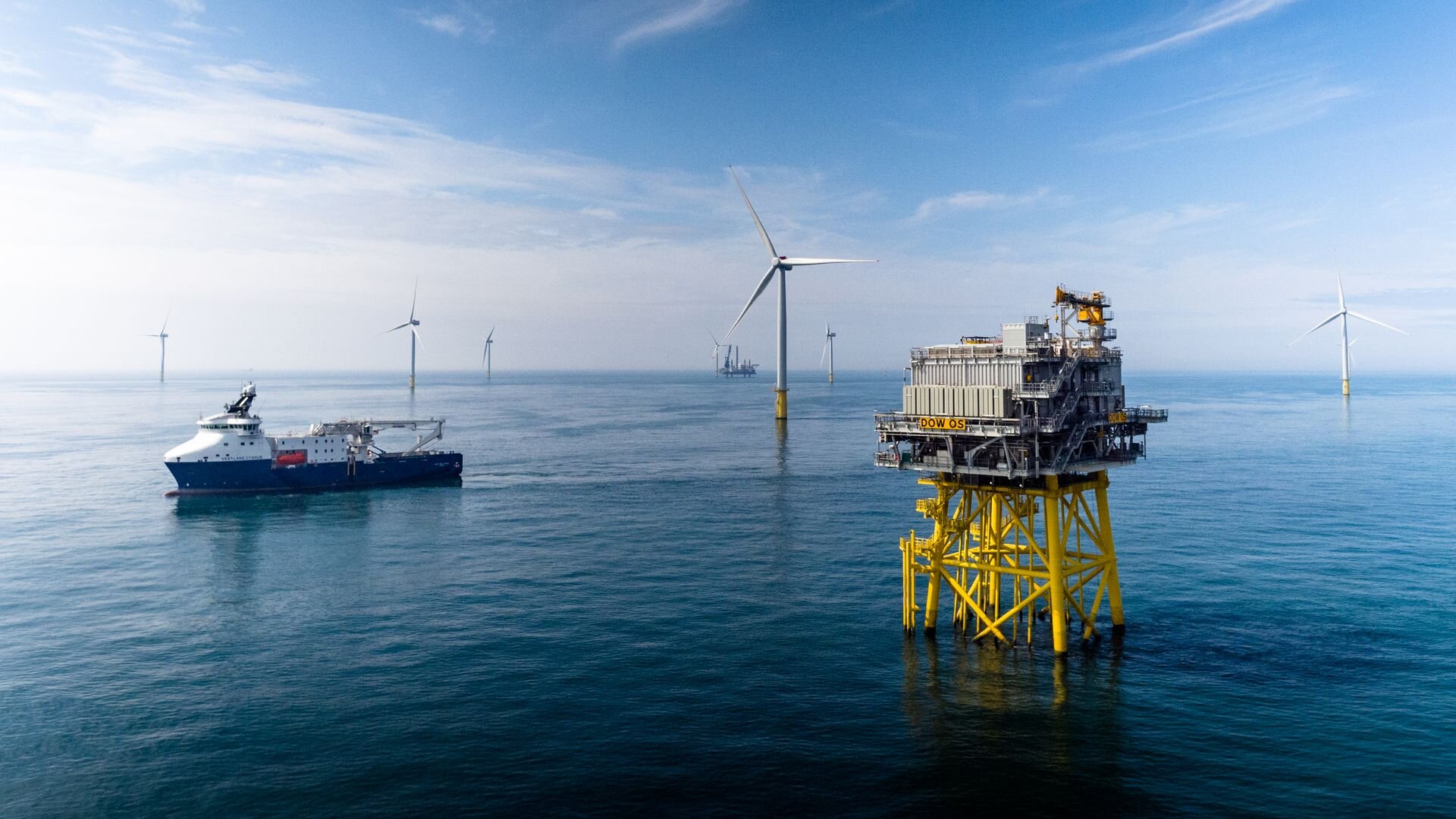
The Utilization of Extensive Knowledge in Offshore Areas by the Oil and Gas Industry Is the Key Differential for Future Wind Energy Production Projects. The IBP Highlights the Reduction of Operational Costs as One of the Great Advantages of Synergy.
For this Tuesday, (04/04), the Brazilian Institute of Oil and Gas (IBP) emphasizes the need for synergy between the Brazilian oil and gas industry and offshore wind energy projects in the country. Brazil is still a country very focused on offshore exploration and can leverage knowledge in these areas to boost the development of the offshore wind market over the coming years.
Synergy Between the Brazilian Oil and Gas Industry and Offshore Wind Energy Production Projects Can Bring Great Advantages to the Country
The Brazilian Institute of Oil and Gas (IBP) recently published a technical note (click here to read) highlighting the synergies between offshore wind energy production and the oil and gas industry in Brazil.
According to the IBP, the extensive knowledge of the oil industry in the offshore environment can serve as an important means of cost reduction and acceleration of the diffusion of wind energy in this environment, particularly regarding the construction and operation of assets.
-
Claro operator reveals a silent change with hundreds of clean energy plants and shows how sustainability is impacting over 80% of its operations in Brazil.

-
Billion-dollar strategic alliance: Brazil and China join forces in infrastructure and technology projects to lead the creation of a global green corridor in the energy transition.

-
Research reveals that the vast majority of national consumers are not willing to pay more for renewable energy despite their support for sustainability.

-
Investment in offshore wind energy could reach R$ 900 billion and promises to transform Brazil’s energy matrix in the next decade.
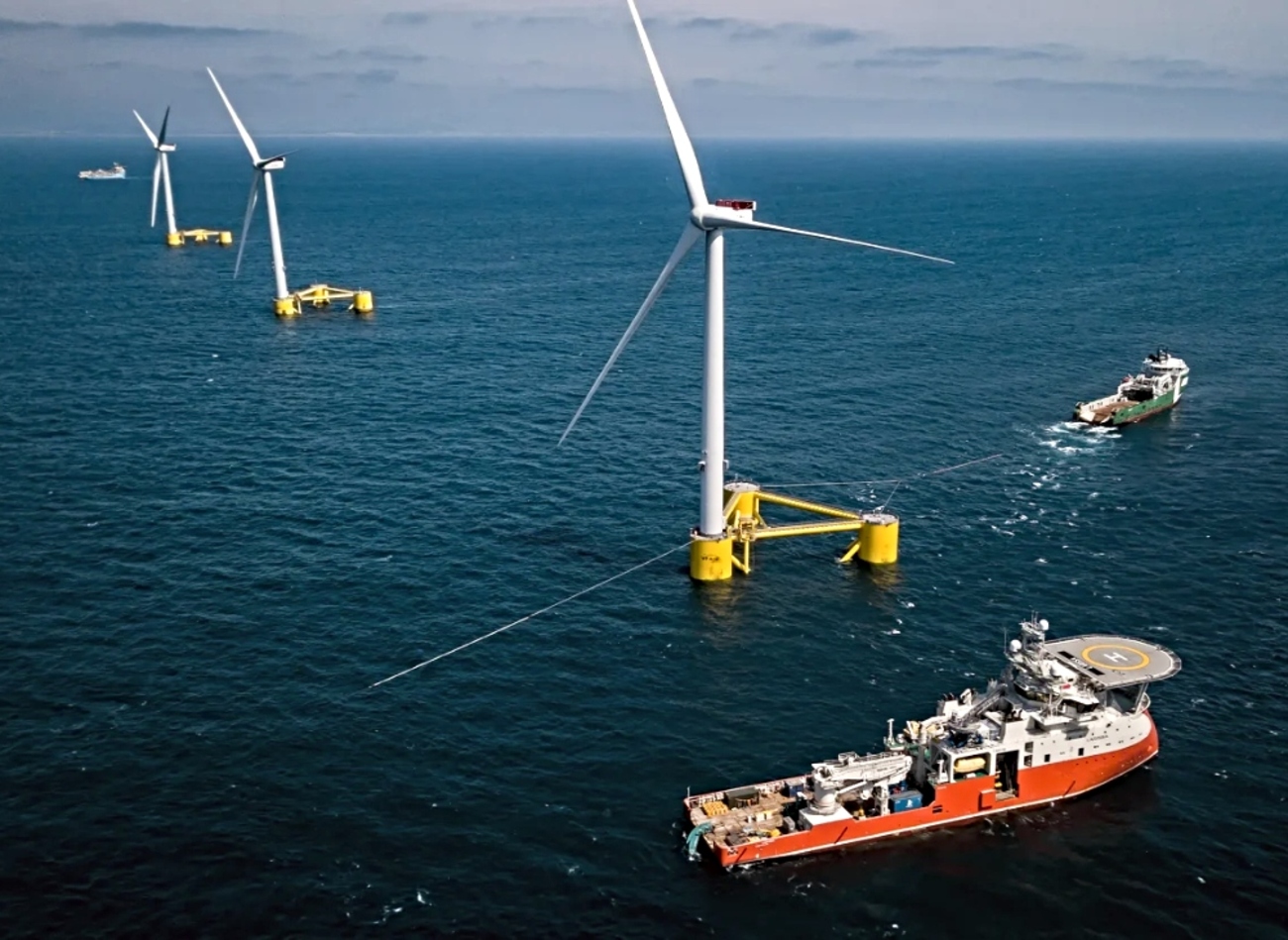
Moreover, the IBP believes that the oil and gas sector can contribute significantly to regulatory and environmental issues related to offshore wind energy.
For example, the environmental licensing process for O&G activities has already reached a high degree of maturity in the Brazilian case, and this process may have similarities with the implementation of offshore wind farms.
The institute also suggests that the oil and gas sector can contribute to improving regulations for the decommissioning of oil fields, allowing for the reuse of these fields for the establishment of offshore wind farms.
A study conducted by Robert Gordon University in the United Kingdom found that about 90% of the workforce in the oil and gas industry has a medium to high capacity for transferring skills and knowledge to the offshore wind energy sector, given their similarities.
The Brazilian Oil and Gas Industry Can Contribute to the Regulatory Framework for Offshore Wind Energy Production in the Future
The IBP also emphasizes the importance of creating a regulatory framework in the offshore wind segment so that the country can advance in this area.
Currently, Congress is conducting discussions to build a regulation for the activity, such as Bill 576 of 2021, which is under consideration in the Chamber of Deputies.
“It is important to emphasize that the Bill does not create any market reserve. It is crucial that the debate on the regulatory framework is pushed forward so that the country does not miss opportunities to expand the development and diversity of cleaner renewable energy sources,” stated the IBP.
It is essential that the debate on the regulatory framework is pushed forward so that Brazil does not miss opportunities to expand the development and diversity of cleaner renewable energy sources.
The Bill does not create any market reserve and, therefore, efforts must be made to create a favorable regulatory environment for the offshore wind sector.
With the collaboration of the oil and gas industry, Brazil can position itself as a global reference in offshore wind energy production, according to the IBP.










Seja o primeiro a reagir!