





 English
  Francês
  Alemão
  Italiano
  Japonês
  Norueguês
  Portuguese
  Spanish
  3 min of reading


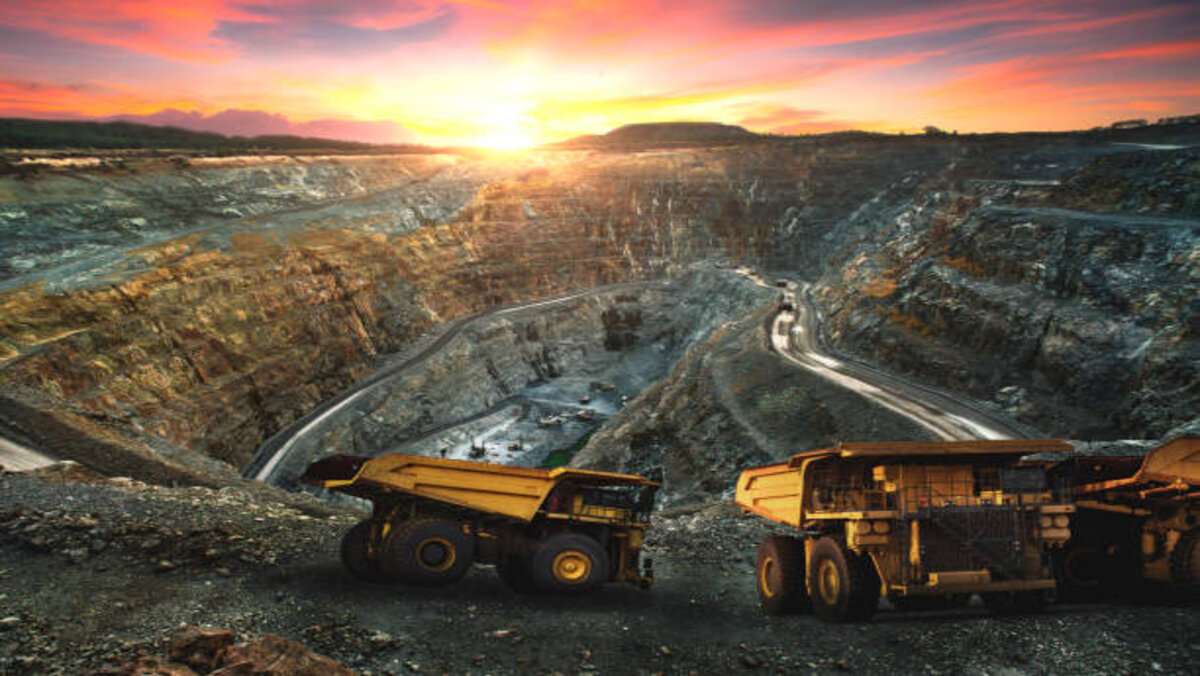
The Main Focus of Ibram’s Speech Was on the Expansion of Production in the Next 5 Years, Using the Investment Value in the Mining Sector. However, the Issue of ANM Regarding the Allocation of Funds in Brazil Was Criticized by the President
The president of the Brazilian Mining Institute (Ibram) made some statements during this past Tuesday (04/26) about the future of production and expansion in the mining sector in Brazil, affirming that the segment will receive an investment of R$ 200 billion in the next 5 years. In addition, the executive took the opportunity to criticize the lack of commitment from the National Mining Agency (ANM) regarding the financial transfers in the sector.
The #IBRAM presented today the main performance indicators of the #MineraçãodoBrasil industry in the 1st quarter of 2022.
Read more on the IBRAM website: https://t.co/DRvLgJUTwU pic.twitter.com/KHz6g0u1G3
ARTICLE CONTINUES BELOWSee also
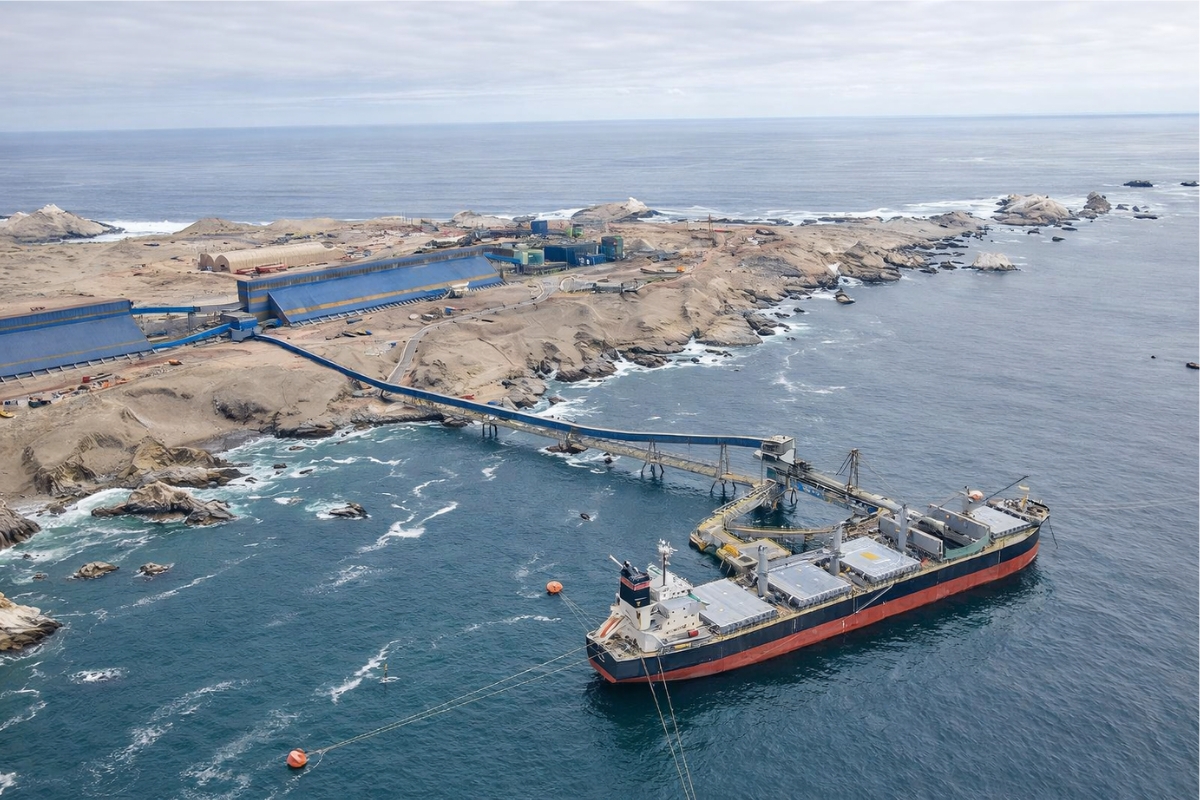
A $3.5 billion megaproject in Latin America pumps desalinated seawater at 1,050 liters per second over 194 km to keep a copper supermine in the Andes operational for another 20 years.
New shoe factory in Ceará is expected to create 400 jobs and strengthen the local economy.
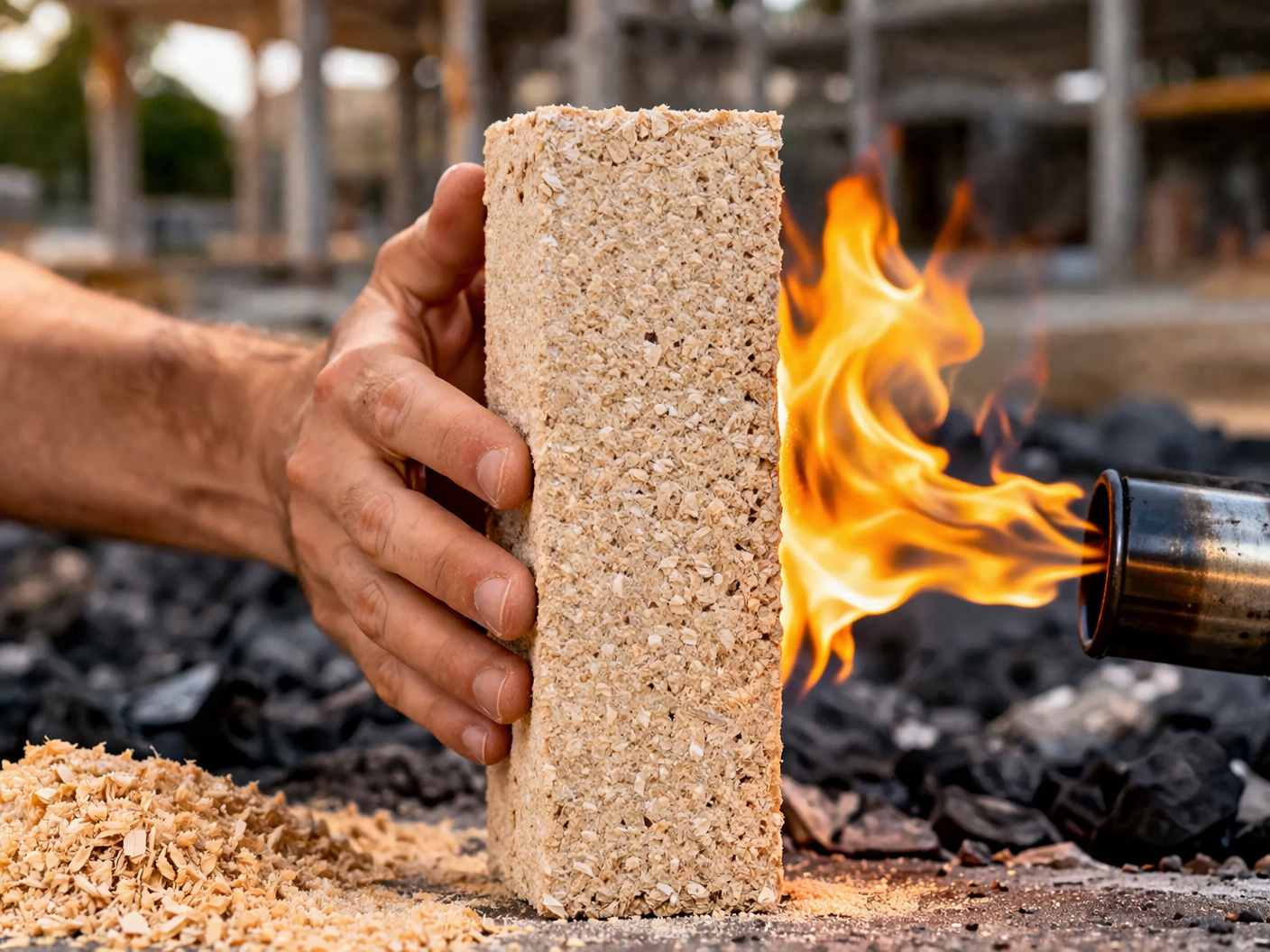
No one imagined it, but a mixture of sawdust with a mineral that fights fires surprises scientists with a result that changes the course of fire-resistant construction.
From empty land to a high-end house, wooden construction uses a lightweight system, metal structure for the foundation, ventilated ceramic cladding, and special windows to create an efficient and comfortable living space throughout the year.
— IBRAM (@ibram_mineracao) April 26, 2022
Mining Production in Brazil Will Be Highly Benefited Over the Next 5 Years, With a Total Investment of R$ 200 Billion to Be Made
The mining sector in Brazil is one of the largest movers of national capital, due to the high reserves that the country has in relation to profitable minerals. Thus, Ibram announced that an investment of R$ 200 billion will be applied in the segment over the next 5 years to foster the development of more and more projects and enterprises in the sector and expand its production in the country.
Among the main minerals that will be benefited by the investment project for production expansion, the standout is the iron ore segment, which concentrates a third of the planned contributions. In addition, a good portion of the investments will be allocated to the production of fertilizers and bauxite, as each one has a forecast of investments of US$ 5.7 billion (about R$ 28 billion) between 2022 and 2026.

The investment package will also be applied within the process of deactivating structures that pose risks to the population, to prevent new disasters from occurring in mining production in Brazil. Thus, a total of US$ 900 million (R$ 4.5 billion) will be allocated to investments in the decharacterization of dams similar to those that collapsed in Brumadinho (MG) and Mariana (MG) over the next 5 years. In this way, Ibram not only seeks to promote an expansion of mineral production but also to ensure more safety and efficiency in the Brazilian sector.
Ibram President Takes the Opportunity of Investment Plan Announcement to Criticize the Lack of Commitment with ANM in Financial Transfers and Mining in Indigenous Lands
Still in his interview about the future of the mining sector in Brazil, the president of Ibram took the moment to criticize the budget cuts of the ANM, which is responsible for regulating the sector and collecting royalties charged on mineral production but is not making a proper transfer to the segment. Therefore, the agency stated that it should retain about 7% of the royalty collection, which totaled R$ 1.5 billion in the first quarter, but has only received 1%.
Mineral production in Brazil showed a strong drop at the beginning of this year, amid the slowdown in Chinese demand, which is trying to prevent a new wave of Covid-19 and reduced its steel production during the Winter Olympics. Thus, Ibram stated that this was the main problem regarding financial transfers to the ANM,
Finally, Raul Jungmann, the president of Ibram, set aside the ANM and criticized the bill that approves mining in indigenous lands, stating that “It is necessary that this project makes the issue of illegal mining and garimpo absolutely clear,” as the proposal leaves many transparency issues regarding the legality of this production open.









Seja o primeiro a reagir!