





 Portuguese
  English
  Spanish
  3 min of reading
  0 comments



In a not-so-distant future, retirement at 78 years old may be the reality for Brazilians. According to a recent study by the World Bank, the minimum retirement age should be gradually adjusted in the coming decades. The projection suggests that if nothing changes, the minimum retirement age should reach 72 years in 2040 and 78 years in 2060. These adjustments, according to researchers, are necessary to maintain the balance of the country’s social security system, which faces the challenge of the accelerated aging of the population.
The dependency ratio of the elderly, that is, the ratio of people of retirement age to the economically active population, would be the main reason for this possible increase in the minimum retirement age. Without changes, the forecast is that the INSS benefit will not sustain itself on its current basis, as the increase in life expectancy and the reduction in the birth rate make the pension system increasingly burdensome for public finances.
Life Expectancy and Impact for Retiring with INSS Benefits
With a life expectancy that reached 76.4 years, according to data from IBGE in 2023, Brazilians are living longer, and the number of contributors compared to retirees is decreasing. In 2019, with the pension reform, the minimum retirement age was set at 62 years for women and 65 for men, a significant change, but now it proves to be insufficient to meet the demands of the pension system. Currently, the INSS benefit consumes approximately 12.7% of GDP, making it urgent to seek alternative solutions for the system to continue functioning for future generations.
According to the IBGE survey, life expectancies differ between genders: for those born in 2023, it is 79.7 years for women and 73.1 years for men. In periods prior to the pandemic, such as in 2019, life expectancy was already at 76.2 years, signaling a gradual aging of the population that puts even more pressure on the pension system.
-
A new Brazilian shopping center worth R$ 400 million will be built in an area equivalent to more than 4 football fields, featuring 90 stores, 5 cinemas, a supermarket, a college, and parking for 1,700 cars, potentially generating 3,000 jobs.

-
Larger than entire cities in Brazil: BYD is building a 4.6 km² complex in Bahia with a capacity for 600,000 vehicles per year, but the discovery of 163 workers in conditions analogous to slavery has shaken the entire project.

-
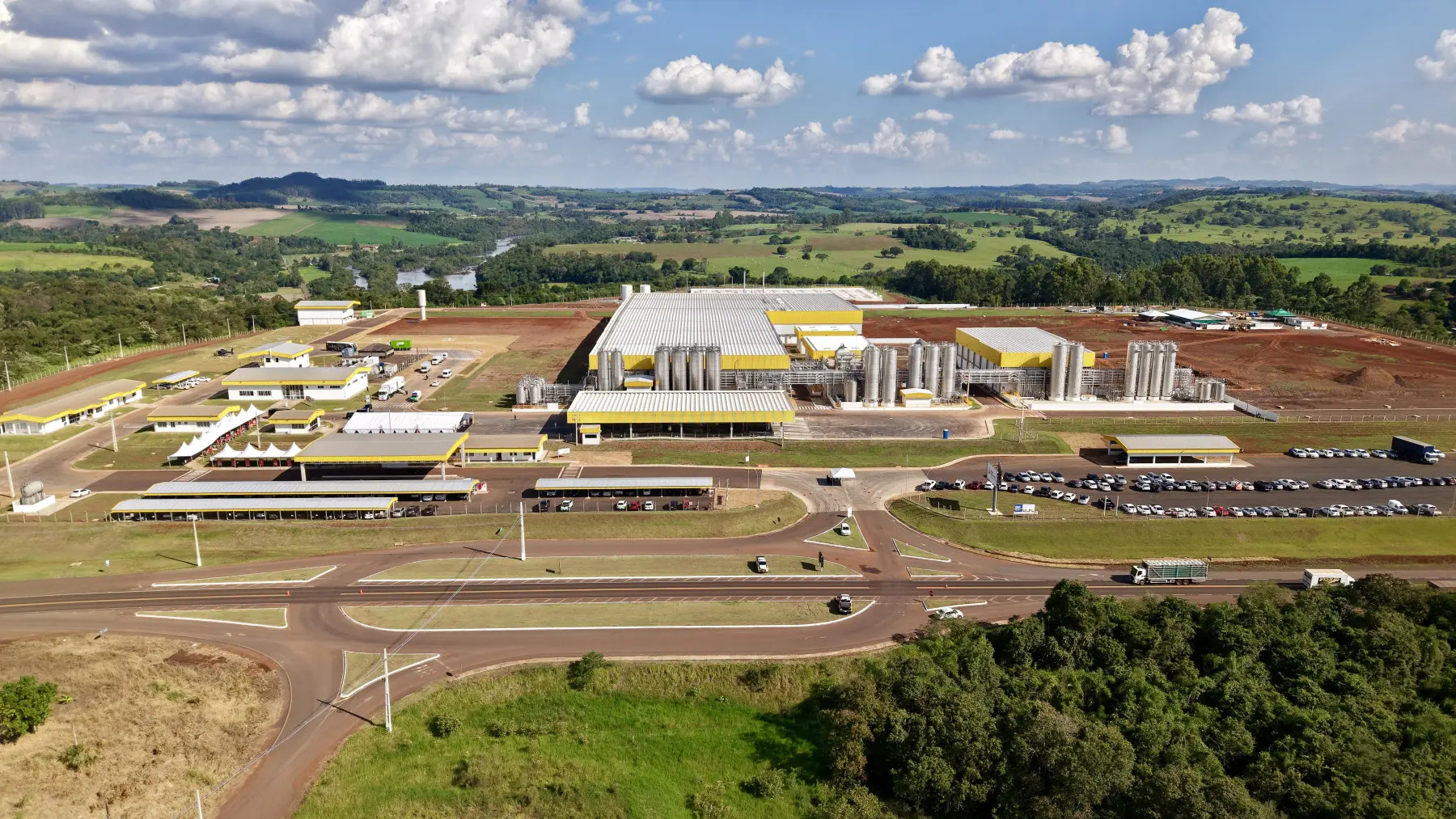
With an investment of R$ 612 million, a capacity to process 1.2 million liters of milk per day, Piracanjuba inaugurates a mega cheese factory that increases national production, reduces dependence on imports, and repositions Brazil on the global dairy map.
-
Brazilian city gains industrial hub for 85 companies that is equivalent to 55 football fields.


The Role of Ambec in Defending INSS Beneficiaries
Ambec (Association of Mutual Retirees for Collective Benefits) has been closely monitoring the impacts of these changes and providing legal support for its members regarding pension rights.
According to Marilisa Moran Garcia, president of the association, “with so many needs for modifications being pointed out, we need to stay updated to defend the interests of INSS beneficiaries and contribute to improving the quality of life of our members.” Ambec has been operating since 2006 in defending the rights of INSS retirees and pensioners, currently totaling over 60,000 affiliates across Brazil.
In addition to legal guidance, the association offers benefits in the fields of health, dentistry, insurance, and promotes educational and preventive events. This work is fundamental for raising awareness and supporting retirees in a scenario where the INSS benefit faces potential reforms.
The Future of Retirement in Brazil
The World Bank study also highlights that, despite Brazil achieving almost universal pension coverage, with contributory and non-contributory plans, sustaining this model requires continuous reforms. The high dependency rate on the INSS benefit and low adherence to the pension system among the economically active population are factors that indicate the need to rethink the current model.
With the projected increase in the minimum retirement age, experts argue that other solutions must be considered, such as the inclusion of incentives to increase the number of contributors and measures that ensure a gradual transition to the new rules. In this way, the country can achieve a more stable and sustainable system, meeting the needs of the elderly population without compromising the country’s economic future.
About Ambec
Since its founding in 2006, Ambec has been a safe harbor for thousands of INSS retirees and pensioners, providing guidance and support regarding benefits and legal issues. With a national presence, the association not only represents the interests of its members but also promotes social responsibility actions and health campaigns, proving to be a key ally in the changing landscape of the INSS benefit.










Seja o primeiro a reagir!