





 Portuguese
  English
  Spanish
  4 min of reading
  0 comments


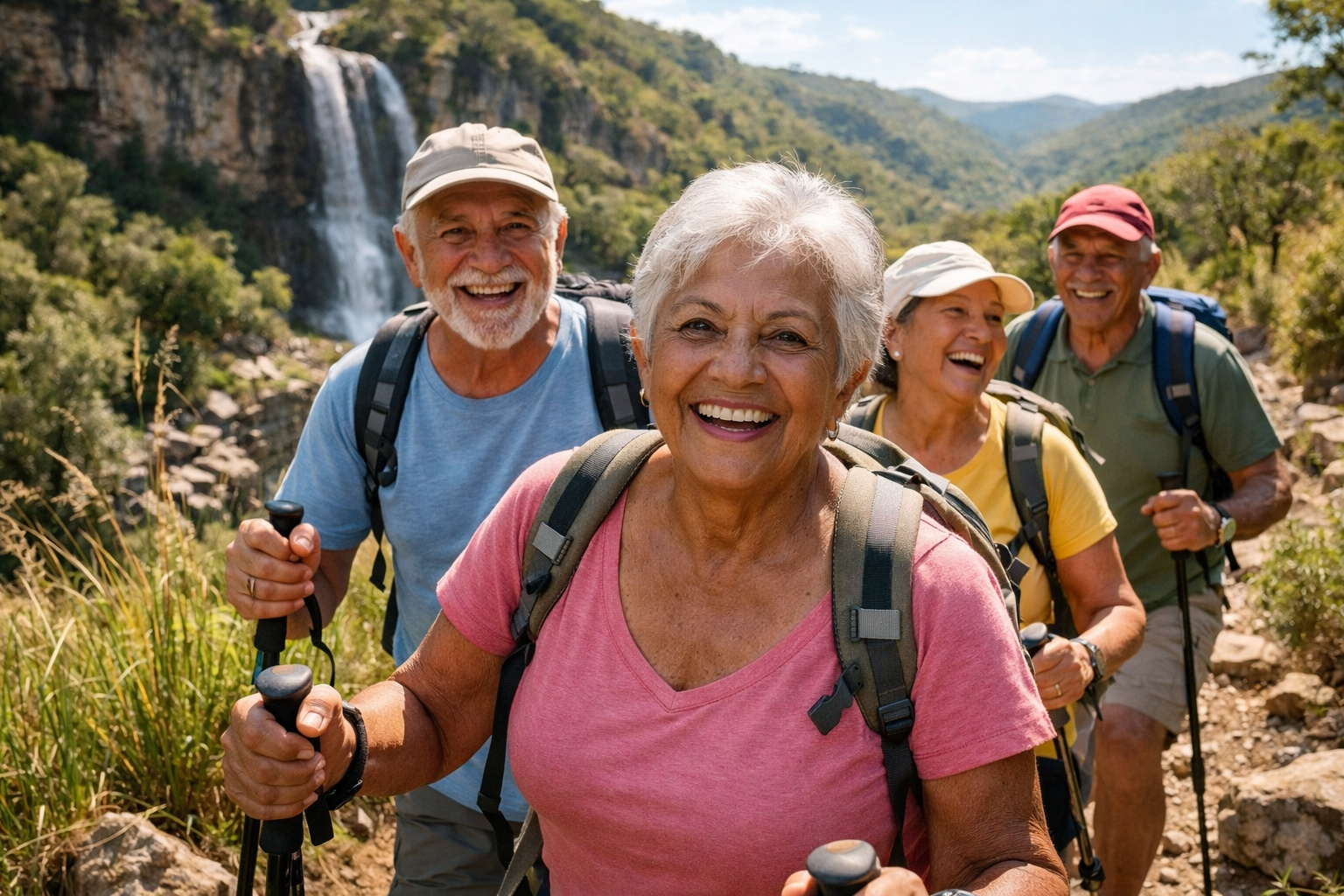
Brazilians Over 60 Are Redefining the Way They Travel, Boosting Adventure, Wellness and Longevity Tourism, While Demanding New Services, Personalized Itineraries and Financial Planning to Live Longer and Better
Brazil is aging rapidly while also traveling more. Between 2010 and 2022, the number of Brazilians over 60 grew by around 1 million per year, a demographic movement that is already having a direct impact on various sectors of the economy. However, it is in tourism that this transformation becomes most visible. After all, living longer also means wanting to make better use of time, explore new destinations, and seek experiences that promote well-being, health, and quality of life.
This information was disclosed by Booking.com, which conducted a global survey with over 27 thousand people in 33 countries, including thousands of Brazilians. According to the survey, trips have ceased to be just moments of rest and have begun to function as tools to prolong longevity, strengthen the body, and keep the mind active.
In this context, tourism for seniors in Brazil is no longer synonymous with excessive tranquility and begins to incorporate adventure, learning, and transformative experiences. Thus, the profile of the senior traveler is becoming increasingly diverse, demanding special attention from the tourism market.
-
Friends have been building a small “town” for 30 years to grow old together, with compact houses, a common area, nature surrounding it, and a collective life project designed for friendship, coexistence, and simplicity.

-
This small town in Germany created its own currency 24 years ago, today it circulates millions per year, is accepted in over 300 stores, and the German government allowed all of this to happen under one condition.

-
Curitiba is shrinking and is expected to lose 97,000 residents by 2050, while inland cities in Paraná such as Sarandi, Araucária, and Toledo are experiencing accelerated growth that is changing the entire state’s map.

-
Tourists were poisoned on Everest in a million-dollar fraud scheme involving helicopters that diverted over $19 million and shocked international authorities.


Longevity Tourism Grows and Changes the Behavior of Brazilian Travelers
With advances in preventive medicine, access to information, and wellness technologies, Brazilians are living longer and better. Therefore, four out of five respondents in the country, equivalent to 78%, express interest in participating in longevity retreats, experiences that go beyond traditional tourism.
These itineraries replace temporary solutions with proposals for continuous transformation, focused on physical, mental, and emotional health. Furthermore, the data shows that 87% of Brazilians want to learn wellness practices to apply in their daily lives, even after the trip ends.
Among the most desired therapies are:
- Body vibration (65%);
- Red light therapy (60%);
- Cryotherapy (52%);
- Stem cell treatments (50%).
Additionally, practices such as timed coffee consumption, intravenous therapies, and self-care routines are emerging as strong trends. As a result, Brazil positions itself as the fifth nationality most willing to pay for trips whose main objective is to prolong life expectancy, with 76% adherence, trailing only Thailand, India, the United Arab Emirates, and Colombia.
Therefore, longevity tourism ceases to be a niche and begins to integrate into the travel planning of an increasingly large audience.
Comfort or Adventure: Seniors Show There Is No Longer Just One Profile

According to experts, aging today does not mean slowing down. On the contrary. Gleisson Rubin, director of Previdência at the MAG Group and the Longevity Institute, states that “60 is the new 40.” However, he emphasizes that this audience is extremely heterogeneous.
While some prefer comfortable trips focused on rest and well-being, others seek physical and emotional challenges. The research confirms this diversity by indicating that almost 1 in 5 baby boomers look for experiences that completely take them out of their comfort zone.
Among the most desired activities are:
- Horseback riding;
- Mountain climbing;
- River expeditions.
Thus, tourism for seniors requires personalized itineraries, adequate infrastructure, and qualified professionals to meet different levels of physical capacity and emotional expectations. Consequently, hotels, agencies, and operators need to reinvent themselves to keep pace with this new reality.
Financial Planning Ensures Freedom to Travel More and Better
However, all this willingness to explore the world is directly linked to financial planning. After all, living longer requires considering not only retirement but also quality of life during this phase.
According to Guilherme Hinrichsen, vice president of commercial at Icatu Seguros, the increase in longevity makes it essential to plan for the so-called decumulation phase, the moment when an individual begins to use the capital accumulated over their lifetime.
A common strategy involves the monthly withdrawal of part of this wealth, functioning as a complementary income. Additionally, there are income plans offered by insurers, which guarantee fixed monthly payments, either for a lifetime or for specified periods, such as 15 or 20 years.
In this model, the insurer assumes the risk of the retiree living longer than expected, ensuring financial stability. Some plans even continue to pay beneficiaries after the policyholder’s death, which provides even more security.
Thus, financial planning ceases to be merely a matter of survival and becomes a tool to realize dreams, travel, experience new things and maintain autonomy in old age.
Final Considerations: Aging Does Not Mean Stopping
In summary, tourism in Brazil is undergoing a profound transformation driven by longevity. Today’s seniors no longer accept limiting labels and seek experiences that combine adventure, learning, well-being, and personal fulfillment.
This movement challenges the tourism market, demands innovation, and expands economic opportunities. At the same time, it reinforces the importance of financial planning as a foundation for a long, active life filled with possibilities.
Can you imagine traveling in search of adventure, well-being, and new experiences after 60? What kind of trip would you take at this phase of life?










-

-

2 pessoas reagiram a isso.