Portuguese
  Spanish


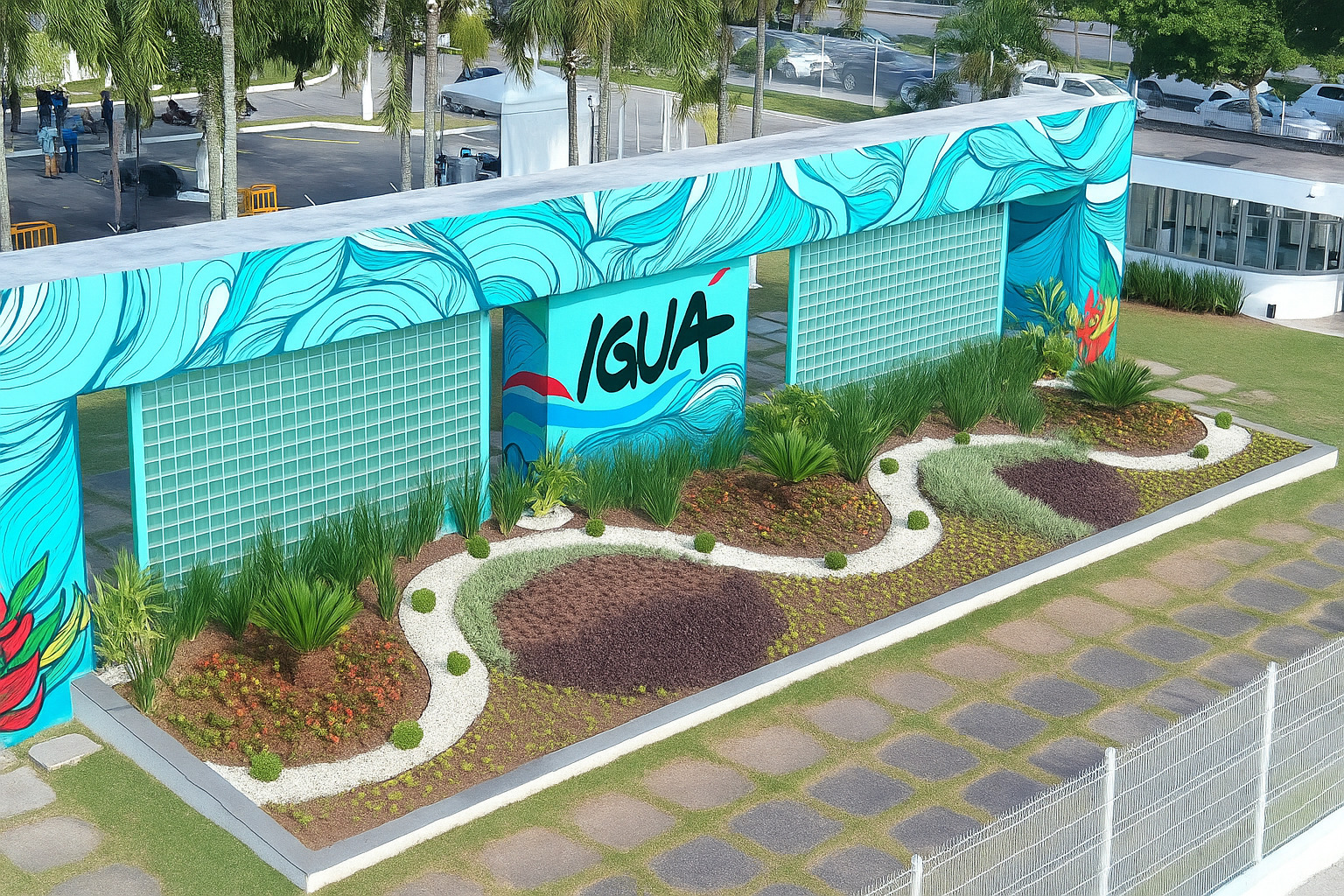

Discover How Iguá Started to Operate 100% with Solar Energy, Strengthening Sustainability and Energy Efficiency in Rio de Janeiro.
Iguá, one of the leading sanitation groups in Brazil, recently announced that it has started to operate 100% with solar energy in its operations in Rio de Janeiro. Therefore, this milestone represents not only a technological advancement but also an important step towards environmental sustainability. In addition, it highlights the growing importance of renewable energies in the country.
By adopting a more sustainable energy matrix, Iguá aligns itself with a global trend of reducing environmental impacts and consequently promoting energy efficiency.
Historically, the sanitation sector has faced challenges related to high electricity consumption, essential for water and sewage treatment. For many years, companies relied on non-renewable sources, which generated high operational costs and consequently greater greenhouse gas emissions.
-
Solar energy reaches 55 GW, becoming the second largest power source in Brazil’s energy mix

-
Solar energy can increase property value by up to 10% and become a selling point.
-
Solar and wind energy surpass natural gas for the first time in the world and accelerate energy revolution

-
Africa has about 500,000 cell towers and most still burn diesel to operate, while companies rush to cover antennas with solar energy and avoid signal blackouts.




Technological and Environmental Advances in Sanitation
However, with technological evolution and the expansion of solar generation, Iguá began to see new opportunities to integrate clean sources into its operation.
In fact, the shift to a solar energy operation does not happen in isolation. In the case of Iguá, the energy for operations in Rio de Janeiro comes entirely from three solar plants operated by Faro Energy, located in Cabo Frio, each with a capacity to produce 2.3 thousand megawatt-hours per year.
Thus, this volume meets the demand of all the company’s operations in the state, ensuring autonomy and predictability in electricity supply.
Additionally, a relevant aspect of this transition is the remote self-consumption modality, which allows energy generated to be directed to any unit of the company, even if far from the production site. Therefore, Iguá inserts the electricity into the local distributor’s transmission grid, leveraging the existing infrastructure.
This demonstrates how technological innovation can integrate with traditional systems without additional costs. In this way, the model guarantees flexibility and operational efficiency, reducing dependence on external sources and the risks associated with supply interruptions.
Besides operational efficiency, the adoption of solar energy reinforces Iguá’s commitment to sustainability and social-environmental responsibility. Consequently, the company contributes to mitigating the impacts of climate change, which has become a global priority in public policies and corporate commitments.
Free Energy Market and Own Production
Furthermore, Iguá is following a historical trend of joining the free energy market, entering it in 2019. In this model, companies negotiate the purchase of energy directly with generators, without necessarily going through traditional distributors. This enables more competitive costs and greater financial predictability.
Currently, almost 80% of the electricity consumed by Iguá comes from this market, demonstrating the company’s maturity in modern and sustainable energy strategies.
Another important point in Iguá’s journey towards solar energy operation is its own electricity production in Minas Gerais. In the Janaúba Solar Complex, located in Janaúba, the company maintains a dedicated plant with the capacity to generate 50 MWh per year.
Therefore, this investment reinforces the strategy of integrating renewable sources into the company’s energy matrix. This reduces the carbon footprint and strengthens the institutional image among clients, investors, and society.
Moreover, Iguá’s advances also fit into the broader context of the development of solar energy in Brazil. Since the early 21st century, the country has seen an accelerated growth in solar generation, driven by public policies, tax incentives, and increased environmental awareness.
Thus, solar energy has become an economically viable alternative, accessible to different sectors of the economy and capable of serving both large industrial operations and households. By fully adopting this source in Rio de Janeiro, Iguá participates in a trajectory of innovation and sustainability that transforms the sanitation sector.
Additionally, technological advancements allow for more efficient monitoring of solar generation. Energy management software and production forecasting systems help Iguá make the most of the electricity generated, avoiding waste and ensuring that each unit receives enough energy to operate without interruptions.
This enhances the environmental and economic benefits.
Economic and Environmental Benefits of Solar Energy
In addition to the positive environmental impact, operating with solar energy generates significant economic benefits. Indeed, the use of renewable energy reduces electricity costs, allowing Iguá to direct resources towards infrastructure improvements, service expansion, and technology investments.
For sanitation companies, which deal with essential demands from the population, this financial efficiency guarantees service continuity and long-term sustainability.
Moreover, integrating solar energy also contributes to reducing carbon emissions. For a long time, electricity from fossil sources, such as coal and oil, caused pollution and global warming.
By shifting to clean sources like solar, Iguá participates in a global movement for decarbonization, aligning itself with sustainable development goals and international commitments to reduce environmental impacts.
Therefore, Iguá’s experience in Rio de Janeiro serves as a reference for other companies in the sanitation sector and across different economic segments. Adopting a solar energy operation demonstrates that it is possible to reconcile economic growth, operational efficiency, and environmental responsibility.
Furthermore, it reinforces the importance of public policies that encourage the generation of clean energy and the modernization of electrical networks, creating a favorable environment for sustainable solutions.
Additionally, solar energy also strengthens the local economy. By investing in solar plants and partnerships with solar technology suppliers, Iguá stimulates jobs, innovation, and technical skills, creating a positive development cycle in the region.
Challenges and Social Impacts of the Transition
However, the transition to renewable energies involves technical and organizational challenges. It is necessary to plan the distribution of the energy generated, integrate systems into the electrical grid, and train teams to operate new technologies.
Iguá has structured its strategy to maximize the utilization of solar energy, ensuring that all units receive electricity reliably, even those located in regions distant from generation points.
Furthermore, the social impact of this change deserves attention. Adopting solar energy reduces environmental impacts in urban and rural areas, improves the quality of life of the communities served, and reinforces the company’s image as a responsible and innovative agent.
This commitment to sustainability generates positive effects on corporate reputation, customer loyalty, and attracting investors aware of ESG criteria.
Moreover, Iguá’s sustainable operation encourages environmental awareness throughout its client and partner chain. By observing examples of energy efficiency and environmental responsibility, other companies and citizens can be inspired to adopt similar practices, amplifying social and environmental benefits.
Sustainability and Strategic Future
Therefore, Iguá’s achievement of operating 100% with solar energy in Rio de Janeiro represents a significant milestone in the company’s journey and in the sustainable development of the sanitation sector in Brazil.
The combination of technology, strategic planning, and environmental commitment shows that it is possible to unite operational efficiency, cost reduction, and social-environmental responsibility. Additionally, Iguá’s experience inspires other companies, demonstrating that the transition to a clean energy matrix is viable, beneficial, and necessary.
Moreover, the full adoption of solar energy reflects a historical trend valuing renewable sources, highlighting the importance of public policies, economic incentives, and technological innovation.
By integrating this energy source into its operations, Iguá reduces environmental impacts and strengthens its market position, ensuring long-term sustainability.
In this way, the success of this initiative proves that operating with solar energy is more than just an energy alternative; it is a strategic and sustainable path for the future.