





 Portuguese
  English
  Spanish
  4 min of reading
  0 comments


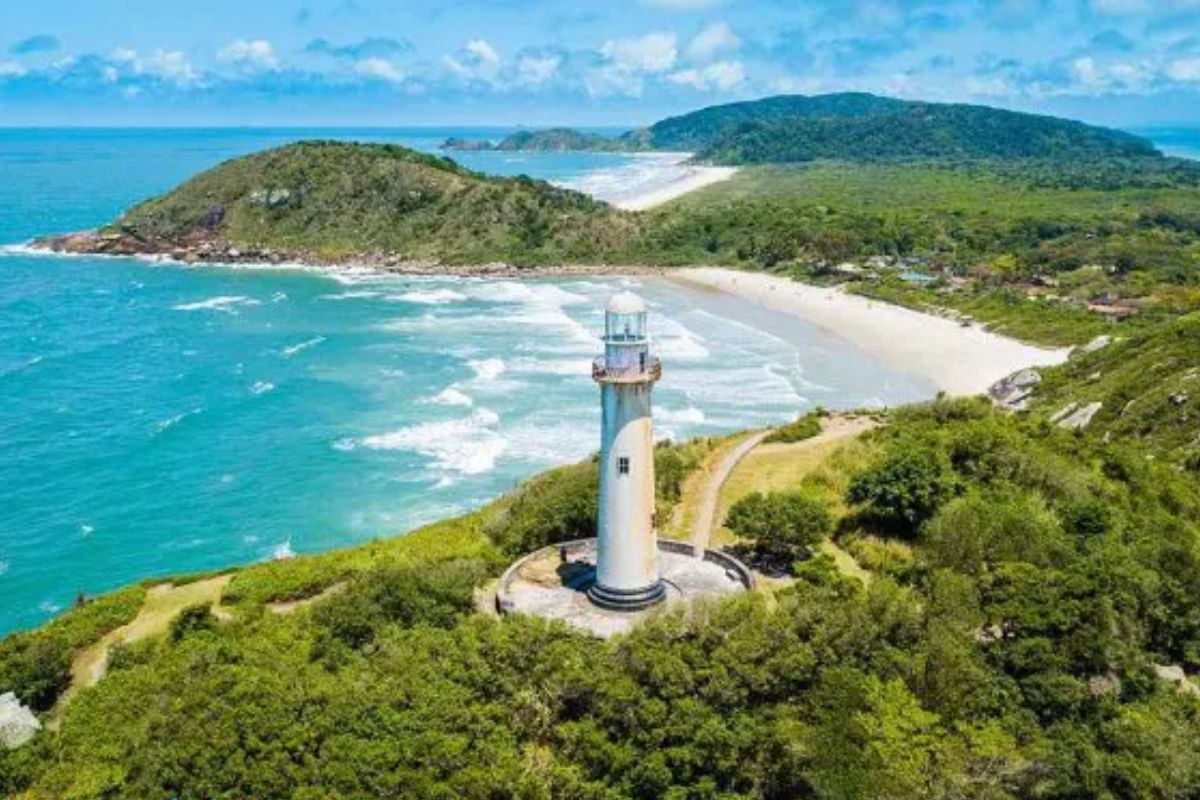
In the Paradise Island of Paranaguá, the new plan provides for electronic ticketing, QR Code, biometrics, and real-time monitoring to manage access, increase the technical capacity from about 5,000 to more than 11,000 people per day, and reduce sensitive environmental impacts with greater security and transparency.
The Paradise Island on the Paraná coast will begin a structural change in its visitation model in the first half of 2026. Access will be controlled by digital technology, with entry and exit validation, to tackle overcrowding, protect fragile ecosystems, and better organize tourist flow in a conservation area.
The plan changes not only the entrance to the destination but also the logic of public management of the territory. With enhanced technical capacity under control, an investment of R$ 9.9 million, and continuous operation expected, the proposal combines data-driven governance, traceability, and quality targets for residents, visitors, and oversight bodies.
How the New Access Control Will Work

The new operation of the Paradise Island will have electronic ticketing, QR Code, facial biometrics, and perimeter monitoring with smart cameras. Registration will be done via an app or at kiosks at the boarding points of Pontal do Sul and Paranaguá, as well as at the disembarkation points in the communities of Brasília and Encantadas. The digital scan validates the identity at entry and also upon exit, creating a reliable history of circulation.
-
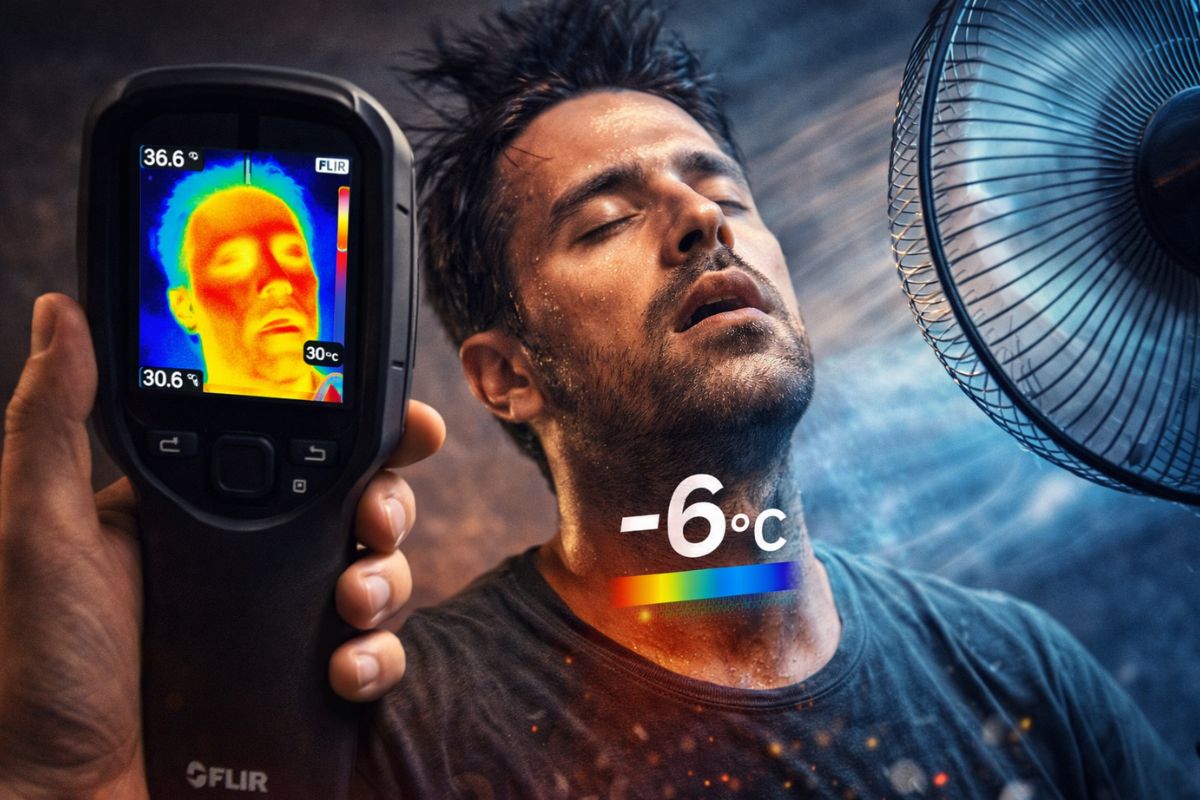
A scientist proved with a thermal camera that the fan does not cool the environment but reduces the temperature of your skin by up to 6 degrees thanks to a natural mechanism of the human body that almost no one understands how it really works.
-
Scientists find a new explanation for the origin of Earth, which may have formed solely from material close to the Sun, changing an old theory and indicating that Jupiter may have been the cause of it all.

-
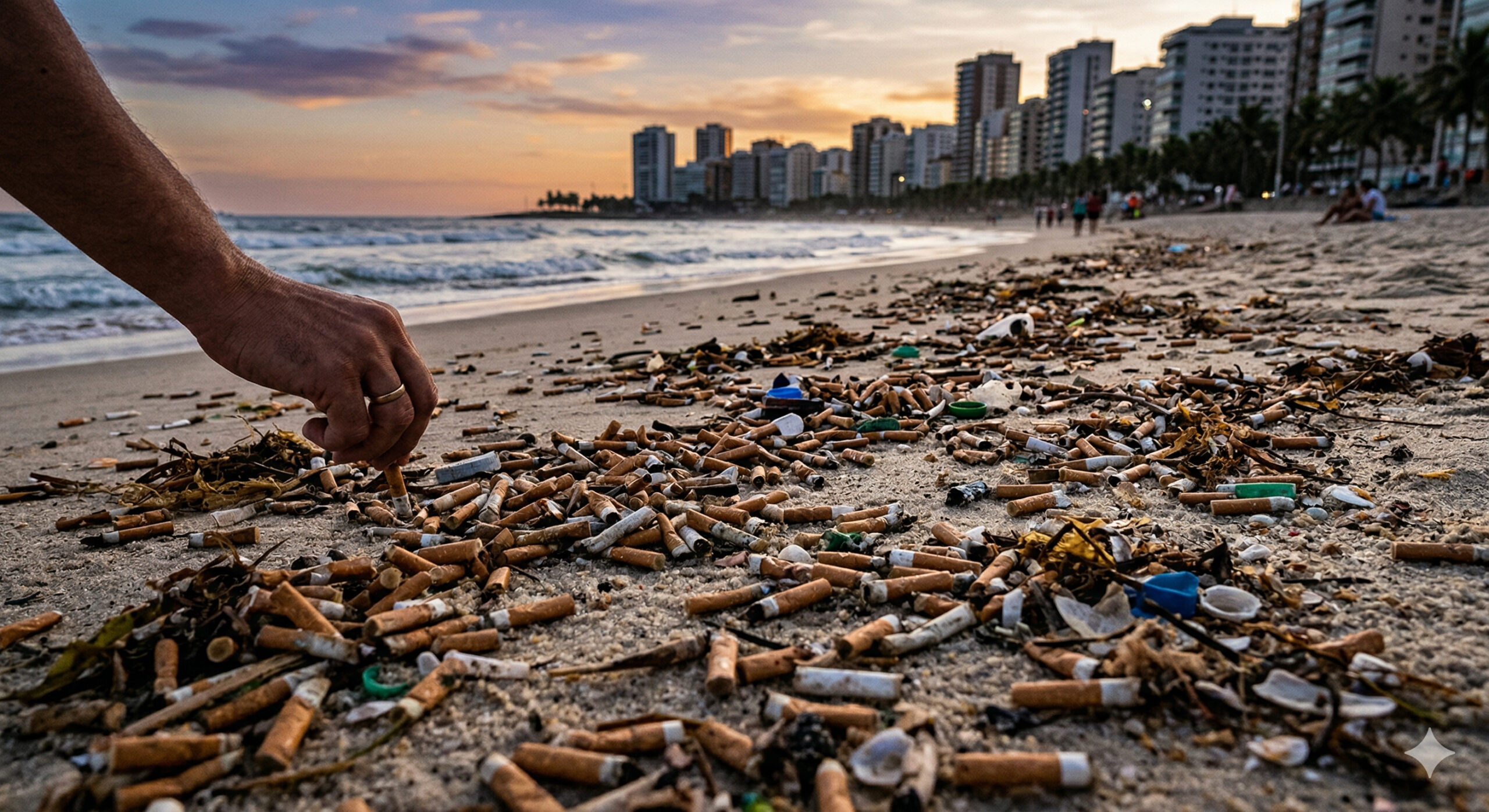
Brazilian beaches are among the most contaminated in the world by cigarette butts, with levels up to 40 times above the global average and areas where this waste already represents the majority of all the trash found.
-
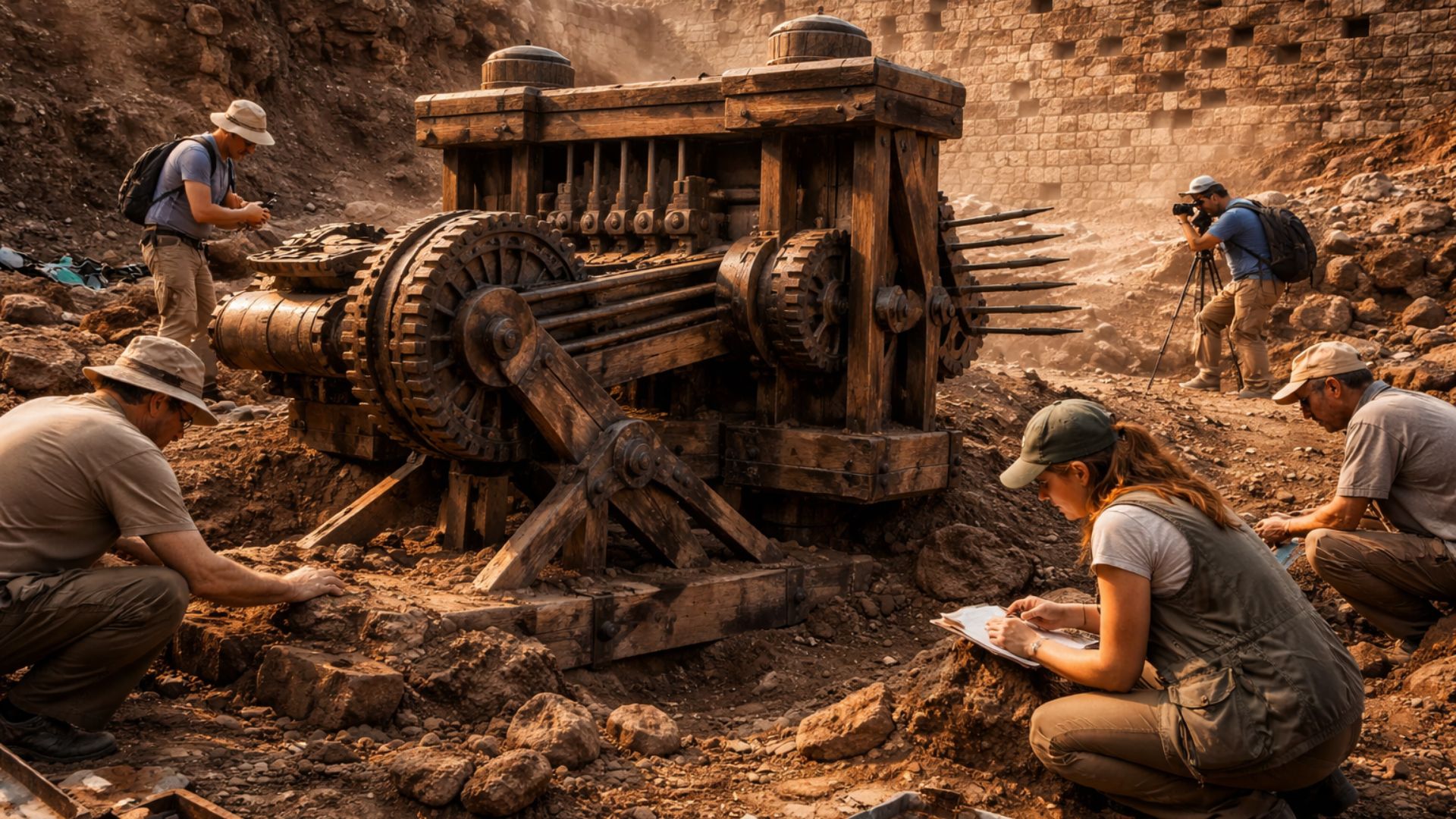
2,000-Year-Old Machine Gun: Roman weapon found in Pompeii fires arrows at 109 m/s with an automatic gear mechanism, leaving perfect geometric patterns on the walls and proving its real use in the siege of 89 B.C.

In practice, the system integrates visitation control and public safety in real time. The aim is to reduce queues, improve accessibility, and maintain auditable data on the island’s capacity, revenue, and transfers. The logic shifts from merely counting people to actively managing stay, flow, and environmental support.
Why the Daily Limit May Exceed 11,000 People
Today, the local infrastructure accommodates about 5,000 people per day. With the new plan, the maximum technical limit could exceed 11,000 daily visitors, provided there is effective control, continuous monitoring, and adequate management. This means that the increase is not automatic: it depends on the operational capacity to maintain a balance between tourist use and environmental support.
The technical justification also considers the arrival of sanitation services and the need to align human demand with the capacity of essential services.
The central point is not to “open the floodgates,” but to calibrate daily presence according to what the territory can absorb without accelerated degradation. This design includes registered residents and professionals, exempt from the access fee.
Investment, Contract, and Implementation Deadlines
The government of Paraná formalized a contract worth R$ 9.9 million to implement an integrated system with software, equipment, assisted operation, and monitoring.
The responsible consortium includes Imply Rental, Imply Tecnologia Eletrônica, and EBITECH3, following a bidding process. The solution includes a digital platform, information panels, monitoring infrastructure, and continuous operation with performance indicators.
The schedule foresees implementation within 120 days and ongoing operation for up to 60 months. In terms of public administration, this extended operational period is critical to measuring real results, correcting flaws, and consolidating a stable visitation pattern. Without operational continuity, technology becomes an event; with continuity, it becomes public policy.
What Changes for Tourists, Residents, and Travel Routine
For visitors to the Paradise Island, the change begins before boarding: registration, ticket issuance, and digital validation will now be part of the journey. Tourists will be able to choose their length of stay, paying an amount corresponding to their time of stay.
The system will also record entry and exit to improve flow predictability on high-demand days.
Residents and freelance professionals will also be registered, with the right to waive the access fee. Internal circulation remains limited to walking or cycling, and access continues to be exclusively by boat.
The crossing time remains variable: about 30 minutes from Pontal do Sul and about 1 hour and 30 minutes from Paranaguá, generally between 8 am and 6 pm, depending on weather conditions and the vessel.
Environmental Preservation and Tourist Use in the Same Territory
The Paradise Island encompasses a sensitive ecological mosaic, with beaches, mangroves, coastal wetlands, and caxetais.
Of the total area, 81% corresponds to an Ecological Station and 12% to a preservation and reconstitution park of natural environments. This territorial design explains why access control has come to be treated as an environmental issue, not just a tourism one.
The challenge is to maintain historical and natural attractions without pushing the local ecosystems beyond their limits. The Gruta das Encantadas, the Fortaleza de Nossa Senhora dos Prazeres, and the Farol de Conchas remain as focal points of the experience at the destination, but now integrated into a model of monitored environmental carrying capacity. The official proposal is to use technology to preserve, not to restrict without criteria.
The new phase of the Paradise Island marks a profound change: digital entry, facial recognition, stay control, and continuous management to balance tourism, public services, and environmental preservation.
The model can redefine visitation in one of Paraná’s most iconic destinations, provided that execution and oversight go hand in hand over time.
Would you accept biometric registration to visit natural areas if it reduced overcrowding and queues? And, in the case of Mel Island, does a higher daily limit with technological control seem like a responsible solution or a risk of extra pressure on an already sensitive territory?






-

-

-

-

-

-

18 pessoas reagiram a isso.