





 Portuguese
  English
  Spanish
  4 min of reading
  0 comments


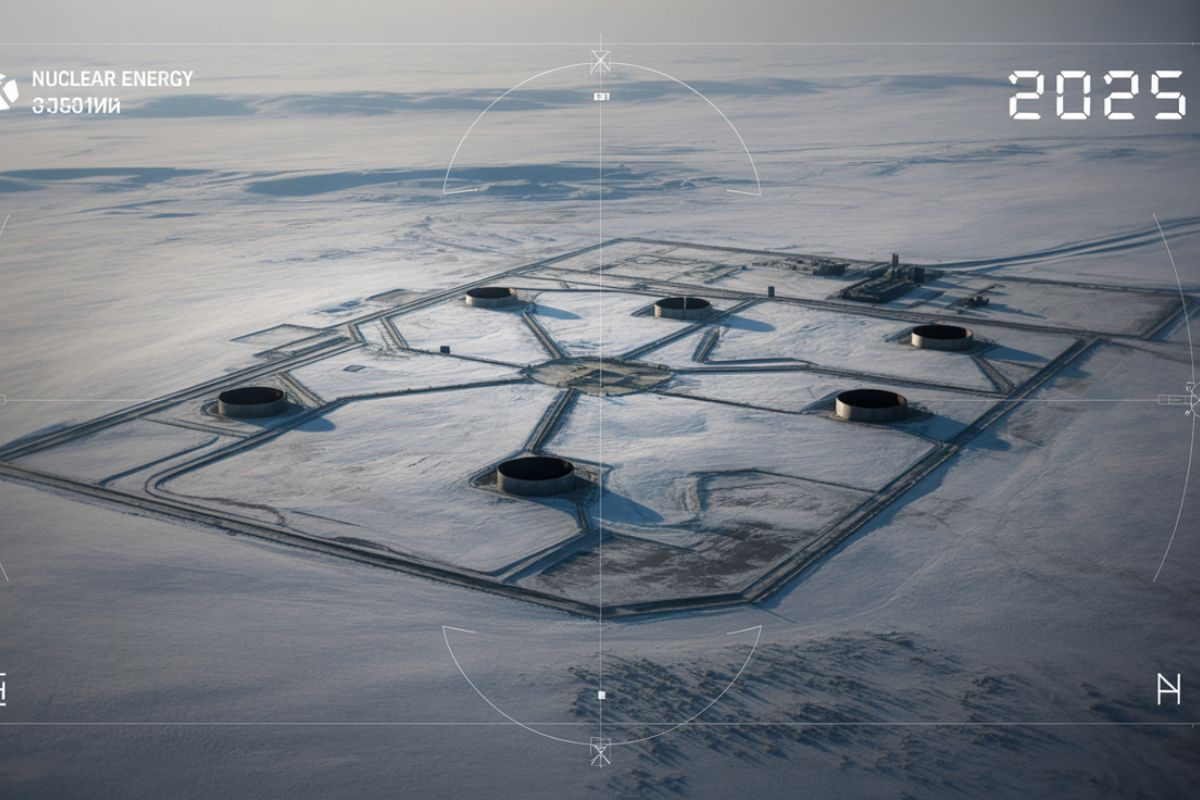
Planet Labs Image Analyses Show Alarming Patterns of Construction and Modernization in Strategic Locations, from Belarus to the Arctic, Reaffirming Moscow’s Nuclear Doctrine Amid Global Tensions.
In a scenario of increasing global instability, new visual evidence points to a strategic and silent movement from Moscow. A thorough analysis of recent photographs shows that satellite images leave no doubt: Russia is expanding to up to five secret nuclear bases, in a systematic effort to modernize and reinforce its atomic infrastructure. The revelation, made through a report from The Insider with images from the American company Planet Labs, exposes the construction of new bunkers, reinforced roads, and security perimeters in locations that until now operated far from international scrutiny.
While some of the work may be justified as routine maintenance, the scale and pace of construction indicate a reaffirmation of Russia’s nuclear power as the main tool of deterrence. At a time when its conventional forces are facing strains in Ukraine, the investment in the atomic arsenal signals a shift in the Kremlin’s strategic posture, with direct implications for Europe’s security and the global balance of power.
Asipovichy, Belarus: The New Nuclear Enclave at Europe’s Door
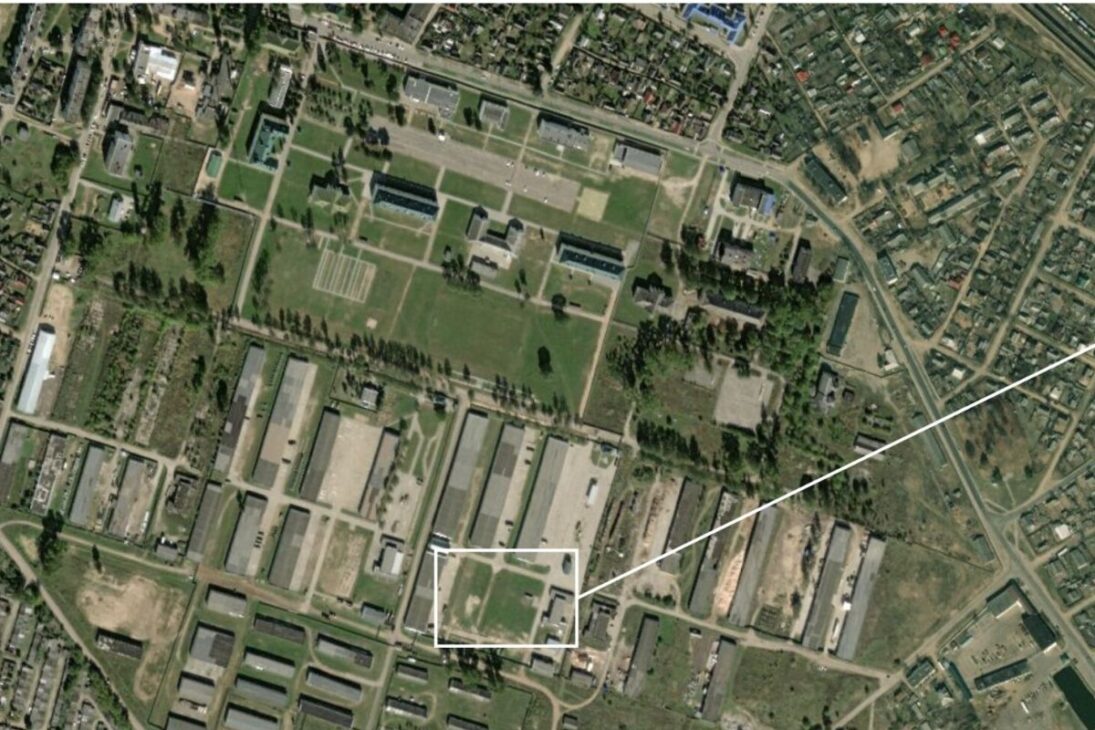
The Asipovichy base in Belarus has become a high-tension point since Russian President Vladimir Putin and Belarusian leader Alexander Lukashenko announced the possibility of deploying tactical nuclear weapons in the country. New images confirm that the infrastructure is ready. Triple fences, camouflaged entrances, and a hidden bunker among the trees have been identified.
-
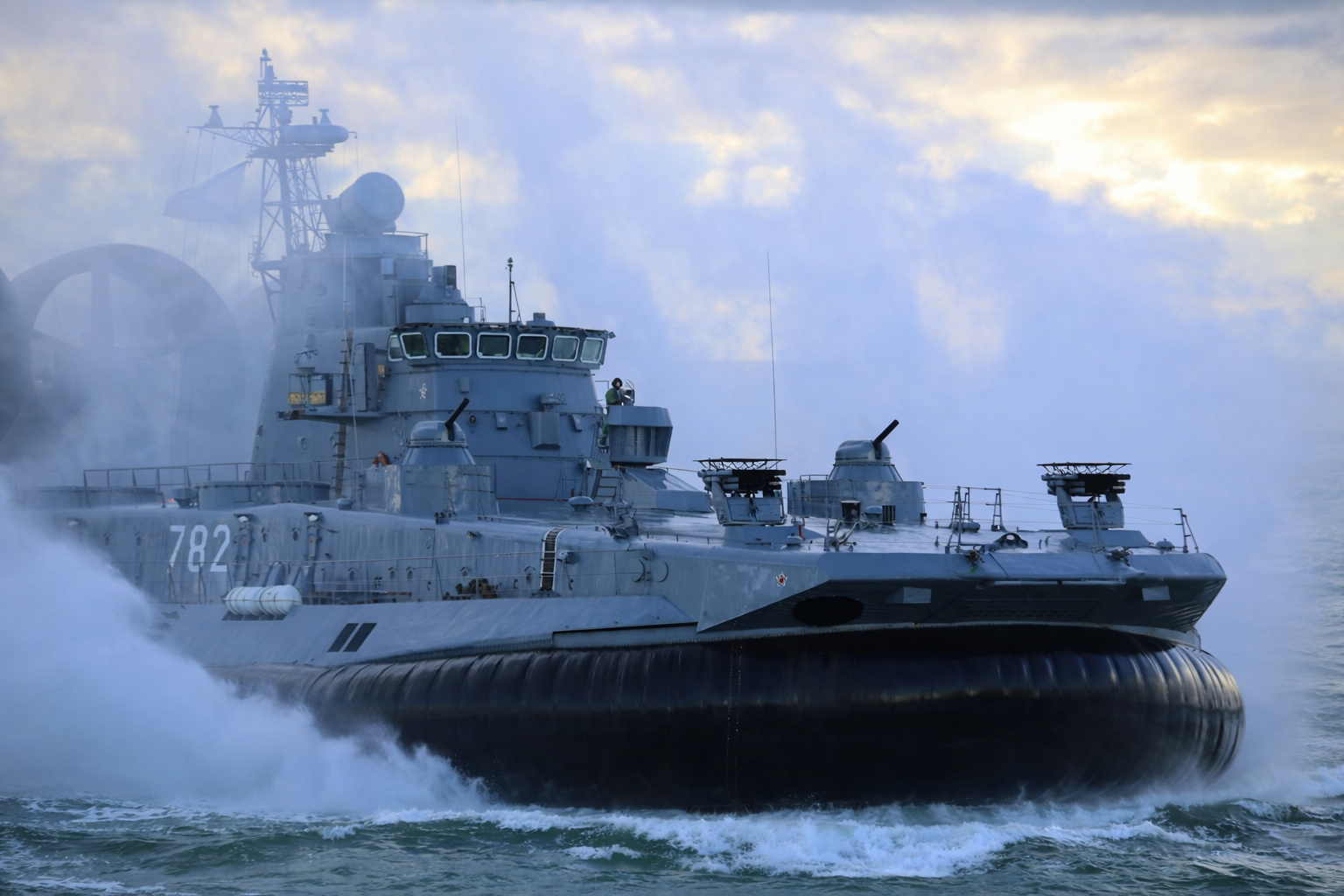
Classified as a “amphibious monster” weighing 555 tons, 57 meters long, and featuring three propellers with a diameter of 5.5 meters, the Zubr is the largest military hovercraft ever built, capable of transporting 3 tanks or 500 soldiers at speeds exceeding 100 km/h over water, ice, and sand, and China has resumed production of it to project power in the South China Sea.
-
The U.S. Army receives the first Black Hawk helicopter that can fly without pilots, be controlled by a tablet, and even land on its own during high-risk missions.

-
With 11,000 tons and sensors capable of hunting submarines at long distances, the Type 055 has become one of the most feared floating arsenals of the Chinese navy.

-
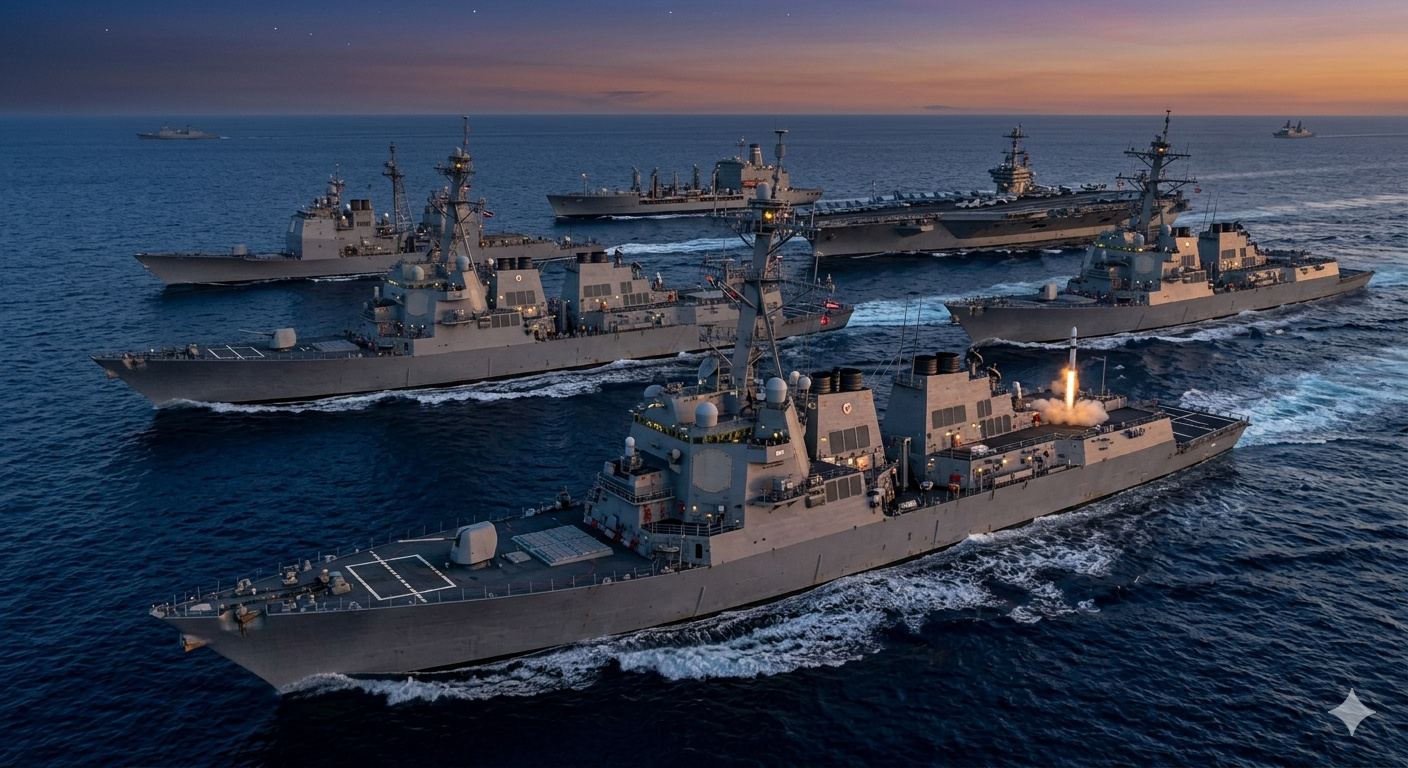
With over 15,000 tons, radars capable of tracking hundreds of targets simultaneously, and more than 120 missiles ready for launch in seconds, modern destroyers cease to be escorts and begin to dominate the naval battlefield.

Although there is no evidence of warheads present, the base has clearly been prepared to receive them, possibly via railway transport from larger depots. Nearby, a second complex houses Iskander missile launchers, capable of carrying nuclear warheads, in newly expanded hangars, consolidating the region as a fully functional tactical node.
Gadzhiyevo and Kamchatka: The Submarine Threat and Doomsday Torpedoes
In the far north, at the naval base of Gadzhiyevo, near the Arctic, activity is intense. Images show the construction of new hangars and workshops in the mountainous complex where nuclear weapons for the strategic submarines of the Northern Fleet are stored. A few kilometers away, ballistic submarines capable of launching devastating attacks wait in specially equipped docks.
On the other side of the continent, on the Kamchatka Peninsula, near Alaska, construction indicates advancements of facilities for the Poseidon nuclear torpedo, an autonomous nuclear-powered weapon. The construction of new buildings with architecture similar to other warhead depots and the presence of triple fences reinforce the suspicion that the base already houses components of the system.
Kaliningrad: The Hidden Arsenal in the Heart of NATO
The Russian enclave of Kaliningrad, located between Poland and Lithuania, has always been a concern for NATO. The latest images confirm renovations in underground bunkers and the emergence of new structures, reinforcing the hypothesis that the site functions as an active depot for tactical nuclear weapons, a latent threat on the eastern flank of the military alliance.
Nova Zembla: The Tsar Bomba Test Site Comes Back to Life
On the Arctic archipelago of Nova Zembla, famous for being the test site of the Tsar Bomba, the largest nuclear explosion in history, images reveal a notable expansion. New buildings and tunnels excavated in the mountain suggest a revitalization of the complex, either for subcritical experiments (which do not produce a chain reaction) or as a platform ready for the resumption of large-scale nuclear tests if Russia decides to abandon current treaties.
A New Arms Race
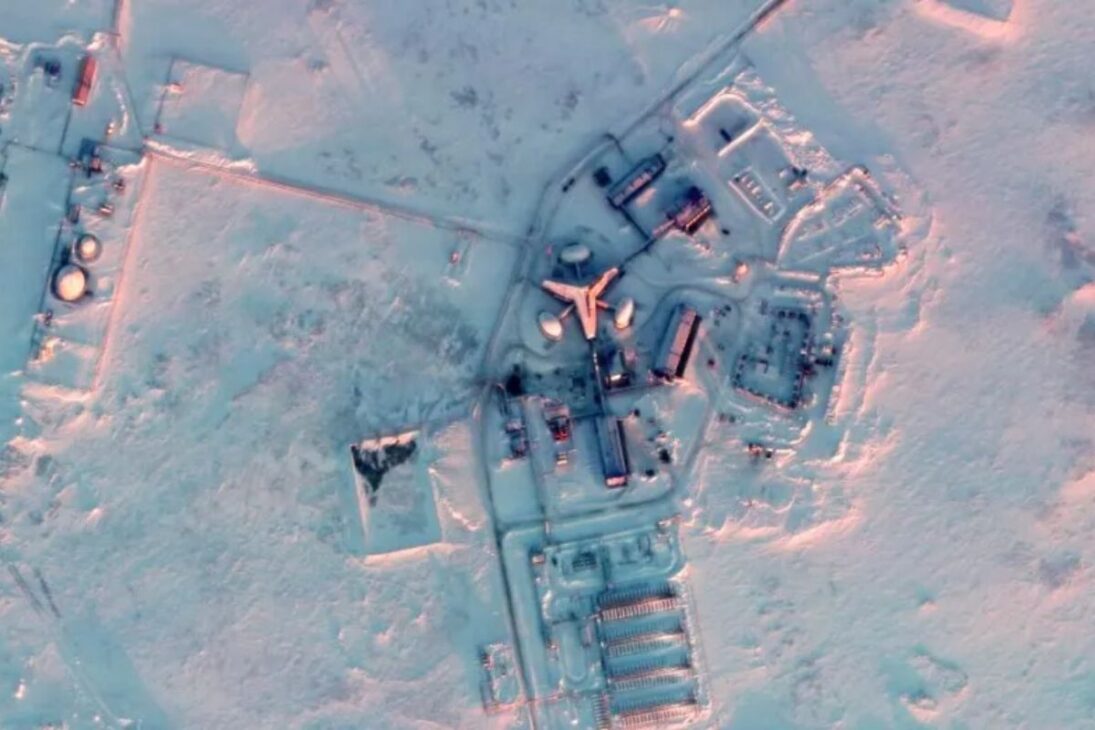
The simultaneous modernization of these strategic locations, from Belarus to the Pacific, illustrates how Russia is expanding to up to five secret nuclear bases in response to pressures from the war in Ukraine and the perception of deterioration in its conventional power. With an estimated active stockpile of over 4,300 warheads, the largest in the world, Moscow increasingly bets on its nuclear legacy as a shield. Meanwhile, the United States and China are also accelerating their own modernization programs, creating a global scenario where the nuclear balance once again becomes the axis of deterrence and strategic survival.
What do you think about this new arms race? Does Russian nuclear expansion increase the risk of a global conflict? Leave your opinion in the comments.









-

Uma pessoa reagiu a isso.