





 Portuguese
  English
  Spanish
  3 min of reading
  0 comments



Whoever Lives for More Than 5 Years in the Countryside Can Achieve Home Ownership Without Paying for the Land
Residents of rural and urban areas of up to 250 m² have the chance to obtain home ownership at no cost for the land, thanks to the mechanism of adverse possession, as provided in the Civil Code. The opportunity is available for those who meet the requirements of continuous and peaceful possession, providing a legal way to regularize properties.
Want to Achieve Home Ownership? Adverse Possession Might Be the Way!
Imagine living in a property for five years and suddenly receiving a letter saying: “Congratulations, the land is now yours!”. This may seem exaggerated, but this is the reality for many people who use adverse possession to achieve their long-dreamed home ownership. The process, as provided by law, allows residents who have possessed a property for a certain period, without interruptions and in a peaceful manner, to request recognition of ownership. And the best part: without needing to pay for the land!
How Adverse Possession Guarantees Home Ownership
Adverse possession is a judicial or extrajudicial process that allows for the legal acquisition of a property, provided that the possessor meets the specific requirements of each modality. There are different types of adverse possession, each with its own rules and possession periods.
-
A new Brazilian shopping center worth R$ 400 million will be built in an area equivalent to more than 4 football fields, featuring 90 stores, 5 cinemas, a supermarket, a college, and parking for 1,700 cars, potentially generating 3,000 jobs.

-
Larger than entire cities in Brazil: BYD is building a 4.6 km² complex in Bahia with a capacity for 600,000 vehicles per year, but the discovery of 163 workers in conditions analogous to slavery has shaken the entire project.

-
With an investment of R$ 612 million, a capacity to process 1.2 million liters of milk per day, Piracanjuba inaugurates a mega cheese factory that increases national production, reduces dependence on imports, and repositions Brazil on the global dairy map.
-
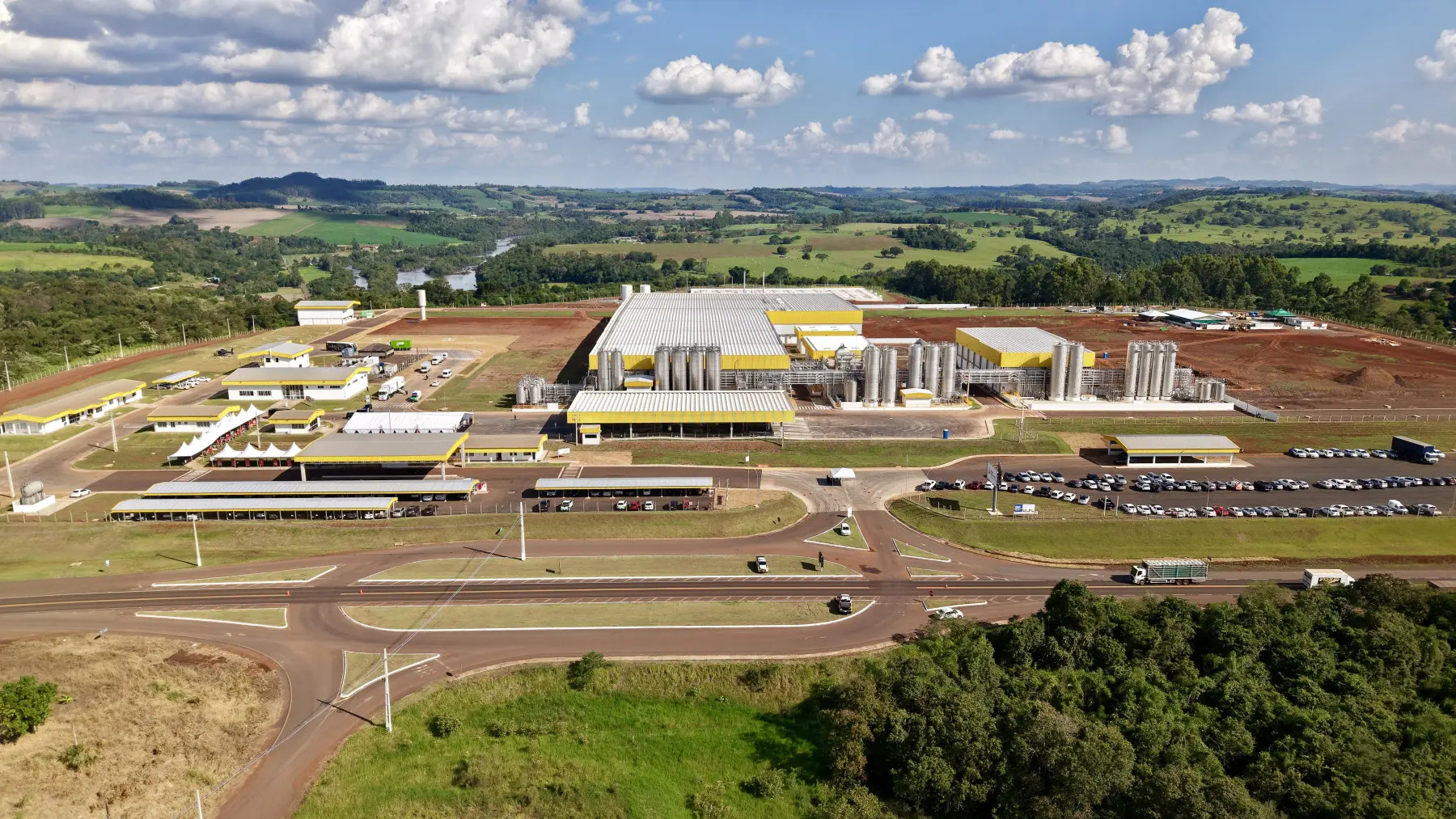
Brazilian city gains industrial hub for 85 companies that is equivalent to 55 football fields.


For those seeking home ownership, special urban or rural adverse possession is one of the most accessible modalities. The former applies to urban properties of up to 250 m², where the possessor must have continuous possession for five years. Rural adverse possession requires that the person occupy the property for a period also of five years, provided that the area does not exceed 50 hectares and is used for housing or production.
Other forms of adverse possession, such as ordinary and extraordinary, require longer possession periods, ranging from 10 to 15 years, depending on the type. The important thing is that, in all cases, possession must be continuous, peaceful, and uncontested.
Essential Requirements to Obtain Home Ownership Through Adverse Possession
Achieving home ownership through adverse possession requires meeting certain criteria. In addition to the possession time, the interested party must prove that the occupation was carried out in an uninterrupted and peaceful manner. That is, the resident needs to demonstrate that they have used the property as if they were the owner, without any disputes or questions about the possession.
Another crucial point is to gather documents that prove the possession, such as bills for water, electricity, and other proofs of residence. These items will be fundamental in the adverse possession process, whether it is conducted judicially or extrajudicially.
Regularization of the Property: What to Expect?
To formalize home ownership through adverse possession, the possessor must hire a lawyer and file a petition in court or at a notary office, in the case of extrajudicial adverse possession. If everything is correct, the judge or notary will issue a ruling recognizing the ownership, which will be registered at the notary office.
With adverse possession, many Brazilians have been able to realize the dream of home ownership without having to bear the cost of the land. This process also offers legal security for those who have occupied a property for years but still do not have legal ownership.
Adverse Possession: A Mechanism of Inclusion
Adverse possession is more than just a simple legal tool. It becomes a mechanism of inclusion, especially for low-income populations and rural residents, who often occupy land without the proper documentation. With the possibility of acquiring home ownership at no cost for the land, this process solidifies itself as an opportunity for dignity and citizenship.
Thus, those living in rural or urban areas, occupying the same land for more than five years, may be closer than they think to achieving home ownership.
Now, knowing that it is possible to achieve home ownership through adverse possession, do you think this process is fair for all parties involved, including the former owners? Share your opinion in the comments!







Seja o primeiro a reagir!