





 Portuguese
  English
  Spanish
  3 min of reading
  0 comments


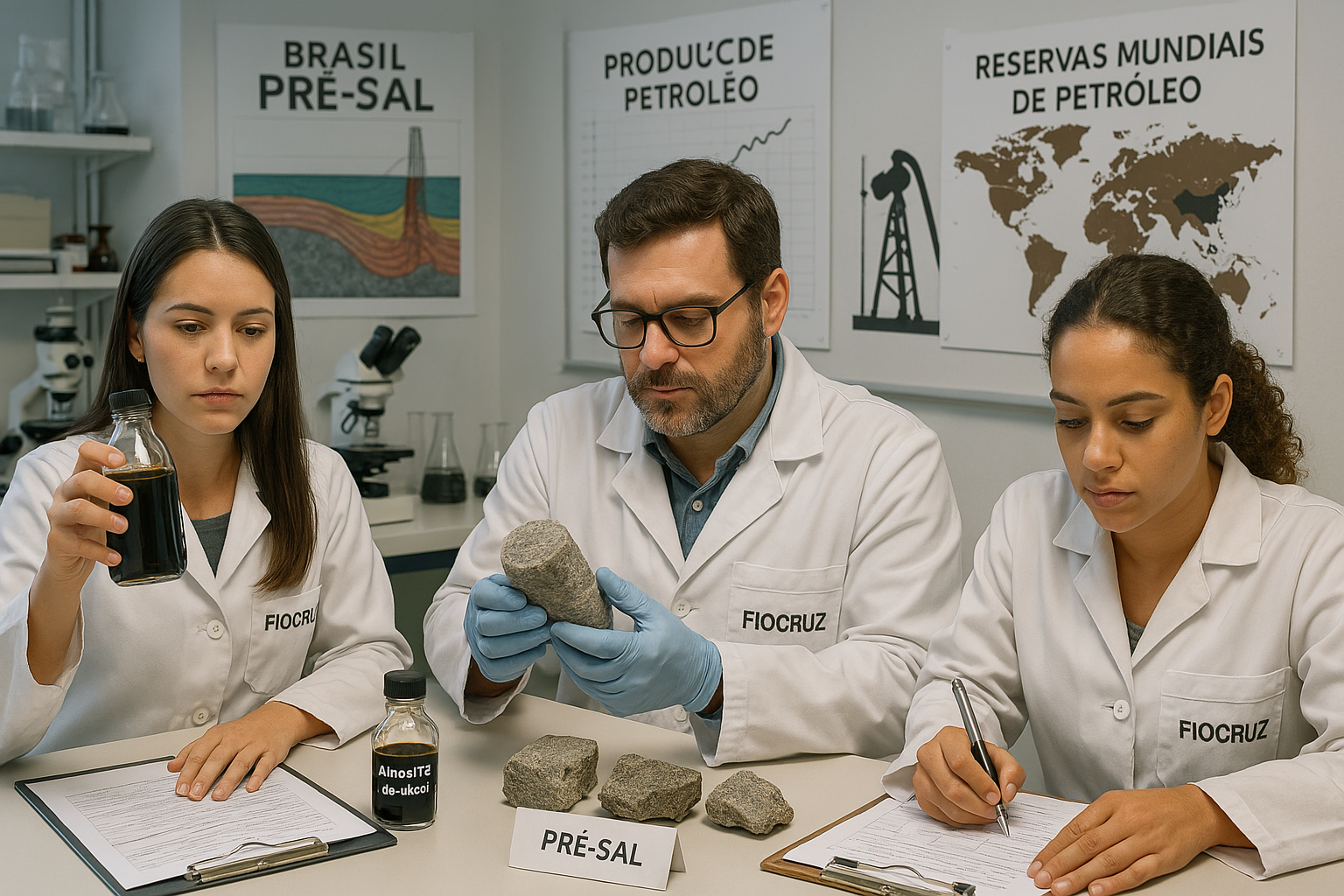
Technical Study Reveals Unprecedented Impacts, Health Risks, and Environmental Omissions in the Exploration of Pre-Salt Oil
The Fiocruz identified unassessed impacts in the exploration of oil and gas in the pre-salt. Thus, the institution revealed gaps in environmental licensing based on technical criteria. As a result, experts proposed 14 corrective actions, focusing on effectiveness, promoting social participation, and ensuring transparency.
Pre-Salt Exploration: Technical Study Points to Unrecorded Impacts
The Oswaldo Cruz Foundation (Fiocruz), in partnership with the Traditional Communities Forum (FCT) and the Bocaina Sustainable and Healthy Territories Observatory (OTSS), published in March 2025 a report that points to 25 unconsidered impacts in previous Environmental Impact Studies and Reports.
Categories of Traditionally Considered Impacts
In general, traditional environmental licensing considers three main categories: physical impacts, biological impacts, and socioeconomic impacts. However, the technical study proposes to broaden this perspective. Fiocruz identified significant omissions, especially in cumulative and indirect impacts that affect vulnerable populations.
-
Lula reveals a masterstroke by Petrobras to undo a deal made by Bolsonaro, which involves the return of an important refinery that currently produces less than half of what was expected and makes Brazil dependent on international diesel.

-
A study confirms that the natural gas sector will reduce greenhouse gas emissions in Brazil by 0.5% and accelerate the energy transition by 2026.

-
Petrobras implements a severe adjustment and confirms a 55% increase in the price of aviation kerosene with a proposal for installment payments for the companies.

-
The rise in oil prices could ensure an extra revenue of R$ 100 billion for the Federal Government, indicates a recent economic study.


Relief Ships and Lack of Integration in Previous Studies
The study points out that the responsible parties did not jointly analyze the relief ships, which have been in operation since 2008, with the other project elements.
This disconnection between technical reports undermines the integrated view of impacts, something fundamental for informed decision-making.
Licensing Update and Ibama’s Role
In response to the report, the Ibama started to include these elements in the fourth stage of environmental licensing, filed in February 2025. The adjustment represents an evolution in the process, although those responsible have not yet implemented all recommendations at this time.
Recommendations for a More Comprehensive Licensing
Among the technical suggestions from Fiocruz, highlights include the integration of socio-environmental impacts, the inclusion of health and well-being indicators, as well as the expansion of social participation. Additionally, transparency in data disclosure and recognition of local knowledge are also part of the proposals.
Environmental Licensing as a Public Policy Tool
Leonardo Freitas, coordinator of OTSS, states that above all, licensing must ensure the voices of affected populations are heard, without distortions. Furthermore, the analysis needs to be technical, inclusive, and continuous to avoid planning failures and consequently reduce health and environmental risks.
Pre-Salt: Geographical and Economic Importance
The pre-salt area encompasses about 800 km between Espírito Santo and Santa Catarina, with significant reserves for the national economy. The discovery occurred in 2006 and production began in 2007.
History of Impacts in the First Three Phases
Since 2007, the first three phases have generated social and environmental transformations, and in many cases, those responsible failed to properly monitor these transformations.
The report seeks to fill these gaps technically and accurately.
Fourth Phase: New Wells and the Need for Continuous Review
The fourth phase of the project, which has been under analysis by Ibama since February 2025, therefore, foresees the drilling of 152 new wells in the Santos Basin. In addition, Fiocruz warns that the process must, therefore, consider the accumulated lessons to avoid recurring impacts.
The document from Fiocruz presents science-based proposals, without alarmism or unrealistic promises, focusing on prevention, participation, and transparency. Therefore, it is essential that the involved authorities consider this information for future decisions.









Seja o primeiro a reagir!