





 Portuguese
  English
  Spanish
  5 min of reading
  0 comments


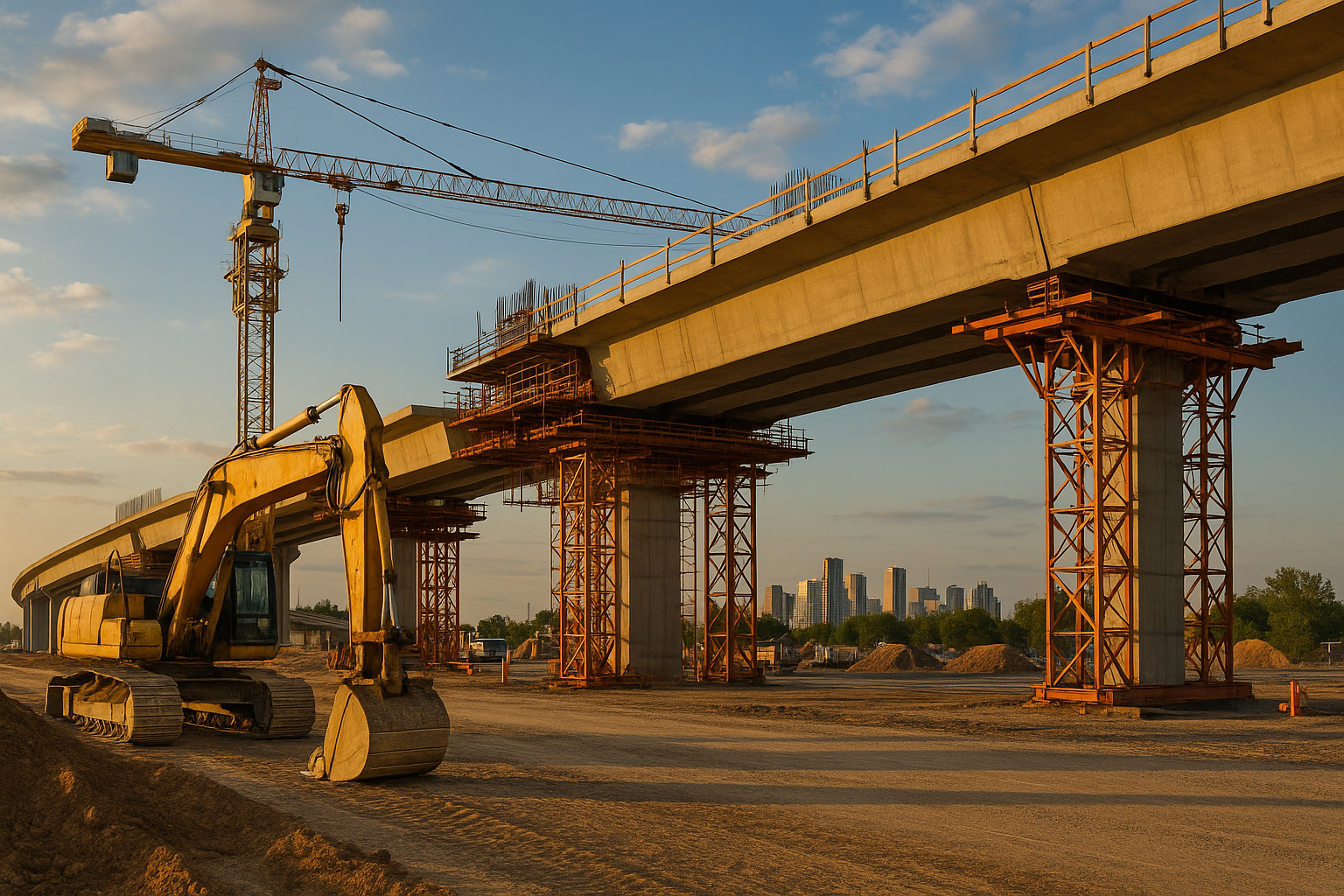
Understand The Economic Impact Of Large Works And How They Transform Society, Move Businesses, And Directly Affect Your Routine, Your City, And The Development Of The Country.
Throughout history, large infrastructure works have transformed landscapes, economies, and entire societies.
In fact, from the construction of the first railways in the 19th century to modern megaprojects like hydropower plants, highways, subways, and ports, these initiatives have left deep marks on the economic development of countries.
Therefore, when we talk about the economic impact of large works, it is important to understand that these projects go far beyond physical structures: they change routines, generate jobs, move resources, and create opportunities for businesses on different scales.
-
Abandoned house for 15 years disappears in the woods, shocks owner with unrecognizable scenery and is reborn in an intense transformation after almost 90 hours of work in just 10 days.

-
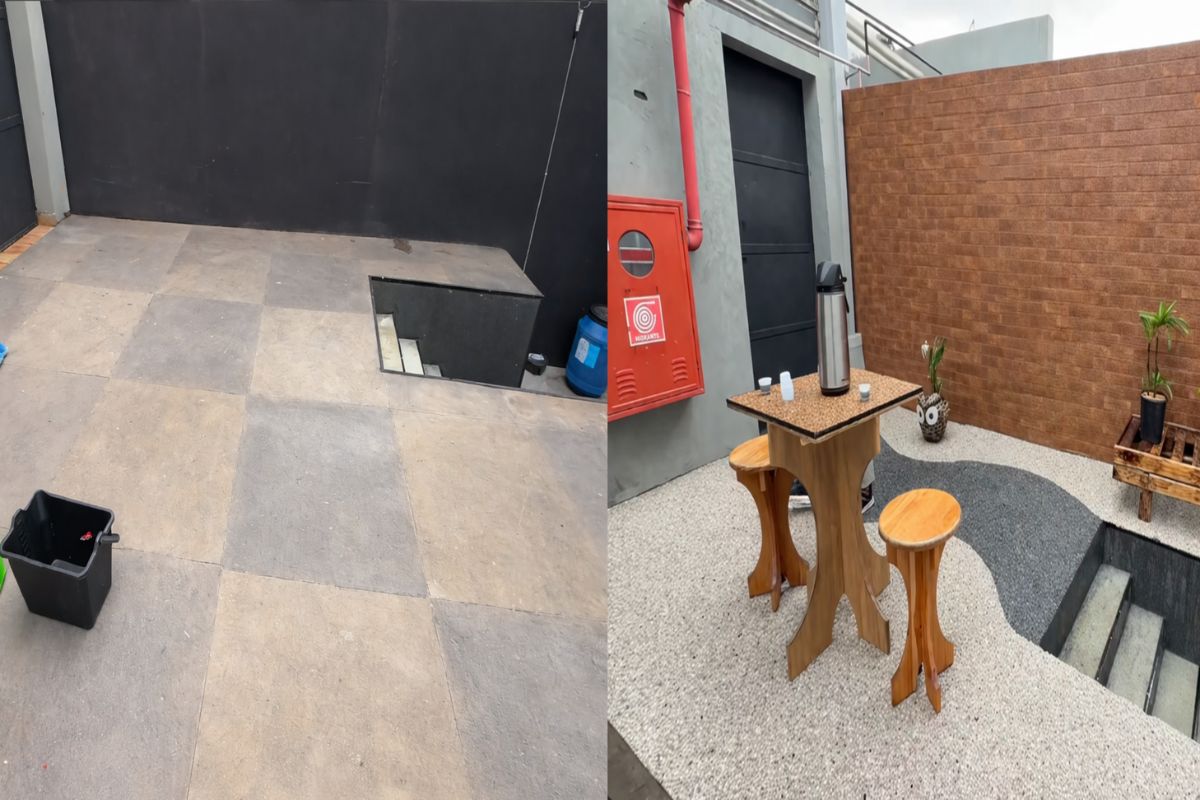
In just three hours, a natural stone floor transforms the entrance of the house with an organic effect, immediate drainage, and a sophisticated non-slip finish that doesn’t puddle water, dries quickly, and impresses with the final result.
-
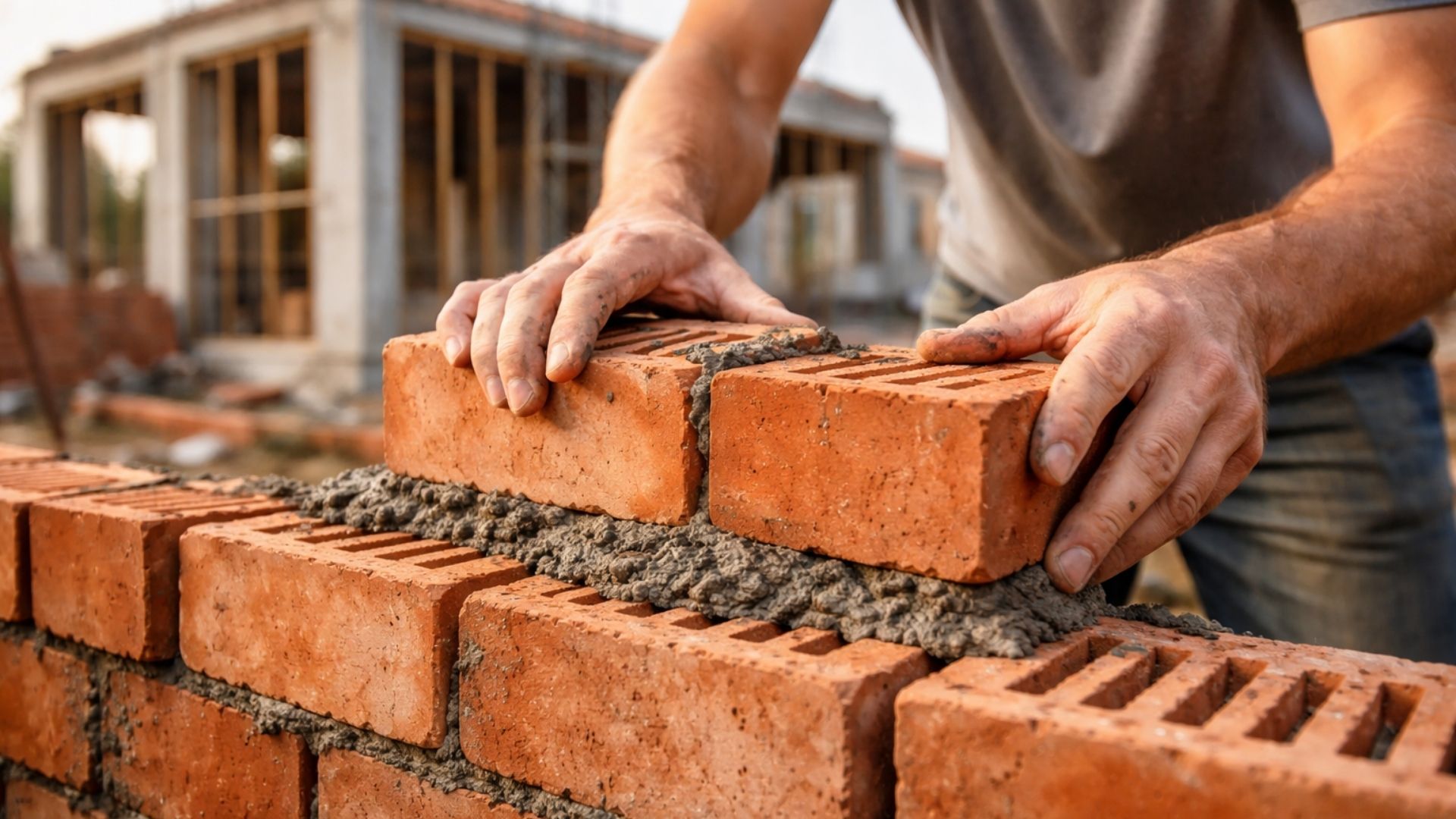
‘Interlocking brick’ made of earth arrives in the construction industry with cost reductions of up to 40% on the project.
-
Espírito Santo will receive the largest engineering project in its history with the duplication of BR 262, which will have 50 viaducts, 28 bridges, and 2-kilometer tunnels cutting through the most challenging mountainous region of the entire state.


The economic impact of large works appears right from the first steps of their conception.
Even before excavation begins, the processes of planning, licensing, contracting, and mobilization already inject resources into the local economy by hiring consultants, engineers, lawyers, and other professionals.
Additionally, the expectation of the project appreciates areas, attracts investments, and increases consumption by the directly involved population.
A Heritage That Comes From Far
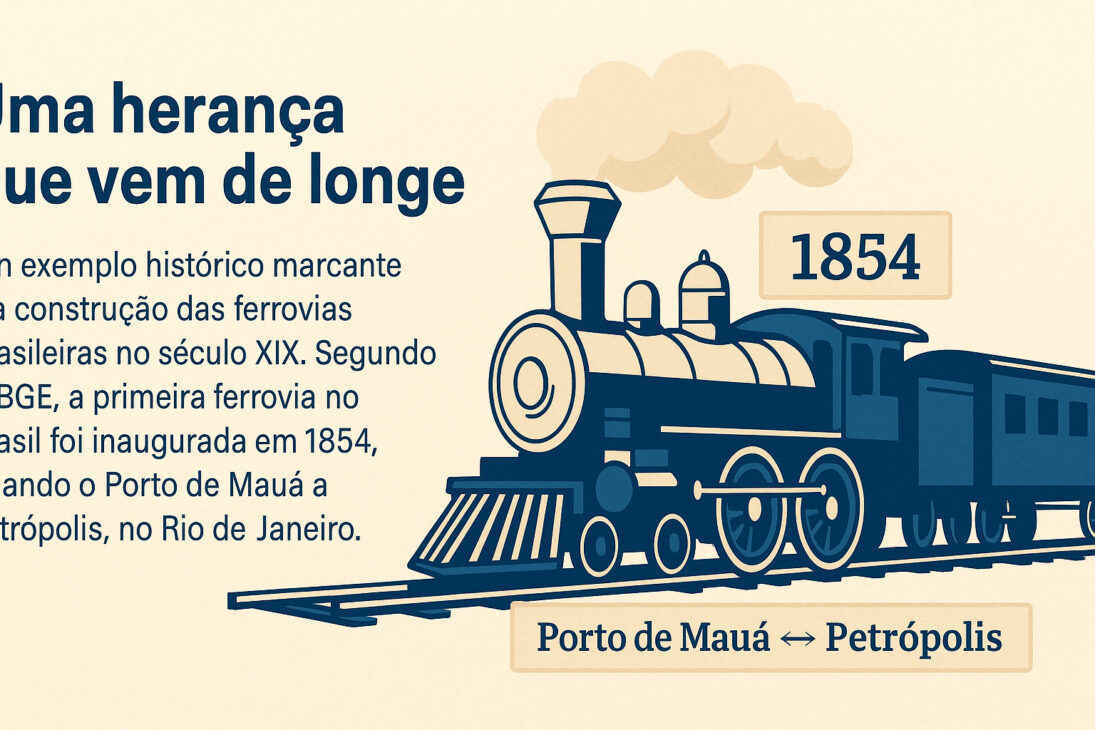
A remarkable historical example is the construction of Brazilian railways in the 19th century. According to the Brazilian Institute of Geography and Statistics (IBGE), the first railway in Brazil was inaugurated in 1854, connecting the Port of Mauá to Petrópolis in Rio de Janeiro.
This railway, envisioned by the Baron of Mauá, revolutionized the transport of goods and people during the imperial era.
By shortening distances and reducing logistical costs, the railways facilitated the flow of agricultural production, especially coffee, which was the country’s main export product.
As historian Boris Fausto highlights, this advancement allowed Brazil to integrate internal and external markets, strengthening the national economy and contributing to urbanization.
In the 20th century, hydropower plants became symbols of Brazilian development.
According to data from the Energy Research Company (EPE), the Itaipu Hydroelectric Plant, inaugurated in 1984, was a milestone for the energy sector, ensuring a large part of the electricity consumed in the country.
The project was a partnership between Brazil and Paraguay and required complex logistics and significant mobilization of labor.
According to economist Luiz Carlos Mendonça de Barros, the construction of Itaipu created thousands of jobs and caused economic and social transformations in the Foz do Iguaçu region, consolidating itself as a motor for local and national development.
In addition to Itaipu, the Tucuruí (inaugurated in 1984) and Belo Monte (whose commercial operation began in 2019) plants are recent examples that reinforce the importance of large works for Brazil’s energy security.
According to a report by the Ministry of Mines and Energy (MME) in 2023, these projects ensure the supply of energy for homes, industries, and businesses, a basic cornerstone for sustainable economic growth.
Direct And Indirect Benefits For The Population
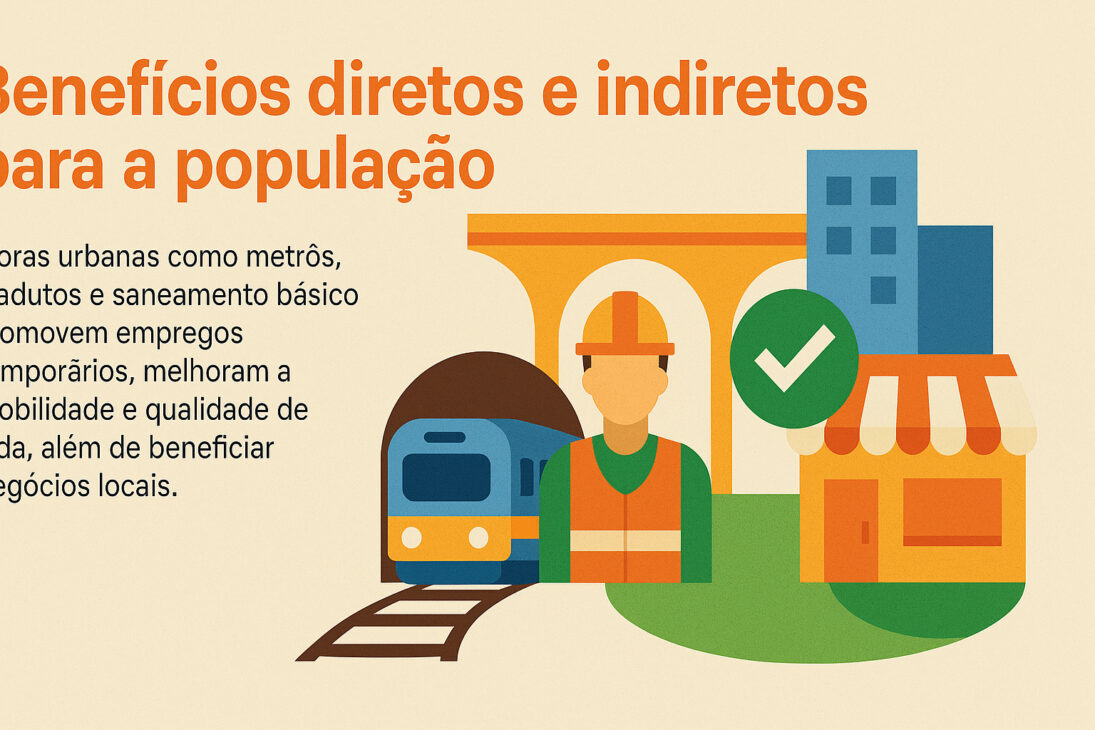
In urban areas, the construction of subway systems, viaducts, and basic sanitation also generates significant economic impact.
According to the National Association of Public Transport (ANTP), these projects create temporary jobs on a large scale and boost the construction, commerce, and services sectors.
Furthermore, in the long term, these works improve urban mobility, enhance property values, and elevate the quality of life for residents.
Thus, areas well-served by infrastructure offer more opportunities for work, study, and local businesses.
The impact is also directly reflected in the business environment. Small and medium enterprises secure contracts to supply materials, food, and services to construction sites.
According to the Brazilian Service for Support to Micro and Small Enterprises (SEBRAE), these contracts strengthen the local economy and promote the growth of regional businesses.
Additionally, large works stimulate tourism by improving access to tourist attractions and natural parks.
The construction of highways, for example, facilitates the movement of visitors and directly benefits hotels, restaurants, and tour guides.
According to a study by the Getúlio Vargas Foundation (FGV), this multiplier effect contributes to the socioeconomic development of various regions.
The Side That Needs Attention
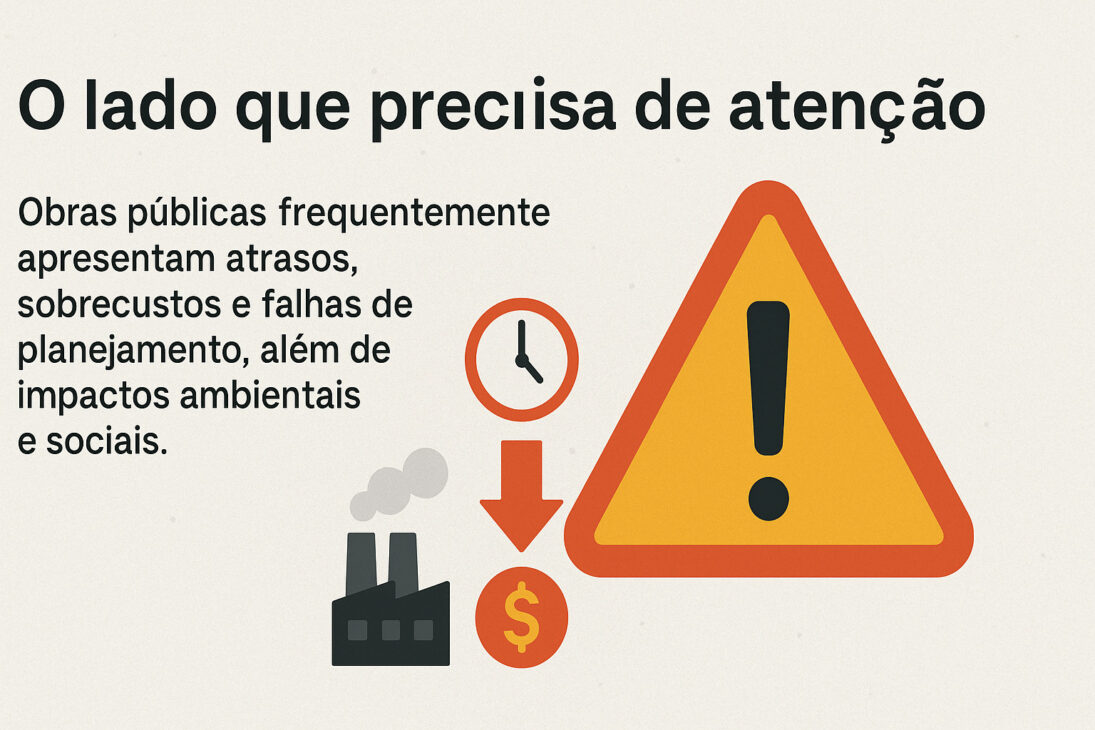
However, the economic impact of large works is not always positive.
According to the Federal Court of Accounts (TCU), many public works experience delays, cost overruns, and planning failures, leading to waste of public resources and economic losses.
Moreover, there are environmental and social impacts that deserve attention. Large projects can cause the displacement of communities, environmental degradation, and cultural changes.
Researcher Maristela Basso emphasizes that community participation and the adoption of mitigating measures are essential to balance economic progress with social justice and sustainability.
Indeed, the works that best impact the economy are those that also promote social inclusion and expand access to basic services such as water, energy, and transportation.
Communities that were previously isolated gain contact with urban centers, schools, and hospitals, creating a virtuous cycle of growth and human development.
Reflections On The Market And Innovation
In the business sector, large works signal opportunities for investors and entrepreneurs.
According to a survey by the Brazilian Institute of Economics of Fundação Getúlio Vargas (FGV IBRE), the confirmation of investments in infrastructure attracts capital and stimulates the opening of new businesses, strengthening sectors such as logistics, technology, construction, and services.
Additionally, such works drive innovation.
According to the National Council for Scientific and Technological Development (CNPq), companies involved invest in technology, training, and advanced management to meet deadlines and comply with environmental requirements.
This movement elevates the competitiveness of the economy and the capacity to tackle global challenges.
Public-private partnerships (PPPs) have been an important model to accelerate execution and improve the quality of works.
According to the Ministry of Economy, these partnerships share risks, promote efficiency, and integrate public and private interests for sustainable development.
Economic Impact Of Large Works: The Presence In Daily Life And The National Economy
The role of large works in the growth of Brazil’s Gross Domestic Product (GDP) is undeniable.
According to data from the Central Bank, by energizing sectors like industry, commerce, and services, these works increase production and the circulation of wealth.
Even after the completion of the works, their effects are felt through improved logistics and the generation of new economic demands.
For the ordinary citizen, the economic impact may seem distant, but it is present in their daily life.
The time saved on a journey thanks to a new bridge, the appreciation of property after street paving, or the expansion of local commerce driven by the work are clear examples.
Continuous investment in infrastructure constitutes one of the pillars for Brazil to compete globally and raise the standard of living for its population.
Furthermore, the ability to transport products quickly, ensure reliable energy, and provide efficient public services determines the pace of economic growth and investment attraction.
In a constantly changing world, investing in infrastructure is an essential strategy for sustainable growth.
Countries that prioritize well-planned works aligned with the needs of the population reap benefits for decades.
Therefore, the economic impact of large works goes far beyond concrete and steel.
It shapes societies, creates opportunities, and directly influences the way we live, work, and build our dreams.











Seja o primeiro a reagir!