





 Portuguese
  English
  Spanish
  5 min of reading
  0 comments


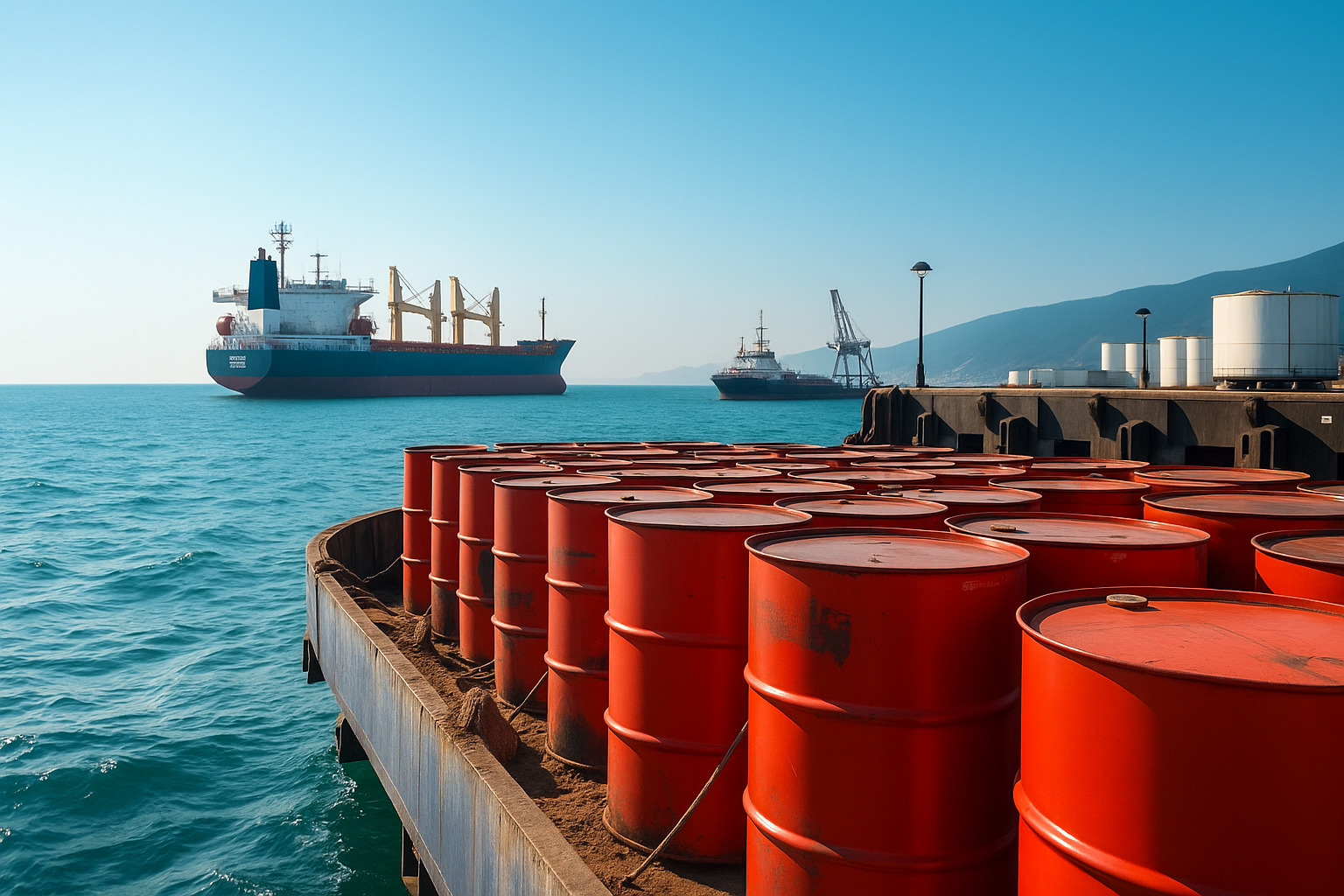
Discover How China’s Oil Imports Increased in September, Driven by Refinery Peaks and the Quest for Energy Stability.
China’s Oil Imports Continue to Play a Centrical Role in Global Energy Balance. In September, the country Recorded a Significant Increase in Crude Oil Purchases, Mainly Due to Intense Activity at Its Refineries, Which, in Turn, Reached the Highest Point of the Year.
This Movement Reinforces China’s Leading Role in the International Energy Market. It Reflects, at the Same Time, the Interaction Between Supply, Demand, and Strategic Planning in the Refining Sector.
Historically, China Has Established Itself as the World’s Largest Crude Oil Importer, Surpassing the United States and Other Major Consumers in the Last Decade.
-
With the war silencing the wells of Iran, Brazil set a record of 5.3 million barrels per day and rose in the global oil ranking without anyone noticing — the pre-salt now accounts for 80% of everything that comes from the seabed.

-
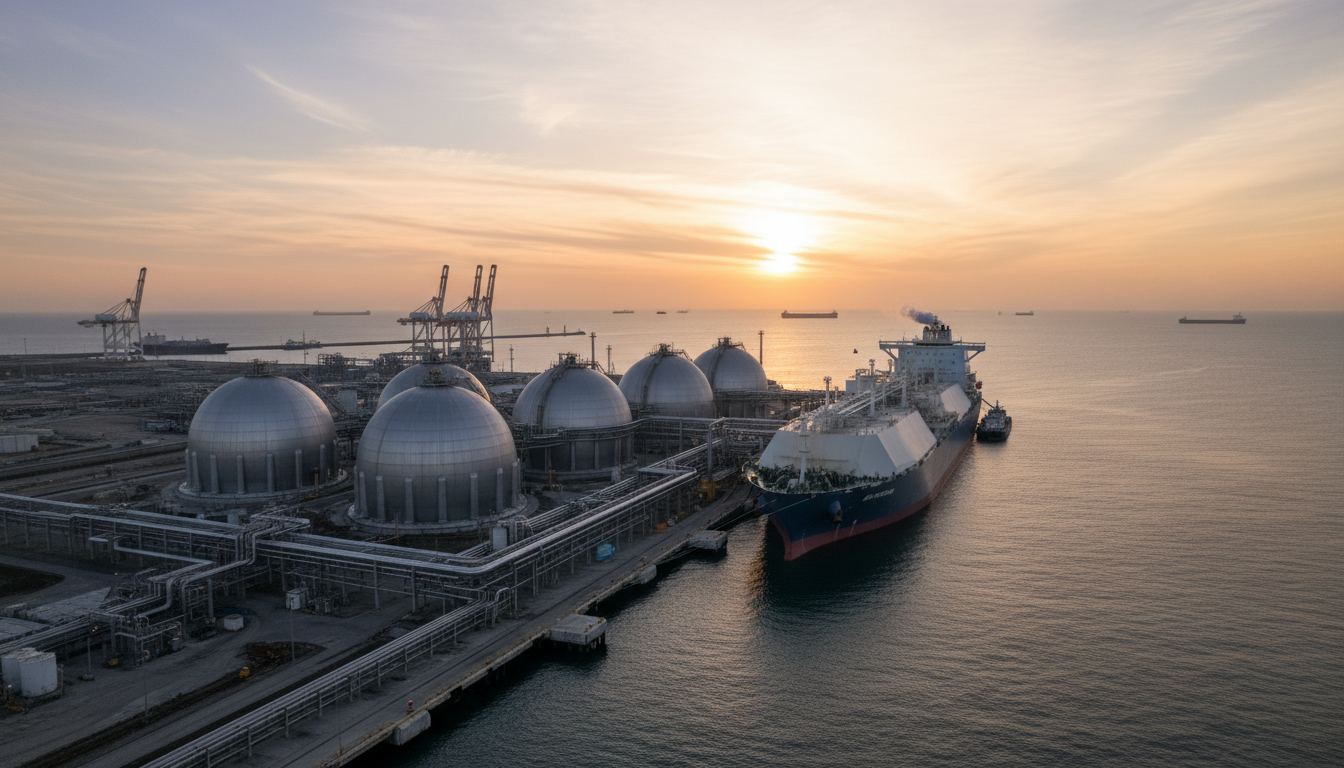
After years of delays and billions invested, the Golden Pass megaterminal in Texas is about to start exporting liquefied gas and will reshape the global energy map amid the Middle East crisis.
-
The artificial intelligence market within the oil industry is worth billions today and will more than double by 2033, and those who do not get on board now with the race for digital twins and autonomous drilling will be left behind.

-
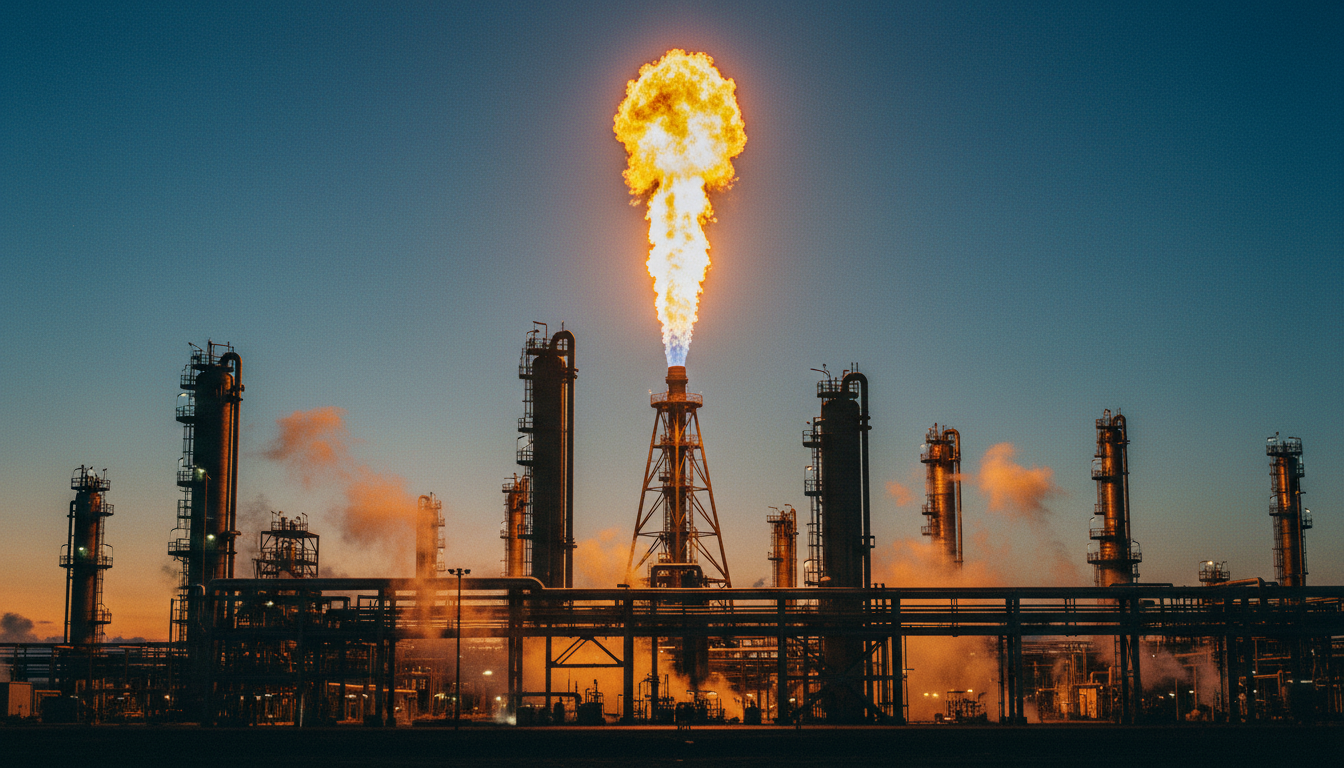
Petrobras quietly installed an artificial intelligence system called Smart Tocha in six of its largest refineries, and the technology independently controls the burning of gases to reduce emissions without any operator needing to intervene.
This Position Arises Not Only from Rapid Economic Growth but Also from an Energy Policy Focused on Supply Security and Industrial Stability. Since the Early 2000s, the Country Has Continuously Expanded Its Refining and Storage Infrastructure, Aiming to Reduce Vulnerabilities Amid Price Fluctuations in the Global Market.
Chinese Refineries Reach Record Operating Levels
In September, Chinese Refineries Reached Record Operating Levels, Processing About 47.25 Million Metric Tons of Crude Oil — Approximately 11.5 Million Barrels per Day.
This Volume Represented a 3.9% Increase Compared to the Same Period Last Year, According to Official Data from the General Administration of Customs.
Moreover, the Increase Occurred Due to the Higher Utilization of Atmospheric and Vacuum Distillation Units, Which Reached 73.45% of Installed Capacity.
According to the Chinese Consultancy Oilchem, State Refineries Increased Their Utilization Rates to 81.05%, While Independent Refineries, Known as “Teapots,” Expanded Capacity Use to 62.17%.
Thus, This Increase Demonstrates the Operational Strength of the Chinese Refining Sector, Supported by Continuous Investments in Technology and Energy Efficiency.
Consequently, the Growth of Imports Also Reveals China’s Strategy to Strengthen Its Position as an Exporter of Refined Products.
The Ability to Transform Crude Oil into Derivatives Such as Gasoline, Diesel, and Aviation Fuel Allows the Country to Expand Its Influence in Regional Energy Trade.
Refining, Therefore, Goes Far Beyond Domestic Supply and Establishes Itself as a Key Axis of Economic and Diplomatic Power.
However, Gasoline and Diesel Production Grew Faster than Domestic Consumption.
Thus, the Oversupply Generated High Stocks and Pressured Local Market Prices.
This Imbalance Has Repeated Since 2019, When China Began to Alternate Between Periods of Expansion and Adjustment in Production, Trying to Balance Industrial Growth and Market Stability.
Maintenance and Operational Efficiency of Refineries
In Addition to Increased Production, Refinery Maintenance Also Influenced the Sector’s Good Performance.
In September, 14 Refineries Temporarily Halted Operations for Maintenance, Affecting a Total Capacity of 70.4 Million Tons per Year.
This Number Was Below the Figures Recorded in August When 16 Refineries Conducted Shutdowns.
Consequently, the Reduction in Shutdowns Allowed for a More Stable Operation and Helped to Boost Monthly Production.
These Maintenance Periods Are, However, Essential for Ensuring Operational Safety and Efficiency in the Long Term.
Refineries That Follow Regular Inspection Schedules Maintain Better Energy Performance and Lower Risk of Failures.
In China, Managers Prioritize Preventive Maintenance, Especially at a Time When the Country Seeks to Consolidate Its Leadership in the Transition to a Low-Carbon Economy Without Compromising Energy Supply.
In Addition, Maintenance Provides Opportunities to Modernize Equipment and Reduce Emissions.
Many Refineries Adopt Carbon Capture Technologies and Replace Old Components, Following Environmental Goals of Carbon Neutrality by 2060.
Thus, the Combination of Technical Efficiency and Environmental Responsibility Transforms the Refining Sector into a Key Pillar of the Country’s Energy Modernization.
Maritime Trade and Supplier Diversification
In the Maritime Trade Field, China’s Oil Imports Showed Important Nuances.
Although the Total Volume Increased, Maritime Imports Reached Their Lowest Level Since January.
This Happened Because Shipments from Iran Plummeted. Additionally, the Government Limited Import Quotas for Independent Refineries.
According to the Analysis Firm Kpler, Restrictive Quotas Reduced Purchases of Russian and Iranian Barrels, While Less Favorable Arbitrage Conditions Decreased Imports from Brazil and West Africa.
Even So, the Accumulated Volume Between January and September Stood at 423 Million Tons Imported, an Increase of 2.6% Compared to the Same Period Last Year.
This Advance Resulted from Government Efforts to Replenish the Country’s Strategic Stocks, Ensuring Secure Supply in the Face of Geopolitical Crises or Price Shocks.
China’s Oil Imports Directly Influence Global Prices and the Investment Decisions of Major Producers.
When China Increases Its Purchases, Exporting Countries Like Saudi Arabia, Russia, and Brazil Experience Increased Demand. Consequently, This Supports International Quotations.
On the Other Hand, Reductions in Chinese Imports Tend to Lower Global Prices, Highlighting the Interdependence of the Global Energy System.
The Increasing Dependence on Maritime Imports Also Reinforces the Importance of Securing Trade Routes, Especially in the South China Sea and Strait of Malacca — Areas Through Which Much of the Imported Oil Passes.
China Invests, Therefore, in Port Infrastructure Inside and Outside the Country, Through the Belt and Road Initiative. This Ensures Fluidity in Trade and Reduces Logistical Risks.
Energy Dependence and Sustainable Transition
In Recent Years, China Has Diversified Its Import Sources, Increasing the Share of Suppliers from Africa, South America, and the Middle East.
This Energy Policy Seeks, Therefore, to Reduce Geopolitical Risks and Ensure Continuous Supply in Times of Uncertainty.
The Relationship Between Economic Growth and Energy Demand Remains, However, Very Strong.
Even with Some Sectors Showing Slowdown, Energy Consumption Remains High. Rapid Urbanization, Industrial Advancement, and Fleet Expansion Keep High Demand for Oil Derivatives, Even with the Increase of Renewable Energies.
On the Other Hand, the Chinese Government Intensifies Its Efforts to Promote the Energy Transition.
Investments in Solar, Wind, and Green Hydrogen Energy Demonstrate the Intent to Gradually Reduce Dependence on Fossil Fuels.
Despite This, Oil Still Supports the Country’s Industrial and Logistical Bases. This Duality Between Economic Growth and Sustainability Defines the Current Scenario of China’s Oil Imports.
Additionally, Electrification of Transportation Is Beginning to Alter the Consumption of Fossil Fuels.
China Plans to Significantly Increase Its Electric Vehicle Fleet by 2035, Which Could, Therefore, Change the Profile of Oil Imports in the Coming Decades.
Strategy, Geopolitics, and the Energy Future
Various External Factors Also Influence Chinese Imports.
Economic Sanctions, Tensions in the Middle East, and Exchange Rate Fluctuations Affect the Price and Availability of Oil in the International Market.
China, in Turn, Adapts Its Strategies According to Global Conditions. Thus, It Takes Advantage of Opportunities to Negotiate Better Prices and Strengthen Its Strategic Stocks.
The Increase in Imports in September Integrates, Therefore, a Continuous Movement of Adjustment and Strategic Planning.
Chinese Refineries, Operating at High Capacity, Demonstrate the Robustness of National Energy Infrastructure.
Meanwhile, Maintenance Adjustments and Supplier Diversification Show the Country’s Concern for Sustainability and Energy Security.
From a Historical Perspective, the Growth of China’s Oil Imports Reflects a Trajectory of Economic and Technological Transformation That Began More than Four Decades Ago.
Since the Country Opened Up to International Trade in the 1980s,











-

Uma pessoa reagiu a isso.