





 English
  Francês
  Alemão
  Italiano
  Japonês
  Norueguês
  Portuguese
  Spanish
  3 min of reading


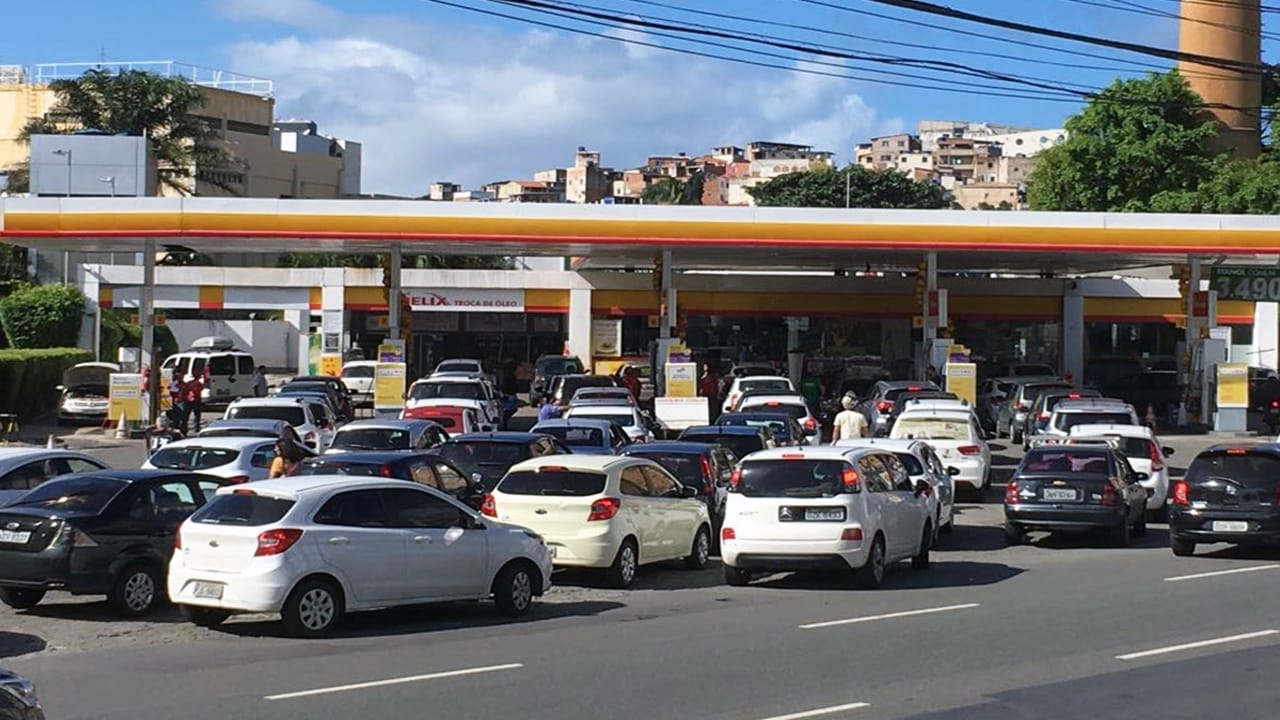
Federal Government Eliminates Import Tax on Six Foods and Ethanol. The List of Foods Includes Roasted Coffee, Margarine, Cheese, Pasta, Sugar, and Soy Oil; Expected Reduction is Up to R$ 0.20 on Gasoline Price
On the last day 23, the Federal Government reduced to zero the import tax on six staple foods and ethanol, which promises to reduce the gasoline price by up to R$ 0.20. The measure was approved in an extraordinary meeting of the Management Executive Committee (Gecex) of the Foreign Trade Chamber (Camex), an agency linked to the Ministry of Economy, and aims to reduce the impacts of inflation.
The list of foods with eliminated import taxes by the Government includes roasted coffee, margarine, cheese, pasta, sugar, and soy oil. According to the Ministry of Economy, these products had price increases above the country’s inflation average. Until then, the Import Tax was 28% for cheese, 14.4% for sugar, 14.4% for pasta, 10.8% for margarine, 9% for coffee, 9% for soy oil, and 18% for ethanol.
“We are also very concerned about the impact of inflation on the poorest population, on the population in general. We know how much this can erode everyone’s purchasing power,” emphasized the Executive Secretary of the Ministry of Economy, Marcelo Guaranys.
-
Petrobras finds high-quality oil in the pre-salt at 113 km from RJ and reignites expectations about strategic reserves in the Campos Basin.

-
Ocyan opens registrations for startups focused on innovation in the oil and gas sector and will select projects for Innovation Day with the support of Nexio.

-
Petrobras announces new oil discovery in the pre-salt of the Campos Basin and reinforces Brazil’s prominence with high-quality reserves that can increase production and energy revenues.

-
Alert in the fuel market: Analysts and a former director of ANP warn that oil prices may worsen in the coming months due to global instability.
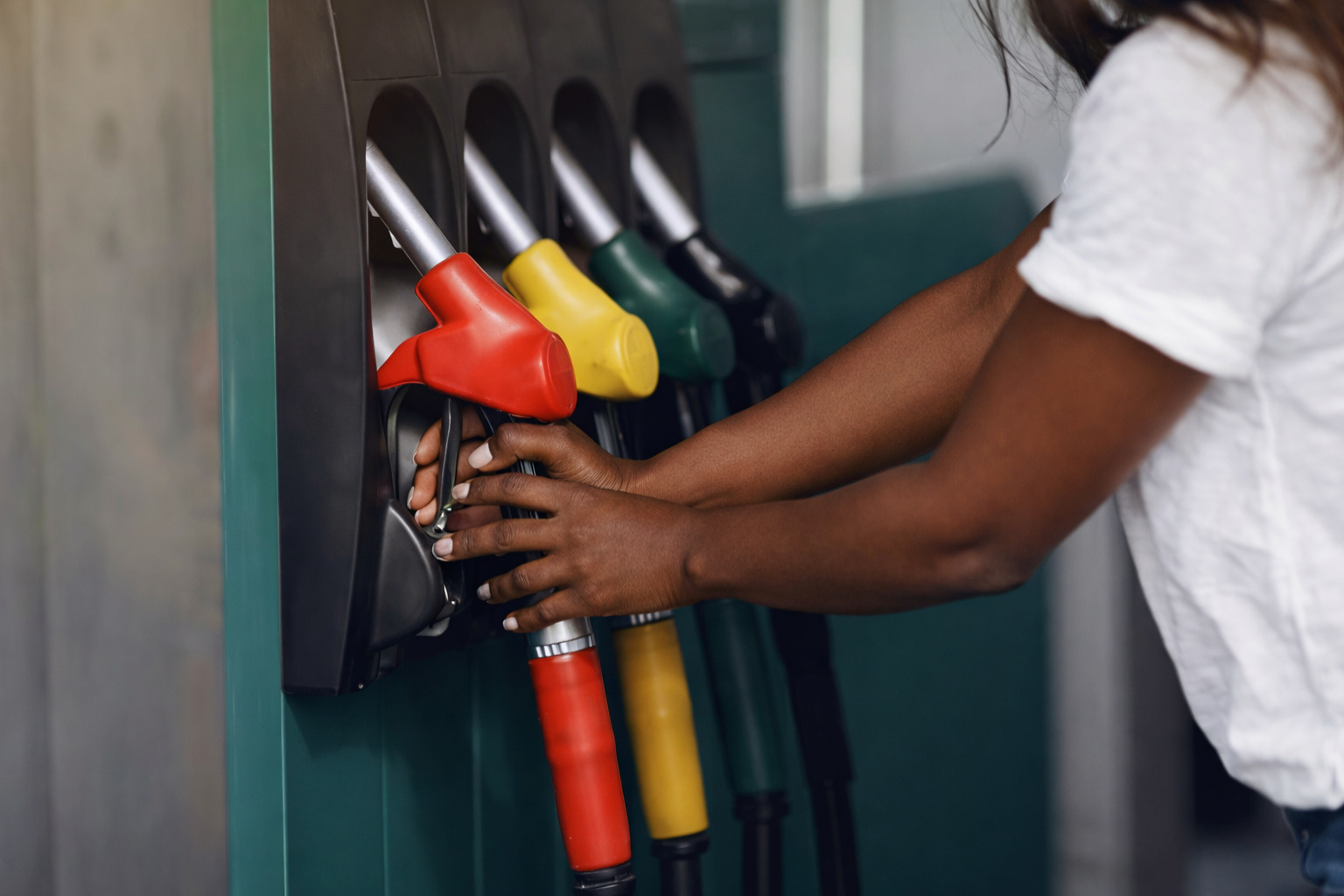

Cut in Ethanol Tax Will Impact Gasoline Price
The cut in the ethanol tax will impact the gasoline price. This is because a percentage of 25% of ethanol is added to the gasoline sold at fuel stations across the country. “With the elimination of the import tariff [on ethanol], which is currently 18%, we estimate that this could lead to a reduction in the gasoline price,” said the Secretary of Foreign Trade of the Ministry of Economy, Lucas Ferraz.
The tax will be eliminated starting this Wednesday (03/23), when the measure is published in the Official Gazette, and will last until the end of the year.
Reduction of an Additional 10% in the Import Tax on Capital Goods and Information Technology
In the same meeting, Camex approved a further 10% reduction in the Import Tax on capital goods, which are machinery and equipment used in industry, and on information technology and telecommunications goods, such as computers, tablets, and mobile phones.
This was the second cut in the import tariff on capital goods and telecommunications. In March of last year, the Federal Government also reduced this rate by 10%. Thus, the total cut in the tax reaches 20%.
This tax burden reduction, along with others, is one of the structural measures that have been adopted by the Ministry of Economy to increase the country’s competitiveness, stimulating job and income generation.
With this decision, a product that had an import tax rate of 14% before the reduction made in 2021 will now have an import tax rate of 11.2% with this second reduction.
According to the Ministry of Economy, the measure aims to increase productivity and competitiveness in the Brazilian economy by reducing the costs involved in the importation of strategic products.
The Federal Government estimates that the reductions in the import tax will cause the Union to forgo R$ 1 billion in revenue this year. Since it is an extrafiscal tax, of a regulatory nature, the presentation of compensation measures, as authorized by the Fiscal Responsibility Law, is waived.
Reduction of IPI
The reduction in the Import Tax was adopted by the Federal Government after providing incentives to the national industry. In early March, President Jair Bolsonaro issued a decree that reduces the Tax on Industrialized Products (IPI) by 25% for most products. Among the various products covered by the measure are white goods such as refrigerators, freezers, stoves, washing machines, and automobiles.
For some types of automobiles, according to current incentive policies, the rates will be reduced by 18.5%. The IPI applies to industrialized products, both domestic and foreign.
Thus, the Federal Government is working with incentive measures for the economic recovery and expansion of productivity, contributing to the dynamization of production, job creation, and income.









Seja o primeiro a reagir!