





 Portuguese
  English
  Spanish
  4 min of reading
  0 comments



States and Municipalities Are Expanding New Inspection Fees on Specific Sectors, in Addition to the Selective Tax Created with the Tax Reform.
Companies in the oil and mining sector are facing a constant increase in their tax burden. The three levels of government in Brazil — federal, state, and municipal — have implemented new collection measures, significantly impacting the tax burden of these sectors.
Moreover, the creation of the new selective tax, approved by the Chamber of Deputies, has generated uncertainties for the future of the companies. This measure will directly impact the activities of extracting natural resources, with a rate expected to be as high as 1% on the ‘market value’ of the product, representing another fee to be paid by the industries.
Taxes and Fees: The Impact on the Oil and Gas Sector
Then, on the 21st, Governor Cláudio Castro (PL) signed a law that creates an environmental inspection fee on oil and gas activities throughout the state of Rio de Janeiro. The fee will be R$ 43,329 per month for each concession area.
-
Brazilian giant expands borders in the Southeast: Petrobras confirms new oil discovery in ultra-deep waters in the pre-salt of the Campos Basin.

-
Alert in the global energy market: Severe tropical cyclone hits the coast and disrupts gas production at major plants in Australia, threatening global supply.

-
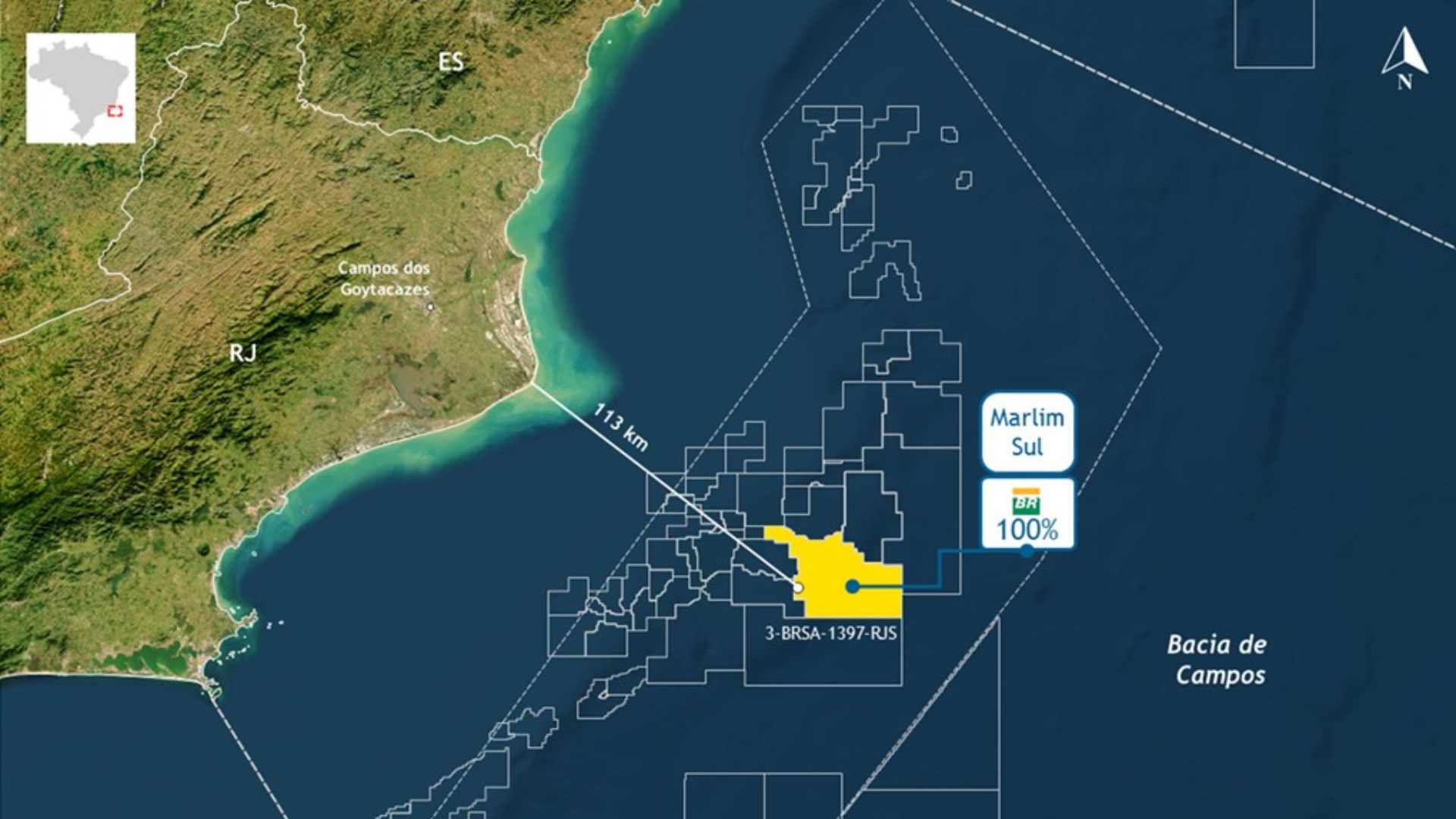
Petrobras finds high-quality oil in the pre-salt at 113 km from RJ and reignites expectations about strategic reserves in the Campos Basin.

-
Ocyan opens registrations for startups focused on innovation in the oil and gas sector and will select projects for Innovation Day with the support of Nexio.

‘This is taking away the competitiveness of projects in Brazil’, says the president of the Brazilian Institute of Oil (IBP), Roberto Ardenghy, who estimates an impact of R$ 600 million per year solely from the collection in Rio de Janeiro.
Fees: A Speculative Attack, A Selective Charge
‘We are clearly under a speculative attack’, adds the president of the Brazilian Institute of Mining (Ibram), Raul Jungmann, referring to the multiplication of taxes and fees paid by the sector.
The tax reform itself, in addition to creating the selective tax on the extraction of natural resources, constitutionally recognized state infrastructure funds created from the collection of fees on primary and semi-finished products.
Four states — Goiás, Mato Grosso, Mato Grosso do Sul, and Pará — were already collecting this. The Supreme Federal Court (STF) had already rejected a request for a preliminary injunction against the fee, but still needed to judge the merits. Now, the funds have been ‘constitutionally recognized’ until 2043.
Mining, one of the most affected sectors, has also been subject to fees for controlling and inspecting mineral activities (TRFMs) that have multiplied in recent years.
The Multiplication of the Fee and the Billion-Dollar Collection
The collection in four states — Minas Gerais, Pará, Mato Grosso do Sul, and Amapá — generated a revenue of R$ 2.8 billion in 2022 alone.
According to a study by LCA Consultores prepared for Ibram, eight municipalities in Pará replicated the TRFM fee.
Although the collection is negligible in value, the multiplication of the fee concerns companies because there are about 2,600 municipalities with mining activities in the country, and the bill could still grow significantly. ‘The fear is that this will go viral’, says Jungmann.
Taxation and Legal Uncertainty
For the executive, who served as minister under the governments of Fernando Henrique Cardoso and Michel Temer, there is a sequence of factors that makes mining an easier target for authorities to collect taxes: the substantial gains for the trade balance; the lack of knowledge of society about the tax structure; and the receptiveness of the Judiciary in actions against the sector after the disasters in Mariana and Brumadinho.
‘It’s a shame because mining in Brazil already faces one of the highest total tax burdens in the world. At a time when the planet is talking about decarbonization and accelerating new processes that depend on metals for the energy transition, at a moment when we have a unique window for the future, we are planting legal uncertainty’, evaluates Jungmann;
The Weight of Taxation on Oil and Gas
The oil and gas industry pays, directly or indirectly, 69% of its gross revenue to the government in various forms: taxes, royalties, special participations, Cide — and now it may also face the invoices for the selective tax and inspection fees.
Although it is a significant and rising producer in the global market, Ardenghy reminds that Brazil ‘is not alone in the world’ and risks driving away interested parties by overtaxing the exploration of natural resources.
In Guyana, considered the new Eldorado of the sector, that bite is below 20%. In Namibia, it’s 14%.
Reactions, Challenges, and Uncertainties
After the sanction of the new inspection fee in Rio de Janeiro, IBP announced it intends to take the matter to court. Among the questions is the fact that the concessions for oil fields are federal — not state.
According to Ardenghy, high oil prices should not serve as a justification for increased taxation. ‘Prices may be temporarily high, but they are extremely volatile. In 2020, for example, we reached negative prices — with suppliers paying buyers to take the product out of their stocks’.
The executive reminds that Rio de Janeiro has 250 oil fields, in the Campos and Santos basins, and that the sector represents 52% of the state’s GDP.
Inspection Fees: Collection or Improvement?
Jungmann, from Ibram, points out an apparent paradox: the inspection fees created in some states and municipalities exceed the budget available for state environmental departments or even for entire municipalities in some locations where the fee has been applied.
The thesis is that, in the end, these new fees have an essentially revenue-generating objective and not to improve environmental inspection systems — the justification for their creation.
Despite the dissatisfaction, Ibram and IBP have not yet mentioned legal action against the selective tax. The strategy of both organizations is to ease the tax burden during the processing of the supplementary bill that will regulate the reform.
Source: CNN Brazil









Seja o primeiro a reagir!