





 Portuguese
  English
  Spanish
  4 min of reading
  0 comments



The Decision On Taxes By The Lula Government Generates Intense Debates: Will It Be A Blow To The Solar Energy Market Or A New Path?
In the last week, the Brazilian government implemented an important change in the policy for importing solar panels, raising the import tariff from 9.6% to 25%. This change has generated intense debate in the energy sector, as while some see the measure as an opportunity to strengthen the national industry, others consider it a setback, as it could hinder new investments and undermine the energy transition discourse.
Opportunity For The National Solar Energy Industry
According to information from Diário do Comércio, the tariff increase was requested by the two only Brazilian manufacturers of solar panels, but it has raised a series of questions about its impacts on the future of solar energy in Brazil.
Some, like the market and energy consultant of the Federation of Industries of the State of Minas Gerais (Fiemg), Sérgio Pataca, believe that this measure could help Brazil become one of the world’s largest producers of solar panels.
-
Solar cells have just achieved the “impossible” with this 130% breakthrough.

-
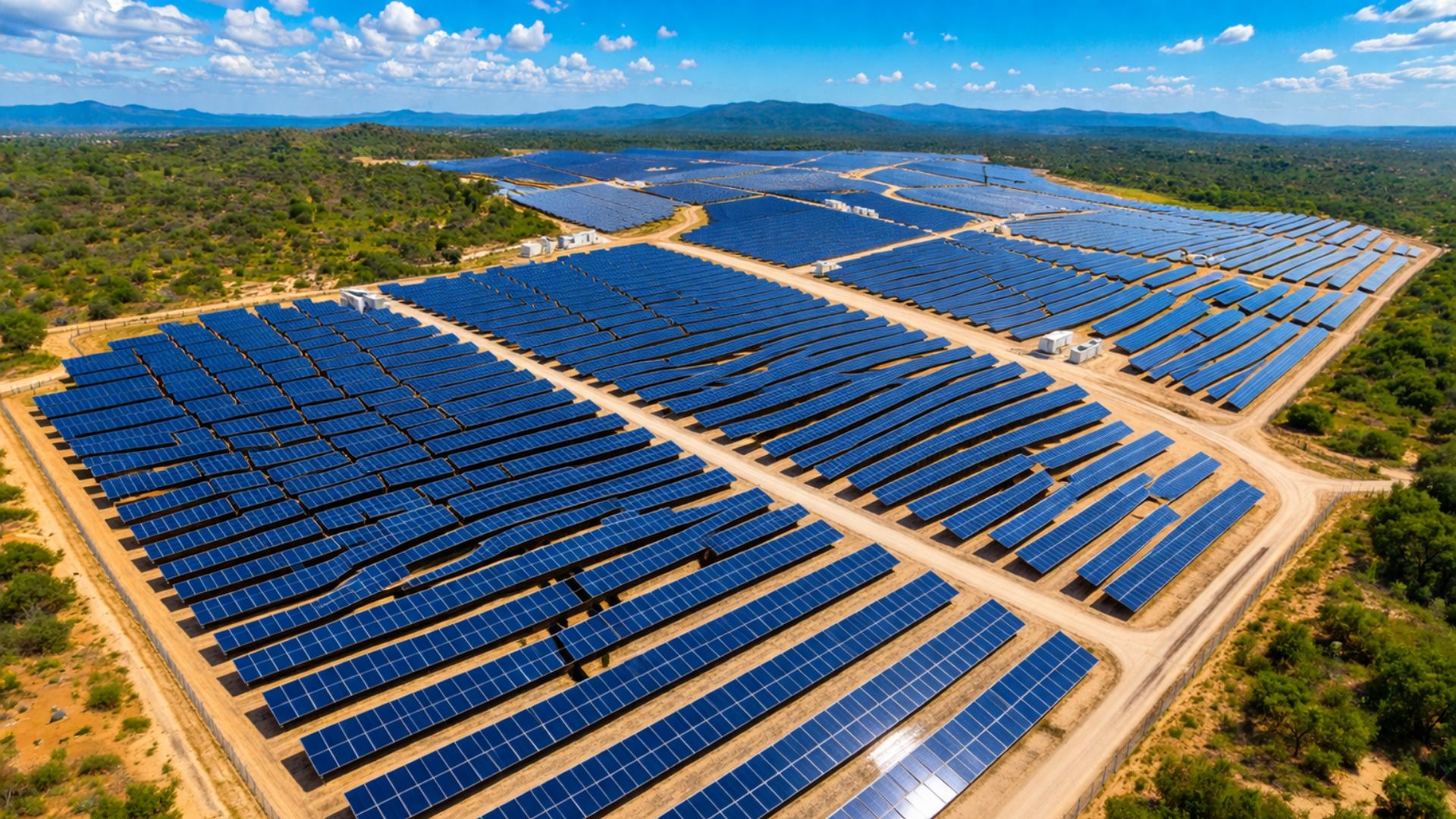
The Sol do Agreste Photovoltaic Complex begins operations in Pernambuco and accelerates the expansion of solar energy in Brazil, directly impacting the reduction of emissions and strengthening the sustainable energy matrix.
-
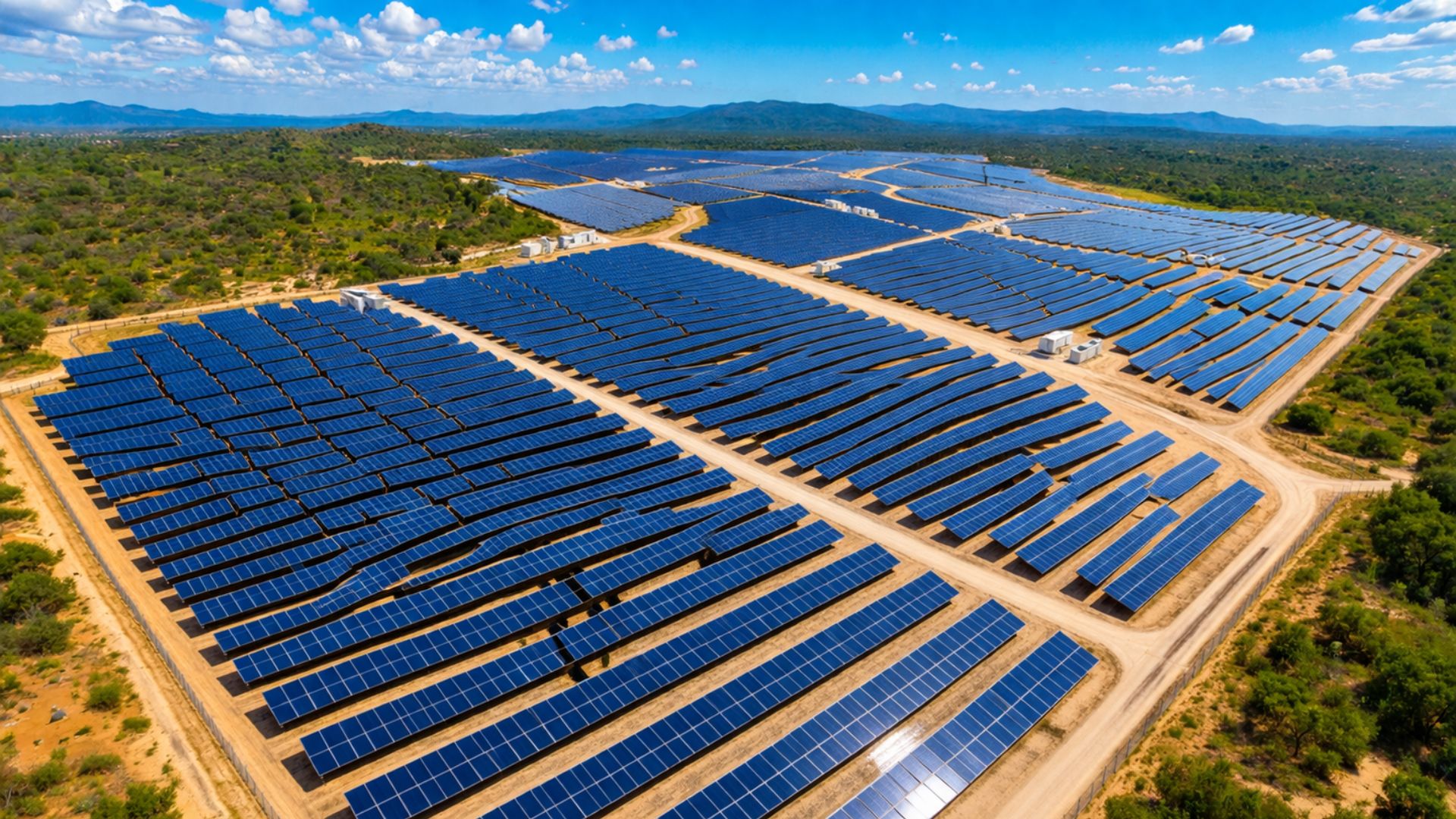
The Sol do Agreste Photovoltaic Complex begins operations in Pernambuco and accelerates the expansion of solar energy in Brazil, directly impacting the reduction of emissions and strengthening the sustainable energy matrix.
-
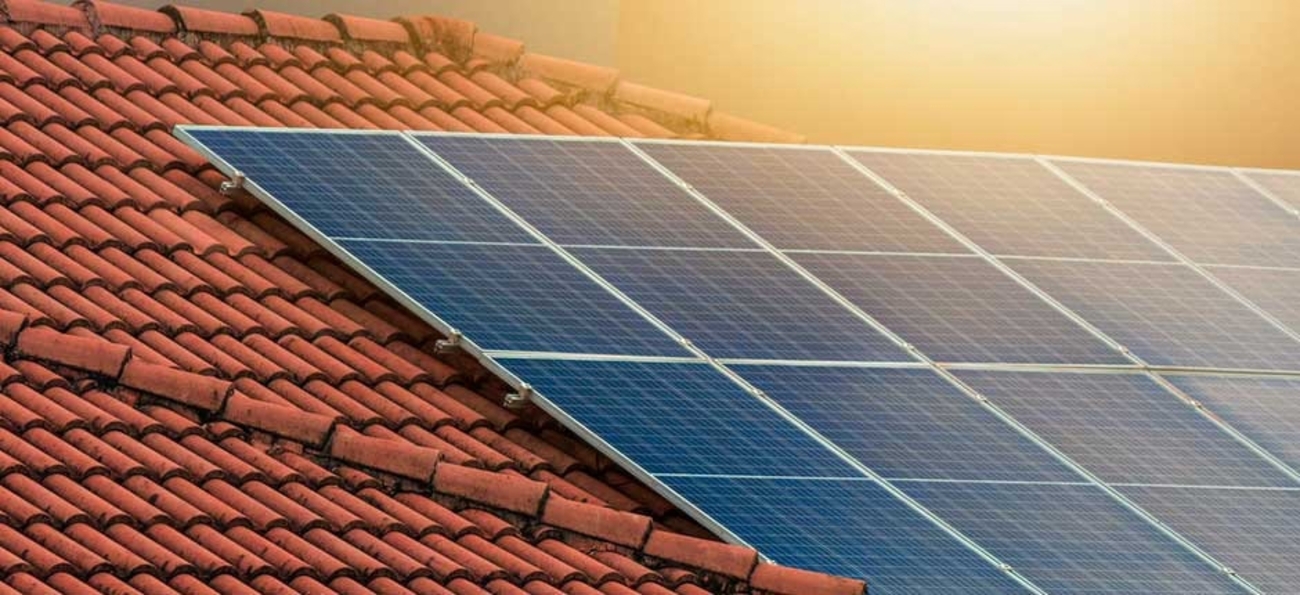
Roraima bets on the sun to escape high tariffs: Amid the energy crisis and price hikes, solar energy is growing in Roraima and transforming consumption in the North region.

The country could take advantage of its comparative advantages, such as the high demand for solar energy and the strategic position of the country as the third largest global producer of silicon, one of the main inputs for the manufacture of the modules.
“For us, it was illogical (the tariff) if we had the possibility of this production. We are sending silicon to China to make the panel and send it back here; we see that it’s almost an inefficiency”, Pataca stated.
According to him, the immediate impact of the higher tariff may be negative for new projects, but in the long term, it represents an opportunity for the growth of the national industry, with Brazil having the demand and raw material necessary to become a major player in the global solar energy market.
“We can be one of the largest industries in the world in the production of photovoltaic panels, because there is already demand and the input”, declared the consultant.

Risks To The Productive Chain And The Energy Transition
On the other hand, the opinion of Bruno Catta Preta, state coordinator of the Brazilian Solar Photovoltaic Energy Association (Absolar), is contrary to this optimistic view.
He believes that the tariff increase jeopardizes the entire productive chain of the solar sector in Brazil, especially at a time when the country is about to receive significant investments. “By 2026, we expect around 281 solar plant projects that sum up 25 gigawatts (GW) and BRL 97 billion in investments”, explains Catta Preta.
The coordinator of Absolar criticizes the government’s decision to raise the import tariff, arguing that it could harm the viability of large solar energy projects in Brazil.
According to him, the two national manufacturers of solar panels have limited capacity, producing only 1 GW per year, while the country’s demand was over 17 GW in 2023. “We want the growth of the national industry, but, specifically for this product, they are not factories; they only assemble the module here”, emphasized Catta Preta.
Furthermore, the coordinator of Absolar reminds that the solar modules manufactured in Brazil still lack the international certifications required for large-scale projects, especially those that depend on financing.
Chinese Solar Panels Are More Efficient
He also notes that imported solar panels, especially those from China, are more efficient due to high investment in technology and the constant modernization of Chinese factories.
“China dominates the entire photovoltaic chain very well; all countries buy from China. It’s a very complex chain that requires a lot of investment, and they are constantly modernizing their factories”, explained Catta Preta. According to him, the tariff increase could affect the plans of many projects that were based on importing solar modules. “One thing is to go from 0% to 4%, then to 6%, to 9%, okay. But from 9% to 25% is a very big leap. It’s a very big blow to the market”, he stated.
On the other hand, consultant Sérgio Pataca argues that the 25% tariff is, in fact, a necessary measure to stimulate the development of the national solar industry while reducing Brazil’s dependence on China.
He believes that just as the zero tariff was important for the sector’s growth in the past, now it is time to adopt measures that favor local production. “It’s time for us to really bring this industry, our trend, instead of taking jobs and income to China, to bring this income here”, he stated. “It’s about having this policy to incentivize the national industry, bring jobs here, and all this development”, concluded Pataca.
However, the measure is still far from reaching a consensus. On one side, it is seen as a way to strengthen the national industry and create jobs. On the other hand, it jeopardizes already planned investments and could increase the cost of solar energy projects in Brazil, hindering the energy transition that the federal government has advocated.
This clash reflects the complexity of the solar energy sector, which, despite its great potential, faces challenges in both production and regulation in order to establish itself more robustly in Brazil.
The future of solar energy in Brazil is still uncertain. The increase in the import tariff could be a turning point, creating both new opportunities and significant challenges for the sector. It remains to be seen how the country, with its internal policies and international commitments, will balance the promotion of the national industry with the need to achieve ambitious renewable energy and energy transition goals.









Seja o primeiro a reagir!