





 Portuguese
  English
  Spanish
  5 min of reading


With a Society Still Completely Dependent on Oil Products, Brazil Goes Through Another Period of High Gas Prices, with No Prospects for Improvement. The Values of Taxes, Production, and Distribution Rise Until They Reach the Gas Pump in Your City’s Fuel Stations. But How Does This Entire Process Happen That Ultimately Affects the Consumer’s Pocket?
According to the National Agency of Petroleum, Natural Gas, and Biofuels (ANP), the average price of gasoline in Brazil as of early September 2021 is R$ 5.95 per liter. In some States, such as Acre, Rio Grande do Sul, and Rio de Janeiro, the price has already exceeded R$ 7.00. In other words, the already high price of gasoline is even greater in various regions.
You May Also Like
- BNDES Ends Financing for Coal Power Plants and Begins Investing in Renewable Energy
- Alex Solar Complex: Elera Renováveis Will Inaugurate a Solar Power Park in Ceará
- Find Out Which Job Openings Are Available in the Mining Sector for Today, August 30
- Macaé Port Terminal Will Demand R$ 7.2 Billion in Investments
- New Works at the MS Corn Ethanol Plant Promise to Generate 400 Job Opportunities
Gasoline is the most commonly used fuel in Brazil. Despite alternatives for clean energy sources, the entire consumption and market system is historically dependent on oil. And it is oil that is behind the high price of gasoline.
But first of all, it is important to know that gasoline is just a derivative of oil. From this fossil fuel, diesel, kerosene, and LPG (cooking gas) are also produced.
-
Brazilian giant expands borders in the Southeast: Petrobras confirms new oil discovery in ultra-deep waters in the pre-salt of the Campos Basin.

-
Alert in the global energy market: Severe tropical cyclone hits the coast and disrupts gas production at major plants in Australia, threatening global supply.

-
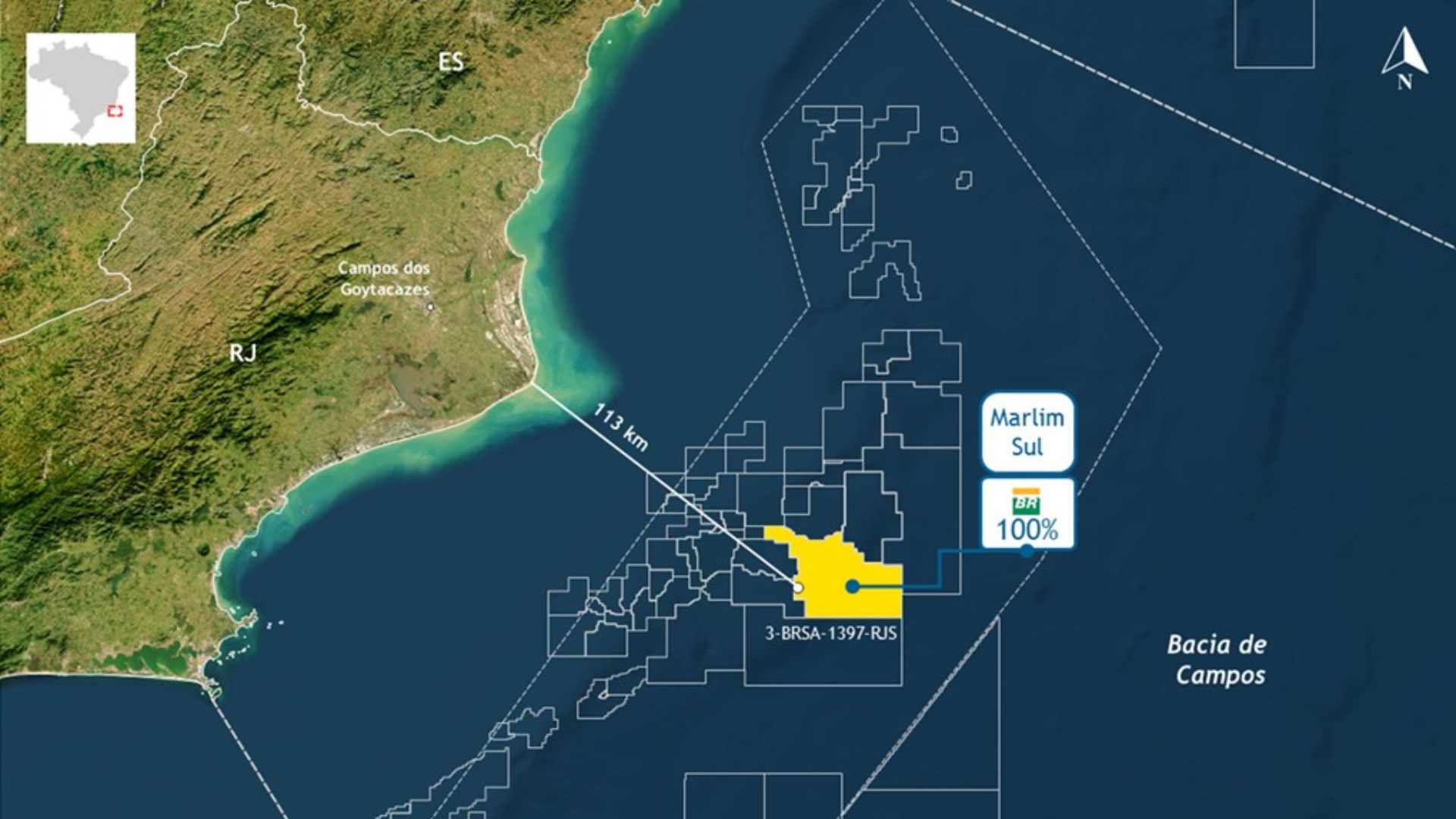
Petrobras finds high-quality oil in the pre-salt at 113 km from RJ and reignites expectations about strategic reserves in the Campos Basin.

-
Ocyan opens registrations for startups focused on innovation in the oil and gas sector and will select projects for Innovation Day with the support of Nexio.


Another important point is that oil comes from what is called a ‘store of value’. In other words, it is scarce and could run out in 40 years, according to some experts.
Starting from this principle, let’s now understand the main situations that impact the value of oil and consequently result in the high price of gasoline in our country.
5 Factors That Impact the Value of Oil and Result in High Gas Prices in Brazil
Agreements, politics, the state of reserves, environmental issues, scandals, and even wars are factors that involve the value of oil and petroleum-derived fuels worldwide. Understand:
1. Agreements in OPEC Meetings
The Organization of the Petroleum Exporting Countries (OPEC) comprises 13 countries responsible for coordinating and unifying policies related to the export and circulation of oil worldwide. Together, these nations represent 78% of the world’s oil reserves.
Only two countries in South America are part of the bloc: Ecuador and Venezuela. The others are Angola, Algeria, Libya, Nigeria, Saudi Arabia, United Arab Emirates, Iran, Iraq, Kuwait, and Qatar.
2. Oil Reserves
Any discoveries of new reserves or scarcity in oil reserves impact the market and consequently affect the price of the fossil fuel itself and the price of gasoline.
Currently, Brazil occupies the 23rd position in global oil and gas reserves, with a volume of about 16 billion barrels. However, these reserves have decreased by 6.7%, according to the ANP.
According to the ANP, the COVID-19 pandemic hindered the development of exploration projects. In addition, 2020 saw a record production of oil: a mark of 3,740,612.09 barrels per day.
3. Environmental Factors
Oil spills cause significant environmental and financial harm in the fuel industry. Another situation that interferes in the oil market and consequently results in the high price of gasoline is low temperatures.
In winter, especially in the colder regions of the country, fuel consumption is higher. With a greater demand, the price increases.
4. Geopolitics and Oil
Previously, we mentioned that the countries comprising OPEC are responsible for the vast majority of oil production on the planet. However, if we look closely, part of these nations has unstable political systems.
The regions where Venezuela and Iran are located, for example, are in a constant state of political conflict. All of this impacts oil production and export. These two countries, for instance, rank first and fourth among the world’s largest producers.
5. Scandals and Corruption
Petrobras, the Brazilian state-owned company that operates mainly in the exploration and production of oil and natural gas and is a world leader in technology for oil exploration and production in ultra-deep waters, suffered losses of over R$ 48.5 billion due to corruption schemes revealed by Operation Lava Jato.
Read Also
- End of Brand Loyalty at Fuel Stations and Direct Sales of Ethanol from Mills Approved; Measures Promise to Stimulate Competition and Curb Gas Price Increases
- Starting Today, Gas Prices Will Face Another Increase at Petrobras Refineries. This Adjustment Is the 9th This Year
- Gas Price Rises 1.45% in the Fortnight and Breaks Through the R$ 7.00 Barrier
How Are Gas Prices Formed?
Basically, four factors influence the final price of gasoline at the gas station: Production costs, taxes, ethanol addition, and distribution logistics. Now, let’s look at these values for each liter of gasoline in detail.
- 31% of the price is part of production costs
- 38% are taxes, including ICMS
- 15% is ethanol addition
- 16% is distribution and resale costs


Is the High Price of Gasoline the Fault of the “Monopoly of Petrobras”?
In 1997, the New Petroleum Law (nº 9.478) was enacted by then-President Fernando Henrique Cardoso. In theory, Petrobras would lose its monopoly on oil exploration and refining in Brazil.
Currently, there are thirty companies extracting oil and gas from Brazilian reserves. However, refining is practically done by no one except the state-owned company.
Average Price of Brazilian Gasoline vs. Average Price of Gasoline in Other Countries
The average price of gasoline in the world is US$ 1.20, while in Brazil it is US$ 1.10. At first glance, it seems that our situation is not so severe. But let’s consider the economic situation of other countries as an example:
Venezuela: Our South American neighbors pay US$ 0.02 per liter of gasoline. Iran, Syria, Angola, Algeria, Kuwait, Nigeria, Turkmenistan, Kazakhstan, and Ethiopia are also among the ten countries where the cost of gasoline is less than one dollar.
However, to what extent is life in one of these countries economically interesting? What is the quality of life and the quality of services?
On the other hand, wealthy countries such as Norway, Greece, Finland, Israel, and the Netherlands (Holland, Belgium, and Luxembourg) have gas prices above US$ 1.97. But we must consider that the cost of living and salaries in these regions are also high.









Seja o primeiro a reagir!