





 Portuguese
  English
  Spanish
  3 min of reading


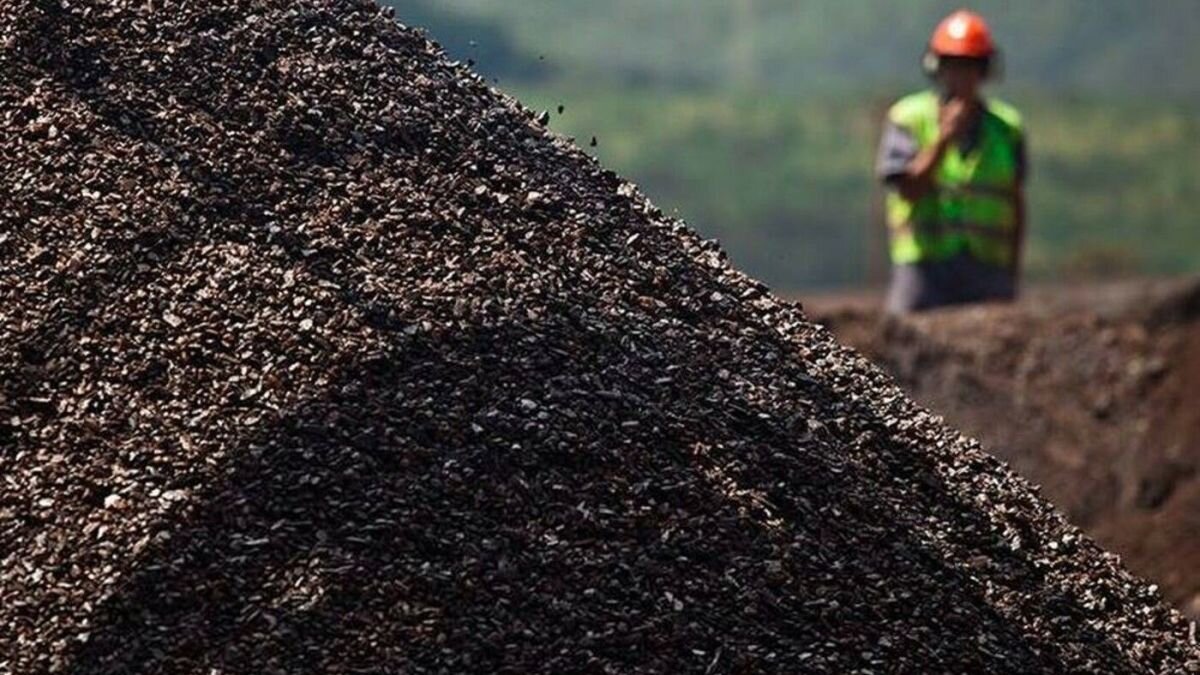
The Current Studies by Fundação Getúlio Vargas (FGV) Regarding the Future of the Extractive Mineral Sector in Brazil Point to the Prospect of Strong Monetary Growth and That the Sector Will Be Responsible for 2.11% of GDP in 2030, Due to the Increase in the Production of Oil, Natural Gas, and Iron Ore.
Fundação Getúlio Vargas (FGV) has great forecasts for the future of the extractive mineral sector in Brazil. This is because the institute points out that Brazil will raise a total of R$ 1 trillion with onshore and offshore mineral exploration by the year 2030. The main drivers of this monetary growth are oil, natural gas, and iron ore, which are experiencing strong production expansion in Brazil.
Brazil Expected to Raise More Than R$ 1 Trillion in the Extractive Mineral Sector by 2030, According to Projections by Fundação Getúlio Vargas (FGV)
The extractive mineral sector, that is, the exploration of these minerals on land, rivers, or seas, has been significantly expanded in recent years, and FGV points to an even greater growth in the next decade, driven by iron ore, oil, and natural gas. Data from the foundation indicates that the country’s revenue is expected to grow by more than 100% and reach R$ 1 trillion by the end of 2030, a remarkable leap for the country’s economy by that time.
The calculations were carried out by the Brazilian Institute of Economics at Fundação Getúlio Vargas (FGV Ibre), which considered a scenario in which the Brent oil barrel would be traded at US$ 65. Thus, by the end of 2030, the production of the extractive mineral sector in Brazil will be responsible for a share of 2.11% of the country’s Gross Domestic Product (GDP), due to the productive growth of iron ore, oil, and natural gas.
-
USA and China compete for Brazil over resources that could be worth trillions — rare earths put the country at the center of a global dispute

-
With 74% of companies facing difficulties in hiring, technicians and engineers in renewable energy are becoming scarce in Brazil and are essential to support the expansion of solar, wind, and green hydrogen projects.

-
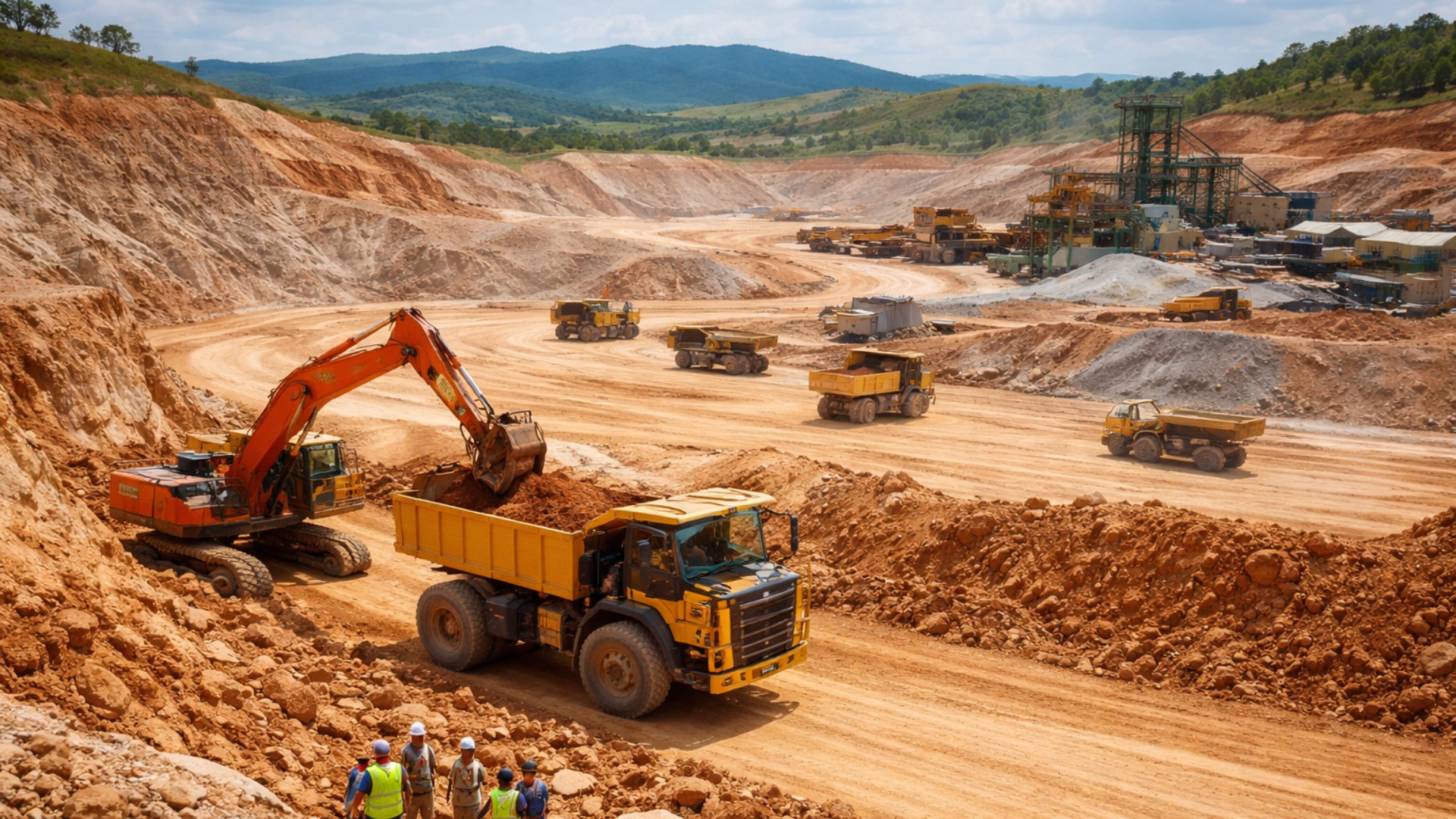
After China, it’s now the turn of the USA to ‘secure’ a share of Brazil’s natural resources: the country buys critical rare earths for R$ 3 billion and enters the center of the global technology dispute.
-
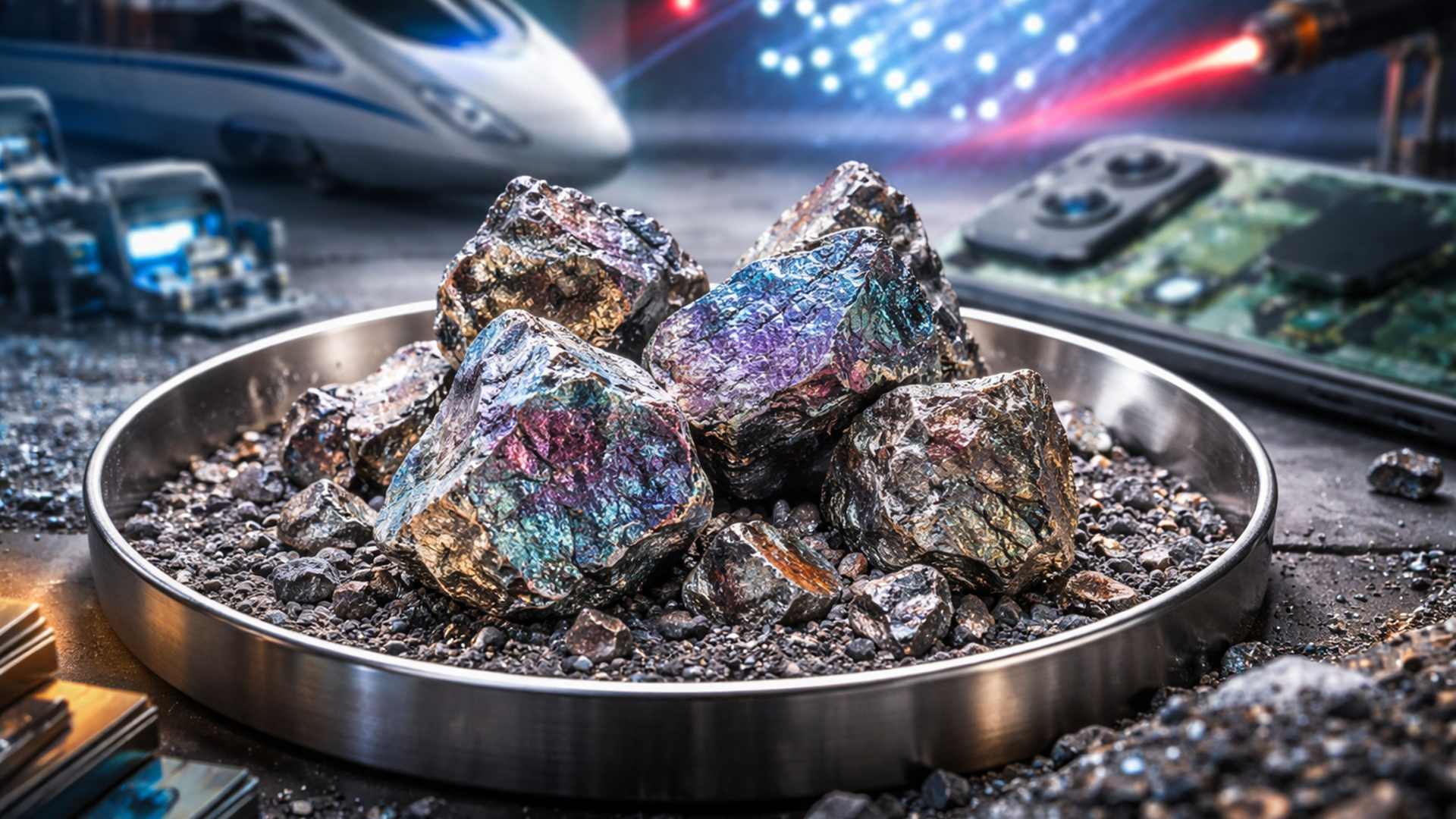
Rare earths are in everything, from cell phones to bullet trains, and what almost no one realizes is why they have become the target of such a delicate global war.

For comparative purposes, the figures from the years 2011 to 2020 show that the segment accounted for less than half of this, 0.92%, according to economist Bráulio Borges of FGV. The foundation is still predicting a more optimistic scenario by 2030 and claims that revenue could triple during this period. These studies do not consider the actual price of oil on the international scene and fix the value, as up until early July, the cost of the oil barrel was between US$ 110 and US$ 120 (between R$ 566.5 and R$ 618) in the international market.
Increases in the Production of Oil, Natural Gas, and Iron Ore Will Be Responsible for the High Revenue of the Extractive Mineral Sector by 2030
The main product that ensures a high revenue potential for the extractive mineral sector in Brazil is oil, which has been expanding its production strongly in recent years, but natural gas and iron ore will have a significant contribution in the coming years.
The country is currently the ninth-largest oil producer in the world, and projections from the Energy Research Company (EPE), in its Decennial Energy Plan (PDE) 2030, show that by that year, production will reach 5.2 million barrels of oil equivalent.
Hence, the growth in the production of this resource will lead to even more monetary revenue for the extractive mineral sector in the country. Natural gas largely follows oil in its production, thereby achieving strong productive expansion, while iron ore continues to be the main resource of Brazilian mining and will keep growing in the coming years.
Thus, economist Bráulio Borges of Fundação Getúlio Vargas (FGV) concludes: “The world will continue to demand a lot of oil, and Brazil is very well positioned, both to meet the demand and to enter new markets, such as green hydrogen, which is the buzzword in the discussion of the transition.”








Seja o primeiro a reagir!