





 Portuguese
  English
  Spanish
  6 min of reading
  0 comments


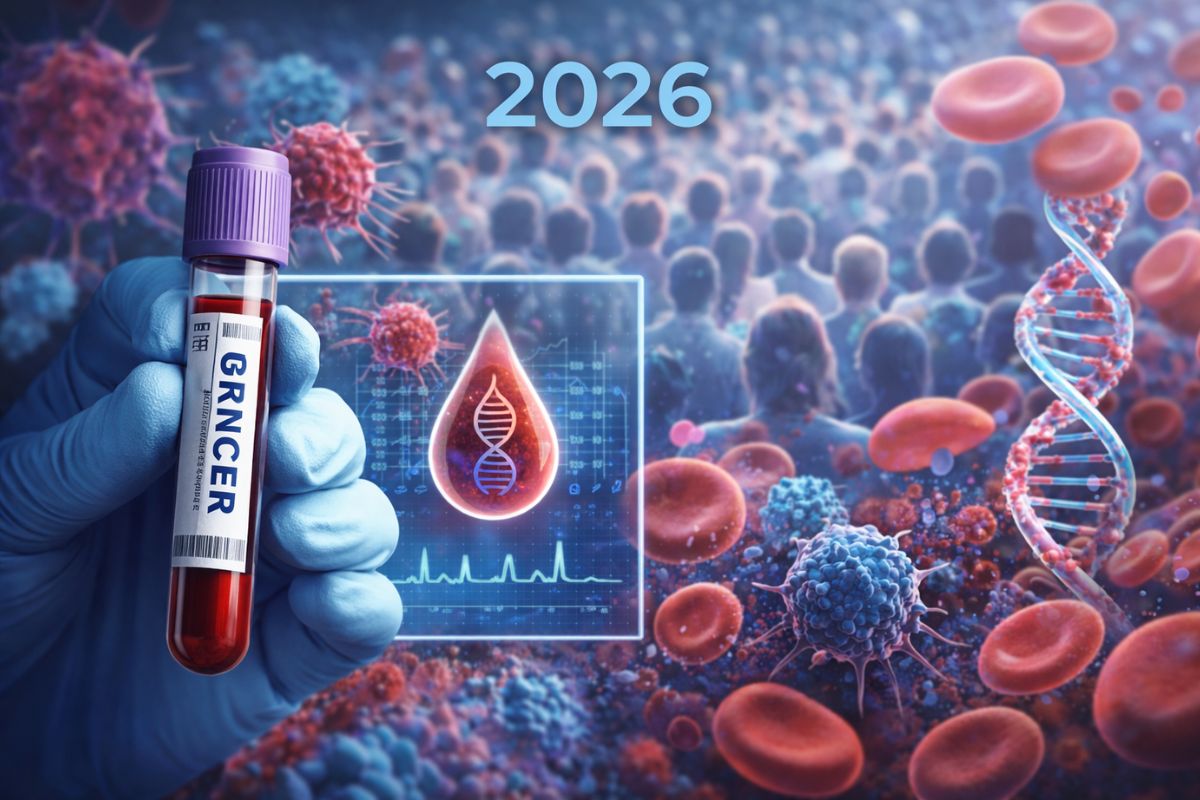
The Galleri blood test, from the American company GRAIL, was tested on 142,000 asymptomatic people aged 50 to 77 in the largest clinical study ever conducted for early cancer detection, and the results showed that the blood test quadrupled detection when combined with traditional screenings, but missed 3 out of every 5 existing tumors and failed to meet the primary objective of the study
Imagine detecting pancreatic, ovarian, or lung cancer with a simple blood draw, before feeling any pain, any symptoms, any signs.
According to the Metrópoles portal, a blood test called Galleri, developed by the American company GRAIL, promises to do exactly that: identify over 50 types of early-stage cancer from chemical changes in fragments of free DNA that leak from tumors into the bloodstream.
The blood test was tested in the largest clinical study in history for early cancer detection: 142,000 asymptomatic participants, aged 50 to 77, followed over three years by the National Health Service (NHS) in England.
-
Spring 2026 could be the most dangerous season of the year, according to Climatempo and MetSul, with the peak of El Niño between September and November, an increase in Mesoscale Convective Complexes that caused historic floods in Rio Grande do Sul, and an advancing risk for São Paulo and Mato Grosso do Sul.

-
With the wingspan of a Boeing 747 and 160 times lighter, a solar drone flies for 90 days without landing, without fuel, and without a pilot, carrying 17,248 photovoltaic panels, a 200 km radar with AI, and has already crossed storms in the Gulf of Mexico during tests for the U.S. Navy.

-
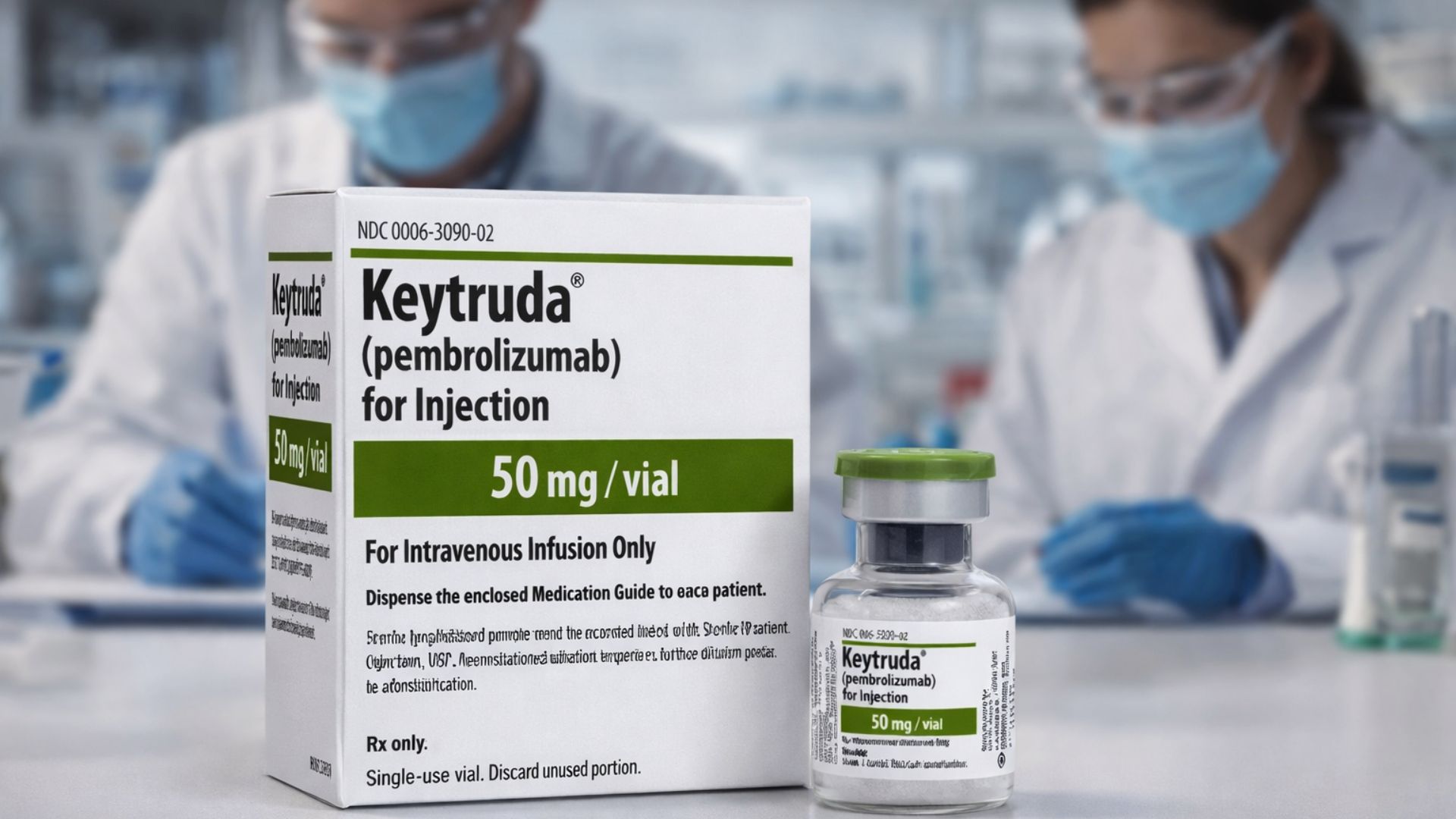
Butantan Institute will produce pembrolizumab for the SUS and could change everything in cancer treatment by expanding access to innovative immunotherapy that strengthens the body and reduces high costs.
-
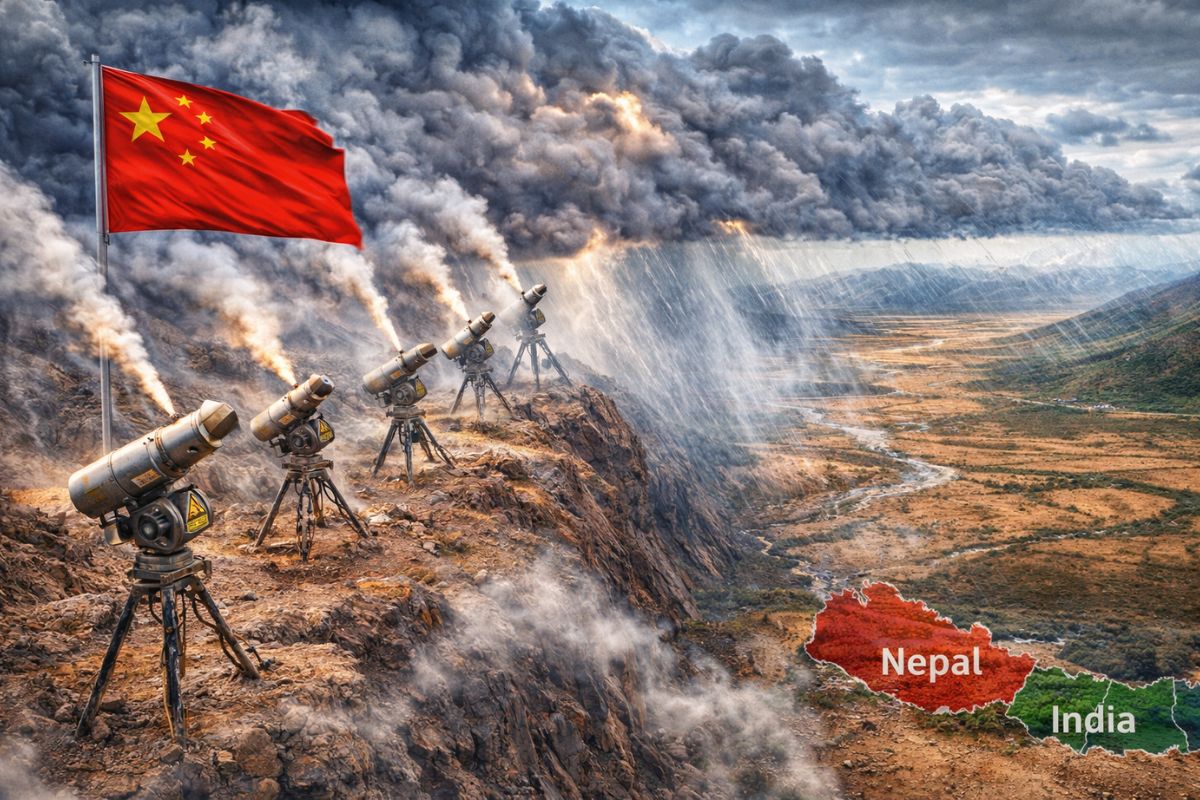
China wants to divert rivers through the sky using thousands of generators installed in the mountains of the Tibetan plateau to make it rain in dry regions, and neighboring countries like India and Nepal are already beginning to worry about the effects of this technology.

The results were released in February 2026 and divided the medical community.
The blood test quadrupled tumor detection when combined with traditional screenings and reduced diagnoses of stage IV cancer, the most advanced and lethal.
But it also missed about 3 out of every 5 existing cancers, generated 38% false alarms among positive results, and failed to meet the primary objective of the study. GRAIL’s stock plummeted 47% on the stock market overnight.
What is Galleri and how does this blood test detect 50 types of cancer
Galleri is a blood test that identifies chemical changes in circulating free DNA (cfDNA) in the bloodstream.
When a tumor exists in the body, even in its early stages, it releases DNA fragments into the blood. The Galleri blood test detects these fragments and analyzes methylation patterns that indicate the presence of cancer.
In addition to detecting the signal, the blood test has a feature called Cancer Signal Origin that indicates the tissue or organ most likely as the source of the cancer, helping doctors direct the investigation.
The test covers more than 50 types of cancer with a single blood draw, including cancers for which there is no conventional screening, such as pancreatic, ovarian, liver, and stomach cancers.
The blood test is already being sold in the United States even without FDA approval, at a price of $949 per test. In 2025, more than 185,000 tests were sold, generating revenue of $136.8 million for GRAIL.
The FDA is reviewing the approval request, which includes data from the NHS-Galleri study.
The largest clinical study in history tested the blood test on 142,000 people
The NHS-Galleri is the first and largest prospective, randomized, controlled clinical trial to evaluate a blood test for early detection of multiple cancers.
It recruited over 142,000 asymptomatic participants aged 50 to 77 within the National Health Service in England.
Participants provided three blood samples over two years, approximately 12 months apart. They were divided into two groups: intervention (blood tested with the Galleri blood test annually) and control (blood collected and stored without testing).
The primary objective of the study was to show that the blood test could reduce the number of late-stage (III and IV) cancer diagnoses in 12 types of cancer that account for about two-thirds of cancer deaths in England and the U.S.
These 12 types include anus, bladder, colorectal, esophagus, head and neck, liver, lung, lymphoma, myeloma, ovary, pancreas, and stomach, some of the deadliest cancers precisely because they are often diagnosed too late.
The results that divided the world: the blood test works, but not as promised
The Galleri blood test fulfilled several important secondary promises.
There was a substantial reduction in stage IV cancer diagnoses, the most advanced and lethal. It increased the detection of stage I and II cancers, which are more treatable. And it quadrupled the detection rate when combined with conventional screenings for breast, colorectal, cervical, and lung cancers.
The blood test also reduced cancer diagnoses by emergency presentation, which are associated with high mortality and high costs.
When the result was positive, the test correctly identified the disease in 62% of cases.
But the blood test failed to meet the primary objective: it did not demonstrate a reduction in combined stage III and IV diagnoses over three years.
The test’s sensitivity was 40.4%, meaning it missed about 3 out of every 5 existing cancers. And 38% of positive results were false alarms, causing anxiety and unnecessary tests in patients who did not have cancer.
What doctors say about the blood test and why stocks plummeted 47%
GRAIL’s stock plummeted 47% in after-hours trading following the announcement of the results.
The drop occurred because the market expected the blood test to meet the primary objective of the study, and when the data showed it did not, investor confidence evaporated overnight.
Charles Swanton, one of the principal investigators of the study, defended the results: as an oncologist, he sees a profound difference between stage III and stage IV disease. When cancer is detected before distant metastases, treatment can be curative.
On the other hand, STAT News classified the results as a setback for GRAIL, and experts say the data still do not support the implementation of the blood test on a large scale.
The middle ground is that the blood test is a promising step in the right direction, but it is not a complete solution. A negative result cannot be interpreted as all clear, and the test works best when combined with traditional screenings, not when used alone.
Detailed results will be presented at the ASCO 2026 conference, the largest oncology event in the world, and GRAIL plans to extend the study’s follow-up period by 6 to 12 months.
Is the blood test a failure or the beginning of a revolution in cancer detection
The answer depends on how one looks at the numbers.
If the criterion is the primary objective of the study, the blood test failed. It did not reduce combined stage III and IV diagnoses as promised.
But if the criterion is the real impact on patients’ lives, the blood test quadrupled detection when combined with traditional screenings, reduced stage IV diagnoses, and found cancers that would not be detected by any other available test.
For cancers like pancreatic, ovarian, and stomach, which have no conventional screening, detecting even 40% of early-stage cases can mean thousands of lives saved each year.
The blood test is not the silver bullet that GRAIL promised, but it may be the missing piece in the puzzle of early detection, as long as it is used as a complement to existing screenings and not as a replacement.
In the UK, the results will inform recommendations from the National Screening Committee on next steps, including a possible expanded evaluation in the NHS.
An imperfect blood test that could save thousands of lives
The Galleri blood test was tested on 142,000 people, quadrupled cancer detection when combined with traditional tests, reduced stage IV diagnoses, and found tumors that no other test would find.
But it also missed 3 out of every 5 cancers, generated false alarms in 38% of positives, and did not meet the primary objective of the study. The company’s stock fell 47% overnight.
Medicine rarely advances with perfect solutions. If this blood test, combined with traditional screenings, can detect pancreatic, ovarian, and lung cancers a few months earlier than would be possible without it, thousands of people will have the chance for curative treatment. And that is not a failure. It is the beginning.
Would you take this blood test if it were available in Brazil? Do you think 40% sensitivity is sufficient or too little? Should the SUS invest in tests like this? Leave your comments and share this article with those interested in health and medical innovation.







Seja o primeiro a reagir!