





 Portuguese
  English
  Spanish
  5 min of reading
  0 comments


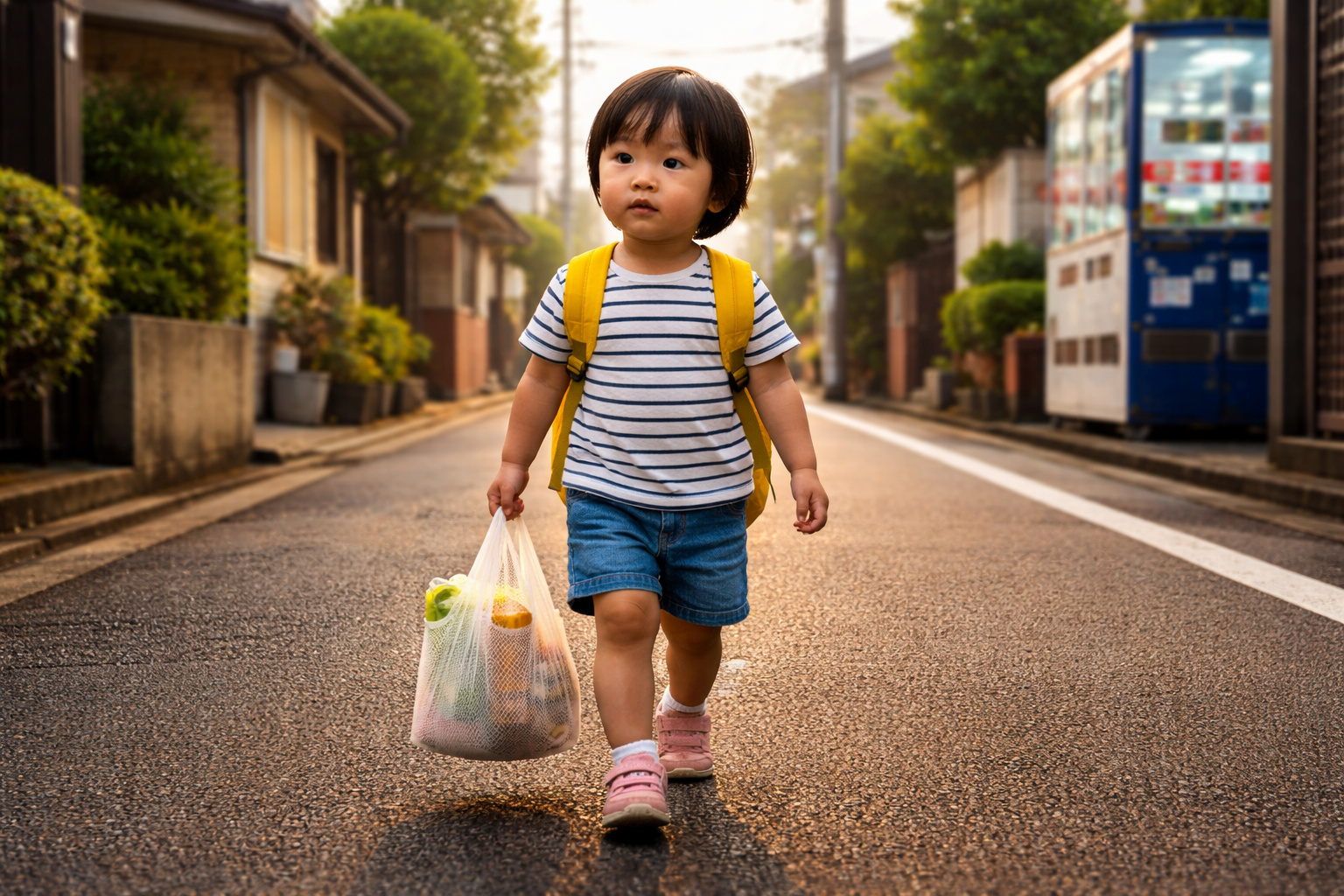
In Japan, children up to 4 years old already do small tasks alone, a result of safe cities, a culture of trust, and a unique model of child autonomy.
In many cities in Japan, especially in residential neighborhoods, it is not uncommon to see very young children walking alone down the streets, crossing blocks, and entering small markets to carry out simple daily tasks. To an outside observer, the scene may seem risky. For the Japanese, it is part of a carefully structured social system, where safety, urban planning, and collective culture combine to allow a level of child autonomy that is rare in the world. According to data and reportspublished by Bloomberg, this behavior is relatively common in the country and is deeply linked to how Japanese society organizes its spaces and social relations.
This reality begins early. Children up to 4 years old can be encouraged to carry out small missions, such as buying an item at a nearby store or delivering a message. However, these tasks do not occur in a random environment. They are placed within a context where urban space, the community, and institutions function in an integrated manner.
Child autonomy in Japan begins before school
Unlike many countries, where children’s independence is gradually introduced throughout adolescence, in Japan this process begins in early childhood. The goal is not only to develop responsibility but also to prepare the child to interact with the urban environment safely and consciously.
-
Italian researchers have detected what appears to be a second Sphinx buried under the sands of Egypt, and satellite scans reveal a gigantic underground megastructure hidden beneath the Giza Plateau for over 3,000 years.

-
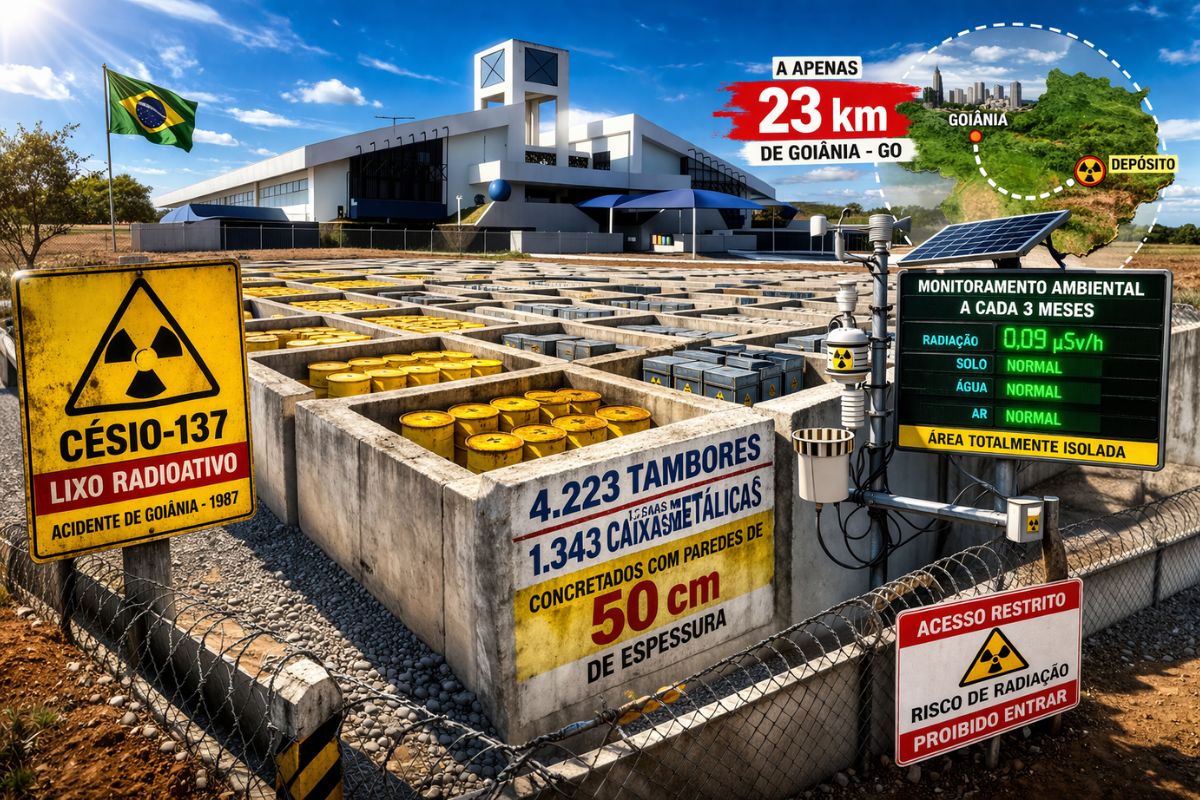
There are 4,223 drums and 1,343 metal boxes concreted with 50-centimeter walls that store the radioactive waste from Cesium-137 in the worst radiological accident in Brazil, just 23 kilometers from Goiânia, with environmental monitoring every three months.
-
Giant Roman treasure found at the bottom of Lake Neuchâtel in Switzerland reveals an advanced trade system, circulation of goods, and armed escort in the Roman Empire about two thousand years ago.

-
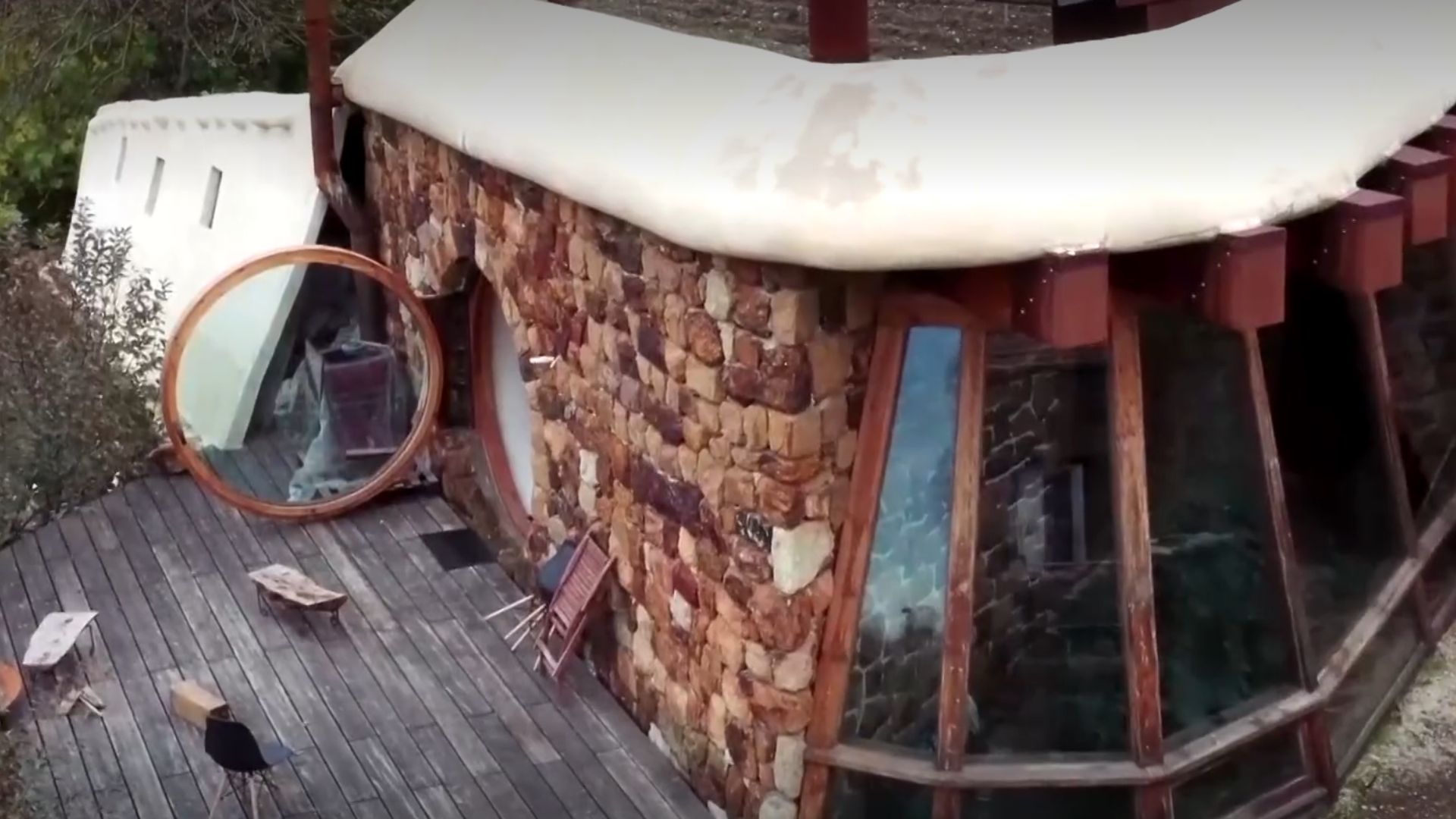
He buried 1,200 old tires in the walls to build his own self-sufficient house in the mountains with glass bottles, rainwater, and an integrated greenhouse.



This autonomy does not arise spontaneously. From an early age, children are taught to recognize traffic signs, respect rules of coexistence, and identify risky situations. Learning occurs both at home and in schools, which constantly reinforce the importance of discipline and attention to the environment.
When a child performs a task alone, they have already gone through a process of guidance. The route is usually familiar, short, and set in an environment where other adults are present.
The role of urban planning in children’s safety
One of the most important factors in understanding this reality is the design of Japanese cities. Unlike regions where car use dominates mobility, many neighborhoods in Japan are organized to favor walking.
Schools are close to residences, streets are narrower, and vehicle traffic tends to be reduced in residential areas. This creates a more controlled environment where pedestrian circulation — including children — is common.
Additionally, local commerce plays an important role. Small markets, bakeries, and neighborhood shops serve as informal support points. Merchants recognize the children from the neighborhood and, in many cases, keep track of their daily routines. This set of factors significantly reduces the risks associated with children’s mobility.
The culture of collective trust that supports the system
The autonomy of children in Japan cannot be understood without considering the concept of social trust. Japanese society strongly values the collective, and this is reflected in how people interact in public spaces.
There is an implicit expectation that everyone has a responsibility for the common good. This means that adults, even without a direct connection to the child, tend to act if they perceive any situation out of the ordinary.
This behavior creates an informal network of vigilance that replaces the need for constant parental supervision. Instead of relying solely on the family, the child’s safety becomes a shared responsibility of the community.
The “Hajimete no Otsukai” program and the normalization of child autonomy
One of the most well-known examples of this culture is the television program “Hajimete no Otsukai”, aired since the 1970s. The program follows small children performing simple tasks alone, such as going to the market or making deliveries.
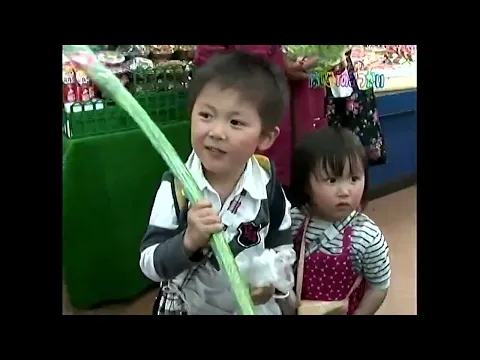
Although the format is carefully supervised to ensure the children’s safety, it reflects an existing cultural reality. The program has helped popularize the idea that child autonomy is not only possible but desirable within certain limits.
Over the years, it has become a symbol of how Japanese society views child development: encouraging independence but within a structured environment.
Why children can walk alone safely in Japan
The ability of small children to move around alone is directly linked to a set of factors that act simultaneously. Iceland is often cited as an example of safety, but Japan combines this factor with urban density and adapted infrastructure.
The crime rate is extremely low, especially concerning violent crimes. This drastically reduces the perceived risk for parents. At the same time, the constant presence of people on the streets creates a naturally monitored environment.
Another relevant point is public transportation. In large cities like Tokyo, it is common for children to use trains and subways to get to school. The system is punctual, organized, and widely used, which increases the predictability of movements.
The difference between cultural reality and external perception
To an outside observer, the idea of 4-year-olds walking alone may seem widespread, but it is important to understand that this does not happen indiscriminately.
These situations mainly occur in:
- safe residential neighborhoods
- short and familiar routes
- contexts where the child has already been prepared
In other words, it is not a matter of absence of supervision, but rather a different model of supervision, where the environment and the community play an active role.
What makes the Japanese model difficult to replicate
Despite attracting attention, this level of child autonomy cannot be easily replicated in other countries. It depends on a specific combination of factors that are not present in most societies.
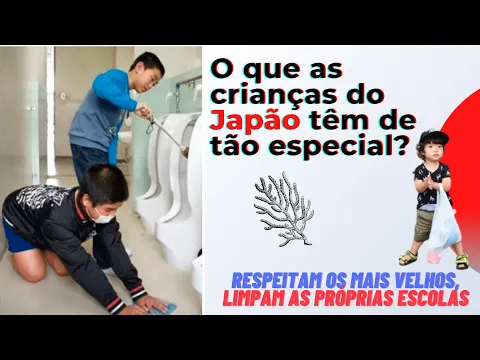
Among them are low inequality, strong social cohesion, pedestrian-oriented urban planning, and a culture that values discipline and collective responsibility.
Without these elements, the behavior can pose significant risks. Therefore, the Japanese practice is often seen as the result of a complex system, rather than just an isolated cultural choice.
Child autonomy as a reflection of a structured society
The image of a small child walking alone to the market summarizes a much broader reality. It represents a system where safety, education, infrastructure, and culture function in an integrated manner.
In Japan, child autonomy is not just a curious habit. It is an indicator of how society has been organized to allow individuals, from an early age, to interact with the world around them safely.
This model continues to be studied and observed by researchers and urban planners, who seek to understand how different societies can balance freedom, safety, and child development.
Meanwhile, on the quiet streets of Japanese neighborhoods, scenes that seem improbable in other parts of the world continue to happen every day — not as an exception, but as part of a functioning system.










Seja o primeiro a reagir!