





 Portuguese
  English
  Spanish
  6 min of reading
  0 comments


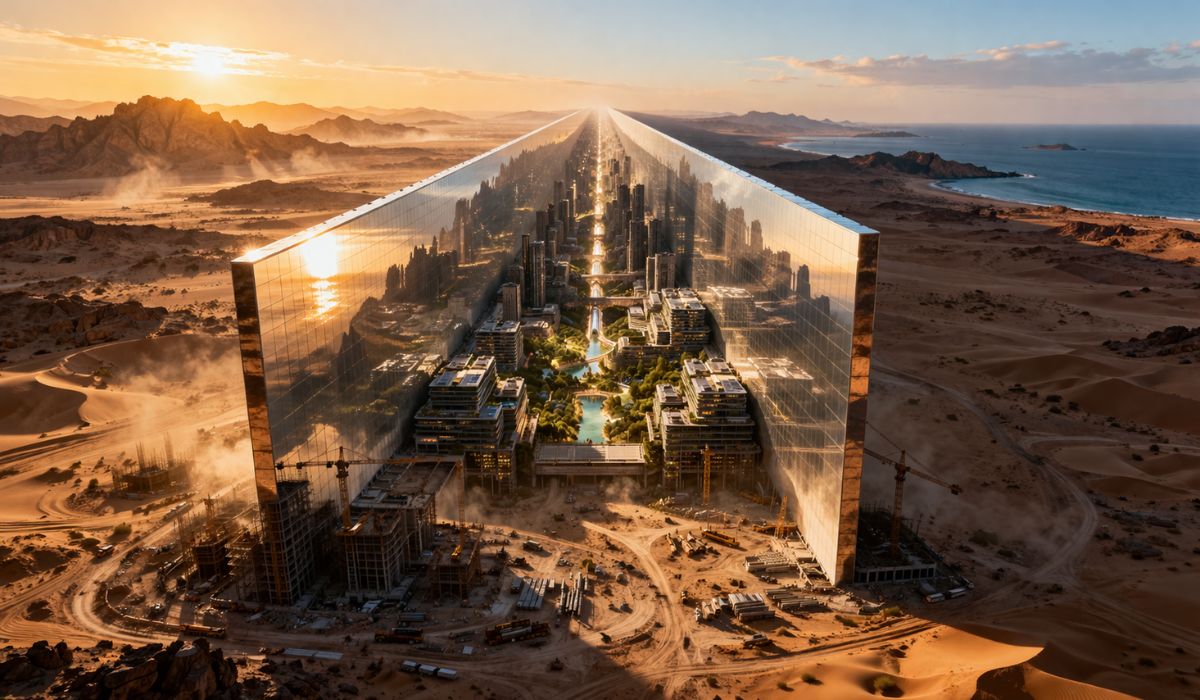
Billion-dollar project of Saudi Arabia advances at a slower pace, concentrates works in a reduced section, and expands focus on technology, while cost, deadlines, environmental impact, and viability remain at the center of international debate.
Announced as one of the central projects of Saudi Arabia’s economic transformation strategy, The Line continues to be officially presented as a linear city of 170 kilometers in length, 500 meters in height, and capacity for 9 million residents, without cars or conventional streets.
In execution, however, the project has entered a review phase, has been concentrated in a smaller priority section, and has been accompanied by questions about cost, deadlines, environmental impact, and financing capacity.
The city is part of NEOM, an initiative launched by Crown Prince Mohammed bin Salman within Vision 2030, a program created to reduce Saudi dependence on oil and increase the weight of sectors such as tourism, technology, industry, and services.
-
He found the largest gold shipwreck in the United States with tons of the precious metal at a depth of 2,400 meters in the Atlantic and recovered a treasure that no one thought possible to reach, but 500 gold coins disappeared without explanation.

-
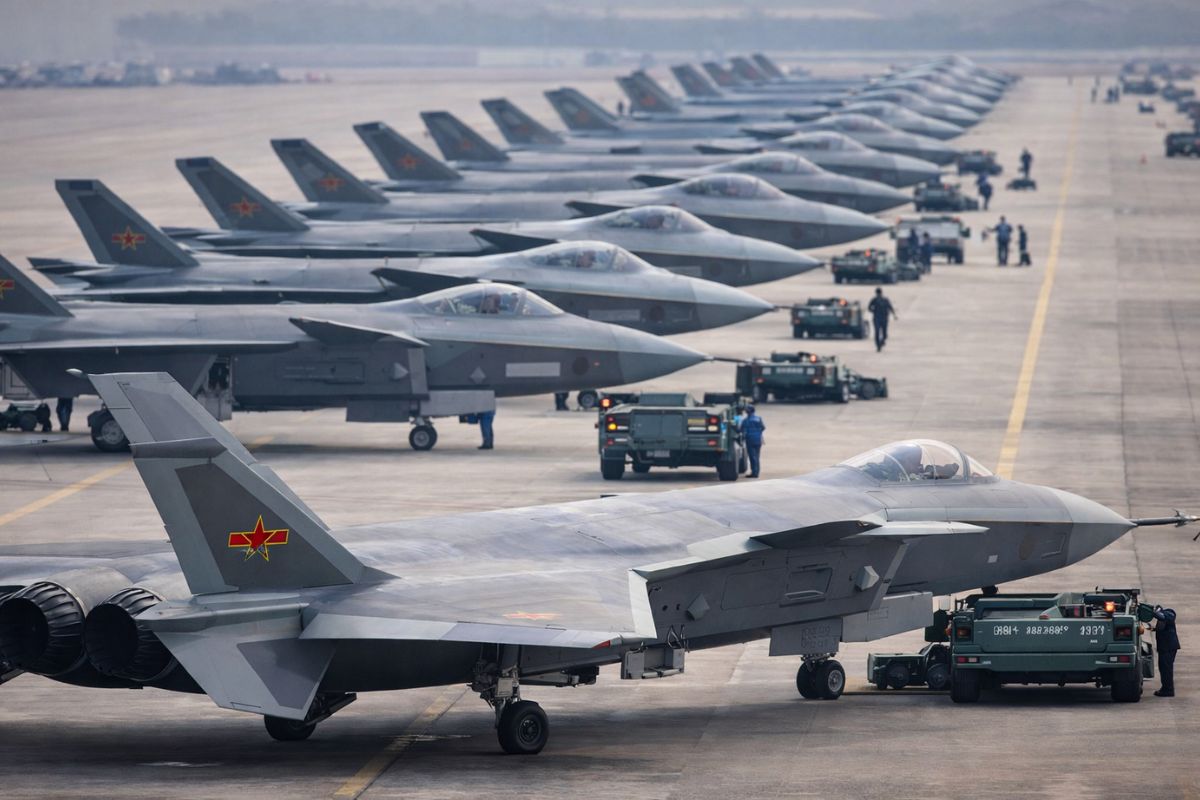
The United States has a serious problem with its F-35s: China is already producing fighters at a pace that exceeds American capacity and could manufacture up to 300 aircraft per year before the end of the decade, shifting the global military balance.
-
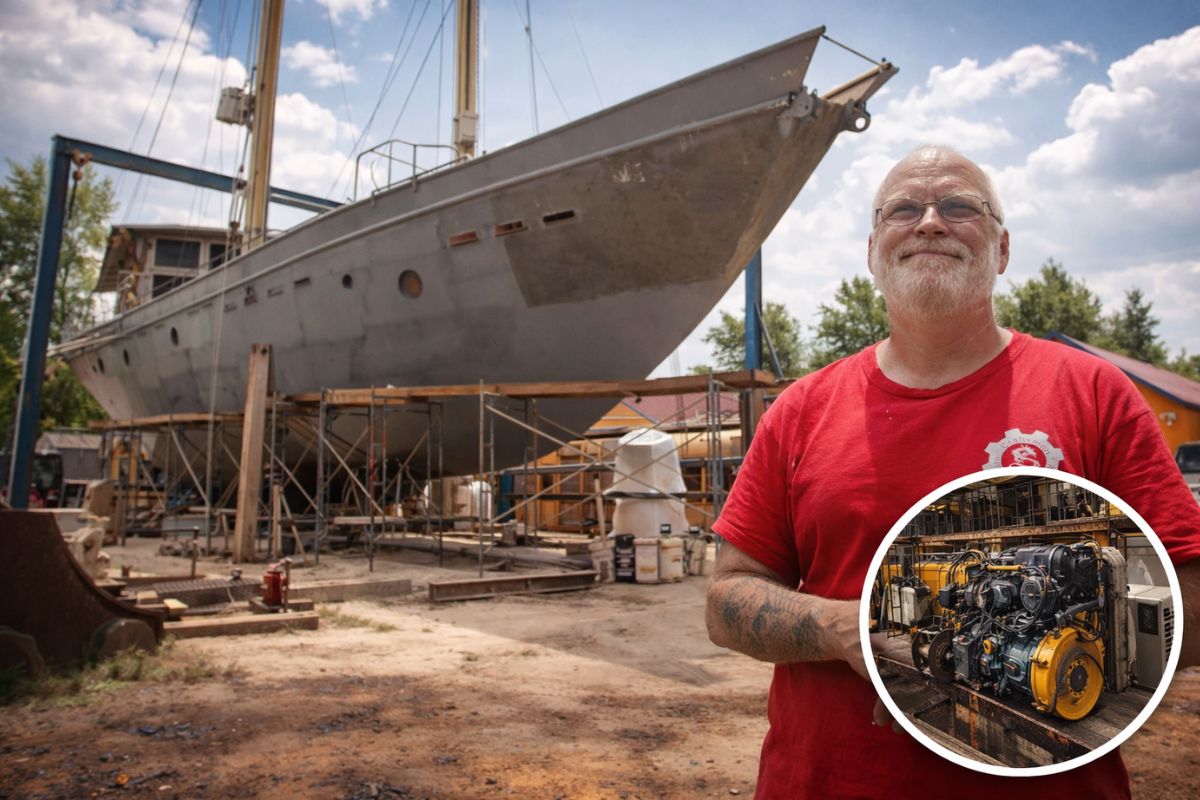
A retired IT professional built a 22-meter boat in his backyard in Oklahoma with a school bus engine, light pole masts, and handmade watertight doors to become the redneck version of Jacques Cousteau.
-
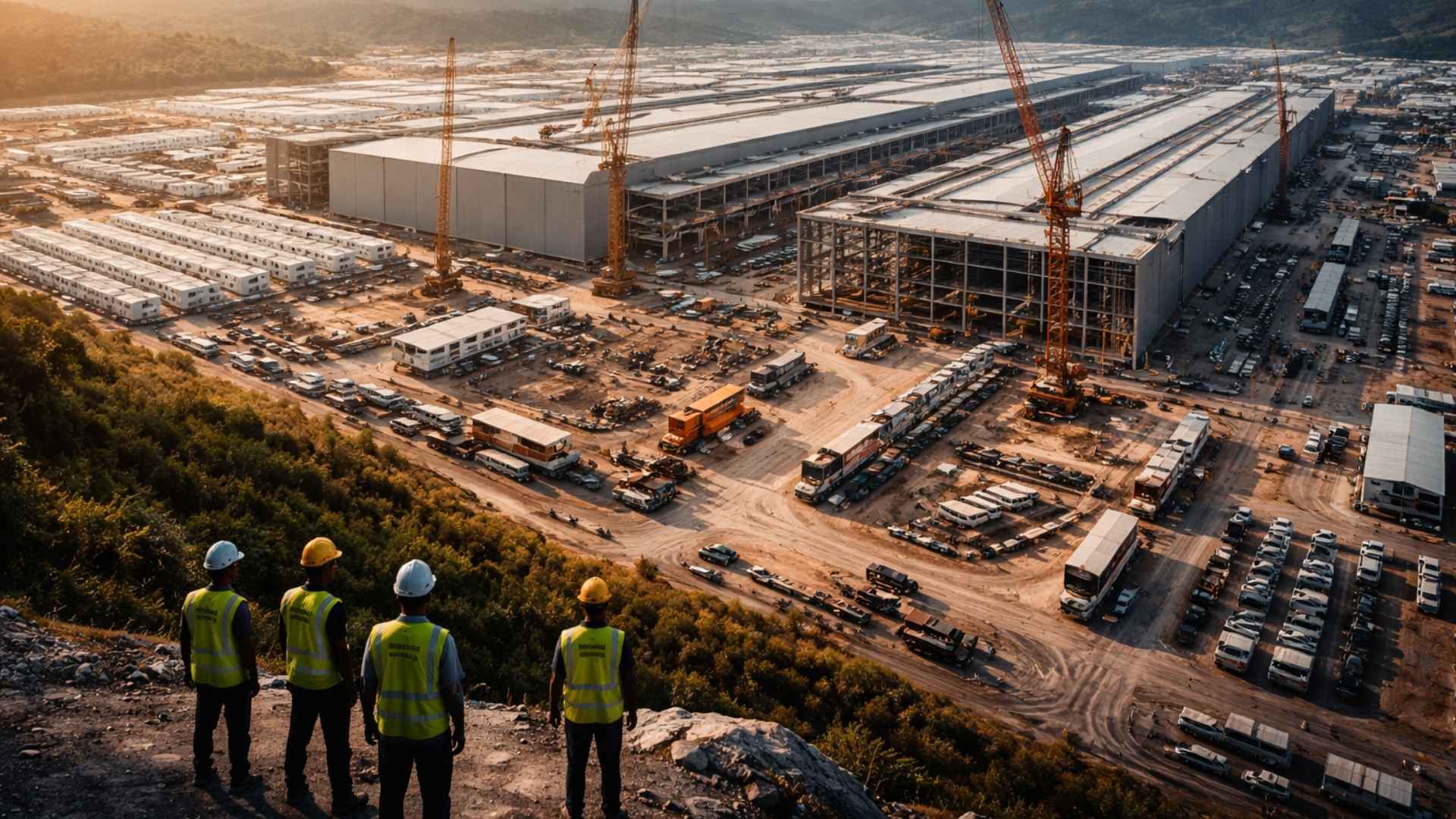
China is building a city in Brazil: a complex with an investment of R$ 5.5 billion comes to light, but allegations involving workers draw attention.

When The Line was presented in January 2021, the proposal was to bring together housing, work, and services in a continuous strip, connected by high-speed transport and powered by clean energy.
Linear city in the desert and the origin of the concept
The idea of a city organized along an axis did not originate in the Gulf.
In the late 19th century, the Spaniard Arturo Soria y Mata already advocated for an urban model structured around a transport line in Madrid.
Later, architect Yona Friedman presented proposals for vertical and modular urbanism as a response to the sprawl of metropolises.
In the Saudi case, this concept has been expanded to an unprecedented scale.

Since its launch, The Line has been promoted as a structure of 200 meters wide, 500 meters high, and 170 kilometers long, crossing desert, mountains, and coastal areas in the northwest of the country.
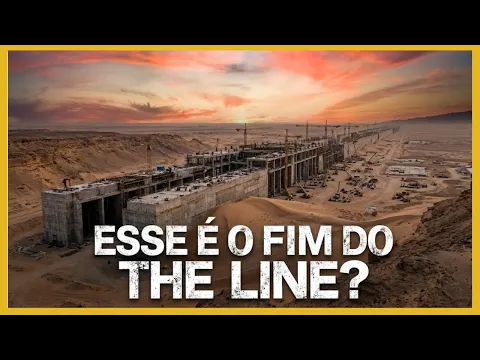
Although the final vision has been maintained in official communication, the execution has been reorganized into smaller phases, concentrated mainly in the so-called Hidden Marina, the first prioritized section.
The Line project shrank and became concentrated in a smaller section
Signs of review gained strength in 2024 and 2025.
Reuters reported, based on sources linked to the project, that the operational focus had shifted to a segment of 2.4 kilometers, including a stadium associated with Saudi planning for the 2034 World Cup.
This change marked a difference from the initial goals announced for 2030, when public expectations around The Line encompassed a broader expansion.

Meanwhile, the base engineering has advanced in parts of the construction site.
Satellite images and market reports showed earthworks, foundations, and movement concentrated in the Hidden Marina, while other areas of the layout remained in a preliminary stage.
This indicates that the project has left the purely conceptual phase, but without uniform progress along the 170 kilometers announced.
Billion-dollar cost and pressure on Saudi accounts
The main pressure on the project has become financial.
A report from the Wall Street Journal, echoed by other outlets, indicated that an internal audit estimated a potential cost of US$ 8.8 trillion for the complete completion of The Line and a timeline that could extend until 2080.
The same material indicated that the project had already consumed tens of billions of dollars.
This scenario has become more sensitive with the pressure on Saudi accounts.
In April 2025, Reuters highlighted that the IMF and economists estimated that Riyadh would need oil prices above US$ 90 per barrel to balance the budget, while Brent had fallen to lower levels at that time.
Months later, the same agency reported that the Saudi sovereign fund, the PIF, recorded an accounting loss of US$ 8 billion in gigaprojects, amid delays, rising costs, and market revaluations.
There were also changes in the direction of the enterprise.
In November 2024, Reuters reported the departure of the then long-time CEO of NEOM, Nadhmi al-Nasr, at a time when parts of the megaproject were being reduced or revised.
By 2026, reports from the Financial Times and The Times indicated that the overall design of NEOM was still under reevaluation, with The Line losing relative space to fronts considered more viable in the short and medium term.

Artificial intelligence and data centers gain space in NEOM
Alongside the review of The Line, NEOM has expanded the discourse around artificial intelligence and digital infrastructure.
On February 10, 2025, the project announced an agreement with DataVolt to develop an AI data center in Oxagon with an initial investment of US$ 5 billion in the first phase.
Reuters reported that the venture was described as a “net zero” project of 1.5 gigawatts, with initial operations scheduled for 2028.
The shift in focus has strategic weight.
Amid the review of the linear city, the expansion of projects related to data centers, energy, and advanced industry helps explain the Saudi attempt to maintain NEOM as a platform for economic transformation.
Thus, the project that had been presented mainly as a car-free urban experience has begun to share space with the goal of consolidating the Red Sea coast as a regional hub for data processing and AI infrastructure.
Environmental impact, surveillance, and human rights at the center of criticism
The criticisms of the enterprise have not been limited to cost.
Organizations and researchers have pointed out environmental risks associated with a mirrored and continuous structure in a migratory bird passage area between Africa and Asia.
Experts consulted in international reports warned of the potential for large-scale collisions, as reflective facades are associated with this type of mortality on flight paths.

In the field of digital rights, concern focuses on the volume of data that a highly sensorized city could gather.
In a Reuters report on the concept of a “surveillance city,” researcher Vincent Mosco stated that concerns about monitoring were justified given the combination of massive data collection and a fragile history of rights protection in the country.
The debate also involves the history of forced displacement linked to NEOM.
UN experts warned in 2023 about the risk of execution of members of the Howeitat tribe following arrests related to resistance to removals in the name of the project.
Human Rights Watch also associated the advancement of Saudi gigaprojects, including NEOM, with allegations of labor abuses and human rights violations.
Hidden Marina, project review, and uncertain future
In 2026, The Line continues to exist as an official vision and as a partial construction site, but not as a homogeneous expansion through the desert.
The Hidden Marina remains the most concrete segment, while the rest of the layout depends on political decisions, resource availability, and redefinition of priorities within the PIF itself.
Other showcases of NEOM have not remained immune to review.
The 2029 Asian Winter Games, planned for Trojena, have been postponed to a yet-to-be-announced date, a decision confirmed by the Olympic Council of Asia and reported by the Associated Press.
The postponement was another sign that the megaproject’s timeline remains subject to adjustments.
In this context, The Line has begun to be observed less for what it promised to deliver in the initial announcement and more for what its execution will effectively be able to materialize.
The trajectory of the project combines, at the same time, urban ambition, budget limits, environmental challenges, and strategic reorientation within Vision 2030.
With the work concentrated in a smaller section and no public schedule for the 170 kilometers planned, the evolution of the project remains at the center of international attention.





Seja o primeiro a reagir!