





 Portuguese
  English
  Spanish
  3 min of reading


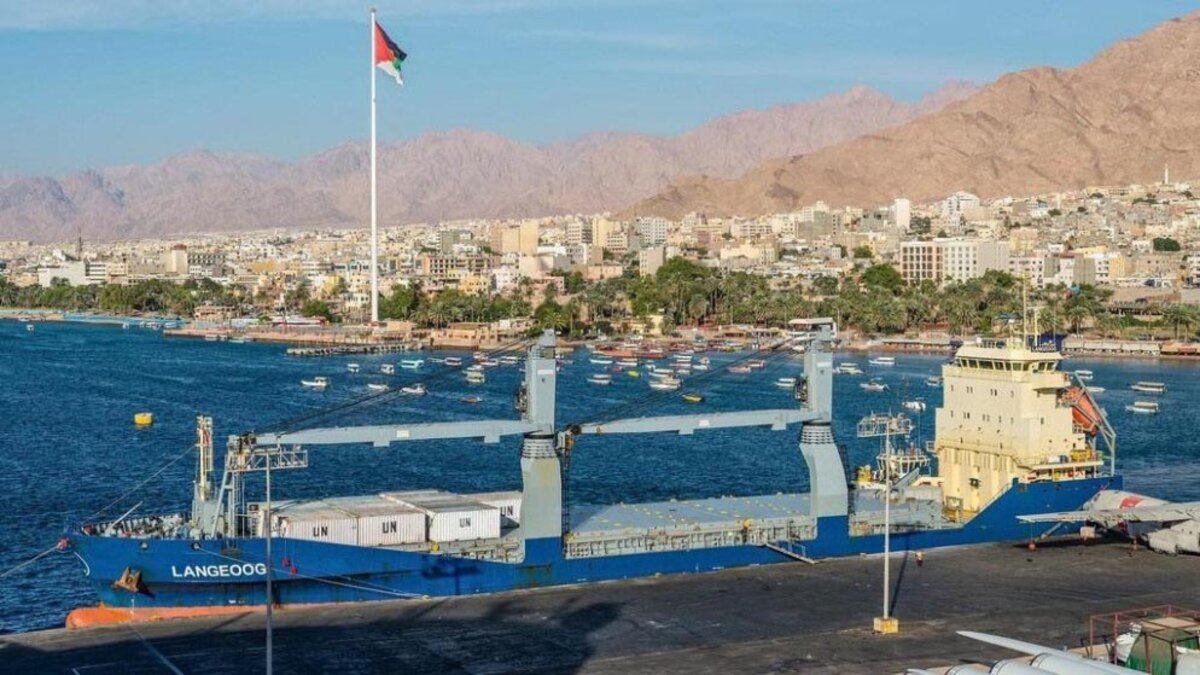
After the accident during a cargo handling operation at the Port of Aqaba, Jordan, the executive director of Incatep highlighted the need for more port training in the scenario to ensure more safety and prevent accidents.
This Monday, (07/25), the scenario for the port segment is focused on the issue of port training in cargo handling operations, following the accident that occurred in Jordan, which resulted in the death of 13 people. Thus, the Institute for Port Technical Training and Education (Incatep) emphasized the need for investments in this training to reduce the possibility of accidents and increase safety in Brazilian and international ports.
Accident at the Port of Aqaba, Jordan, opens debate on the need for port training to ensure more safety in cargo handling
A few weeks ago, an accident occurred at the Port of Aqaba, located in Jordan, which resulted in the death of 13 people and left 251 injured after a container fell and exploded during a cargo handling operation.
The vessel was set to load nearly 20 liquefied gas containers containing a very high percentage of chlorine, noting that the product was heavy and difficult to transport, and the accident ended up creating an unstable and dangerous scenario in the complex.
-
Lack of workers and an aging population: Japan bets on AI robots in factories, logistics, and infrastructure to keep the economy and essential services active.

-
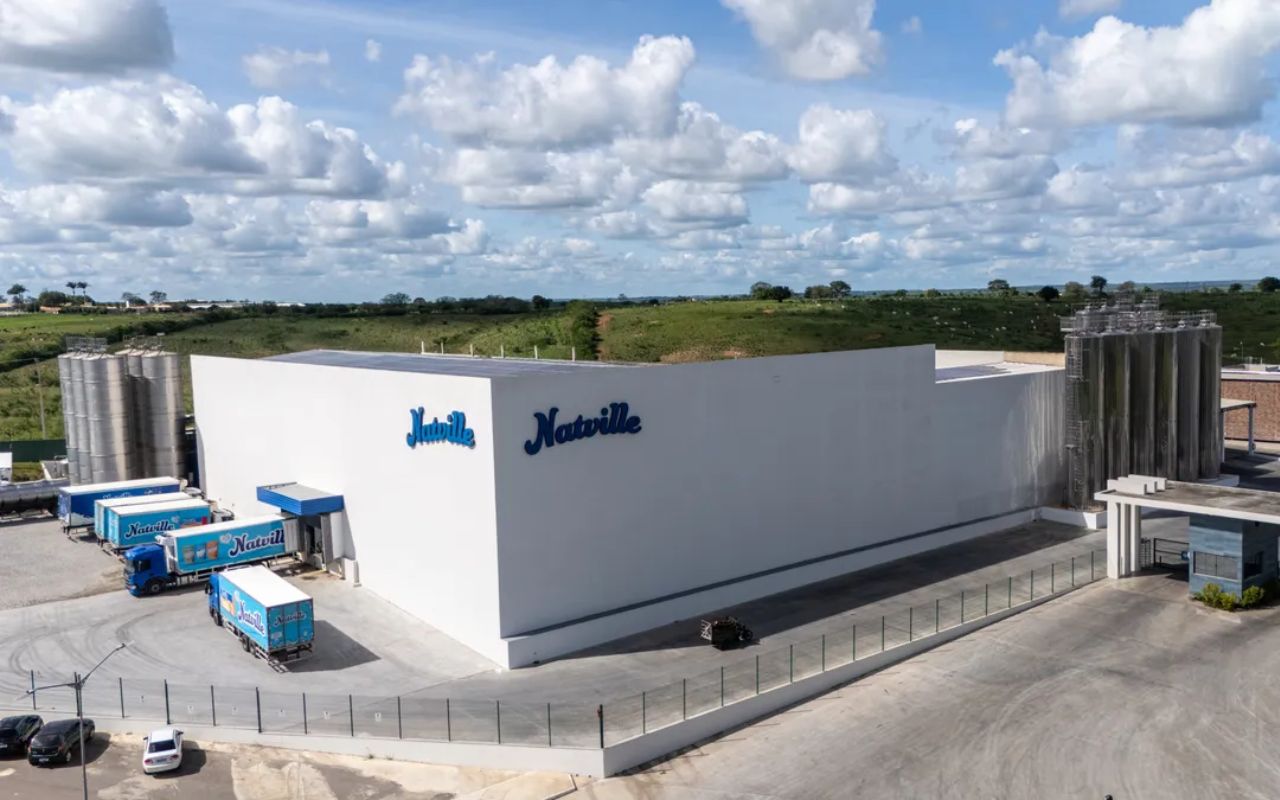
Natville puts R$ 700 million on the table for new factories in the Northeast, generating jobs and boosting the local economy.
-
With 74% of companies facing difficulties in hiring, technicians and engineers in renewable energy are becoming scarce in Brazil and are essential to support the expansion of solar, wind, and green hydrogen projects.

-
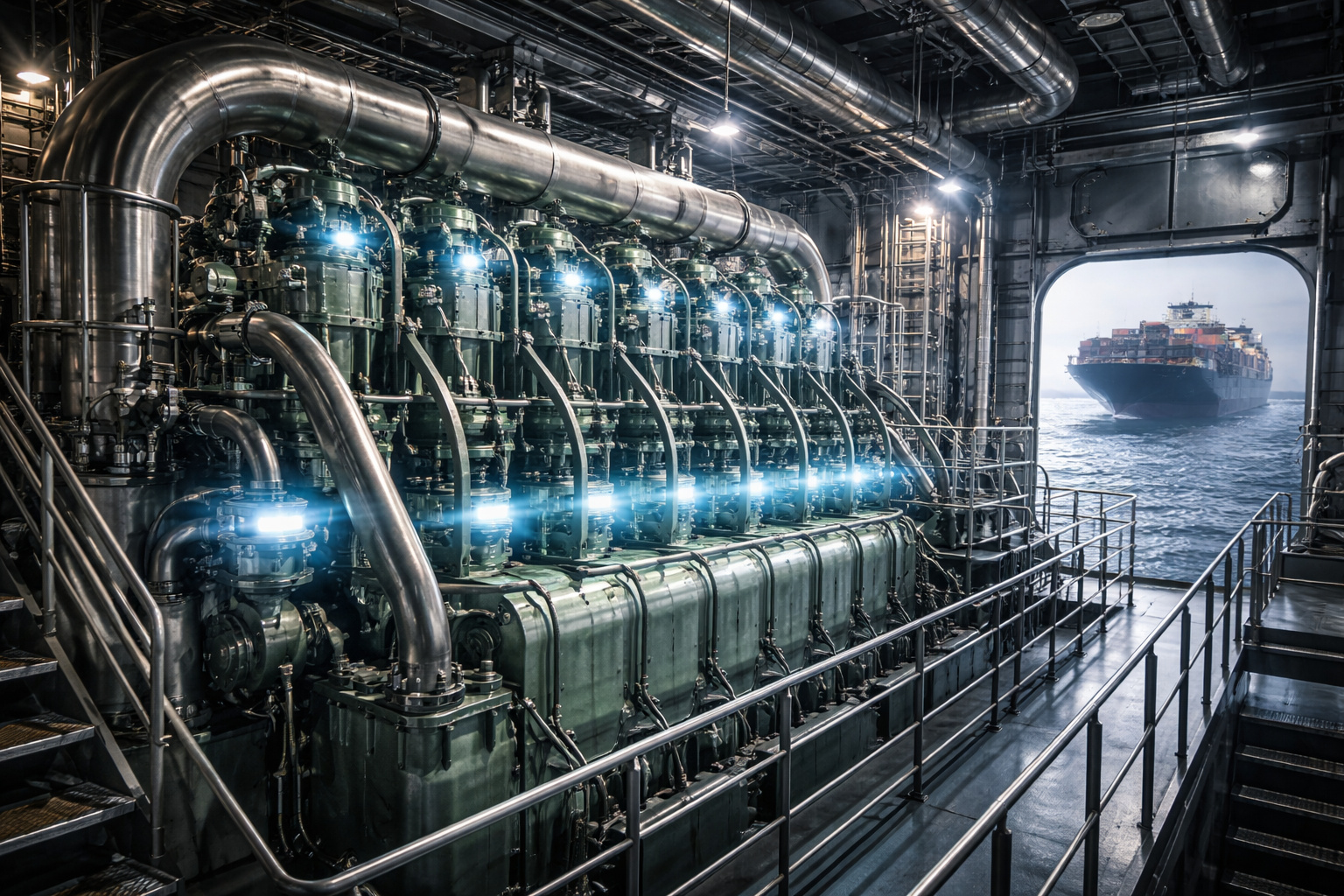
Europe is trying to create an ammonia-powered marine engine without auxiliary fuel, which could unlock the race for giant emission-free ships. The technology aims to eliminate one of the biggest obstacles to clean maritime propulsion.
The fall of the container happened due to the rupture of the steel cables of the crane that was performing the lifting and loading operation, constituting a technical failure. However, according to Incatep, the operator could have predicted or even avoided that from happening if they had higher quality port training for cargo handling.
Thus, the international port scenario has opened its eyes to the need for more safety and training to prevent accidents of this type.
Therefore, providing port training for those responsible for operations with stevedoring materials, in the loading and unloading of cargo, including hazardous materials, is becoming increasingly necessary amid accidents of this kind.
In this scenario, it is not enough to merely professionalize the operator regarding the technical aspects of cargo handling in ports, but rather to make them even more qualified to prevent accidents and ensure their safety and that of others on site.
Incatep Developed Port Training Platform and Aims to Ensure More Safety and Prevent Accidents in Cargo Handling Operations
Seeing the need for more port training to ensure greater safety in cargo handling operations, Incatep developed an AVA (Virtual Learning Environment) platform, specifically for port activities, revealing the main dangers in everyday operations.
In addition, the tool has synchronous tools to ensure greater participation of the operator in port training, and asynchronous tools to ensure access to information.
Thus, João Gilberto Campos, executive director of Incatep and specialist in workplace safety in port terminals and a master’s student in mechanical engineering, commented on the incident in Jordan and highlighted some points about accidents in cargo handling.
He stated that the operator could ensure safety and prevent the incident if they had followed the inspection procedures for stevedoring materials described in the program contents of PREPOM, ABNT standards, and NR.29.
Incatep, certified by ISO 9001:2015 and accredited by the Brazilian Maritime Authority, is working with the national port sector to ensure the port training of workers and seeks more visibility for the issue of safety in cargo handling, one of the main pillars for it to be carried out efficiently in the complexes.









Seja o primeiro a reagir!