





 Portuguese
  English
  Spanish
  4 min of reading
  0 comments


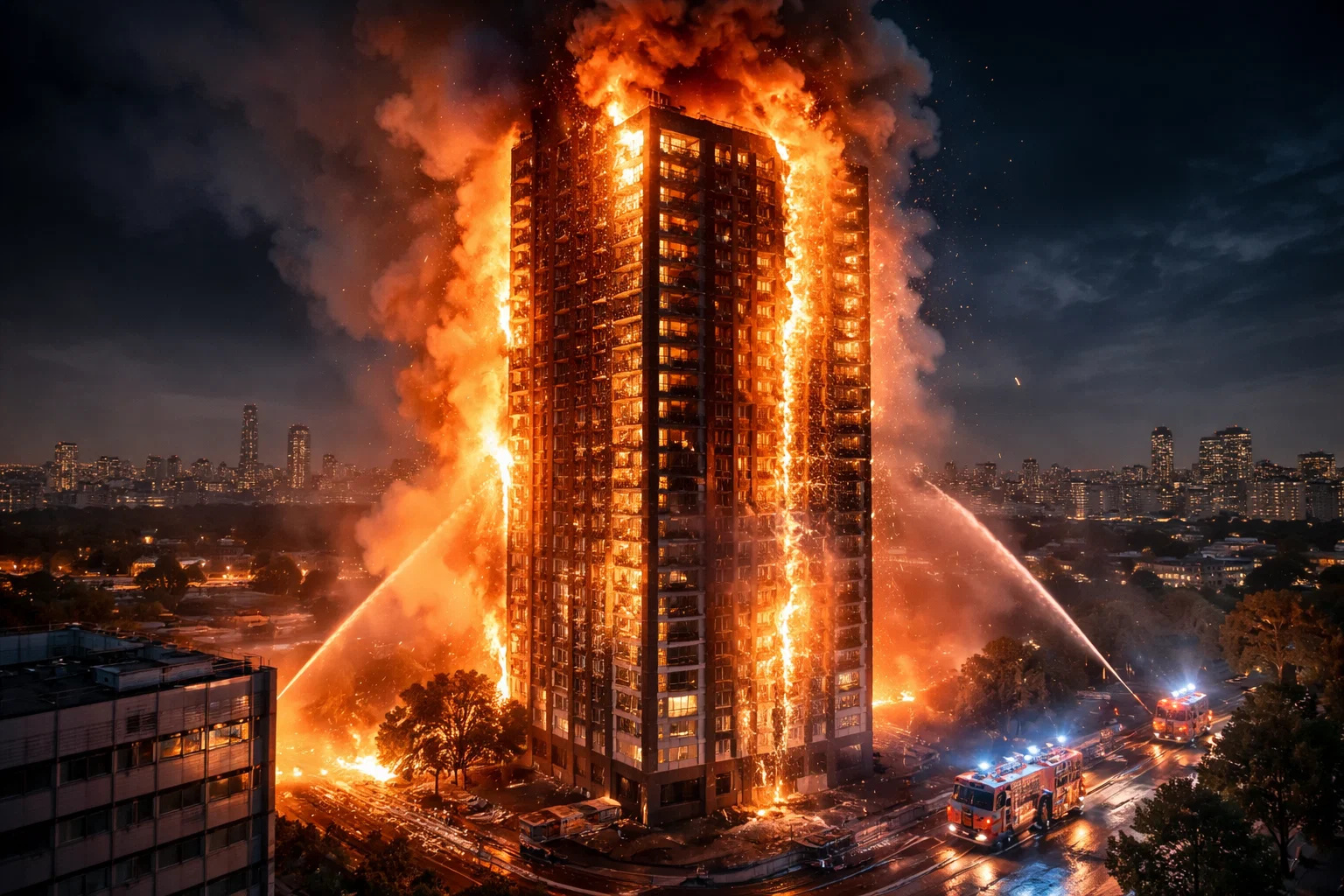
Grenfell Tower Tragedy in London Exposed a Nearly Invisible Problem in Modern Facades to Global Engineering: External Cladding Materials Can Accelerate Vertical Fire Spread in Tall Buildings
A residential tower of 24 stories in London revealed a problem that few outside of engineering imagined existed. In 2017, a devastating fire at Grenfell Tower killed 72 people and left a troubling question for civil engineering experts.
How could a fire that started inside the building rise so quickly to the upper floors?
The answer lay in the building’s very skin. The external cladding of the facade helped the fire spread upward, turning the building into a vertical path for the flames.
-
The water that may have gone to the Moon with NASA during the Apollo 11 mission and been consumed by the astronauts springs in a Brazilian city at an altitude of 945 meters, famous for its thermal springs, above-average quality of life, and a natural radioactivity so unusual that it attracted Marie Curie.

-
In 200 days, a Finnish man builds with his own hands an 11-meter boat powered by solar energy with “infinite autonomy,” capable of dispensing with refueling and already used as a floating house.

-
Neurologist Richard Restak issues a severe warning to all people over 65: there is a daily habit he recommends completely eliminating from your life because it is destroying your neurons and accelerating memory loss.

-
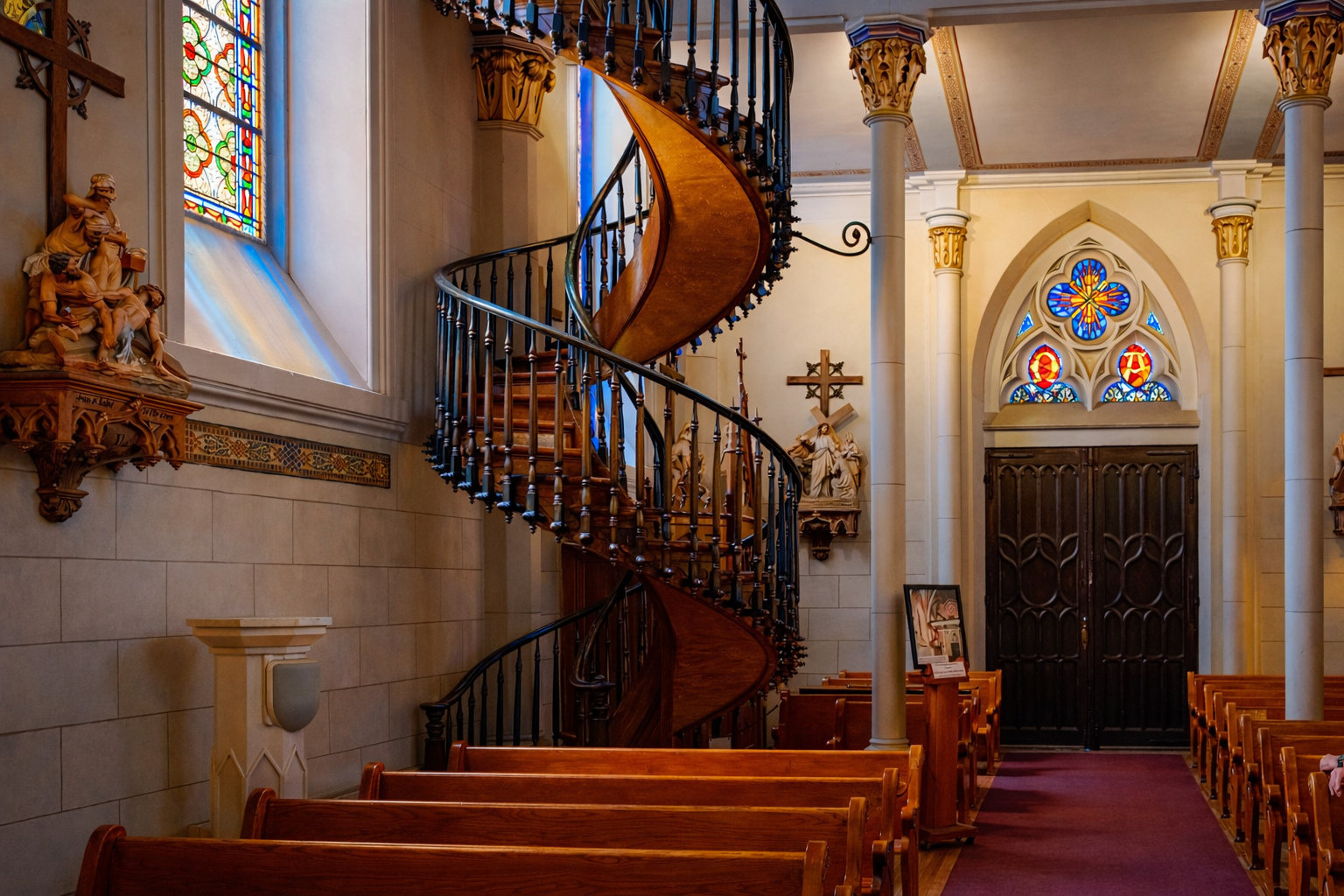
With 6.1 meters and 33 steps, the spiral staircase of the Loretto Chapel in the United States gained fame worldwide for making two complete 360-degree turns without a central support.

The incident became a global alert about safety in tall buildings and the technical choices made during construction and renovation.
The Unexpected Behavior of Fire in a 24-Story Building Caught the Attention of Engineers and Fire Safety Experts
Fires in tall buildings generally follow a relatively well-known pattern. The flames tend to spread first within the floor where the fire starts and then reach nearby units.
In the case of Grenfell Tower, the progression was different.
The fire found a rapid route via the exterior of the structure. Instead of rising slowly within the building, the flames advanced along the facade.
Fire engineering experts explain that this type of spread can occur when certain external cladding systems come into contact with intense heat.
In this scenario, the exterior structure can act like a large vertical chimney, quickly conducting heat and fire to the upper floors.
This behavior surprised rescue teams and also specialists who later analyzed the case.
The External Cladding of Grenfell Tower Revealed a Little Discussed Risk in Facade Engineering
In recent decades, many buildings have undergone external renovations to improve appearance, thermal insulation, and energy efficiency.
These projects utilize cladding systems, composed of different layers that envelop the building.
According to experts, when certain materials come into contact with extreme temperatures, they can contribute to fire spread.
In the Grenfell Tower fire, the facade cladding played an important role in how the flames rose through the building.
The technical detail placed facade engineering at the center of discussions about safety in tall buildings.
For many professionals in the field, the case showed that a building’s external appearance can conceal significant structural risks.
The Tragedy in London Exposed Failures in Fire Safety Regulations in Social Housing
After the fire, authorities launched investigations into the safety standards applied in residential buildings.
The disaster raised a question that concerned governments and experts. How many other buildings might pose the same type of risk?
According to experts, some regulations did not fully keep pace with the evolution of materials used in modern facade systems.
In certain cases, products were approved without all possible fire scenarios being thoroughly evaluated.
The tragedy of Grenfell Tower brought fire safety to the forefront of discussions about civil construction, particularly in high-rise residential buildings.
The Global Impact That Changed the Discussion on Materials Used in the Construction of Tall Buildings
After the fire, engineers and authorities began reviewing regulations related to the use of materials in tall building facades.
The case became a reference in discussions about fire behavior in vertical structures.
Designers began to pay more attention to factors such as material flammability, ventilation between cladding layers, and potential fire spread pathways.
According to experts, the incident marked a turning point in how fire safety in tall buildings is assessed.
The discussion has extended beyond aesthetics and energy efficiency.
The priority has shifted to the behavior of materials in extreme situations.
The Grenfell Tower Fire Remains a Warning for the Engineering of Modern Buildings
For construction professionals, the fire at Grenfell Tower showed that seemingly technical decisions can have huge consequences.
The choice of facade material can directly influence how a fire behaves in a tall building.
The case reinforced the need for more rigorous testing, revisions of standards, and greater attention to the behavior of materials used in the exterior of structures.
More than just an urban tragedy, the episode became a milestone that changed engineering’s perspective on safety in buildings.
The story of Grenfell Tower remains a powerful reminder that in modern constructions, even details invisible to residents can determine the safety level of an entire building.
What do you think about this discussion on materials used in the facades of tall buildings? Has current engineering learned everything it needed from this tragedy, or are there still hidden risks in large cities?








-

Uma pessoa reagiu a isso.