





 Portuguese
  English
  Spanish
  3 min of reading
  0 comments



Temporary Measure Creates Benefits for the Naval Industry and the Oil Sector, Expanding Limits of Accelerated Depreciation for Tankers and Maritime Support Vessels Produced in Brazil.
The Temporary Measure 1315/25 came into effect bringing new stimuli for the naval industry and the oil sector in Brazil, as reported by the Senate Agency on Tuesday, September 16. The proposal aims to expand national production of vessels and reinforce the use of Brazilian ships for transporting oil, derivatives, and natural gas.
The measure raises the limit for granting the so-called accelerated depreciation quotas, a tax benefit that allows companies to reduce the Corporate Income Tax (IRPJ) and the Social Contribution on Net Profit (CSLL).
What Changes with the Temporary Measure
The ceiling for accelerated depreciation, previously set at R$ 1.6 billion by Law 14.871/24, now increases to R$ 2.4 billion. This incentive will apply to new tankers built in Brazil and also to maritime support vessels used in offshore platforms.
-
Petrobras evaluates suspension of sales to distributors and considers canceling the cooking gas auction following guidelines from the Federal Government.

-
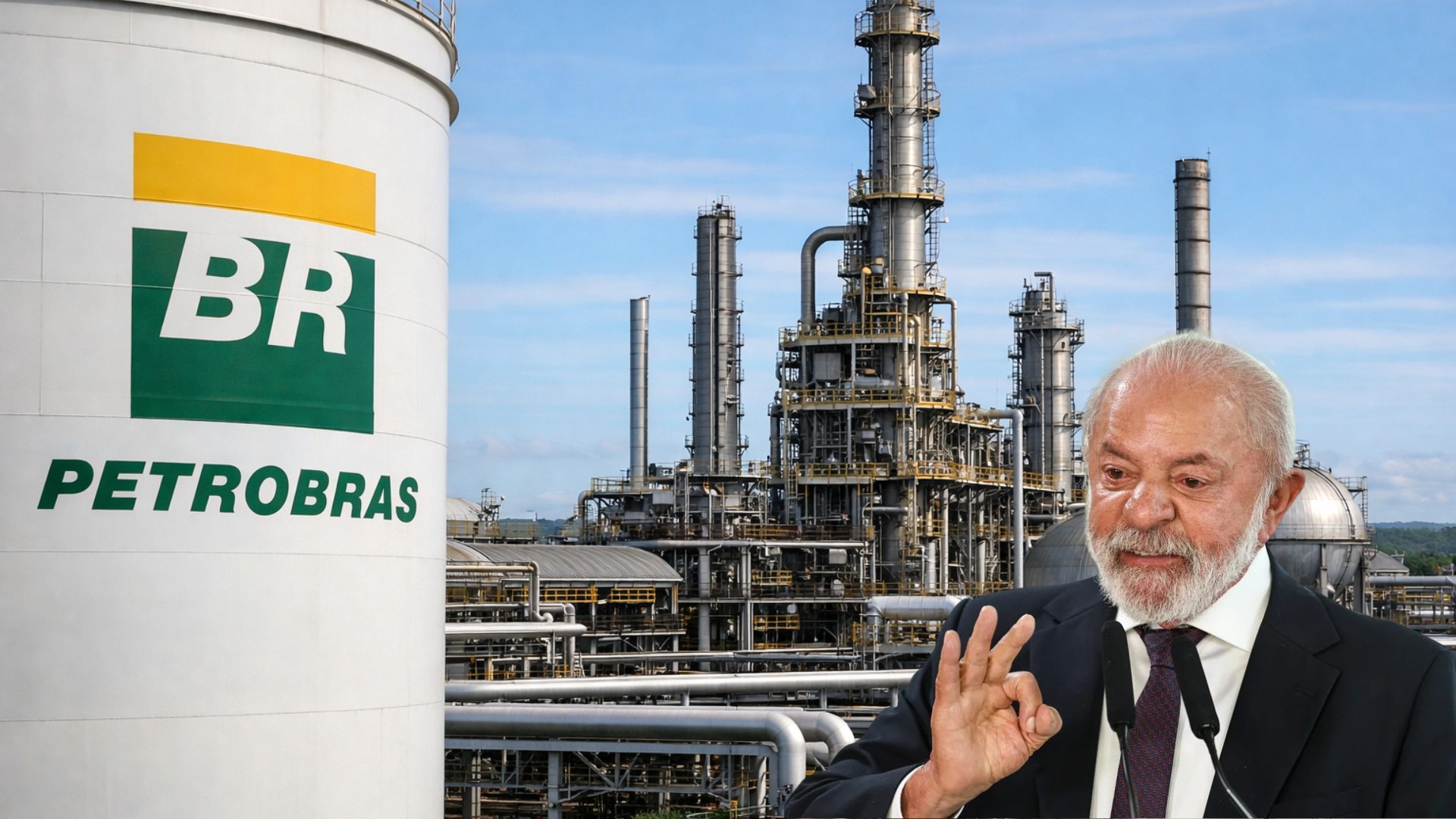
Lula reveals a masterstroke by Petrobras to undo a deal made by Bolsonaro, which involves the return of an important refinery that currently produces less than half of what was expected and makes Brazil dependent on international diesel.
-
A study confirms that the natural gas sector will reduce greenhouse gas emissions in Brazil by 0.5% and accelerate the energy transition by 2026.

-
Petrobras implements a severe adjustment and confirms a 55% increase in the price of aviation kerosene with a proposal for installment payments for the companies.


The benefit is valid for contracts signed until December 31, 2026. The vessels covered must begin operations from January 1, 2027.
According to the government, the aim is to stimulate investments in the national fleet, reduce dependency on foreign vessels, and minimize risks associated with international freight rate volatility.
Expected Impact on the Sector
According to the Executive, the expansion aims to keep pace with the accelerated investment rhythm in the oil and gas sector. In 2024, the sector recorded investments of R$ 94.1 billion just in the production phase. For 2025, the forecast is R$ 139.9 billion, reaching R$ 609.5 billion from 2025 to 2029.
These figures were obtained from the Dynamic Panel of Activity, Investment, and Production Forecast in the Production Phase, by the National Agency of Petroleum, Natural Gas and Biofuels (ANP).
The incentive policy has already shown positive effects in 2024. The Brazilian naval industry generated nearly 9,000 new jobs, a growth of 33% compared to 2023. This result, according to the government, proves the impact of the accelerated depreciation public policy.
In the justification of the temporary measure, the Executive highlighted:
“The proposal would result in a 50% increase in the renunciation related to the accelerated depreciation of vessels, taking into account the projected increase by the ANP in investment in the production phase of oil and natural gas in the same proportion between 2024 and 2025.”
Thus, the expectation is that the combination of tax incentives and higher demand from the oil sector will strengthen the Brazilian naval industry. And, in turn, reduce dependency on foreign vessels.
Cost Reduction and Strengthening of Cabotage
Another point emphasized by the government is that the incentives should favor cabotage of oil, derivatives, and natural gas. With an expanded fleet, Brazil would have more autonomy and greater control over transportation costs.
Additionally, the strategy seeks to minimize the effects of fluctuations in the international market, which directly impact oil prices and logistical costs.
Procedure in the National Congress
Although already in effect, the temporary measure needs approval from the Chamber of Deputies and the Federal Senate to become a definitive law. The text will be initially analyzed by a mixed committee, which will discuss the details of the proposal before taking it to a vote in plenary.
Meanwhile, the practical effects of the MP are already beginning to be felt by the sector, which is awaiting definitions to plan medium- and long-term investments.









Seja o primeiro a reagir!