





 Portuguese
  English
  Spanish
  4 min of reading
  1 comment


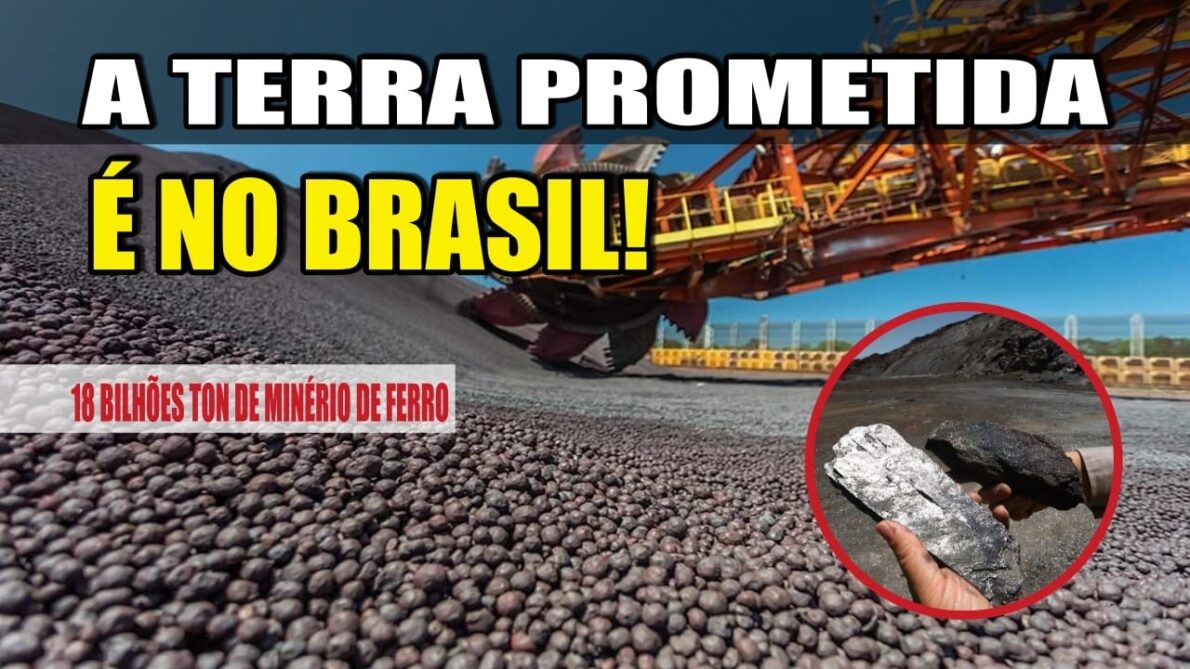


Discovery of Carajás Changed the History of Vale and Iron Ore in Brazil, Placing the Country as One of the Main Producers and Exporters of This Natural Resource in the World!
You have probably heard of Indiana Jones movies, where he goes in search of hidden treasures in the most remote corners of the planet. But the story you will read today is equally fascinating, yet real. It is a revolution in mining, the discovery of the largest mineral province in the world, the Carajás province, located in the state of Pará, which changed the history of Vale and iron ore in Brazil!
This story follows a group of young geologists who ventured in search of the unknown, facing challenges and dangers in the Amazon jungle. The expedition was led by geologist Breno Augusto dos Santos, and the result was a discovery that changed the history of mining in Brazil.


United States Steel (USS), the Largest Steel Company in the World at the Time, Began a Mineral Exploration Program in Brazil with the Goal of Finding Manganese
In the 1960s, United States Steel (USS), the largest steel company in the world at the time, began a mineral exploration program in Brazil aimed at finding manganese, a strategic mineral due to the Cold War.
-
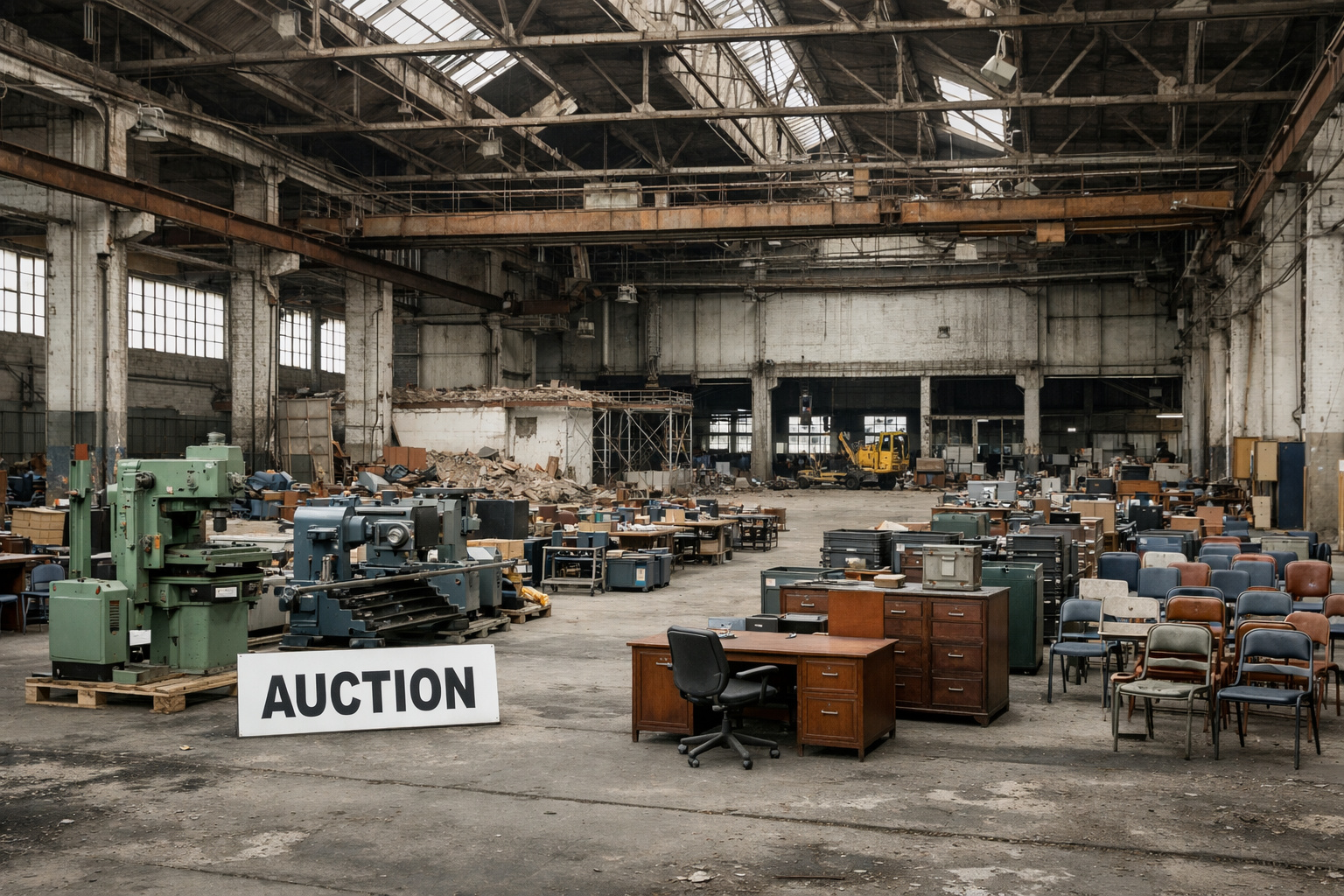
Historic bankruptcy of Centauro shocks the market, and the century-old company puts more than 500,000 products, machines, and complete infrastructure up for online auction.
-
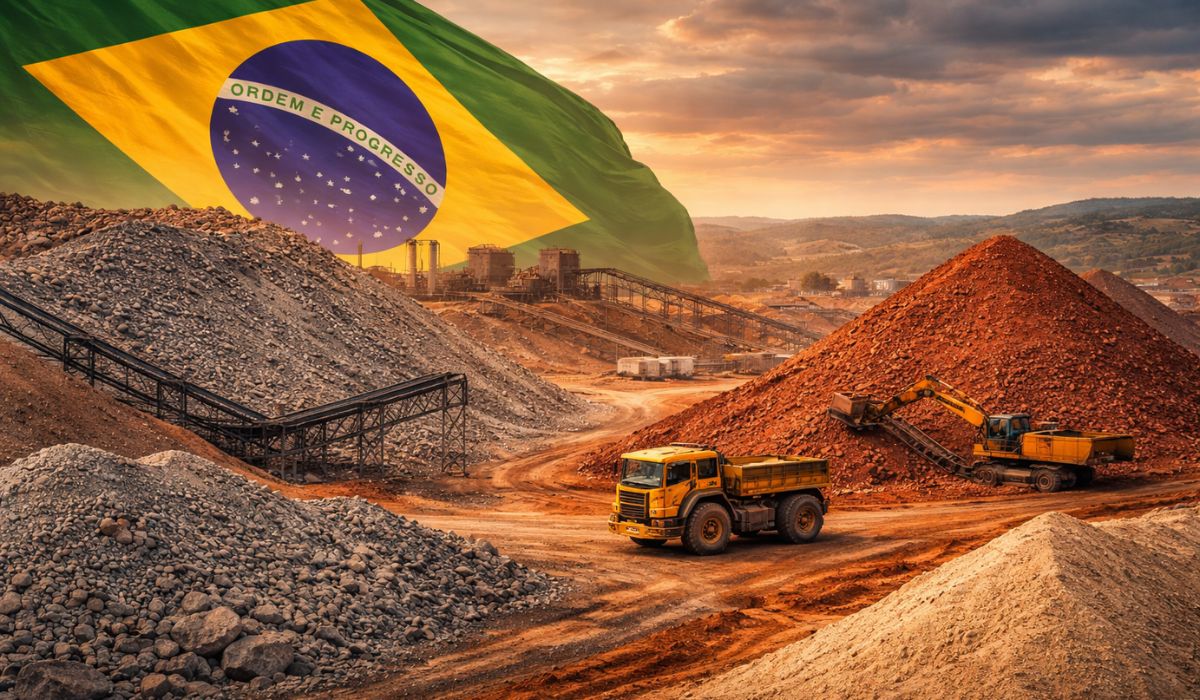
Brazil extracts 26.3 million tons of ore from what was previously treated as waste, transforming residues into wealth, producing over 3 million tons of sand, and demonstrating how national mining is relearning to generate value.
-
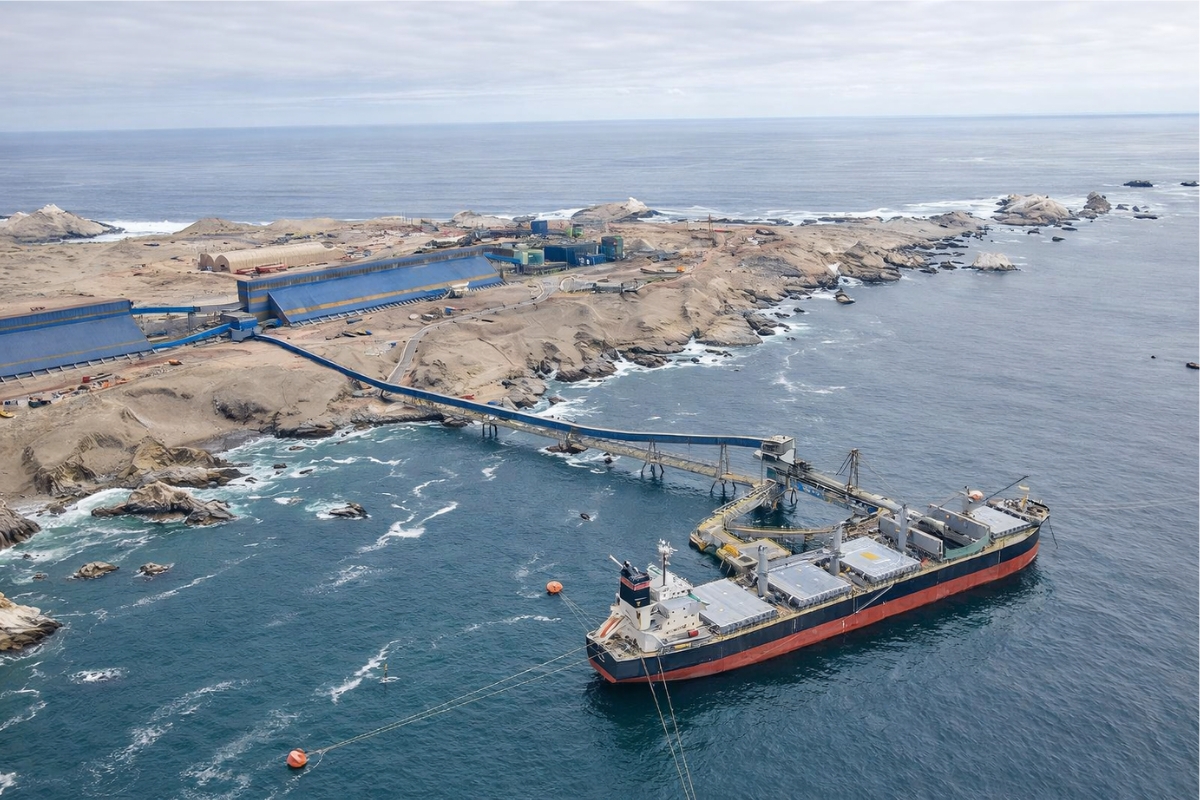
A $3.5 billion megaproject in Latin America pumps desalinated seawater at 1,050 liters per second over 194 km to keep a copper supermine in the Andes operational for another 20 years.
-
New shoe factory in Ceará is expected to create 400 jobs and strengthen the local economy.

The northern region of Brazil caught USS’s attention, and the company began the program through its subsidiary, Companhia Meridional de Mineração. Breno Augusto dos Santos, recently laid off from another competing manganese company, was hired as one of the expedition’s geologists.
During a visit to the city of Marabá, in southeastern Pará, Breno met a jaguar hunter who had found some dark stones. The geologists identified these stones as manganese. The news spread, and soon USS learned of the existence of manganese in the region. The company decided to explore the area and initiated the expedition led by Breno and his team.
Challenges in the Amazon Rainforest in Search of Manganese
The expedition faced various challenges when entering the Amazon rainforest in search of manganese and iron. The region was underexplored and lacked adequate infrastructure for mining activities.
Moreover, there was fear of encountering hostile Indians and wild animals. The team relied on three helicopters that were essential for transportation and conducting fieldwork in more remote areas.
The Discovery of Iron in Carajás
During an aerial survey of the area, Breno and his team spotted a clearing in the forest and decided to land for investigation. During the inspection, Breno found iron rocks instead of manganese. It was on this day, July 31, 1967, that the presence of iron ore in Carajás was confirmed. The discovery of iron was the beginning of an even greater journey.
After the discovery of iron, Breno flew over the region and found that the previously observed clearings also contained iron. The team continued exploring the area and, in no time, discovered other minerals like copper, nickel, and gold. Carajás became a region of unparalleled mineral wealth.
Carajás Became the Largest Mineral Province in the World
Carajás became the largest mineral province in the world, with estimated resources of around 18 billion tons of high-grade iron ore. Additionally, the region is a source of other valuable minerals, contributing to both the Brazilian and global economy.
Vale do Rio Doce, now known as Vale, acquired part of the Carajás areas and became one of the largest companies in iron ore and mining in the world.
The History of the Discovery of Carajás is Marked by Coincidences, Twists, and Courage
After the discovery, each geologist went their separate ways. Some continued researching and exploring Carajás, while others dedicated themselves to other projects. The history of the discovery of Carajás is marked by coincidences, twists, and courage. Every detail fell into place like a puzzle to make this discovery happen.
The history of the discovery of Carajás is a historical achievement that will always be remembered for its importance to the world of mining. Carajás is a unique region, with abundant and high-grade mineral resources. Its discovery changed the history of Vale and iron ore in Brazil, placing the country as one of the main producers and exporters of this natural resource. The journey of this expedition shows us the potential and wealth of our planet, which still holds many secrets to be explored.
I would love to know if you already knew the story of Carajás. Tell us in the comments section if you are a resident of the region or if you have personally visited this incredible mineral province. Don’t forget to leave 5 stars and activate CPG notifications to keep up with all the news in the mining world. Until next time!









Hola. Me encanta todo lo que se trate de manganeso, porque soy un colombiano de Medellín, experto en el tema. Me gustaría trabajar en investigación allí, porque como dije, tengo muchos productos que he inventado y se requiere poner a disposición de la humanidad. Quedo atento.
Tive a honra de trabalhar em Carajás e ser chefiado pelo geólogo Breno Augusto dos Santos, na extinta DOCEGEO, uma subsidiária de sucesso em mais de 25 anos de existência e que jamais deveria ter sido privatizada a CVRD.