





 Portuguese
  English
  Spanish
  3 min of reading
  0 comments


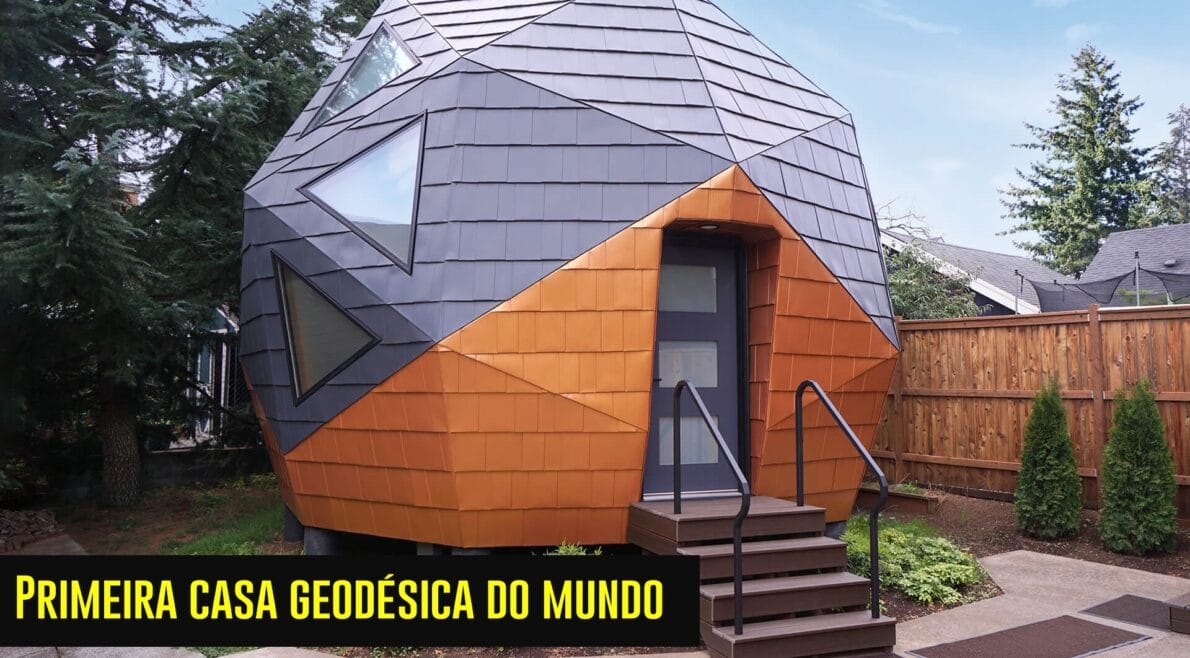
The First House in the World with Geodesic Design in Pentakis Dodecahedron Shape Is Already Impressing with Its Innovative Concept of Reducing Size and Maximizing Space
The first tiny house in the shape of a pentakis dodecahedron, a geodesic structure with 60 sides, is bringing a new approach for those looking to live in small, sustainable spaces. Created by Joshua Tulberg, from Dodeca Domes, this innovative house is already available for seasonal rental and will soon be offered as a construction kit.
Inspired by the geodesic domes popularized by architect Buckminster Fuller, this house combines aesthetics and efficiency.
The design consists of a steel core and wooden beams, supported by an elevated base of columns and beams. The design not only optimizes space but also offers effective insulation, making the house suitable for various climates.
-
The lack of welders, electricians, and operators becomes a structural threat in 2025, with the construction industry and manufacturing already suffering from delays, cost pressures, and labor shortages in Brazil.
-
Brazil and Paraguay are just 46 meters away from a historic union on the bioceanic bridge that promises to revolutionize trade between the Atlantic and the Pacific.

-
With 55 km over the sea, a cost of US$ 20 billion, and enough steel to build 60 Eiffel Towers, China’s largest project has connected Hong Kong, Zhuhai, and Macau in a colossal bridge that defies the logic of engineering.

-
A trick with joint compound transforms a Styrofoam ceiling into a plaster-like ceiling: leveled panels, wires and mesh at the joints, sand, paint, and change the environment while spending little today.

Geodesic domes are famous for their energy efficiency and unique appearance, making them a common choice among sustainable building enthusiasts.
Efficient Design House
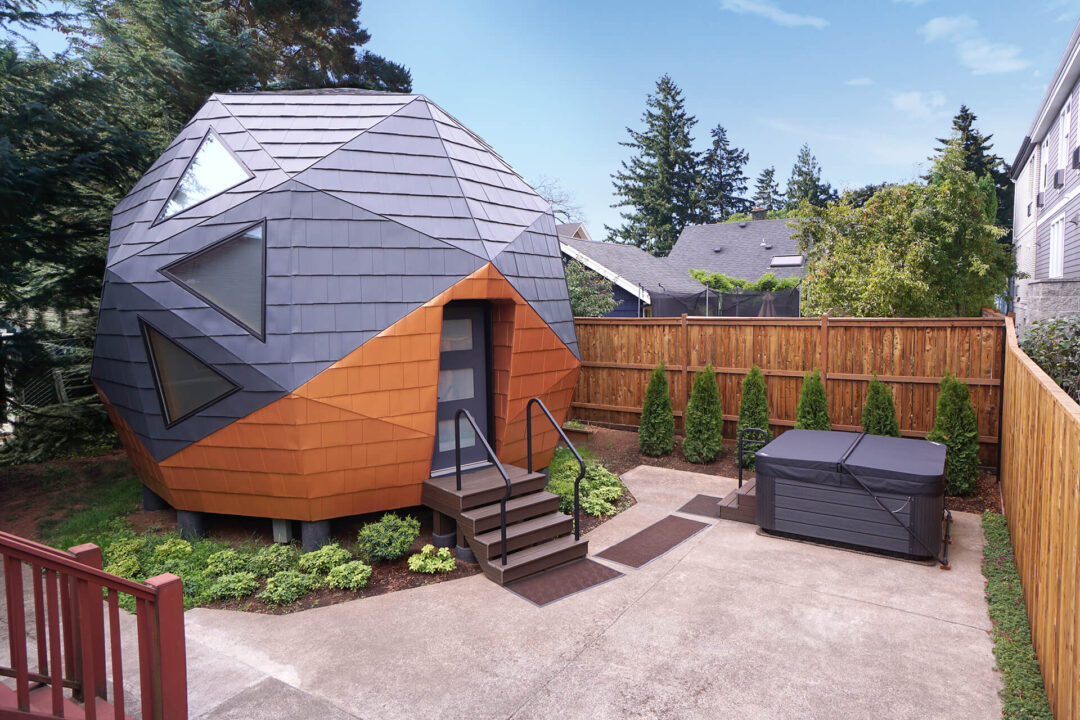
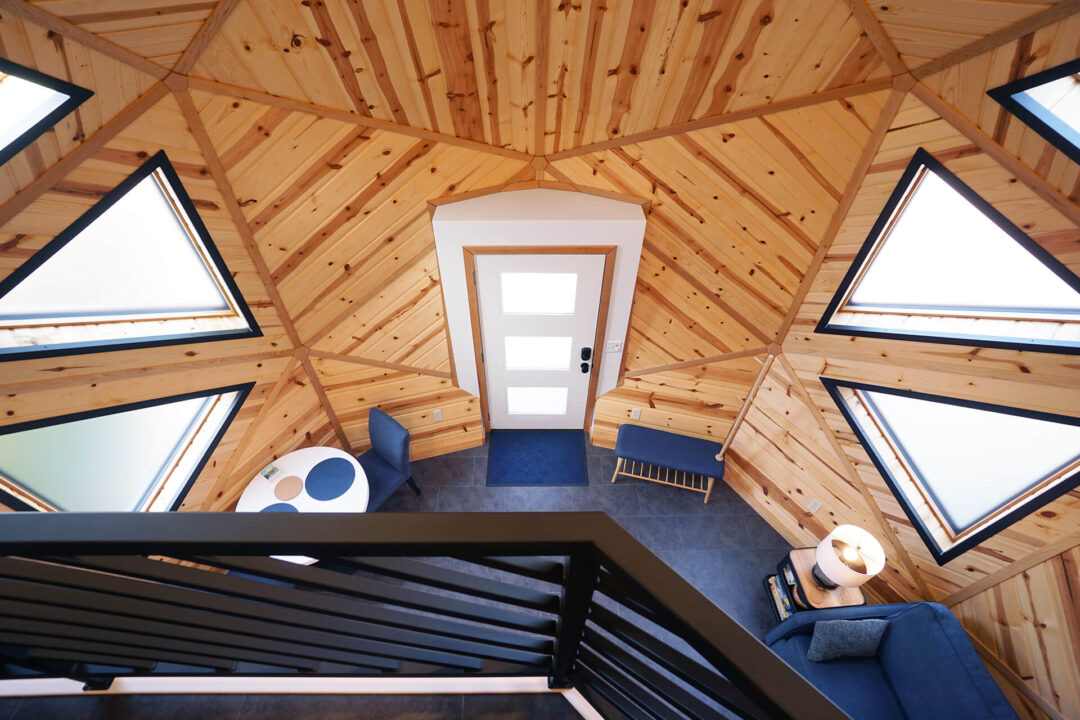
The house offers 28 square meters spread over two levels. On the ground floor, the open space maximizes the feeling of spaciousness.
Upon entering, the environment is illuminated by triangular windows and the curved shape of the dome, which provide an airy feeling of space.
Despite the curved walls, which could be seen as an obstacle, they integrate into the design, accommodating a sofa bed, a dining table, and a multifunctional unit that includes a kitchen, bathroom, and resting area.
Even compact, the kitchen is fully equipped with essential appliances, such as a refrigerator, microwave, and toaster, along with a sink and cabinets.
The bathroom includes a shower and a toilet, as well as access to an outdoor hot tub, a touch of luxury amidst simplicity.
A spiral staircase leads to an intermediate bedroom with a queen-size bed. Unlike many lofts in tiny houses, the space offers comfort and mobility, ensuring a good experience for the residents.
Ecological Advantages and Focus on Sustainability
One of the main strengths of this project is its energy efficiency. The spherical shape of the house evenly distributes heat, reducing the need for intensive heating and cooling systems.
This results in an energy-efficient home, suitable for those looking to reduce energy costs and minimize environmental impact.
In addition, the construction of the house uses sustainable materials, such as steel and wood, ensuring ecological balance without excessive waste of materials.
The house is designed to reduce the carbon footprint of its occupants, aligning with modern sustainability practices.
Another interesting point is the low energy consumption. Being a compact construction, the house requires fewer resources for its daily maintenance, making it a viable option for those who want a more ecological lifestyle.
Personalization and Future Options
Joshua Tulberg plans to offer a house construction kit for those interested in 2025, which will open new opportunities for those who wish to customize their own geodesic dome.
This kit will include the main components, such as steel cores and detailed instructions for construction. The expected cost will be 15,000 dollars.
The modularity of the design allows for personalization according to the owner’s needs. For example, it is possible to add solar panels or rainwater harvesting systems, turning the house into a self-sufficient solution, ideal for those living in rural or remote areas.
The concept of small, sustainable houses has been gaining global popularity, responding to the growing demand for housing solutions that combine minimalism and low environmental impact. This housing model is especially effective in densely populated urban areas, where space is scarce.
At the same time, it offers an alternative for those seeking a lifestyle more aligned with environmental preservation.










Seja o primeiro a reagir!