





 Portuguese
  English
  Spanish
  4 min of reading
  0 comments


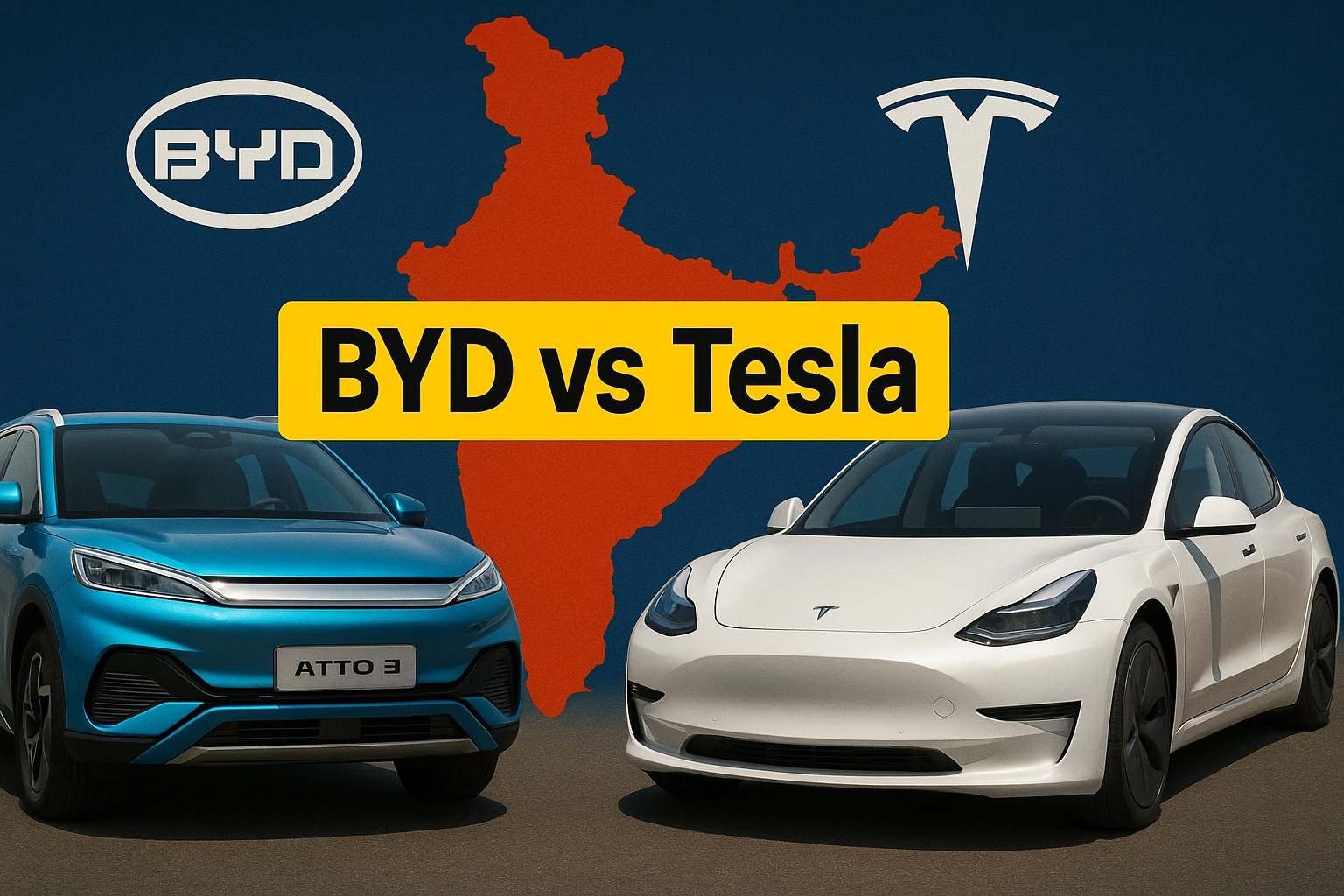
India, With Its 1.4 Billion Inhabitants and a Booming Automotive Market, Has Become the New Stage of the Global Battle Between China’s BYD, Which Is Rapidly Growing, and the U.S. Tesla, Which Seeks to Regain Ground with Its Late Arrival and High Prices.
The battle for global dominance in the electric vehicle market has gained a new stage: India. Tesla and BYD, two giants of the sector, are intensifying efforts to win over consumers in a country considered challenging but with enormous growth potential.
The battle is taking place at a time when BYD, based in Shenzhen, threatens to surpass Tesla as the world’s largest seller of electric cars.
The Chinese company has already surpassed the American brand in sales in Europe in April and now sees India as an opportunity for expansion, even amid political and economic barriers.
-
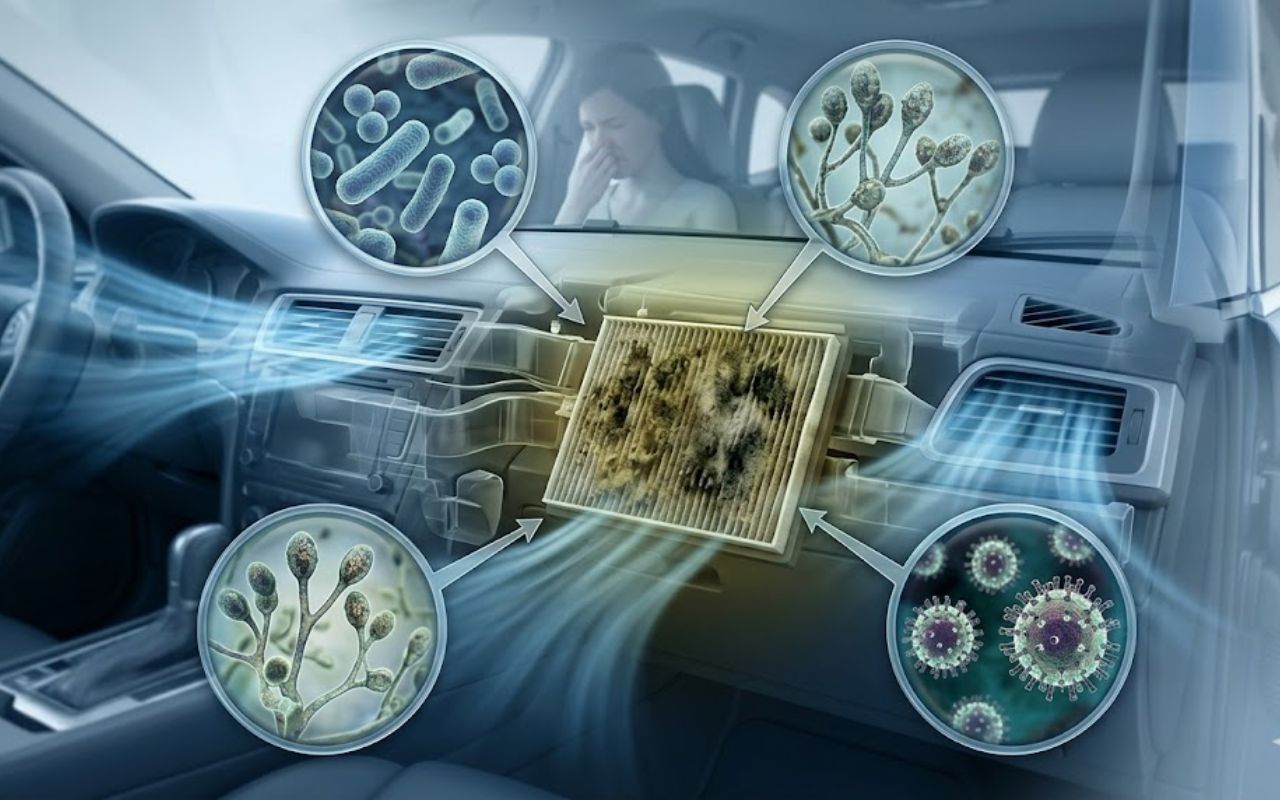
Experts warn: a dirty car air conditioning filter in winter can accumulate fungi and bacteria, causing allergies, fatigue, and even loss of attention while driving.
-
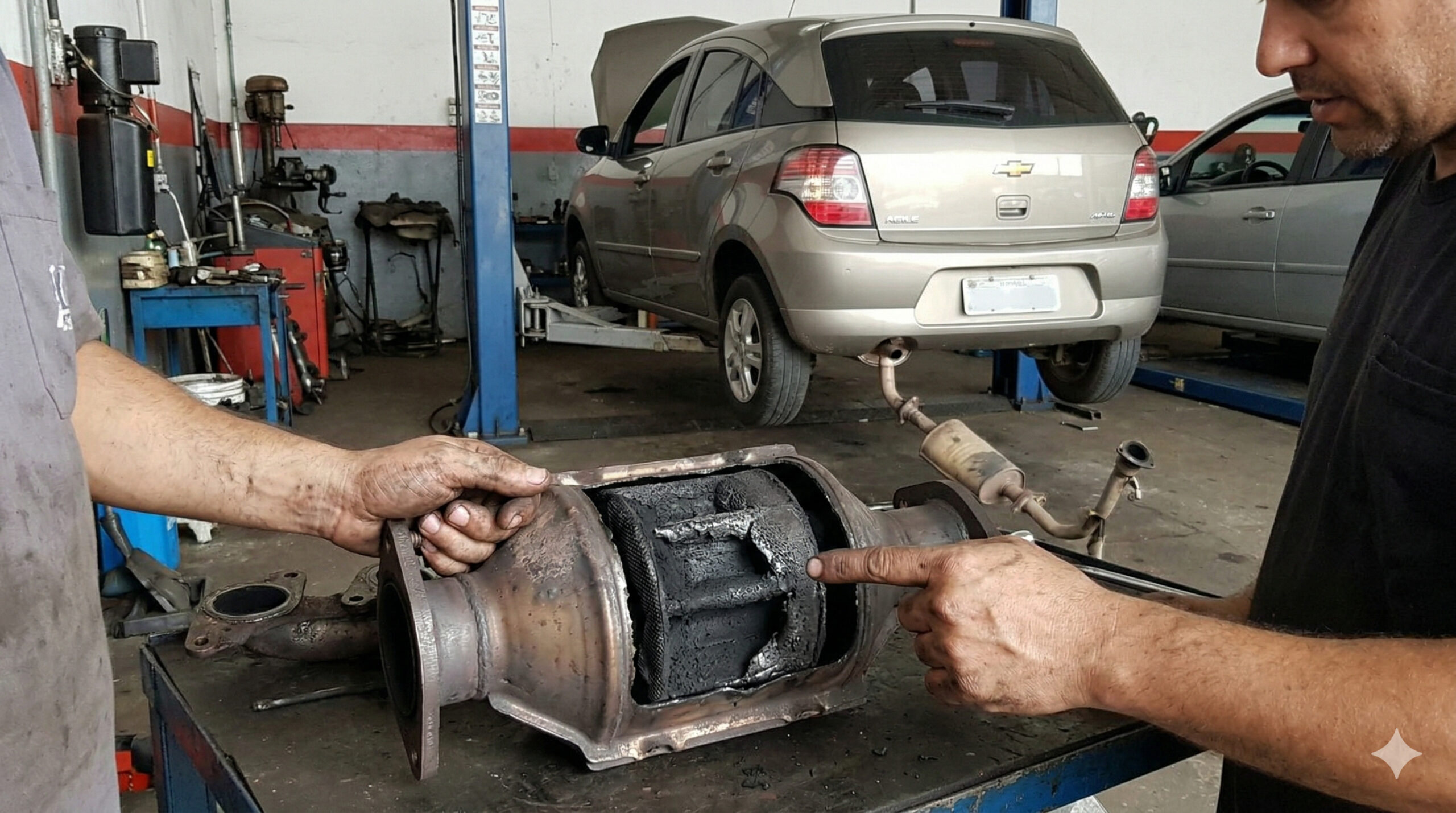
Owners of Chevrolet Agile discover a problem with the catalytic converter that can lead to a bill of up to R$ 4,000, steal engine power, increase fuel consumption, trigger the injection light, and worsen quickly when the first signs are ignored.
-
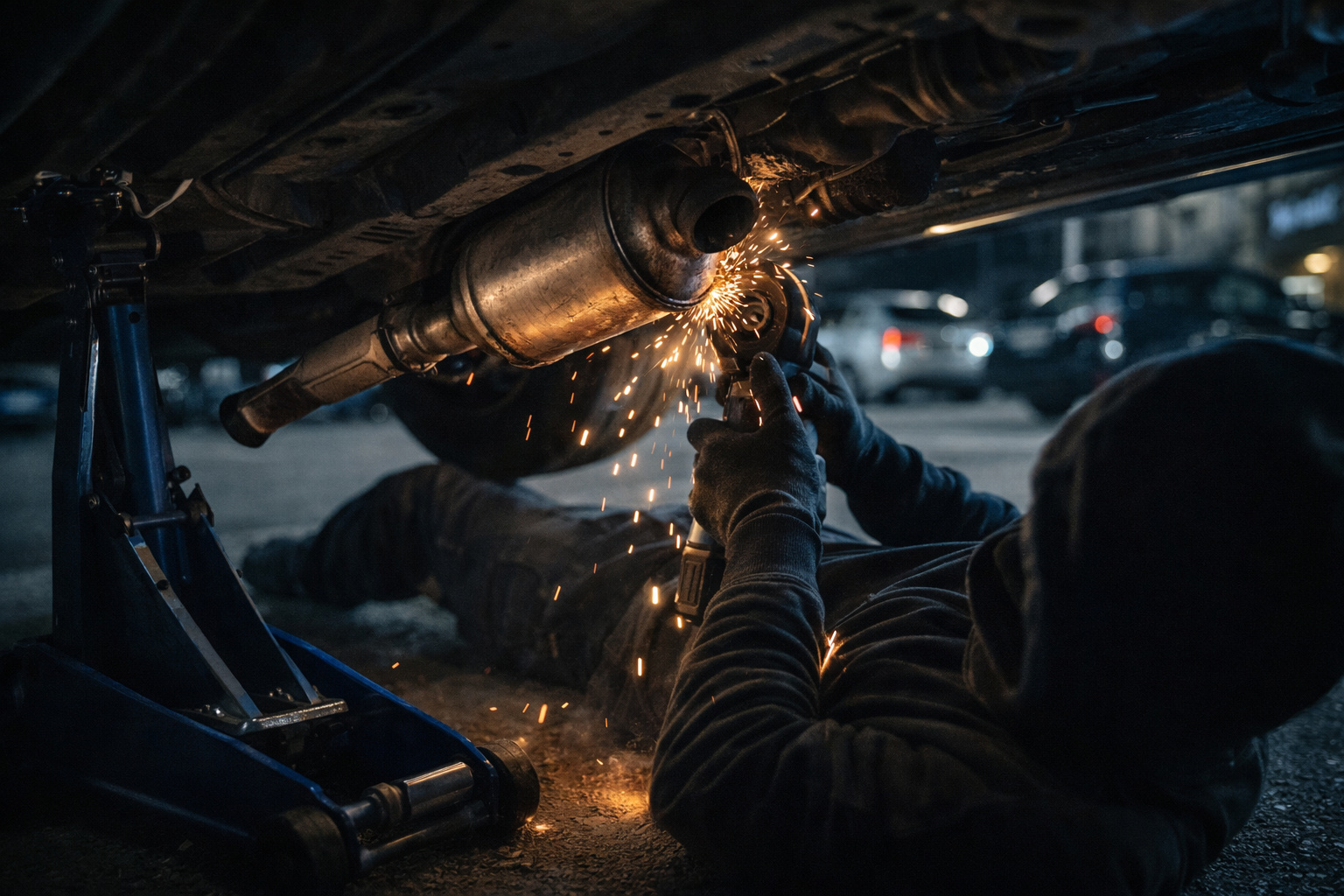
Thefts of catalytic converters are increasing in Brazil, a component that contains platinum, palladium, and rhodium, metals that can be worth more than gold, and can be removed from under a car in less than 2 minutes, causing losses of up to R$ 8,000 and only being noticed when the driver starts the vehicle and hears an extreme noise from the exhaust.
-
Changan launches Nevo Q06 with 800V architecture and 6C ultra-fast charging, AWD option with two rear motors, EV and EREV versions, LiDAR on the roof, and up to 14 different wheels now.
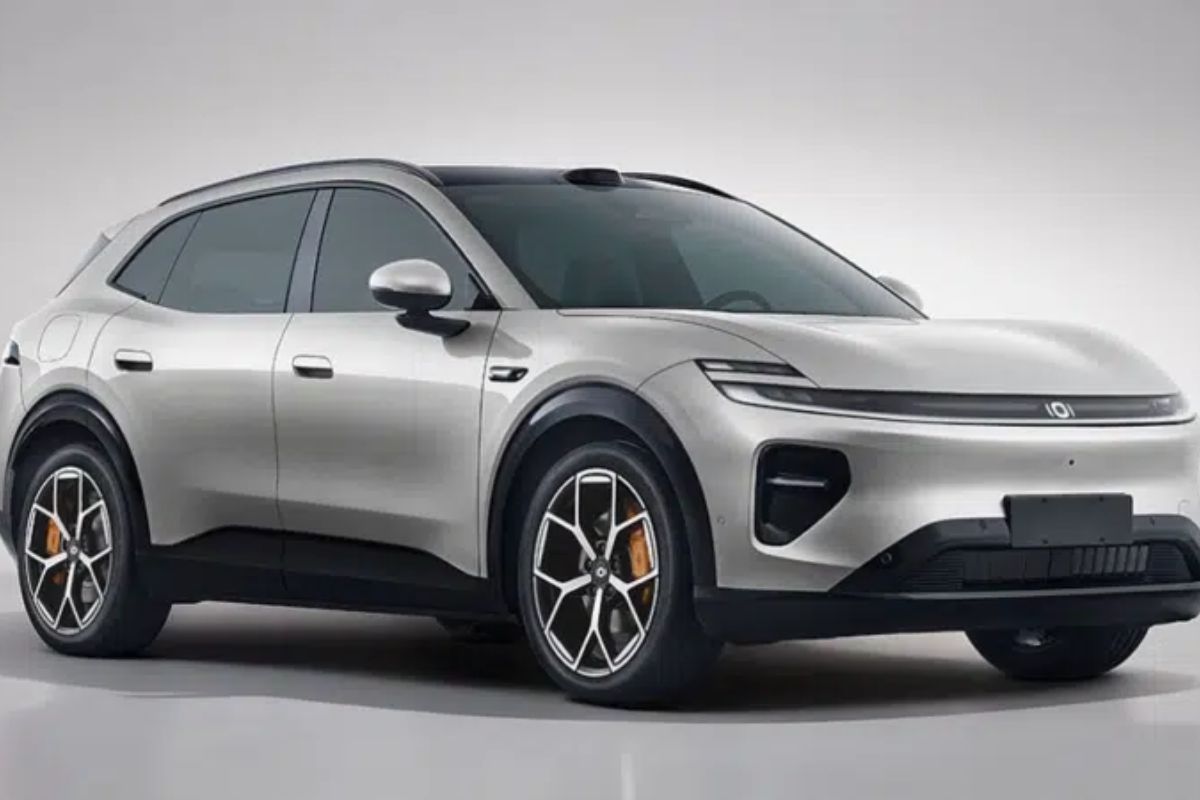
Tesla’s Late Arrival
The path for Tesla to India has been long. The manufacturer opened pre-sales nearly a decade ago but only began delivering vehicles in July of this year.
The available model is the SUV Model Y, sold for around 6 million rupees (US$ 70,000).
The price, inflated by import taxes, nearly doubles the entry value of the same car in the United States.
The company has opened two stores, in Mumbai and Delhi, but analysts point to a lack of effort. Tesla has not yet invested in factories or expanded its service network.
Additionally, the absence of a network of superchargers and the high cost restricts the audience to a premium niche.
Still, the brand continues to attract attention for its symbolic value. If the company invests in local production and expands its sales network, demand could grow rapidly.
The Weight of Taxes and Local Production
One of the biggest obstacles for foreign manufacturers is India’s tax policy.
The government charges up to 70% import tax on vehicles, a strategy aimed at forcing local production.
Tesla’s attempts to build a factory in the country have failed numerous times.
In June, Indian authorities stated that the automaker had not demonstrated real interest in producing locally.
Meanwhile, local companies like Tata Motors and Mahindra are filling the gap.
They produce more affordable models and take advantage of the benefits of manufacturing on their own territory. This position reinforces internal competition and pressures foreign brands to adapt.
BYD’s Bet
The situation for BYD is no less complicated. The rival Chinese company faces even more severe hurdles due to the tense diplomatic relations between India and China.
Reports indicate that executives from BYD India have had difficulties even obtaining entry visas to the country.
Despite this, the company has already made some progress. BYD launched models like the Atto 3 and the Sealion 7, reaching 10,000 vehicles sold in the Indian market by September.
BYD’s strength lies in its competitive pricing strategy.
Its cars offer technology and features for lower prices, which aligns better with the Indian reality. For it, if taxes are reduced, the brand could transform the market.
Diplomacy and Uncertain Future
Recently, signs of diplomatic thawing between India and China have opened space for new movements.
After a meeting between Prime Minister Narendra Modi and President Xi Jinping, travel restrictions began to be reviewed, allowing greater participation of BYD India leadership.
This movement is seen as positive for the company, which relies on international expansion in the face of stagnating sales in China and the price war in the sector.
On the other hand, both BYD and Tesla need to deal with India’s history. Global automakers like General Motors and Ford have exited the country after years of difficulties.
A Promising and Risky Market
India could become one of the largest electric car markets in the world. Annual sales could jump from 100,000 units in 2024 to up to 3 million by 2030, nearly double the U.S. market last year.
This potential, however, requires total commitment. Simply repeating strategies applied in other countries would be a mistake. The Indian market demands adaptation to its own characteristics, both in price and infrastructure.
The rivalry between Tesla and BYD in India is still in its early stages, but it already shows how the country could define the future of global electric mobility.






-

-

-

-

-

7 pessoas reagiram a isso.