





 Portuguese
  English
  Spanish
  3 min of reading


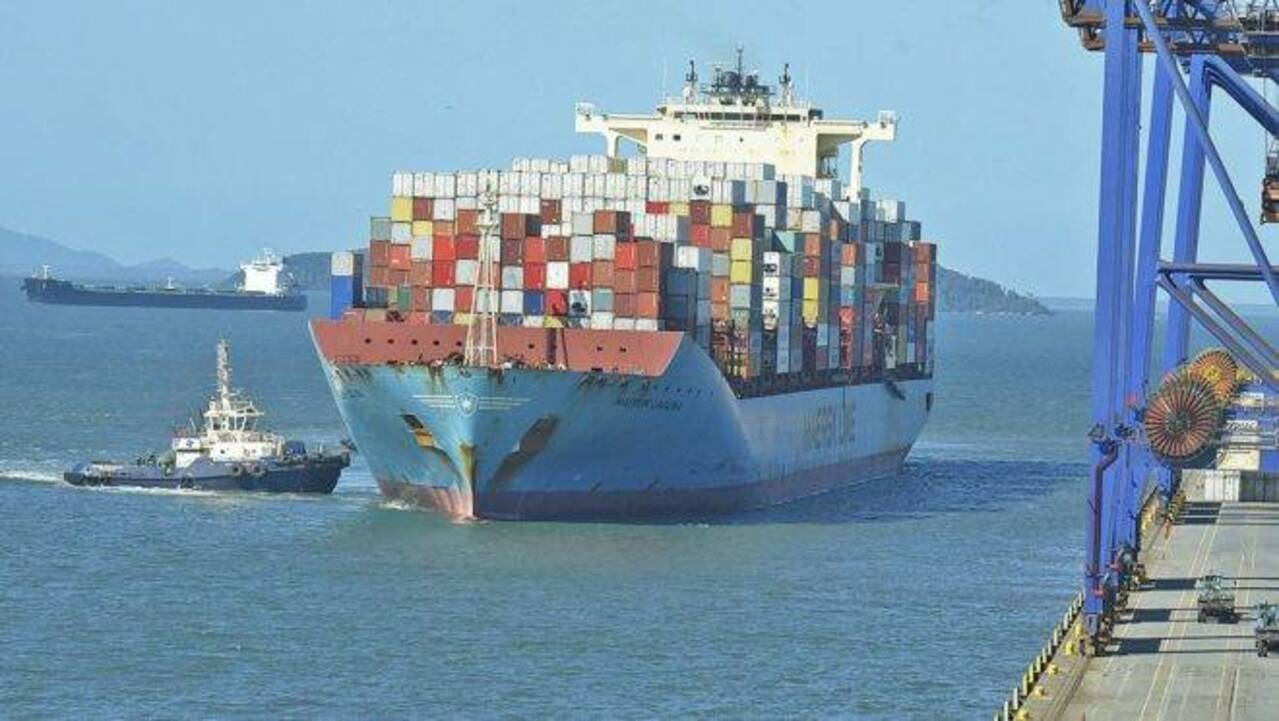
Brazil, Russia, India, China, and South Africa Seem to Be Focused on Combating the Coronavirus While Charting New Plans to Restore the Economy
Each of the leaders of the five countries – Brazil, Russia, India, China, and South Africa – appears to express a strong desire to work together on issues such as the economy, the Covid-19 pandemic, terrorism, and other matters of mutual interest, as reflected in the Moscow Declaration, the official document listing the leaders’ commitments.
Also Read
All Five Leaders Promised to Collaborate on the Development and Production of a Covid Vaccine to Restore the Economy
“This is far from the antagonism that India and Brazil projected toward China regarding the economy. Brazilian President Jair Bolsonaro came to power with an anti-China platform, promising to disengage from the Asian country. He openly admired Donald Trump, following the former U.S. president’s lead in banning Huawei and other Chinese-made equipment from the rollout of 5G in his country,” states Reuters.
Indian Prime Minister Narendra Modi has been even more hostile toward China, escalating the border disputes between the two countries, banning Chinese apps and products, joining the U.S.-led Quadrilateral Security Dialogue to counter Beijing, and other anti-China stances.
-
Unemployment rises again to 5.8% at the beginning of 2026, raising alarms about the end of temporary positions and its impact on the Brazilian job market.

-
Document organization can cut invisible costs in small businesses, a simple step that prevents waste, rework, and losses in daily operations.

-
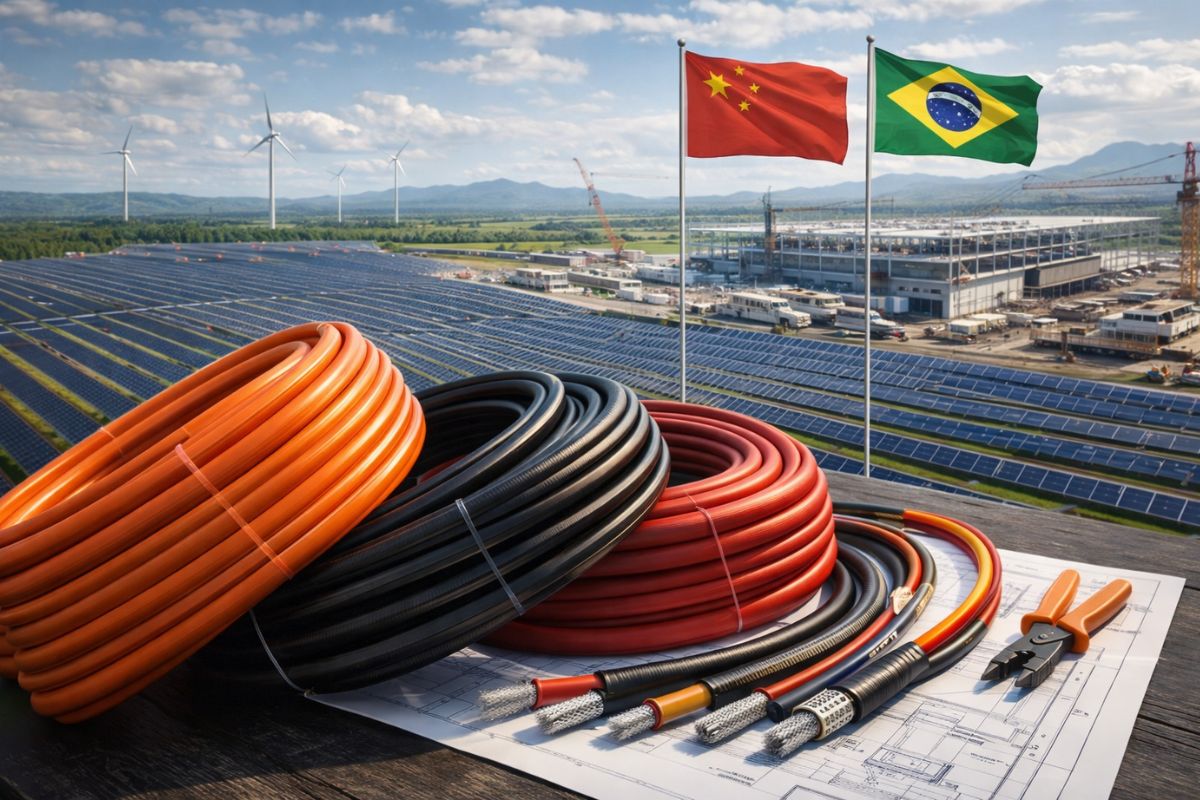
Chinese giant worth nearly R$ 4 billion that manufactures cables for electric cars, solar energy, and robotics wants to open a factory in SC.
-
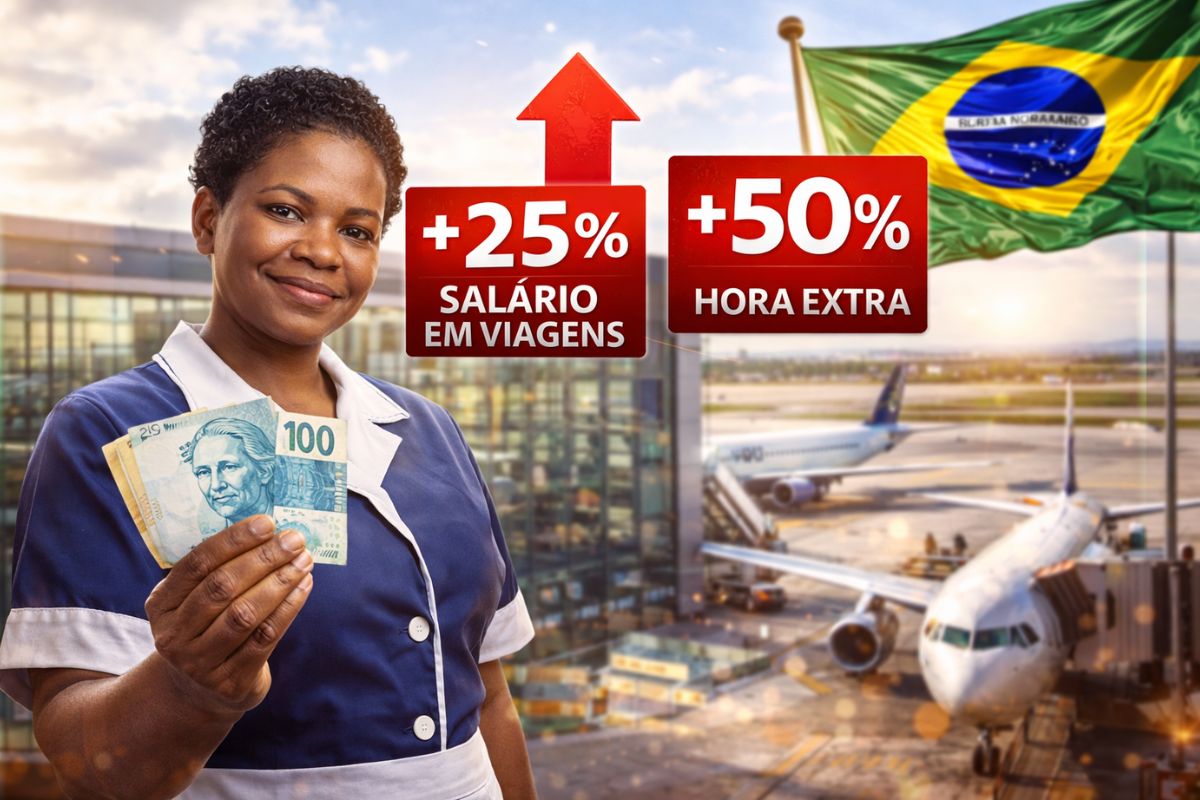
Many employers do not know, but the law guarantees domestic workers a 25% increase in salary during trips, 50% for overtime, 20% for night shifts, and 17 additional benefits that can lead to labor lawsuits if not paid.

So, What Should the World Take from the Apparent Thawing Between China, on One Side, and India and Brazil, on the Other at the BRICS Summit for the Economy?
The increase in trade and investment among the BRICS would stimulate international trade, reversing the global recession induced by the pandemic. Cooperation between India and China would bolster global security in the Asia-Pacific region and beyond.
It can be suggested that the BRICS is a “marriage made in heaven,” as its members could help one another realize their economic and geopolitical potential.
The economies of China and the other four members are highly complementary. The resources of Brazil, Russia, South Africa, and, to some extent, India have fueled China’s manufacturing prowess. In turn, Chinese technology and financing have driven economic development in Russia, Brazil, and South Africa. Chinese investment in India’s tech startups and low-priced exports has played a significant role in boosting the latter’s economic growth.
In fact, it was China’s purchase and investment in natural resources and other industrial sectors that have made the BRICS what it is today, surpassing the Group of Seven countries in economic size. According to the International Monetary Fund, the combined gross domestic product of BRICS countries in 2018 was US$ 46.1 trillion, while that of the G7 was US$ 41.1 trillion in terms of purchasing power parity (PPP).










Seja o primeiro a reagir!