





 Portuguese
  English
  Spanish
  3 min of reading


Industry 4.0 is marked by various technological advancements, but it is important to highlight the previous industrial revolutions; before the first industrial revolution, production worldwide was manual, until the arrival of the first steam machines.
In the second revolution, steam power was replaced by electric power, and machines became much smaller and more productive.
The last major revolution was very important because of the automation of machines and the level of a new application of computing, giving the power of “customization” in the production line.
-
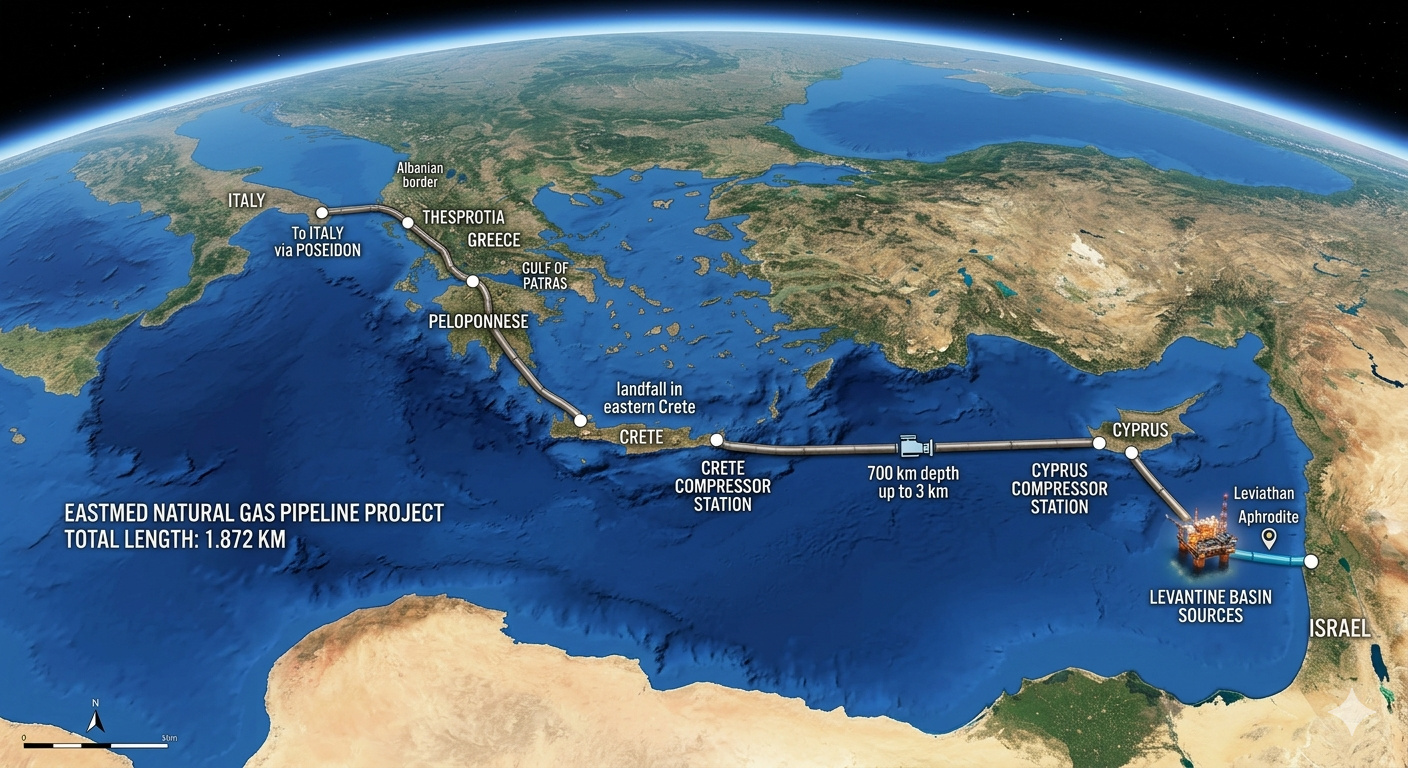
Israel, Greece, and Cyprus signed an agreement in 2020 to transport gas from the Mediterranean to Europe via a 1,872 km pipeline, but Turkey claimed sovereignty over part of the maritime route, and the project never materialized.
-
Historic bankruptcy of Centauro shocks the market, and the century-old company puts more than 500,000 products, machines, and complete infrastructure up for online auction.

-
Abandoned house for 15 years disappears in the woods, shocks owner with unrecognizable scenery and is reborn in an intense transformation after almost 90 hours of work in just 10 days.

-
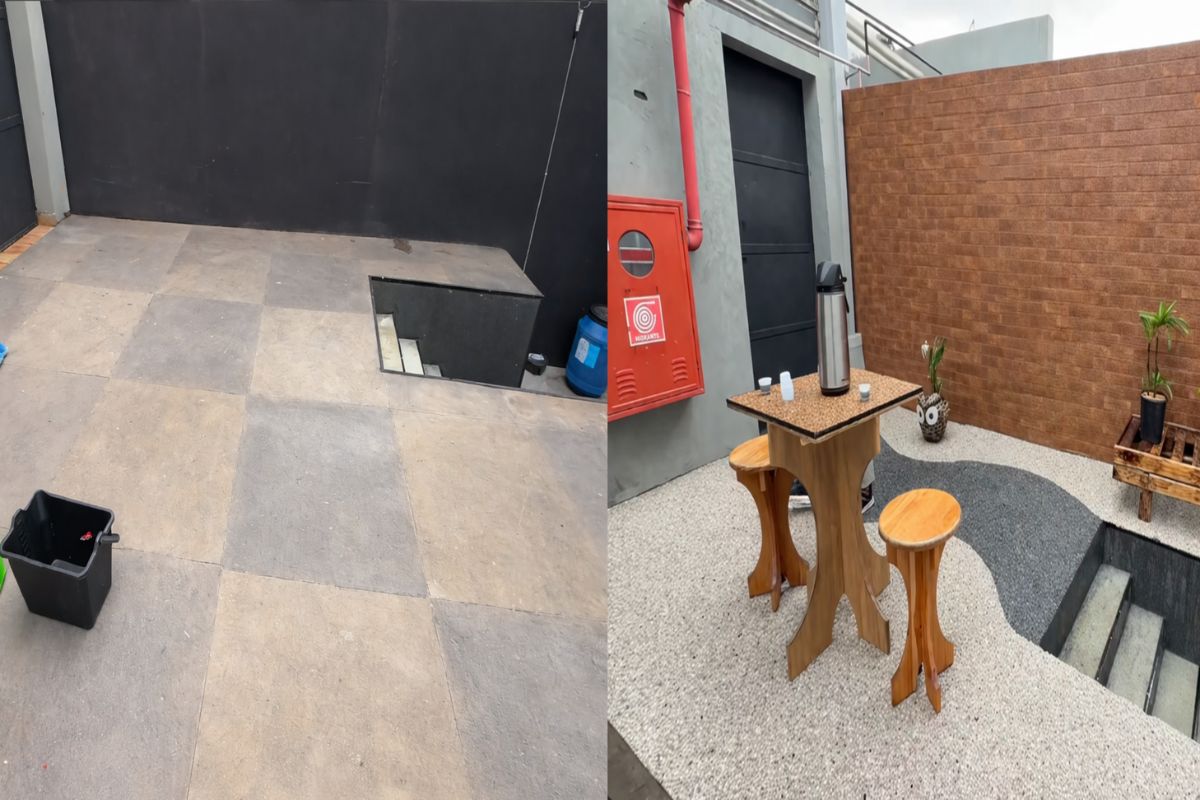
In just three hours, a natural stone floor transforms the entrance of the house with an organic effect, immediate drainage, and a sophisticated non-slip finish that doesn’t puddle water, dries quickly, and impresses with the final result.

Taking into account the main factors of Industry 4.0, we have prepared this content to showcase the great revolutions. Enjoy your reading!
What Is Industry 4.0
Industry 4.0 is a major revolution in the industrial sector because it moves towards automation in all procedures, generating great profits for the company in terms of productivity and great results.
In addition, employees gain a greater increase in safety, a reduction in physical effort in various processes, resulting in an optimization of time for the realization of new processes.
Another very important factor is that the industrial revolution relies on three fundamental pillars, which we will discuss next.
The Famous Internet of Things
One of the most popular topics at the moment is the Internet of Things, fully integrated with a network of physical objects, environments, vehicles, machines, and different devices, allowing for various data exchanges.
On the other hand, Big Data Analytics is the data structure that uses tools for capturing, analyzing, and managing data, operating like a large brain.
In the industrial segment, the action of these items occurs in practice as follows: the Internet of Things integrates process status information, and Big Data Analytics processes this data looking for improvements in the process.
Imagine that some industrial processes that use water are required to treat the liquid, and the process is carried out at a wastewater treatment plant, or outsource this option.
By applying the Internet of Things integrated with Big Data Analytics, the system can monitor the volume of wastewater produced and start treatment according to demand, without waste.
Robots and the Great Revolutions
Robotics is a fundamental element amid the great revolutions, as the main concept of machines is connected among sensors, processing, and actuation. As we saw in the previous section about the capacity of sensors and processing, this mix commands the operations of autonomous robots.
However, this moment of the process is quite delicate because the main advantage of robotics lies in “inexperience,” as this occurs because humans gain experience through practice and work.
In the case of robots, they also gain experience; for this, simulation tools are used for processing real data and the experience of developers to create intelligent solutions for current problems.
Impacts of Industry 4.0
Imagine a large shopping mall that uses the Fan Coil system for cooling, which generates a high volume of chiller maintenance to ensure everything functions well and correctly. The system can monitor the equipment’s performance, and with these types of tools, can already define the entire workload of a maintenance team.
Or, in the case of a company that performs cylinder coating, it can have the advantage of its systemic experience to determine the most appropriate types of treatments for the specific applications, determining production to carry out processes in a standardized manner and with high quality.
As we have seen throughout this content, the industry continues to revolutionize every day, generating great impacts on our world and transforming everyone’s lives!
This content was written by the advisory team of Industrial Solutions in partnership with Click Oil and Gas.










Seja o primeiro a reagir!